
 By Ananya Sharma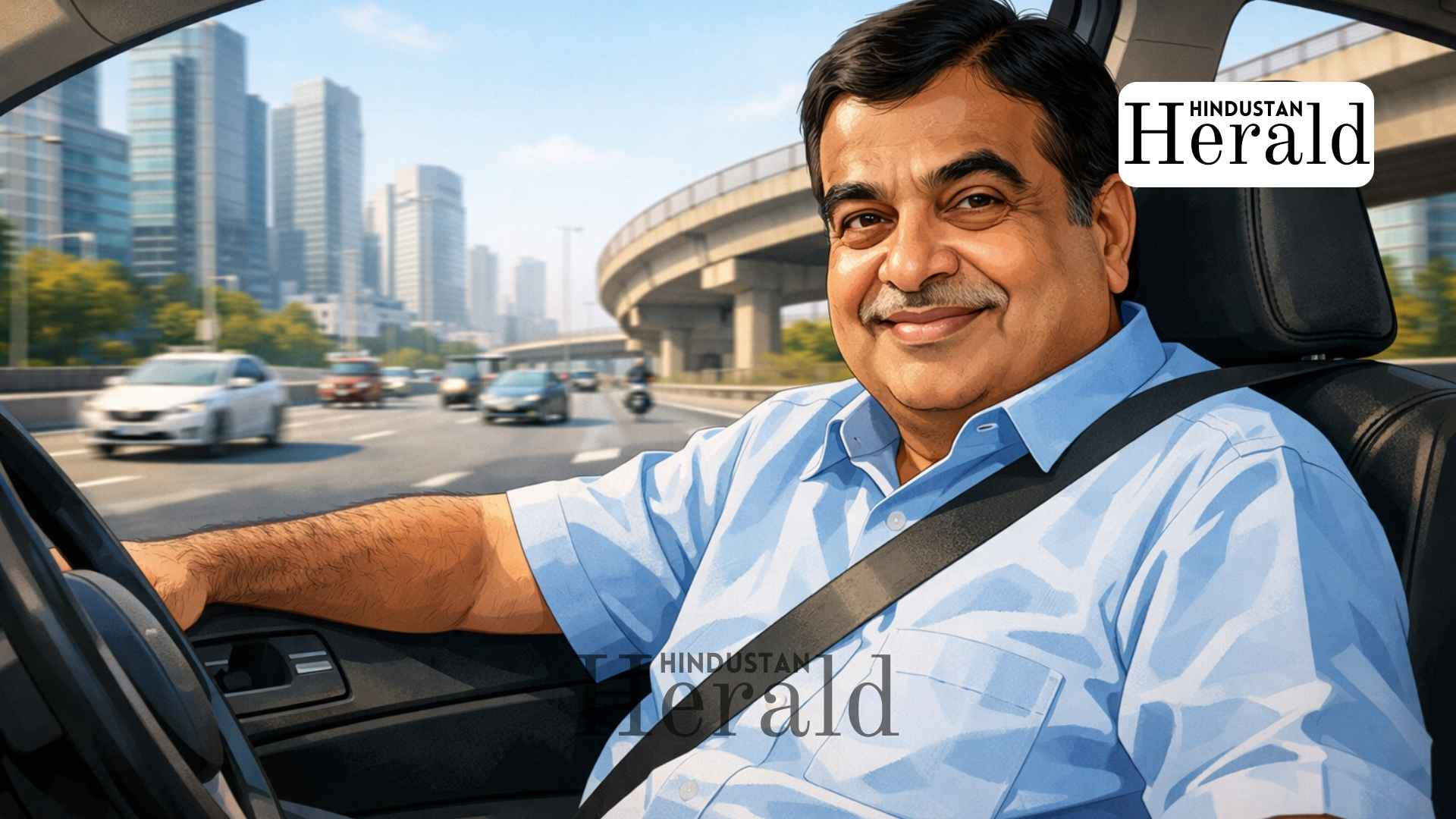
New Delhi, December 18: By the time Nitin Gadkari finished speaking to automobile executives on Thursday, the internet had already decided what the story was going to be. It wasn’t localization targets or manufacturing quality. It wasn’t the long-running push to cut imports or build stronger domestic supply chains. It was a handful of videos, clipped short, stripped of context, and pushed hard across Instagram and Facebook. Some mentioned Gurugram’s roads. One showed a car moving fast. Together, they drowned out what was actually said.

That is how transport policy now travels in India.
The Speech That Started It All
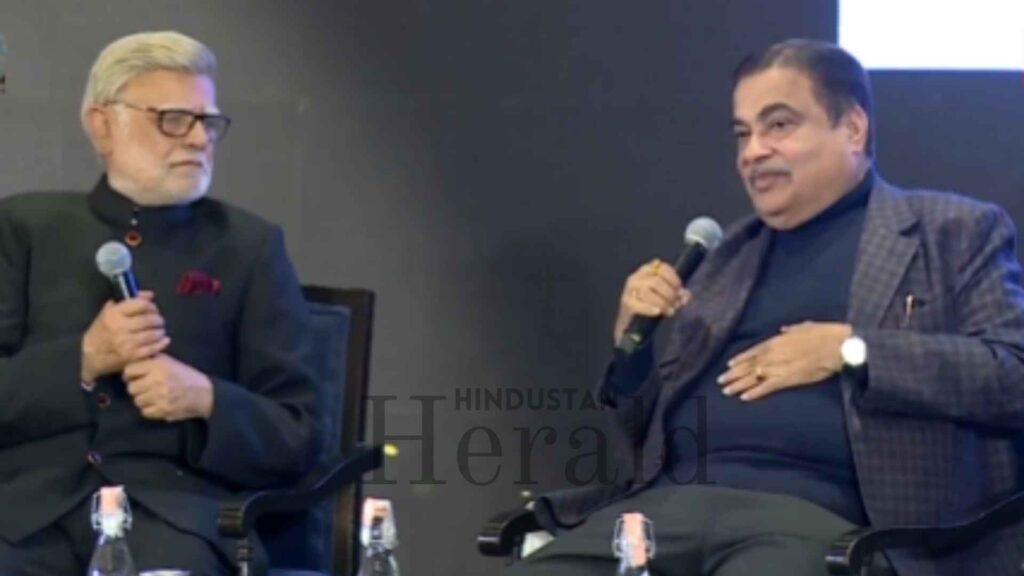
The only confirmed development of the day came from Gadkari’s remarks to the auto industry, reported by The Economic Times. Addressing manufacturers, the road transport minister returned to a familiar theme. India’s car companies, he said, need to do more work at home. Fewer imported parts. Less dependence on overseas suppliers. Better attention to quality, not just cost.
According to The Economic Times, Gadkari made it clear that simply assembling vehicles in India while sourcing key components from abroad does not build resilience. It does not build credibility either. The focus, he argued, has to shift toward engineering depth, reliability, and products that can stand scrutiny beyond Indian roads. There was nothing particularly dramatic about the speech. It was policy-heavy, industry-facing, and predictable in tone. It also did not mention Gurugram, its traffic, or its road conditions.
That omission did not slow the online reaction.
How Gurugram Entered The Picture Anyway
Shortly after the speech began circulating, social media clips started doing the rounds. In these videos, Gadkari is seen being asked about Gurugram’s infrastructure problems. His answers, edited down to seconds, show him redirecting the discussion toward broader mobility issues and the auto sector.
The captions did the rest. Accusations of avoidance followed quickly. What is missing from the conversation is basic verification. No major news organisation has published the full exchange. There is no confirmed transcript, no unedited footage, and no clarity on when or where the interaction took place. What exists are fragments designed for engagement, not accuracy.
That rarely stops them from shaping opinion.
The Speeding Video That Took Over The Feed
Then came the clip that really caught fire. A video widely shared online appears to show Gadkari driving at around 140 kilometres per hour without a seatbelt. The reactions were instant. Critics pointed to the contradiction between the visuals and the minister’s repeated public messaging on road safety and accident prevention.
Here too, the facts remain unsettled. There is no confirmation of the clip’s timing or location, and no authoritative report establishing whether it is recent or even relevant to the current news cycle. But once a visual takes hold, nuance usually arrives too late. For many viewers, the image itself became the argument.
Gurugram’s Roads, Separate But Never Separate
Away from Gadkari, Gurugram’s roads continued to supply their own viral material. One video shows vehicles momentarily lifting over an unmarked speed breaker on Golf Course Road, raising questions about basic road design and signage. Another clip, unrelated but widely shared, shows luxury cars allegedly disrupting traffic on the Gurugram–Delhi Expressway.
None of these incidents involves the Union minister directly. Jurisdictionally, they fall into different buckets altogether. But that distinction does not survive on social media. What survives is a broader frustration. That daily driving in cities like Gurugram often feels disconnected from the infrastructure success stories rolled out at press conferences.
The Infrastructure The Government Points To
To be fair, the region has also seen serious investment. The Dwarka Expressway, now operational, is one of the Centre’s flagship projects in the Delhi–Gurugram corridor. Designed to decongest older highways and improve airport connectivity, it represents the model of infrastructure the government frequently showcases.
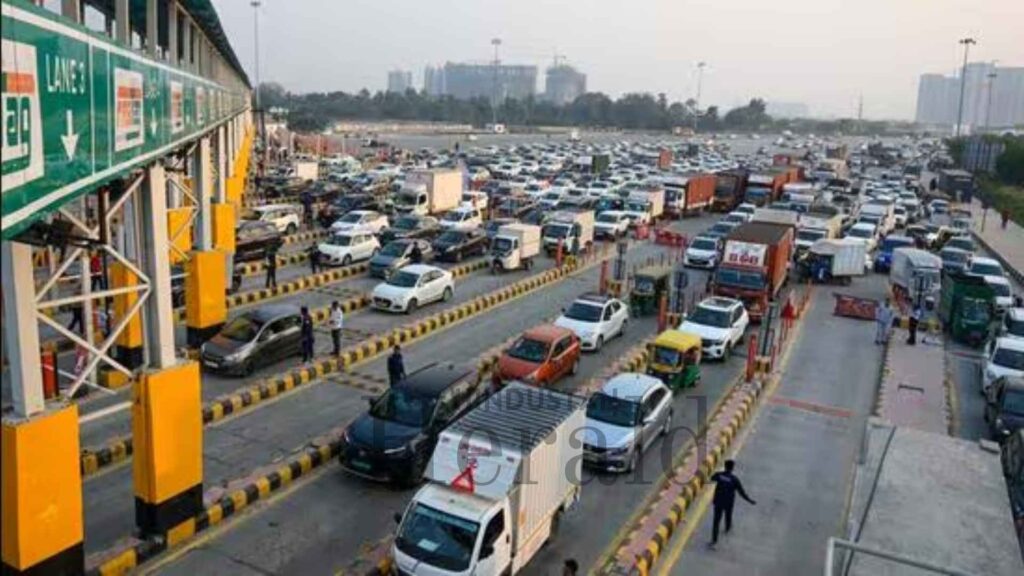
It was not part of Thursday’s immediate news, but it sits in the background of every such debate. The contrast between new expressways and patchy city roads is impossible to miss, and impossible to explain away in a viral clip.
Where Things Stand Now
By the end of the day, two versions of reality were circulating. One was grounded in the record. Gadkari is urging carmakers to localize more and take quality seriously, as reported by The Economic Times. The other lived online, driven by short videos, half-contexts, and a public already skeptical about road safety and enforcement.
Both now coexist uneasily.
For Gadkari, this is the cost of visibility. Infrastructure is no longer judged only by policy or progress reports, but by what shows up on a phone screen at the wrong moment. For now, the facts remain limited. The only verified statement from the minister on Thursday relates to localization and quality in the auto industry. Everything else is still floating in the churn of social media, where perception tends to move faster than confirmation.
Stay ahead with Hindustan Herald — bringing you trusted news, sharp analysis, and stories that matter across Politics, Business, Technology, Sports, Entertainment, Lifestyle, and more.
Connect with us on Facebook, Instagram, X (Twitter), LinkedIn, YouTube, and join our Telegram community @hindustanherald for real-time updates.

Covers Indian politics, governance, and policy developments with over a decade of experience in political reporting.
- Ananya Sharma

- Ananya Sharma
- Ananya Sharma
- Ananya Sharma




 Sandeep Verma
  Arun Upadhayay