 By Prakash Nair
New Delhi, December 15: By the end of Lionel Messi’s Delhi appearance, one thing was clear. This tour did not fail because of crowds. It failed because of expectations. And expectations, once mishandled, have a habit of turning admiration into anger. Delhi, to its credit, did not implode. That alone has been treated as a success. After what unfolded in Kolkata, the bar was low. Order became the achievement. Silence the relief.
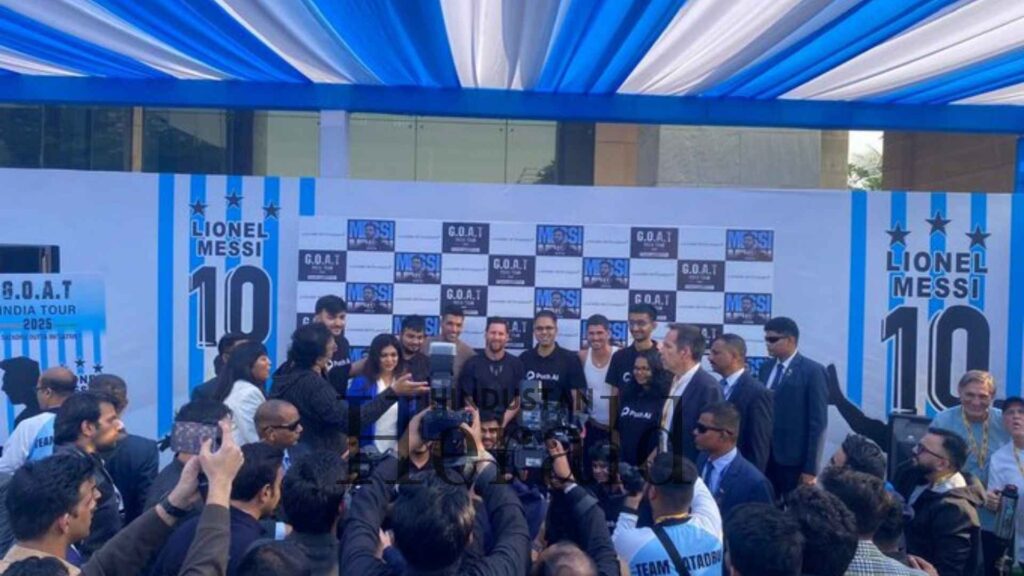
Still, calm does not mean clarity. And it certainly does not mean the larger questions raised by the G.O.A.T India Tour 2025 have been answered.
Delhi Got Control Right, But Distance Was the Price
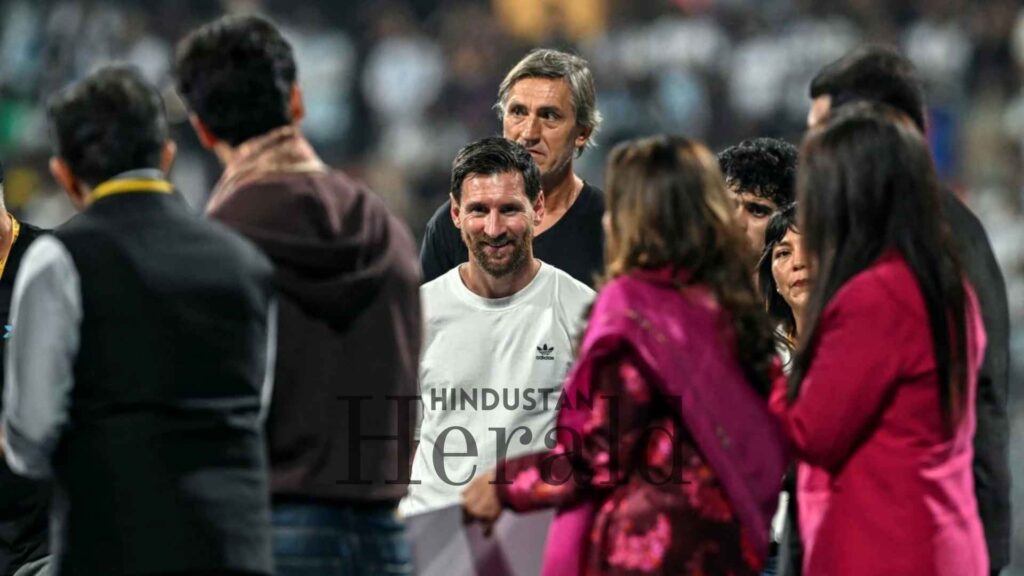
At Arun Jaitley Stadium, everything worked the way authorities wanted it to. Delhi Chief Minister Rekha Gupta formally welcomed Messi, alongside Luis Suárez and Rodrigo De Paul, as reported by Lokmat Times. Security was tight. Entry was regulated. Movement was monitored. According to NDTV, Messi walked the field, waved, acknowledged fans, and smiled for the cameras.

It was clean. It was efficient. It was also distant. Most fans never came close. Many never expected to. This time, expectations were managed quietly, almost defensively. No dramatic promises. No hints of extended interactions. The message was unspoken but understood. This is what you get.
That decision likely prevented unrest. It also stripped the event of warmth.
Cricket Optics and a Familiar Power Circle
The most telling moment of the evening had nothing to do with football. As reported by Zoom News, ICC Chairman Jay Shah presented Messi with Indian cricket jerseys, an autographed bat, and the first official ticket for the ICC T20 World Cup 2026. The symbolism was obvious. Cricket remains the gatekeeper of Indian sport. Even football’s greatest icon is welcomed through that doorway. For some, it was a proud crossover. For others, it reinforced an old truth. In India, global sport is filtered through existing power structures. Cricket administrators. Political offices. Corporate sponsors. The same familiar circle.

Messi stood at the centre of it, but he was not the one in control.
Why Fans Applauded Police, Not Organisers
According to Lokmat Times, fans openly praised the Delhi Police and DDCA for smooth arrangements. That praise matters. It is rare. It is also revealing. People were not applauding access. They were applauding restraint. No pushing. No delays. No confusion. After Kolkata, even basic order felt like an achievement.

But applause for policing is not the same as satisfaction with the event itself. Many fans left without feeling included. They left calm, not fulfilled. That difference matters, even if it does not trend online.
Mumbai’s Anger Did Not Disappear. It Just Moved Online
The resentment that surfaced in Mumbai never really went away. As reported by Maharashtra Times, fans were openly critical of Bollywood celebrities being foregrounded during Messi’s Mumbai engagement. The argument was simple and repeated endlessly. Why are actors front and centre at a football event while supporters are fenced off?
This was not jealousy. It was fatigue. Fatigue with hierarchy. Fatigue with curated access. Delhi avoided that optics-heavy spectacle. But the anger born in Mumbai followed the tour anyway, carried through comments, reposts, and lingering bitterness.
When a Selfie Became a Test of Entitlement
In Kolkata, the backlash turned personal. According to The Times of India, actress Subhashree Ganguly faced heavy trolling after posting pictures with Messi. Her presence became a proxy argument. Who deserves access? Who does not? Who gets questioned for it?
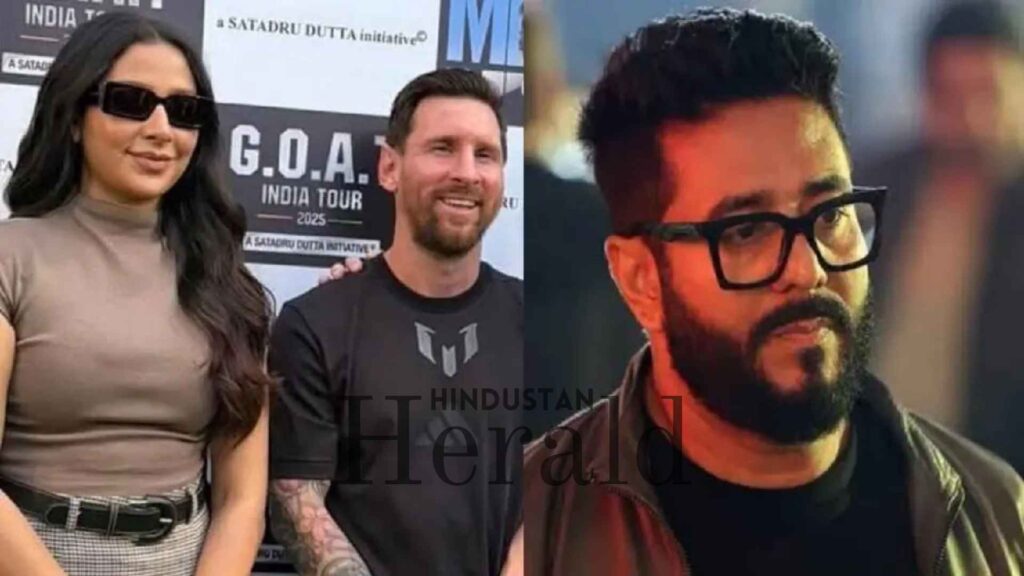
Her husband, Raj Chakraborty, defended her publicly, asking whether being an actress disqualified someone from fandom. It was a fair question. It was also beside the point. The anger was never really about her. It was about exclusion. About fans watching others live the moment they were denied.
Kolkata’s Violence Still Frames Everything
Delhi’s calm only makes sense when placed next to Kolkata’s chaos. As reported by Reuters, Messi’s appearance at Salt Lake Stadium spiralled when fans, frustrated by delays and limited visibility, ripped seats and threw objects. Police detained organisers soon after.
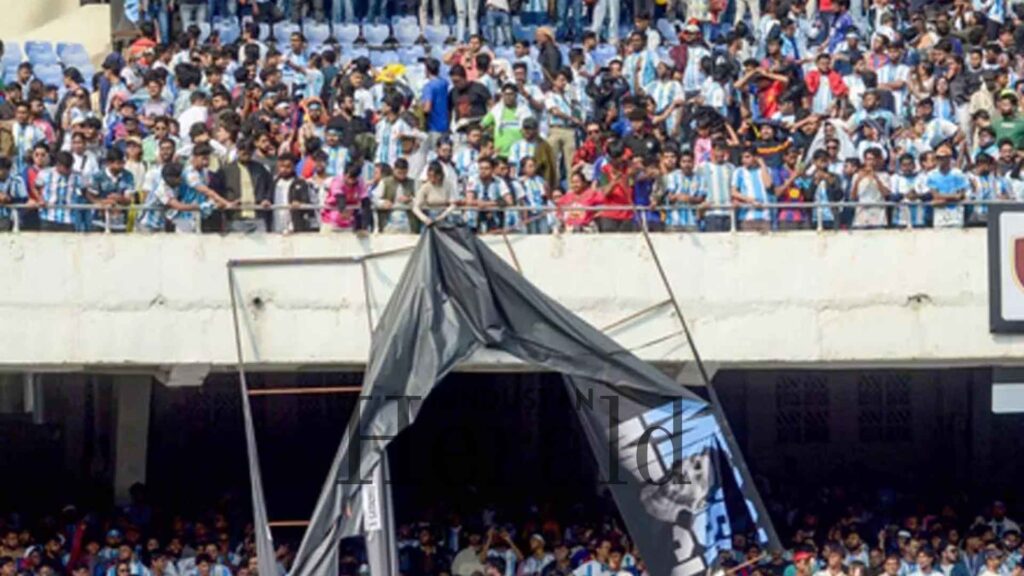
Political accusations followed. According to First India, opposition leaders alleged preferential treatment for party workers. Organisers denied it. The damage was already done. That incident reshaped the rest of the tour. Delhi became cautious because Kolkata was reckless. The contrast is not accidental.
This Was Never Just About Messi
India did not struggle because it hosted Messi. It struggled because it tried to host him without deciding what kind of event this was supposed to be. Was it a fan meet. A government-backed showcase. A brand activation. A celebrity gala. At different stops, it was all of these things at once. That confusion breeds resentment. India’s football audience is young, informed, and emotionally invested. They know when they are being managed instead of welcomed.

Delhi managed them well. That deserves credit. It does not deserve applause alone.
What Lingers After the Tour Ends
Messi will leave. The photos will fade. The hashtags will move on. What remains is a familiar lesson. Global icons do not create unity by default. Access does. Transparency does. Respect does.
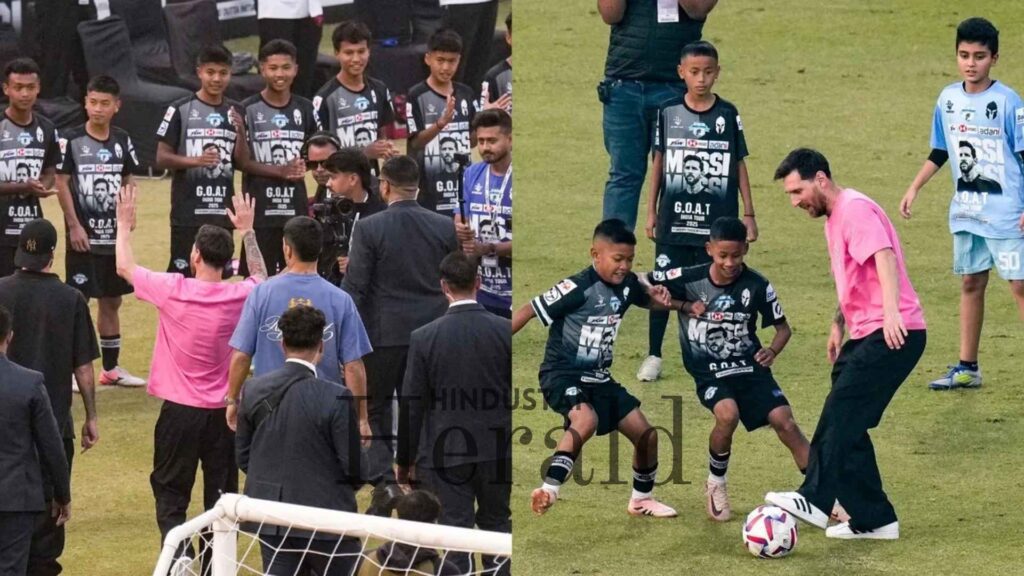
Delhi proved that chaos is not inevitable. It also proved that order without inclusion leaves a hollow feeling behind. For some fans, seeing Lionel Messi in person was enough. For many others, the distance told its own story. And that story will matter the next time India invites the world in.
Stay ahead with Hindustan Herald — bringing you trusted news, sharp analysis, and stories that matter across Politics, Business, Technology, Sports, Entertainment, Lifestyle, and more.
Connect with us on Facebook, Instagram, X (Twitter), LinkedIn, YouTube, and join our Telegram community @hindustanherald for real-time updates.
Sports reporter covering cricket, football, and Olympic disciplines, with on-ground event experience.
- Prakash Nair

- Prakash Nair
- Prakash Nair
- Prakash Nair