
 By Rajiv Menon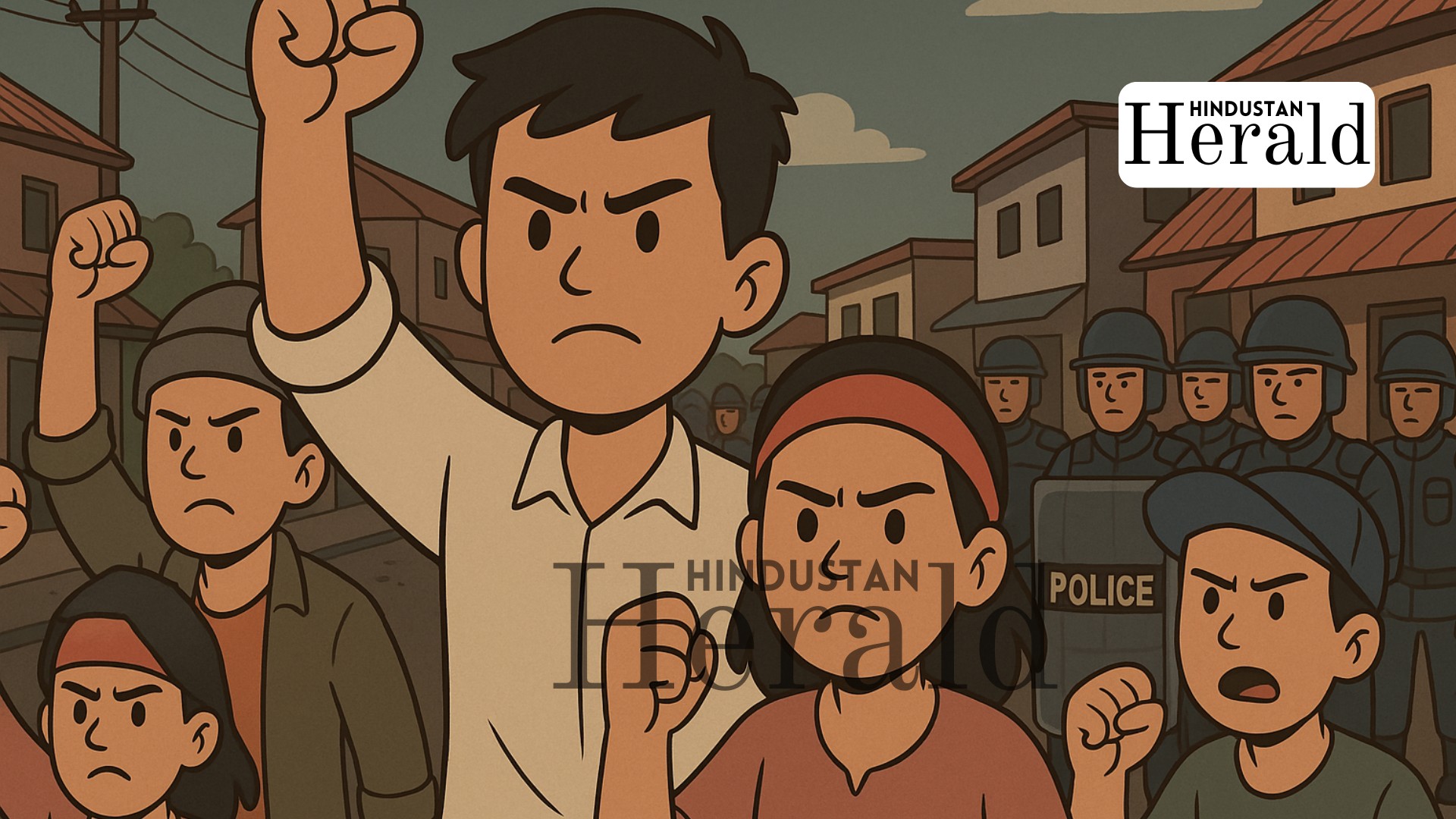
Kathmandu, November 20: The air in Bara’s Simara town was thick with tension by midday, the kind that usually builds only after a long, uneasy morning. Young protesters who had gathered under the broad banner of Nepal’s Gen Z movement found themselves staring down local cadres of the CPN UML, the party aligned with former prime minister K P Sharma Oli. Before long, shouting turned into shoving, and shoving turned into a full-blown clash that left around ten people injured, according to reports carried by multiple outlets.
Police rushed in, sirens cutting through the noise, and the District Administration Office snapped into action with another round of curfew orders. People in the market scrambled indoors as authorities banned gatherings and locked down movement in and out of Simara for the rest of the day. It felt like September all over again.
A Tense Afternoon That Echoes September’s Uprising
Witness accounts differ on who threw the first stone, as they usually do. But the mood, witnesses say, had been sullen since morning. According to reporting by The Times of India and Navbharat Times, youth organisers had planned a demonstration to call out what they described as intimidation by UML supporters earlier in the week. Local UML cadres, on the other hand, saw the rally as a direct affront.
Things spun out fast. Hindustan Times noted that several of the injured were young protesters carried away on motorbikes because ambulances struggled to get through the crowd. By early afternoon, LiveMint confirmed injuries had climbed to at least ten.

And then came the curfew. NDTV reported that the administration ordered residents indoors until the evening, warning against any form of assembly. Shops pulled down shutters in a hurry, leaving the usually busy stretch near Simara Chowk looking uneasy and abandoned.
It was not the first time in recent months that this district found itself at a political crossroads. But today’s confrontation seemed sharper, more personal.
What Pulled Gen Z Back Onto The Streets
Anyone watching Nepal in recent months knows the spark did not appear out of nowhere. The larger Gen Z protests that exploded in September had their roots in anger over a proposed social media ban. But that was only the surface. Young Nepalis were already deeply fed up with what they saw as a political class uninterested in either reform or accountability.
People who marched then talked about corruption, nepotism, and a sense that those in power simply rotated chairs among themselves. TheLogicalIndian has described how those protests grew quickly, spreading from online calls on Discord to street demonstrations in cities across the country. Britannica’s overview of the movement captured the scale of that shift, pointing to how it drew an entire generation into organised civic action.
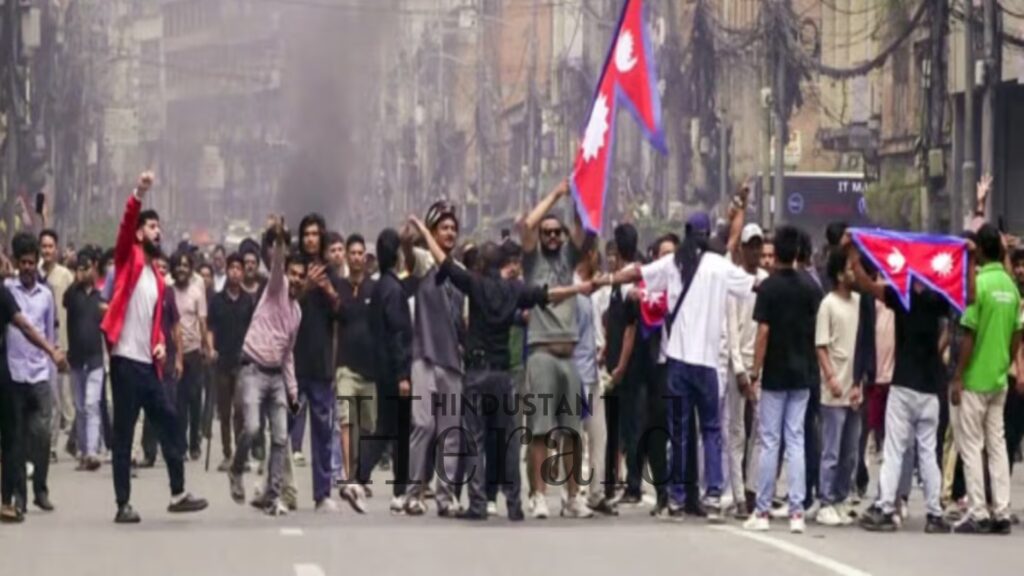
That earlier wave quietened by the end of September, but it never really disappeared. The anger simmered through October, and now, in November, it has spilt back into the public space. Simara’s streets have become the latest pressure valve.
Why Bara Became Ground Zero This Time
Bara has always been politically charged. The district sits in Madhesh province, a region where parties, factions, and community networks overlap in complicated ways. For the CPN UML, Bara remains an important stronghold. For many young protesters, that very fact makes it an important stage.
Local youth say they were fed up with what they described as harassment by UML supporters in the days leading up to Thursday’s rally. UML cadres, for their part, saw the protests as an attempt to embarrass the party on its own turf. Navbharat Times reported that tensions had been building for several days, even if the actual trigger looked small from the outside.
Residents say they could sense something was off by mid-morning. These were not the large, energised crowds seen in Kathmandu or Pokhara in September. This was more local and more raw, with each side insisting the other was out to provoke a confrontation.
A Rare And Tense Warning From PM Karki
Prime Minister Pushpa Kamal Karki, who has spent the last few months trying to stabilise a fragile political climate, issued a public warning as the situation unfolded. As reported by The New Indian Express, he urged political groups to avoid provoking young people and cautioned youth activists against being drawn into party-backed confrontations.
The tone of his caution revealed the government’s nervousness. After all, officials watched the September protests grow from scattered gatherings to national mobilisation in a matter of days. The last thing Karki wants is another wave of anti-establishment anger that leaves his coalition struggling to keep control.
There is also the matter of timing. Nepal is juggling inflation, slowing growth, and a trust deficit that has widened between politicians and the public. Fresh clashes on the streets only deepen that sense of drift.
The Larger Political Undercurrent
These confrontations are not simply about one protest or one district. They reflect a widening gap between the country’s older political leadership and a generation raised in a very different Nepal. Young Nepalis have less patience for party-based patronage and more insistence on transparency. They also organise differently, relying on digital networks rather than party offices.
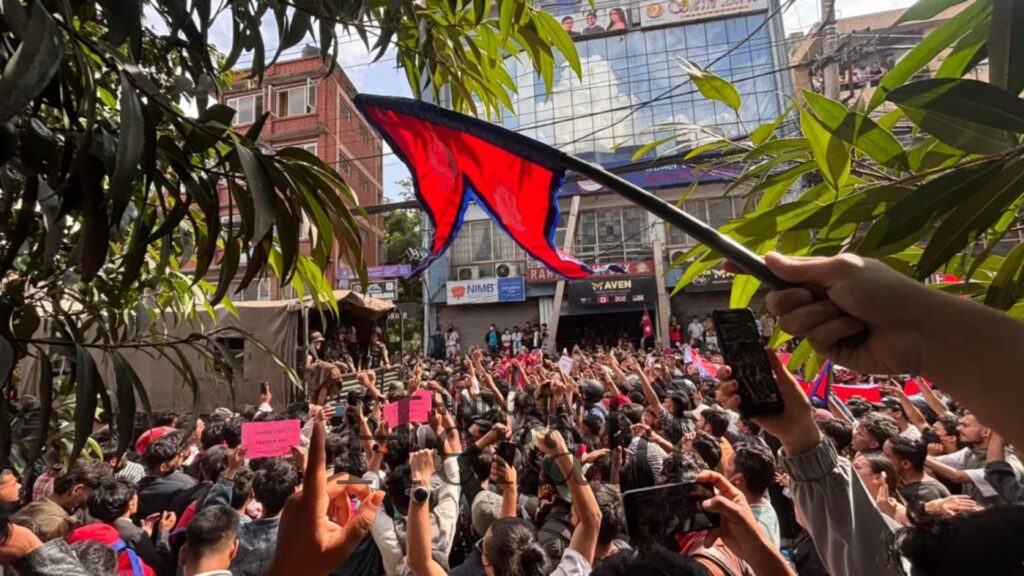
Britannica’s analysis of the September movement described this as a “post-conflict generation finding its political voice”, and that is increasingly visible in the way young people show up in public life. The established parties, especially the CPN UML, are struggling to understand how to counter a movement that has no formal leadership and no clear hierarchy to negotiate with.
UML leaders have attempted to mobilise their own youth wings to push back. Bara seems to show the limitations of that approach. When political cadres meet decentralised youth groups on the street, the result is often confrontation rather than persuasion.
What Everyone Is Watching For Next
The big question now is whether this fresh unrest stays confined to Bara or begins to ripple outward. Nepal remembers too clearly how September’s movement began with scattered walkouts and ended with thousands marching across major cities.
Authorities appear determined to prevent that. The swift curfew reflects a belief that the situation could escalate quickly if young people in other districts see Simara’s unrest as a call to return to the streets.
The demands this time are still forming. There is anger, yes, but not yet a unified list of grievances like in September. Reports suggest the immediate trigger for the march may have been local, involving alleged mistreatment of activists by UML supporters. But the deeper issues have not changed, and young organisers know it.
For now, calm depends on whether tonight’s curfew holds and whether political actors resist the urge to turn the incident into a larger battle for influence. But the mood in Nepal feels unsettled. There is a sense that something has shifted permanently since September and that the country’s young citizens are not content to step back quietly.
What happened in Simara today may be a small confrontation in terms of numbers, but it hints at a bigger, unresolved argument about who gets to define Nepal’s political future.
Stay ahead with Hindustan Herald — bringing you trusted news, sharp analysis, and stories that matter across Politics, Business, Technology, Sports, Entertainment, Lifestyle, and more.
Connect with us on Facebook, Instagram, X (Twitter), LinkedIn, YouTube, and join our Telegram community @hindustanherald for real-time updates.
Specializes in South Asian geopolitics and global diplomacy, bringing in-depth analysis on international relations.
- Rajiv Menon

- Rajiv Menon
- Rajiv Menon
- Rajiv Menon



 Neeraj Kapoor