
 By Neeraj Kapoor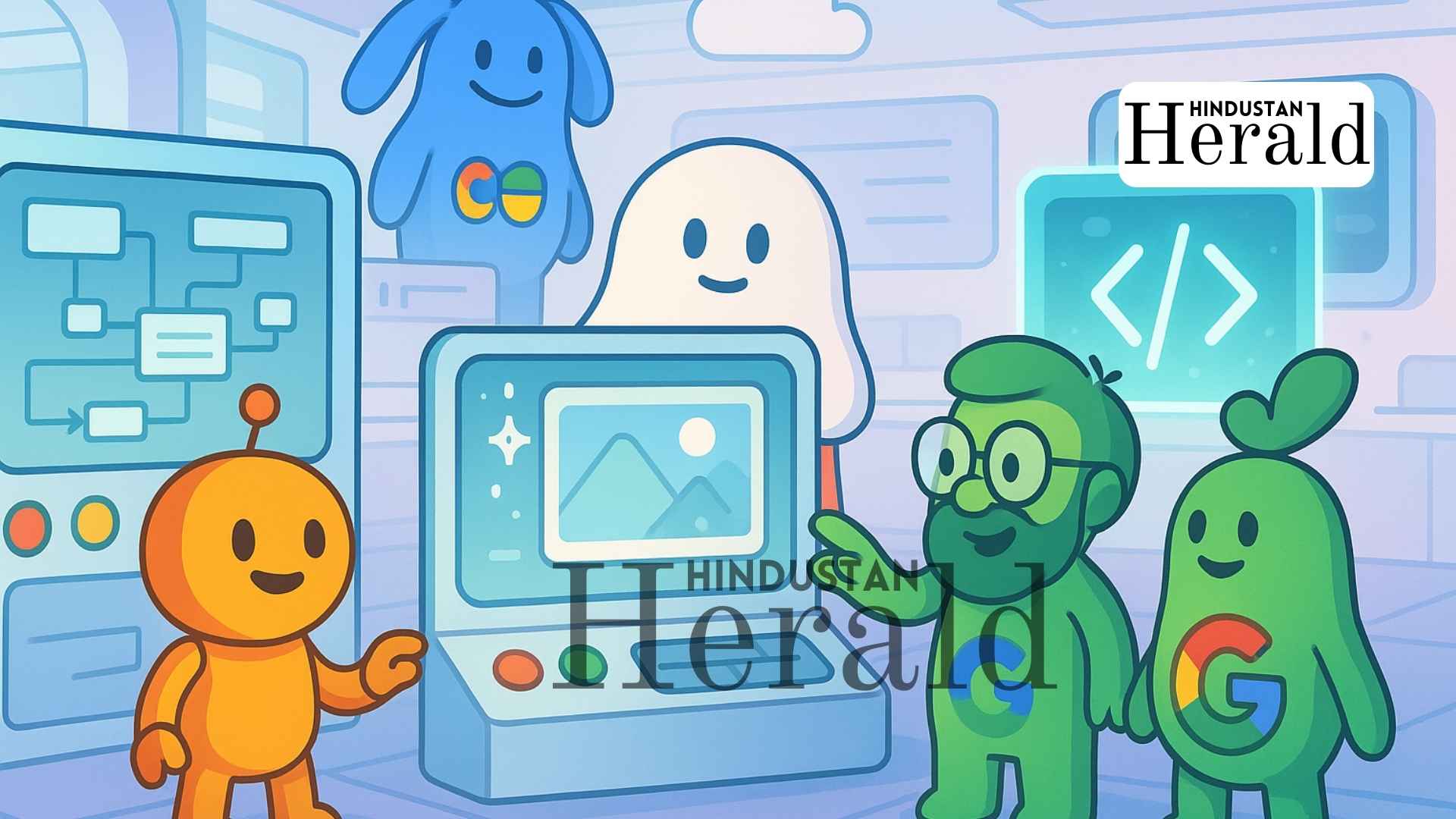
New Delhi, December 4: Google has moved decisively into a new phase of consumer and enterprise technology, unveiling a suite of AI-driven editing and automation tools that collectively signal the company’s strongest push yet toward a future where software adapts to users rather than the other way around. The releases span productivity, creative editing, browsing, and developer tooling, knitting together a vision that places AI agents at the centre of everyday digital work.
Workspace Studio Aims To Make Automation A Consumer Skill
According to eWeek, Workspace Studio was introduced on 4 December as an integrated automation layer inside Gmail, Drive, Chat, and other Workspace apps. The tool lets users delegate repetitive digital chores through natural language instructions, cutting out the scripting and macros that have traditionally limited workplace automation to specialists.
As it turns out, this platform represents Google’s clearest effort to democratise workflow automation. The company had tested generative assistants inside Workspace for more than a year, but the new system reportedly allows users to chain tasks across apps in a way that resembles light coding without requiring any coding literacy at all. That said, analysts note that Google is stepping into a space where expectations are high, especially as enterprises weigh cost, governance, and the reliability of agentic systems.
Still, the announcement positions Google directly against rivals building similar ecosystems around task delegation and workflow bots. For employers navigating rising digital workloads, the shift may eventually influence how teams structure routine operational roles.
Google Photos Pushes AI Editing Into Mainstream Creativity
If Workspace Studio tackles productivity, the latest Google Photos update expands Google’s ambitions on the creative side. According to Google’s own product blog, a new Help me edit feature gives users the ability to request highly specific photo adjustments in plain language or even voice. Commands such as removing sunglasses, fixing facial expressions, or altering environmental elements are processed by AI models that understand visual context more deeply than earlier editing assistants.
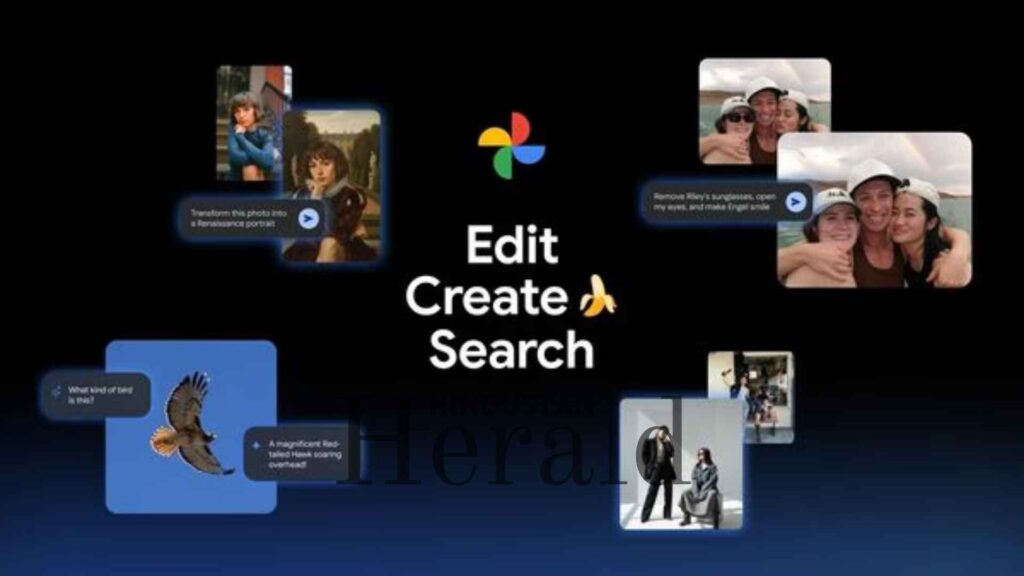
Beyond corrections, Google is leaning into style transformation. Features supported by the Nano Banana model allow users to turn pictures into stylised portraits, storybook illustrations, or Renaissance-style renderings. As reported by TechCrunch, Google is also widening access to natural language search across Photos through an Ask button that interprets broad prompts and pulls relevant images through content understanding rather than metadata.
For everyday users, this marks the moment AI becomes not just a utility but a creative partner. And for Google, it reinforces the idea that editing software is no longer confined to professionals. Photo manipulation that once required dedicated suites is shifting into the casual user’s hands, embedded quietly within cloud ecosystems consumers already use.
Antigravity Introduces Agentic Development As A New Norm
One day before the Workspace Studio announcement, reports from InfoWorld detailed Antigravity, a new Google development environment built not around files and syntax but around AI agents capable of writing code, orchestrating tasks, and performing browser automation. Early descriptions portray the IDE as a departure from the manual coding workflow that has defined software development for decades.
The environment supports asynchronous agent behaviour, browser workflow control through Chrome, and mixed human AI orchestration. In effect, Google is treating software creation itself as an editable, prompt-driven activity. For developers, this signals an inflection point. While coding will continue, the cognitive load may shift from writing logic to supervising agents.
Industry observers note that Antigravity’s timing matters. As cloud providers race to become the default platform for AI native development, Google is offering a suite that integrates tightly with its own ecosystem. Whether developers adopt it as a daily tool remains to be seen, but the conceptual shift is unmistakable: editing, as Google envisions it, now includes editing the behaviour of agents that build and run software.
Chrome Extensions Showcase Google’s Broader AI Ecosystem
Google also released its list of favourite Chrome extensions of 2025, as reported by Moneycontrol. Many of the highlighted tools use AI to streamline browsing, generate or edit content, teach concepts, or enhance research. While not developed by Google itself, the curated list reveals the company’s strategic framing of Chrome as an expandable AI interface rather than a simple browser.
Extensions that summarise pages, rewrite content, create art, extract key information, or automate form filling show how users’ expectations of a browser are evolving. Chrome is increasingly defined by modular intelligence layered on top of the open web. For Google, steering this ecosystem gives it influence over the next generation of lightweight editing and productivity tools that live directly in the browser.
A Unified Arc: Editing As A Cross-Platform AI Function
Taken together, Google’s announcements trace a common thread. Whether in images, documents, workflows, or code, editing is becoming a universal AI-assisted action rather than a domain-specific skill. Workspace Studio abstracts routine operations. Google Photos transforms visual editing into conversational guidance. Antigravity reframes coding as interaction with autonomous agents. Chrome extensions extend these behaviours to the browsing environment.
For now, the company appears intent on positioning itself as the hub where AI-powered creativity and automation converge. The implications are broad. Consumers could see everyday tasks simplified by default. Developers may adopt new mental models for building software. Enterprises will face choices about openness, compliance, and long-term vendor dependency. And rivals across productivity, cloud, and creative software markets will be pushed to model similar ecosystems.
Still, the durability of this strategy depends on user trust and sustained adoption. Early AI tools often spark enthusiasm before facing real-world friction around accuracy, cost, and usability at scale. As competition accelerates, Google’s challenge will be proving that AI-driven editing and automation can transition from novelty to reliable infrastructure.
Stay ahead with Hindustan Herald — bringing you trusted news, sharp analysis, and stories that matter across Politics, Business, Technology, Sports, Entertainment, Lifestyle, and more.
Connect with us on Facebook, Instagram, X (Twitter), LinkedIn, YouTube, and join our Telegram community @hindustanherald for real-time updates.

Tech writer passionate about AI, startups, and the digital economy, blending industry insights with storytelling.
- Neeraj Kapoor

- Neeraj Kapoor
- Neeraj Kapoor
- Neeraj Kapoor




 Kavita Iyer and Neeraj Kapoor