
 By Ananya Sharma
New Delhi, December 4: Through most of Wednesday, the conversation in Delhi’s policy circles revolved around an unusual mix of anxiety and resignation. Air quality had sunk again by mid-morning, and both central and city officials found themselves explaining what comes next and why familiar interventions keep losing force year after year.
According to The Economic Times, Environment Minister Bhupender Yadav met senior bureaucrats on 3 December to press for next year’s action plan. The instruction was blunt: every participating agency must have its 2026 strategy drafted before December ends. Road dust, construction debris, industrial stacks and overburdened transport networks were each flagged as unresolved pressure points.
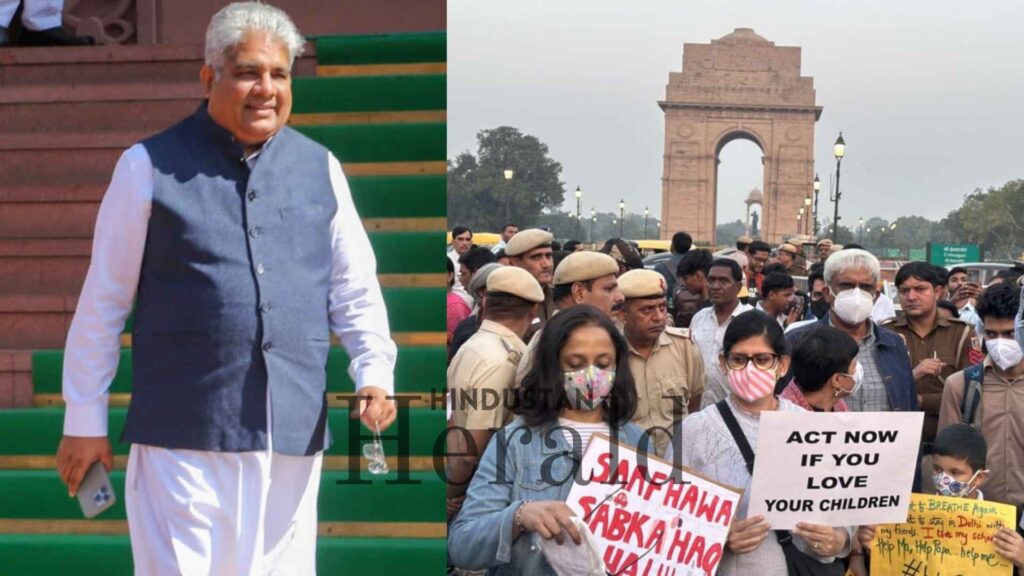
People present at the discussion described it less as a ceremonial winter review and more as a reminder that last season’s promises had not produced the consistency the Centre expected. Still, no one was ready to say whether this year’s coordination will run differently from the past decade’s patchwork response.
Rekha Gupta Puts Together A New Oversight Group, But Questions Follow Quickly
Late in the afternoon, attention shifted to the Delhi government, which confirmed that Chief Minister Rekha Gupta will lead a new panel meant to track pollution and nudge departments that fall behind. As The Times of India reported, the group will include ministers, key secretaries and technical advisers who are expected to assess daily data and step in wherever enforcement thins out.

Inside the Secretariat, the announcement drew a practical question: how will this structure avoid repeating the habits of previous committees that produced strong reviews but uneven results on the streets? Some officials noted that without clear authority to demand compliance from municipal bodies and agencies outside Delhi’s control, the panel may find itself writing instructions that others can ignore.
For now, the government has presented the body as a way to keep multiple departments aligned at a moment when public patience is visibly shrinking.
Kiran Bedi’s Warnings Resonate Publicly, But She Is Not Part Of Government Consultations
Amid the official manoeuvring, Kiran Bedi has been unusually vocal. In the past week, she has posted a series of appeals urging the Prime Minister’s Office to treat the pollution spike as a health emergency rather than a seasonal inconvenience. Reports carried by The Economic Times and NDTV Profit highlighted her insistence that senior officials must physically inspect the worst-hit neighbourhoods instead of relying on fleet reports or filtered-air offices.
Her criticism has struck a chord among residents who feel that on-ground inspections are often outsourced and poorly supervised. Still, despite a burst of speculation online, there is no evidence that Bedi attended any meeting with the Environment Minister on 4 December. No ministry note, no Delhi government brief and no credible outlet has linked her to internal discussions.
Her position remains that of a prominent former administrator urging accountability from the outside.
The Deeper Problem: Many Authorities, Few Clear Lines Of Command
What emerged from the day’s statements, internal notes and political reactions is a familiar picture. The Centre oversees a region involving multiple states. Delhi runs its own programmes but depends on agencies beyond its control. Municipal corporations are responsible for frontline enforcement, yet often lack the staff to patrol consistently. The Commission for Air Quality Management, which was once meant to neutralise this fragmentation, has not yet become the anchor many expected.
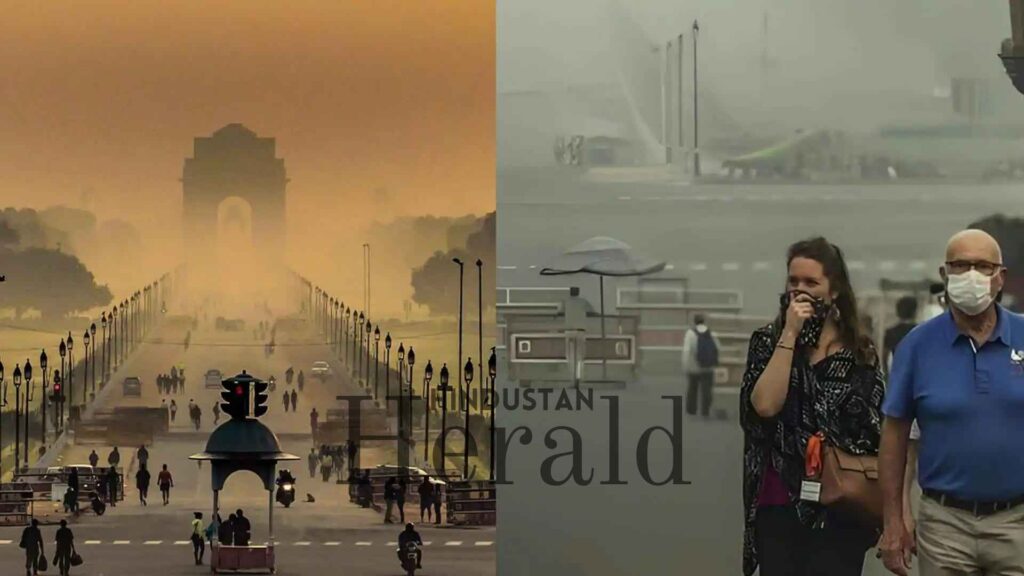
That said, the combination of central scrutiny, Delhi’s new oversight panel and a rising volume of public frustration may create a different atmosphere this season. Officials are feeling the pressure more directly than before, and several of them privately acknowledged that the current winter could shape how next year’s air management architecture is built.
A Narrow Window For Delhi To Recover Public Trust
If the next few weeks bring even partial improvement in visibility, it will likely come from day-to-day fieldwork rather than headline announcements. The real test lies in whether teams repairing roads, regulating construction and monitoring industrial stacks can deliver steady results without losing momentum midway through winter.
Delhi’s residents, meanwhile, are watching closely. Many have lived through too many seasons of marginal gains followed by steep reversals. Their question is no longer when the crisis will be addressed, but whether the city’s governance structure is capable of sustained, ordinary enforcement instead of high-alert sprints.
For now, both the Centre and the Delhi government appear determined to show that this year’s interventions will not fade as quickly as they have in the past.
Stay ahead with Hindustan Herald — bringing you trusted news, sharp analysis, and stories that matter across Politics, Business, Technology, Sports, Entertainment, Lifestyle, and more.
Connect with us on Facebook, Instagram, X (Twitter), LinkedIn, YouTube, and join our Telegram community @hindustanherald for real-time updates.

Covers Indian politics, governance, and policy developments with over a decade of experience in political reporting.
- Ananya Sharma

- Ananya Sharma
- Ananya Sharma
- Ananya Sharma



 Arun Upadhayay
  Sandeep Verma