
 By Dr. Ritu Malhotra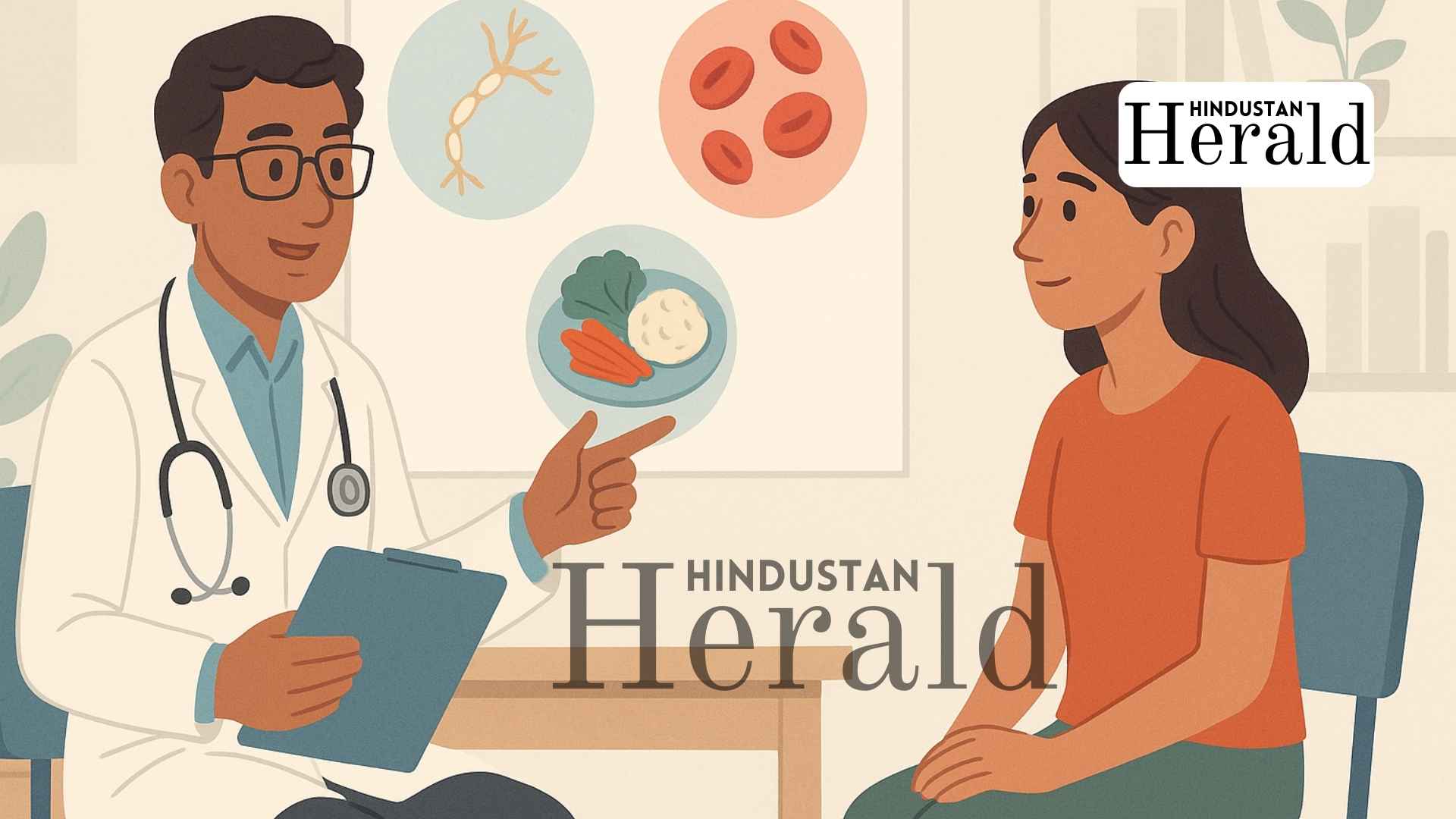
New Delhi, December 5: It started as a short post on Instagram. Priyanka Sehrawat, a neurologist trained at AIIMS, mentioned that many strict vegetarians she sees in clinic show signs of Vitamin B12 deficiency without realising how long it has been building. Nothing unusual for a doctor to say. Still, the reminder caught the wind. By midweek, the note had travelled through Hindustan Times, The Economic Times, Moneycontrol, and half a dozen health pages that usually keep their distance from technical nutrition debates.

Her point was simple. Plants do not carry Vitamin B12, and people who depend entirely on plant food often underestimate how slowly this particular deficiency creeps in.
A Problem That Looks Ordinary Until It Isn’t
Reports in Hindustan Times recount Sehrawat explaining that B12 shapes basic processes most people never think about. Red blood cells, nerve insulation, and even DNA work. When levels fall, the body sends signals that rarely look dramatic. They feel more like life is wearing you down. A longer bout of tiredness. Slight numbness. A pale look that friends sometimes comment on, but you ignore because there is too much going on.
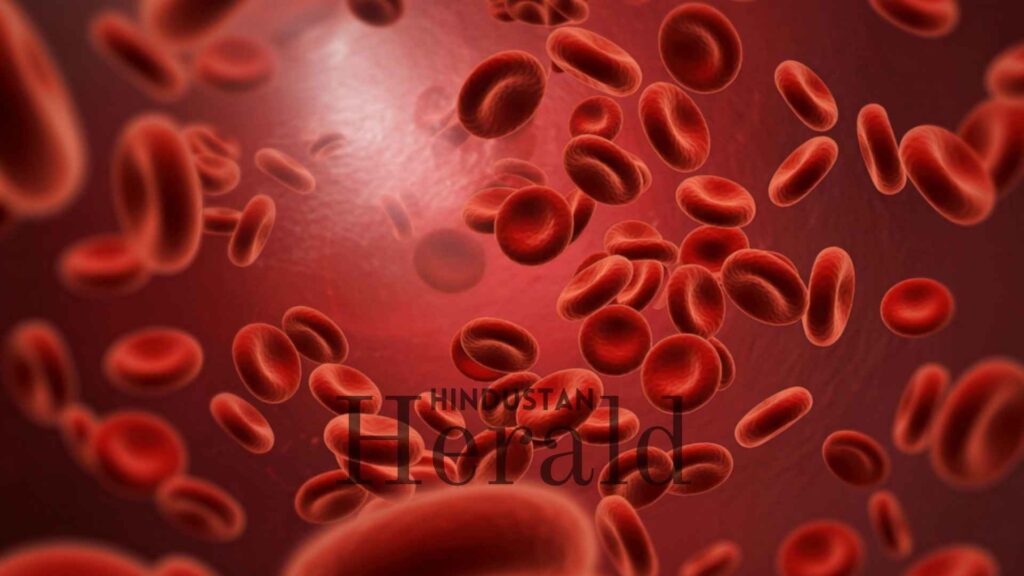
As covered by The Economic Times, these are exactly the clues doctors piece together when they realise the patient’s diet has been missing B12 for months or years. In tougher cases, people walk in with memory gaps or nerve discomfort, convinced it came from stress or age. Diet is often the last explanation they expect.
Why This Reminder Struck A Nerve Right Now
The timing explains part of the surge. A lot of young Indians are switching to highly curated diets, often plant-based, sometimes entirely vegan. Some do it for fitness, others for the planet. The trouble is that the enthusiasm grows faster than the understanding of what these diets demand.

So when an AIIMS doctor says, in effect, your food might be missing something essential, the story is going to land. By December 3 and 4, several outlets had placed the issue front and centre, turning a routine medical caution into a wider conversation about what India eats and what India assumes.
Research That Has Been Clear For Years
None of this is new in scientific circles. As Hindustan Times underlined again while reporting the warning, Vitamin B12 occurs naturally only in animal foods. That places vegetarians at a structural disadvantage unless they rely on fortified products or supplements.

Published research in PMC has shown this pattern across cultures. Vegetarians show higher deficiency rates, and the complications can run deep. Anaemia, nerve damage, and cognitive strain have all been documented. There is no dramatic headline in this. It is steady, established evidence.
Still, the practical message is not to abandon vegetarianism. It is to understand that it requires a different kind of planning than many households are used to.
A Second Voice From AIIMS Urges Slower Reactions
Just as the conversation swelled, Hindustan Times carried a second reminder from neurologist Rahul Chawla. He warned that numbness or tingling is not a reliable indicator of B12 status. They could stem from several unrelated medical issues. People often buy supplements first and ask questions later, and that habit frustrates clinicians who want to see a proper diagnosis before treatment starts.

Chawla’s point was steady. Check your B12 levels. Then decide. It is the sort of measured guidance that tends to get overshadowed by social-media instincts to fix everything quickly.
How People Can Actually Address The Gap
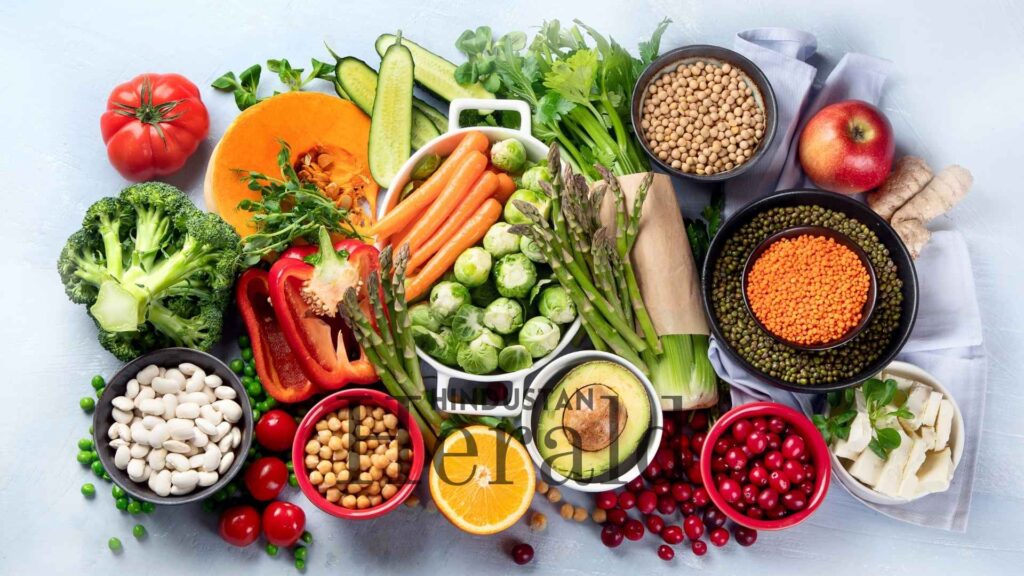
Experts quoted across Moneycontrol and other publications offered familiar solutions. Regular consumption of fortified cereals, plant milks with B12, or nutritional yeast can help. Those who include dairy or eggs have an easier path. Supplements remain an option, but ideally, after a doctor looks at your blood report and decides the dose.
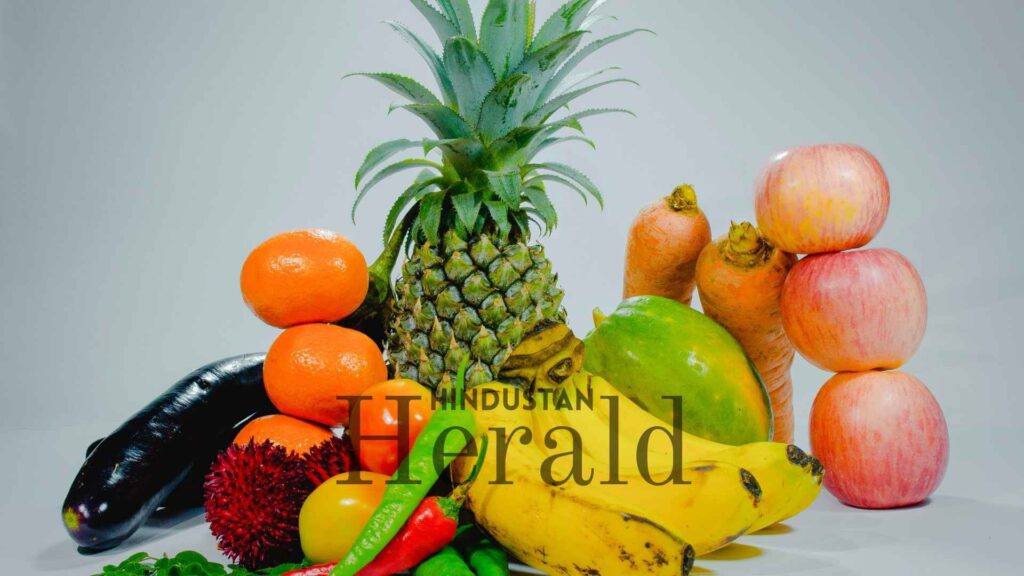
In short, there is no drama in the treatment. The real challenge is awareness.
India’s Diet Culture Makes This A Repeating Story
India is unusual. A large vegetarian population built on tradition sits alongside a rising group adopting vegetarianism for modern reasons. Added to that are non-vegetarians who still consume very little animal protein. All of this creates a fertile ground for B12 problems, even if people assume their home-cooked meals cover everything.
Public-health debates here tend to focus on protein shortages or iron deficiency, leaving vitamins to show up only when someone falls sick. The gap between dietary identity and nutritional reality is wider than most families acknowledge.
This week’s conversations only highlight that disconnect again. People are changing how they eat faster than they are learning what those choices cost nutritionally.
What We Can Say With Confidence Right Now
From the coverage so far, several points hold steady.
Strict vegetarians are at higher risk of Vitamin B12 deficiency because their diets do not naturally supply the vitamin. The consequences range from mild fatigue to problems involving blood and nerve function. Doctors are advising testing, fortified foods, and supplements when appropriate.
At the same time, symptoms alone are not enough to diagnose anyone. And supplements should not be the first step.
For now, the renewed warning feels like a gentle course correction. Vegetarianism remains central to India’s cultural life. But it works best when people understand what the body needs, not just what tradition or trends encourage.
Stay ahead with Hindustan Herald — bringing you trusted news, sharp analysis, and stories that matter across Politics, Business, Technology, Sports, Entertainment, Lifestyle, and more.
Connect with us on Facebook, Instagram, X (Twitter), LinkedIn, YouTube, and join our Telegram community @hindustanherald for real-time updates.

Public health researcher and science communicator translating complex topics into accessible insights.
- Dr. Ritu Malhotra

- Dr. Ritu Malhotra
- Dr. Ritu Malhotra
- Dr. Ritu Malhotra




 Ayesha Khan and Meera Banerjee
  Meera Banerjee
  Rajiv Menon and Meera Banerjee