
 By Ananya Sharma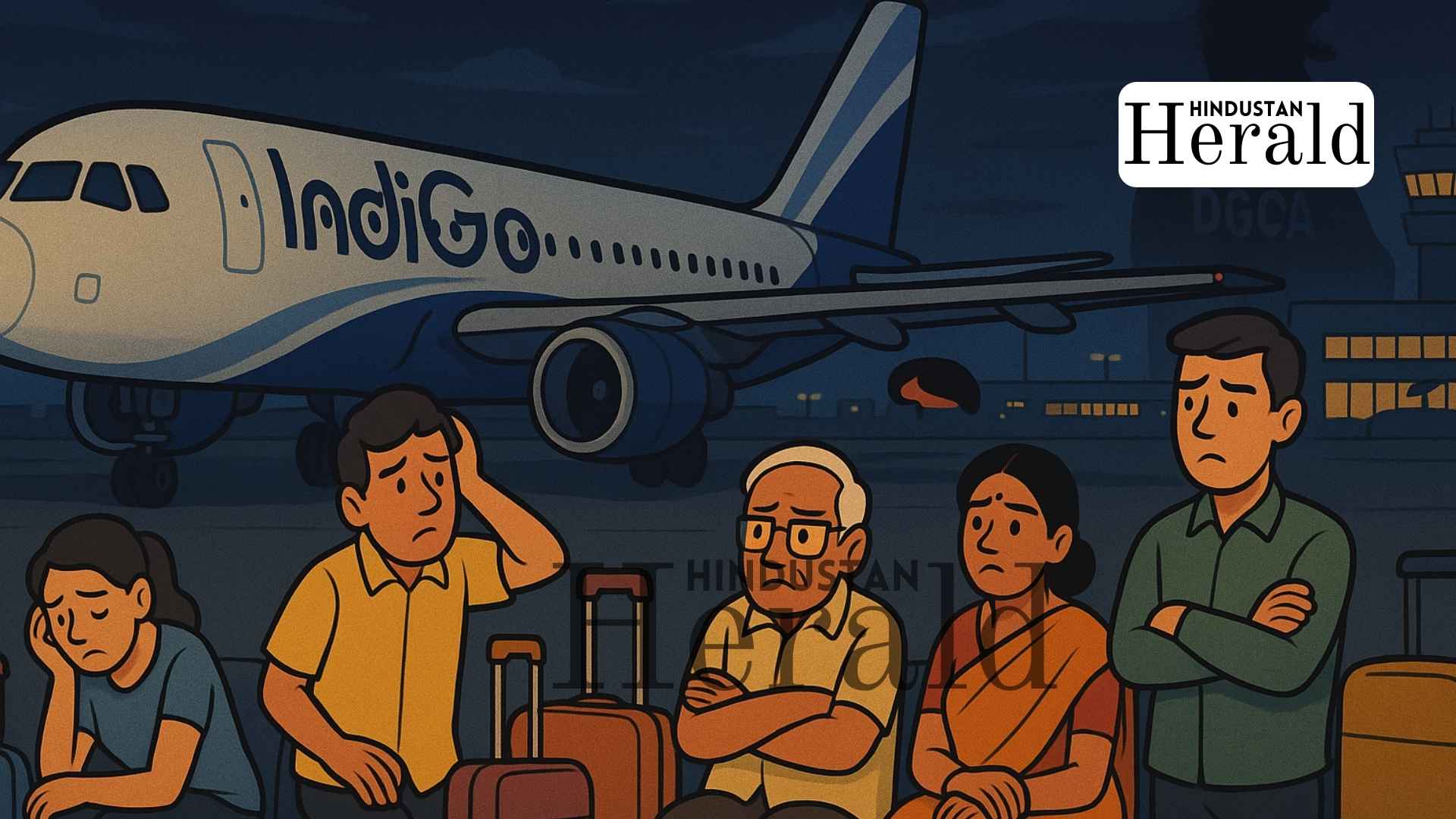
New Delhi, December 7: By early afternoon, you could feel the fatigue inside India’s big airports. Not just among passengers, but even the ground staff who kept repeating the same lines they had been giving out all week. IndiGo, the country’s largest carrier by far, once again cancelled hundreds of flights, and the mood slipped from irritation into something closer to resignation.
A Weekend That Looked Just Like The Week Before It
The numbers stayed stubbornly high. Around 650 flights were cancelled on Sunday, as Hindustan Times reported. IndiGo has a massive schedule on paper, roughly 2,300 flights, but according to The Indian Express, the airline expected only about 1,650 of those to actually take off.
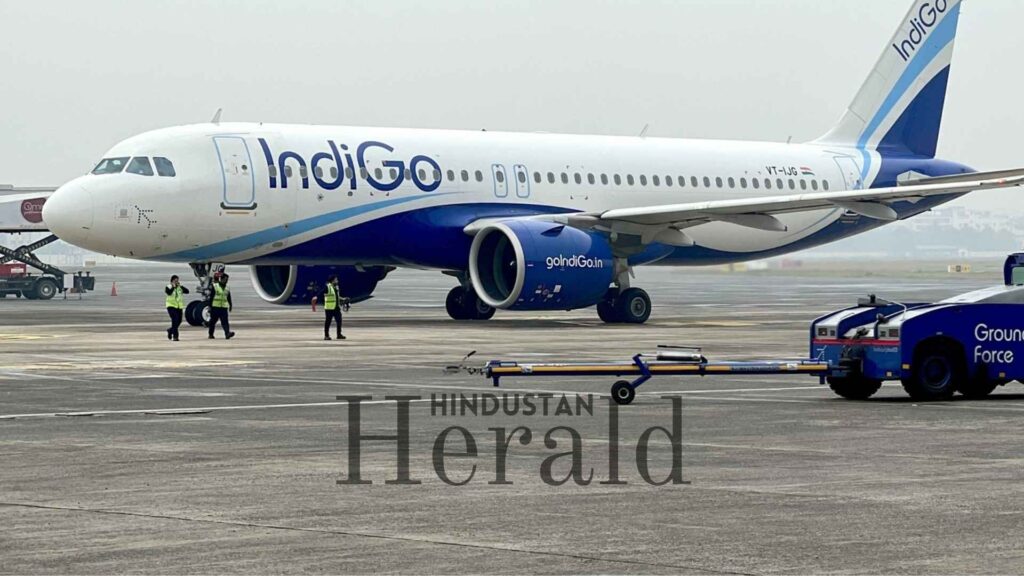
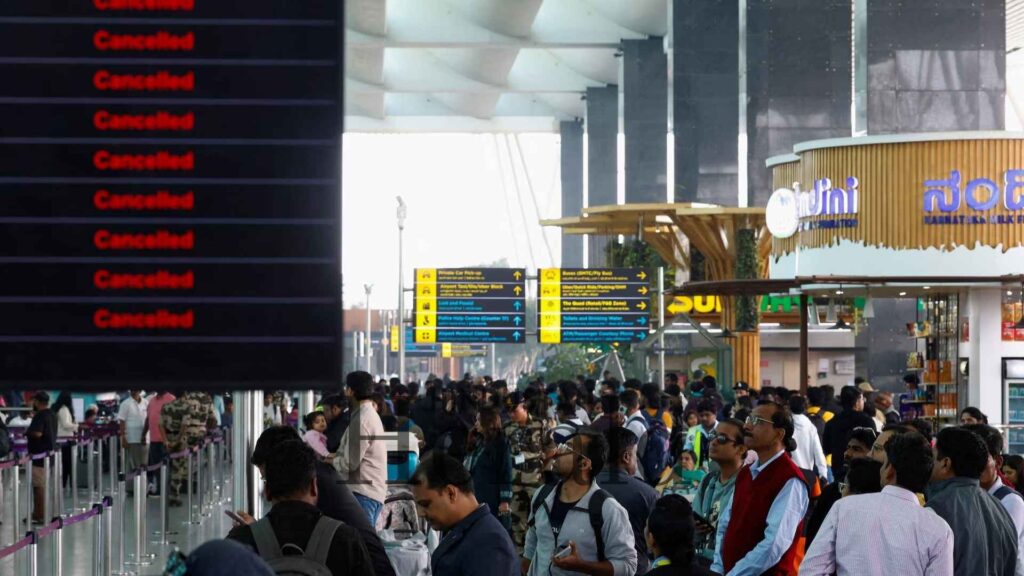
At the airports, nothing felt normal. The Federal counted 109 cancellations in Delhi, 112 in Mumbai, 115 in Hyderabad, 76 in Kolkata, and 38 in Chennai. At each of these terminals, a version of the same scene played out: long queues, people crouched on the floor with backpacks under their arms, screens flashing last-minute cancellations without any clear explanation.
One passenger in Delhi shook her head and laughed. She said she had already received three different messages about her flight, each contradicting the last. It wasn’t anger anymore. Just disbelief.
Regulator Issues A Notice That Sounds More Like A Warning
After nearly a week of chaos, the DGCA decided it had waited long enough. The regulator sent a show-cause notice to CEO Pieter Elbers and the airline’s accountable manager, asking them to explain why operations had slumped so dramatically and for so long. The Economic Times said the notice gives them only 24 hours, which is not a lot of time to justify a breakdown of this scale.
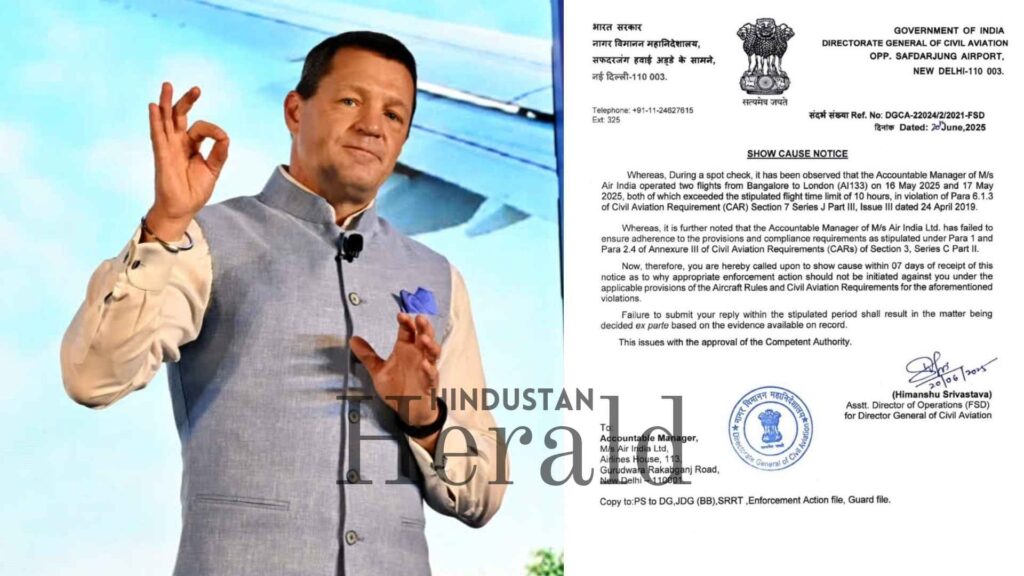
The DGCA also pulled a few levers that hit the airline directly. By 8 PM Sunday, all refunds must be issued. Stranded baggage needs to be returned within two days. And no charging passengers for rebooking. These are not gentle nudges. They are public signals that the regulator wants answers, not promises.
People familiar with the ministry’s thinking admitted privately that they were surprised things hadn’t turned around yet. They expected a difficult adjustment to the FDTL rules, but not something that would squeeze the entire domestic network like a vise.
Government Wants Quick Fix, IndiGo Wants A Bit More Time
IndiGo has been trying to sound upbeat. It told The Economic Times it is “increasingly confident” of restoring normal operations by December 10. But the Ministry of Civil Aviation, as The Times of India noted, has said it expects the airline to sort things out in two days, not ten. The gap between those timelines is telling.
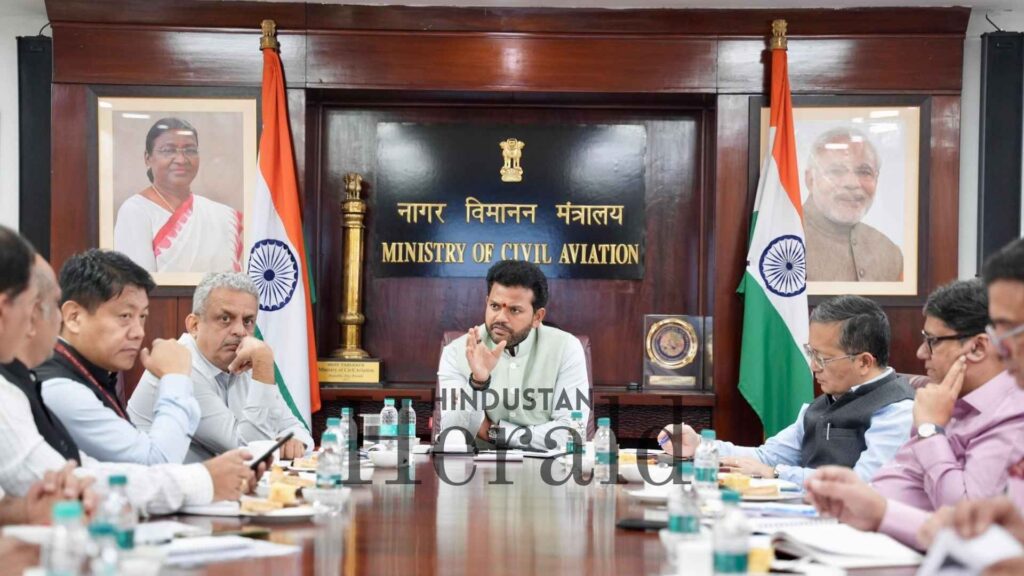
Sensing how deeply the crisis has dug in, IndiGo’s parent company has built a Crisis Management Group. According to The Indian Express, the group is mapping out crew shortages and adjusting flight plans almost hour by hour. Even so, insiders admit that the airline is juggling fatigue limits, last-minute aircraft swaps, and a winter schedule that offers little breathing room.
Parliament Steps In, Sensing Bigger Fault Lines
When an airline cancelling hundreds of flights becomes an everyday headline, lawmakers get involved. The Parliamentary Standing Committee on Transport, Tourism and Culture now wants to call executives from all airlines, along with DGCA and ministry officials, as reported by The Times of India. The cancellations may have started with IndiGo, but they’ve uncovered broader questions about how India’s aviation system is built and who is accountable when it cracks.
Several MPs, even those not on the committee, privately said they were troubled by how dependent the system has become on a few large operators. When one of them stumbles, the rest collapse into the domino.
The Safety Rules That Set Off The Spiral
At the centre of the storm are the newly tightened Flight Duty Time Limitation (FDTL) rules. Reuters explained how the changes increase mandatory rest periods for pilots and restrict a range of overnight duties. Pilot unions have pushed for these rules for years, warning of fatigue and near-misses that rarely made headlines.
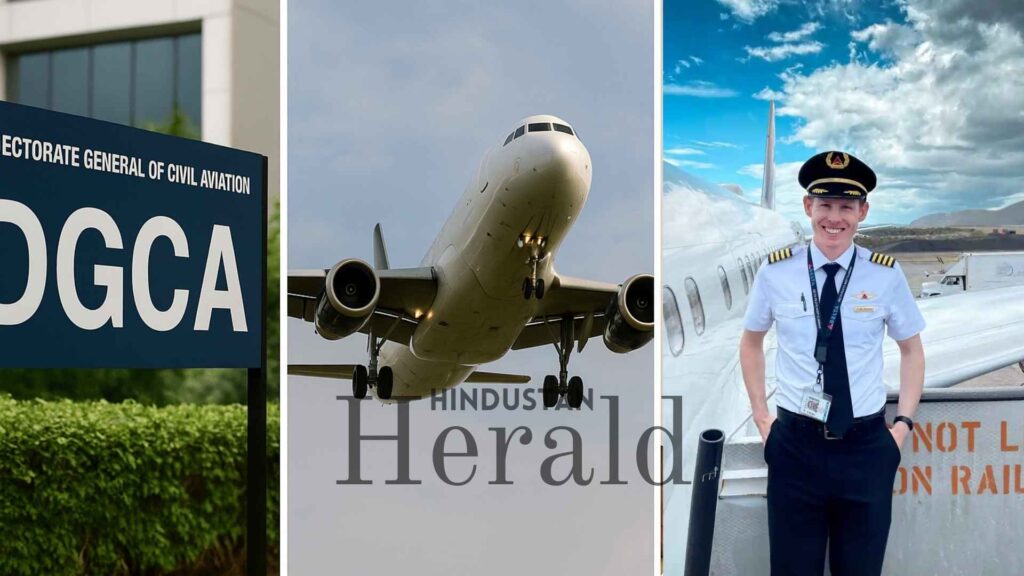
But IndiGo, because of how densely its network is packed and how tightly it runs crew schedules, felt the impact the hardest. Analysts told The Indian Express that the airline simply didn’t have enough buffer in its roster to absorb the new restrictions. Once fatigue hours expanded, crew availability collapsed. And once that happened, even a small weather delay or a routine technical issue triggered a cascade.
IndiGo pointed to those other factors too: technical glitches, winter congestion, spotty weather. On a normal day, any one of them is manageable. Mix them during a crew shortage, and the system jams.
The DGCA tried helping by offering temporary exemptions for its A320 operations, as The Times of India reported. But it wasn’t enough to plug the holes.
Travellers Carry The Heaviest Load
For passengers, the crisis has been a test of patience. Refunds have been inconsistent. Baggage delays became so common that travellers started swapping tips on social media about which desk to approach first. Families with elderly relatives were stranded at airports past midnight because no one could clearly say whether rebooking would help.
The government reached out to railways and other carriers to create some temporary alternatives. India Today reported that special trains and extra flights were arranged where possible. But when a carrier as large as IndiGo slips, the gap is too large for anyone else to fill neatly.
A Hit To IndiGo’s Image That Will Not Fade Quickly
IndiGo built its reputation slowly, on punctuality and predictable service. For many business travellers, choosing the airline wasn’t a decision; it was a habit. This week has shaken that trust. Investors are watching closely too. As The Economic Times observed, the disruptions have raised questions about workforce planning, risk buffers, and whether the airline pushed its lean model a bit too far.
The DGCA itself faces scrutiny now. Critics argue the regulator must be more proactive, especially when major rule changes are involved. The upcoming parliamentary inquiry will force those debates into the open.
A Crucial Few Days Ahead
Everything comes down to the next 48 hours. IndiGo must piece together a schedule that no longer breaks under the strain of the new rules. It must manage its crew without risking fatigue violations. It must calm passengers who no longer believe the reassurances. All while the government stands over its shoulder, waiting for proof that the worst is over.
At Delhi airport on Sunday evening, a man stared at a departure board that had just changed his flight status from delayed to cancelled. He sighed, folded the printout he was holding, and said he’d “just take the train.” It wasn’t anger. Just exhaustion.
For now, that seems to sum up the country’s mood.
Stay ahead with Hindustan Herald — bringing you trusted news, sharp analysis, and stories that matter across Politics, Business, Technology, Sports, Entertainment, Lifestyle, and more.
Connect with us on Facebook, Instagram, X (Twitter), LinkedIn, YouTube, and join our Telegram community @hindustanherald for real-time updates.

Covers Indian politics, governance, and policy developments with over a decade of experience in political reporting.
- Ananya Sharma

- Ananya Sharma
- Ananya Sharma
- Ananya Sharma




 Arun Upadhayay
  Sandeep Verma