
 By Ayesha Khan
New Delhi, December 10: Parliament went deep into the evening this week over Vande Mataram, stretching a session that was meant to be symbolic into nearly ten hours of back and forth. It began quietly enough. A few speeches, some historical references, and the usual nods to the freedom struggle. Then the room warmed up. Members started circling familiar political territory, pulling the song into arguments that had very little to do with its author or its age.
The entire day was supposed to mark 150 years since the song first appeared in print, a milestone the government treated with visible ceremony. Yet the longer the discussion carried on, the more it felt like the House was working through a different set of issues altogether, ones that had been simmering through multiple sessions.
What Started As A Tribute Didn’t Stay That Way
From the treasury benches came grand statements about heritage and identity. Some ministers spoke with the sort of cadence they usually reserve for Independence Day events. Rajnath Singh, for instance, repeated a sentiment he has voiced before, that the song has been misunderstood or sidelined and deserves a brighter public place.
Across the aisle, the mood was much edgier. A handful of MPs from the TMC and Congress kept circling back to a single point: why now? With elections coming up in West Bengal, they suggested the ruling party was pushing cultural themes that tend to resonate sharply in that region. And as the hours passed, the suspicion only grew. Every few minutes, someone stood up to steer the debate toward unemployment numbers or rising prices, only to be pulled back again into a conversation about nationalism.
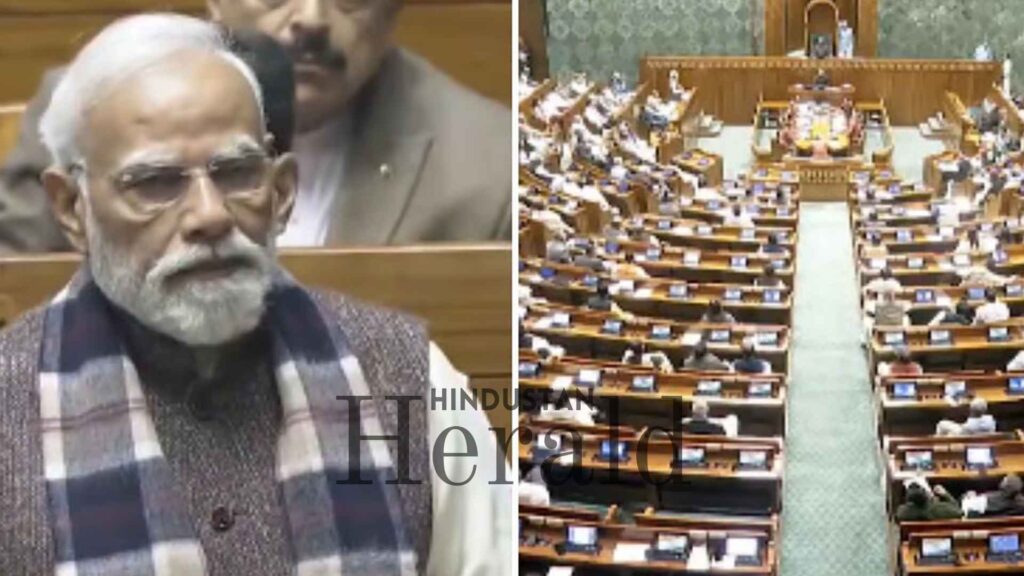
People who have followed Parliament for years would recognise the rhythm. A big historical subject enters the room, but within half an hour, the discussion drifts to the unresolved tensions of the present.
Then Vishal Dadlani Logged In, And The Conversation Tilted
The most surprising voice didn’t come from the House at all. It came from Vishal Dadlani, who posted a short, slightly weary-looking video questioning whether a ten-hour session on a symbolic subject was the best use of Parliament’s time.
According to reporting from Loksatta, he pointed out the obvious things people talk about over dinner tables and office commutes: rising pollution, rising joblessness, even the ongoing mess with IndiGo, which has left passengers stuck in airports across several cities this month. All real issues that he said deserved the kind of time and energy MPs had just spent on a song.
And then he mentioned the cost. Not metaphorical cost, actual rupees. Rs 2.5 lakh per minute, by his reckoning, which turns a ten-hour session into roughly Rs 15 crore of parliamentary expenditure. The number landed hard because it was simple enough for anyone to understand immediately. One doesn’t need political leanings to feel uneasy about it.
Within hours, the clip was everywhere, not because he is a celebrity, but because the criticism sounded unfiltered and plainly human.
The Song’s History Still Matters, But So Do People’s Lives
It’s impossible to deny the emotional charge Vande Mataram carries. It was sung in underground meetings during the colonial years and banned often enough that rebellious teenagers would seek it out for precisely that reason. To many older Indians, it is a sound of defiance, not just devotion.
But the song also sits in a complicated corner of post-Independence politics. Different governments have used it to mean different things. For some, it is cultural memory. For others, it carries ideological weight. Which is why this anniversary, though significant, was always going to stir more than quiet remembrance.
Inside Parliament, a few lawmakers tried to move beyond the familiar debates. Some spoke of teaching schoolchildren where the song actually came from, beyond the version they hear in assemblies. Others suggested state legislatures take up their own commemorations. These weren’t the speeches that went viral, but they were the more grounded ones.
Even so, each time someone on the opposition benches brought up jobs or prices, the House shifted tone. A few members sighed loudly. Others responded with phrases that seemed prepared in advance. After a point, the debate had the feel of two separate conversations happening in the same room, neither fully acknowledging the other.
A Country Listening, And Growing A Little Restless
India’s public reaction has been a mix of pride, fatigue, and impatience. Many people admire the song and understand its place in history. They also worry that Parliament, which is already stretched thin on working days, cannot afford sessions that leave pressing issues untouched.
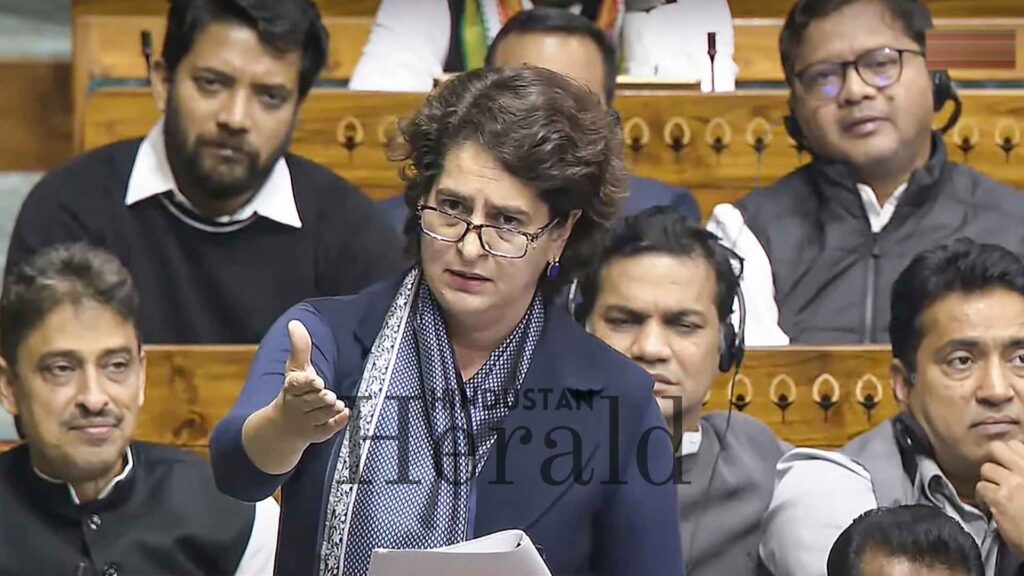
Dadlani’s critique tapped directly into that feeling. He wasn’t arguing against the song, or even the idea of marking its anniversary. He was asking what comes first when the country is struggling with economic anxiety and environmental distress. It is a question that does not vanish just because a session ends.
The government is unlikely to rethink its approach to cultural observances. It has leaned on them often and will probably continue to do so. The opposition, sensing energy around the criticism, will keep pressing the argument that symbolism has crowded out policy.
Yet the deeper takeaway is simpler. People want Parliament to spend its time in a way that feels connected to their own day-to-day reality. Ten hours on a historical tribute may be meaningful on paper, but if the public sees no link between those speeches and their own problems, frustration is inevitable.
And sometimes it takes someone outside politics, speaking without caution or calculation, to make that frustration visible.
Stay ahead with Hindustan Herald — bringing you trusted news, sharp analysis, and stories that matter across Politics, Business, Technology, Sports, Entertainment, Lifestyle, and more.
Connect with us on Facebook, Instagram, X (Twitter), LinkedIn, YouTube, and join our Telegram community @hindustanherald for real-time updates.

Covers films, television, streaming, and celebrity culture with a focus on storytelling trends.
- Ayesha Khan

- Ayesha Khan
- Ayesha Khan
- Ayesha Khan