
 By Kavita Iyer and Sandeep Verma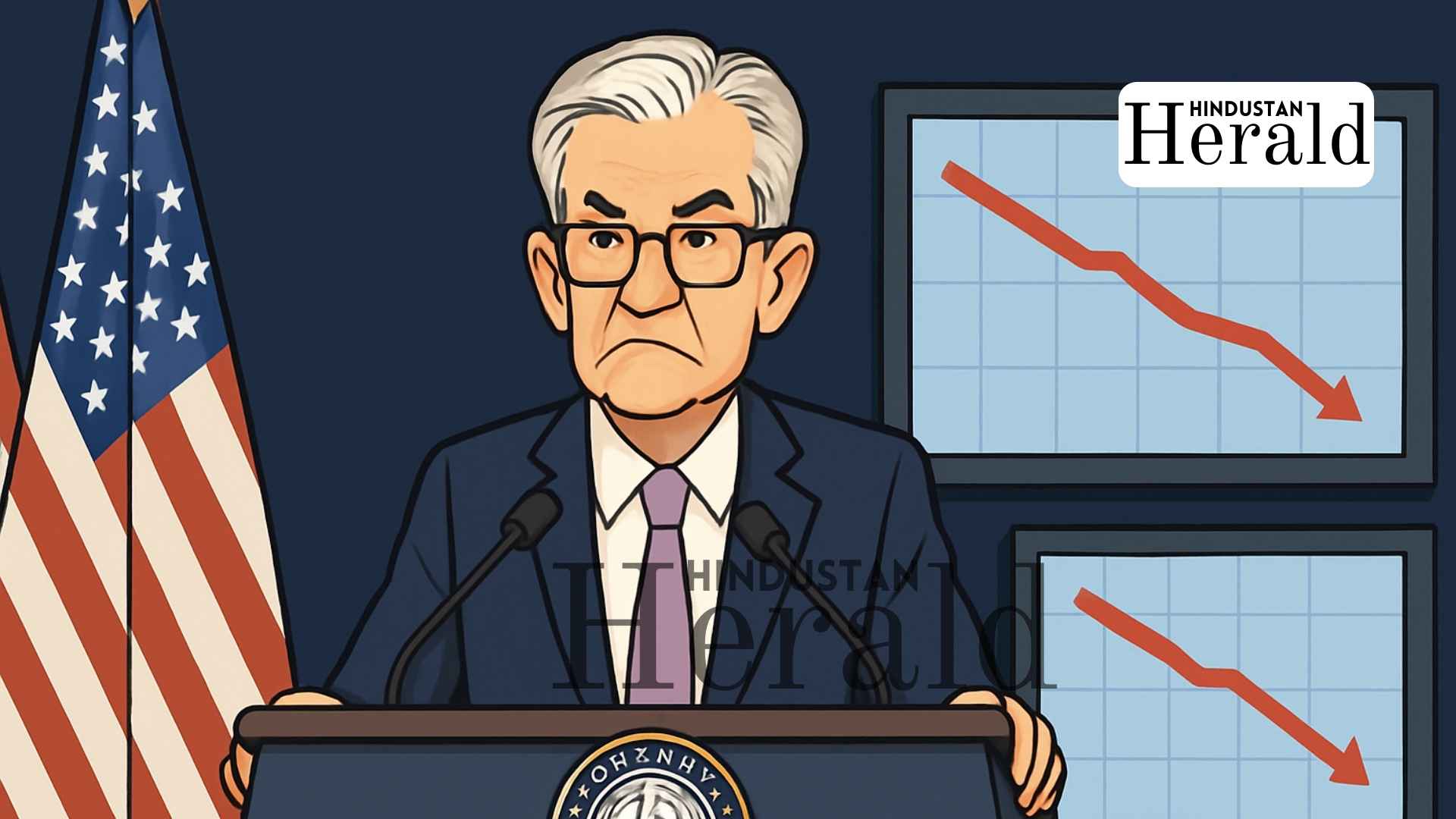
New Delhi, December 11: The US Federal Reserve trimmed interest rates by 25 basis points this week, pulling the federal funds range down to 3.50 to 3.75 percent. It is the third cut of the year and, as The Wall Street Journal pointed out, the lowest level Americans have seen in almost three years. The move did not shock markets. Traders had been expecting it for days. Still, the mood inside the central bank was anything but settled.
The vote was 9 to 3, a split that has not appeared in years. That sort of discord usually signals that the Fed is wrestling with deeper concerns than its public messaging suggests. Some members were clearly uncomfortable cutting again. Others, according to the Journal, argued the opposite and pushed for a heavier hand to guard against slowing growth. The disagreement hung over the decision like a fog.
A Decision Made In Uncertain Light
What complicates matters further is that the Fed is operating with less clarity than usual. Business Insider described the cut as expected, but the path leading up to it was marked by patchy data and conflicting indicators. Inflation has eased but not quickly. The labour market still looks firm on paper, yet wage trends have been wobbling.
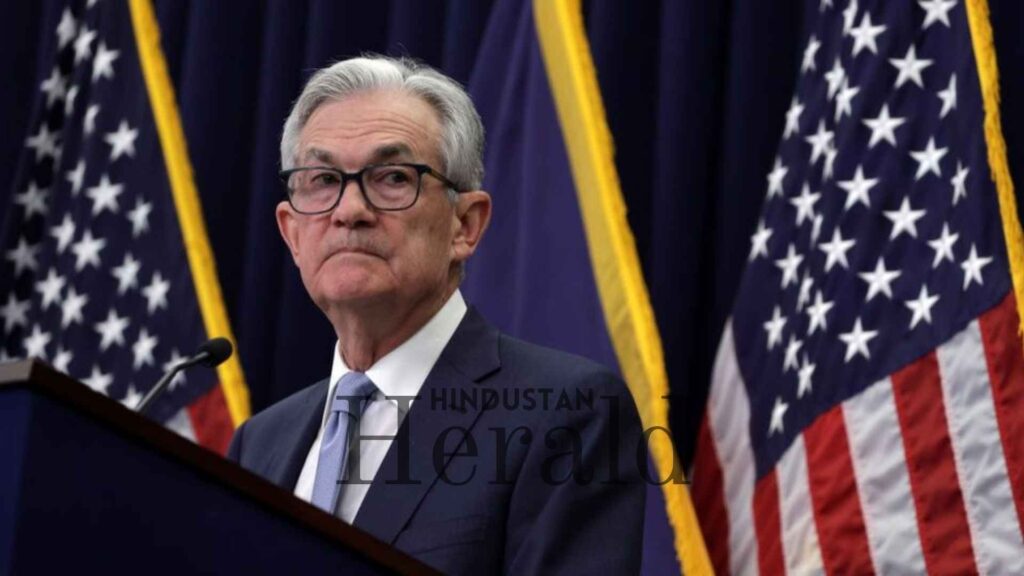
In its official statement, the Fed acknowledged these tensions. Members could not agree on whether the economy needed a pause or more support. And as Reuters reported, the central bank is dealing with a period of data darkness, thanks to delays in key government releases and shifting leadership responsibilities. When a central bank cannot see the road clearly, it tends to place its feet more carefully. The December cut reflects that caution.
Powell Chooses His Words Carefully
Jerome Powell has always tried to keep his language steady, and this time he sounded almost protective of the Fed’s flexibility. He reaffirmed the commitment to bringing inflation back to the two percent mark and to avoiding damage to jobs. But he stopped short of promising anything more. No timeline. No hint of urgency.
That said, Powell’s careful tone also shows how divided the institution is right now. The Fed is not speaking with one voice. It cannot. After two years of rapid tightening and a swift pivot toward cuts, officials are struggling to read an economy that refuses to behave predictably. Some worry they are easing too quickly. Others fear that waiting too long will push the economy into a corner.
Markets Cheered, But The World Took A Breath
Wall Street barely hesitated. Stocks climbed sharply, with Reuters noting strong gains across major indices. Investors, for now, are happy to take cheaper borrowing costs at face value.
Outside the United States, reactions were much more uneven. AP News reported that Asian markets moved in different directions, influenced as much by local pressures as by the Fed’s decision. China’s recovery issues, Japan’s inflation surprises, and currency strains across emerging markets all shaped how traders responded. The Fed cut might offer relief, but its message of caution kept global markets from celebrating too loudly.

For India, the effect is likely to be mixed. Softer US rates can take some pressure off the rupee, often strengthening foreign investor appetite for Indian debt. But uncertainty about the Fed’s next steps tends to hold back aggressive positioning. The RBI will now face pointed questions about how it reads the global cycle heading into its next review.
Looking Toward 2026 With More Questions Than Answers
The most telling detail did not come from the rate decision itself but from the Fed’s dot plot. As Reuters reported, officials signalled that 2026 may see fewer cuts than markets had once hoped for. It is not a firm prediction. Dots rarely are. But it reflects a central bank that is no longer confident about the speed or direction of the easing cycle.

For now, this December cut could be the last one for a while. Nothing in Powell’s tone suggested urgency. The Fed wants better data, cleaner labour readings, and firmer proof that inflation is staying down. Until then, it will wait.
The bigger question is whether the United States can achieve a soft landing without further assistance from monetary policy. After months of mixed signals and shifting expectations, the Fed is trying to guide an economy that feels stable on some days and fragile on others. The next few months may decide whether this year’s cuts were enough or merely a pause in a longer fight.
Stay ahead with Hindustan Herald — bringing you trusted news, sharp analysis, and stories that matter across Politics, Business, Technology, Sports, Entertainment, Lifestyle, and more.
Connect with us on Facebook, Instagram, X (Twitter), LinkedIn, YouTube, and join our Telegram community @hindustanherald for real-time updates.

Former financial consultant turned journalist, reporting on markets, industry trends, and economic policy.
- Kavita Iyer

- Kavita Iyer
- Kavita Iyer
- Kavita Iyer





Regional journalist bringing grassroots perspectives and stories from towns and cities across India.
- Sandeep Verma
- Sandeep Verma
- Sandeep Verma
- Sandeep Verma


 Sandeep Verma and Kavita Iyer
  Arun Upadhayay