
 By Ananya Sharma
Bengaluru, December 13: The moment the Karnataka Hate Speech and Hate Crimes (Prevention) Bill, 2025, was taken up in the Assembly, the temperature in the House changed. MLAs who had sat through routine business suddenly found their feet. Voices rose. The aisle lines hardened. This was not legislation headed for a quiet passage.
Tabled on December 10 during the Winter Session, the bill proposes some of the toughest punishments Karnataka has ever attached to speech-related offences. Non-bailable charges. Prison terms stretching up to 10 years. Powers to pull down online content. By the end of the first day, it was clear the fight was no longer just about hate speech. It had become a test of how much authority the state should have over what people say, write, and post.
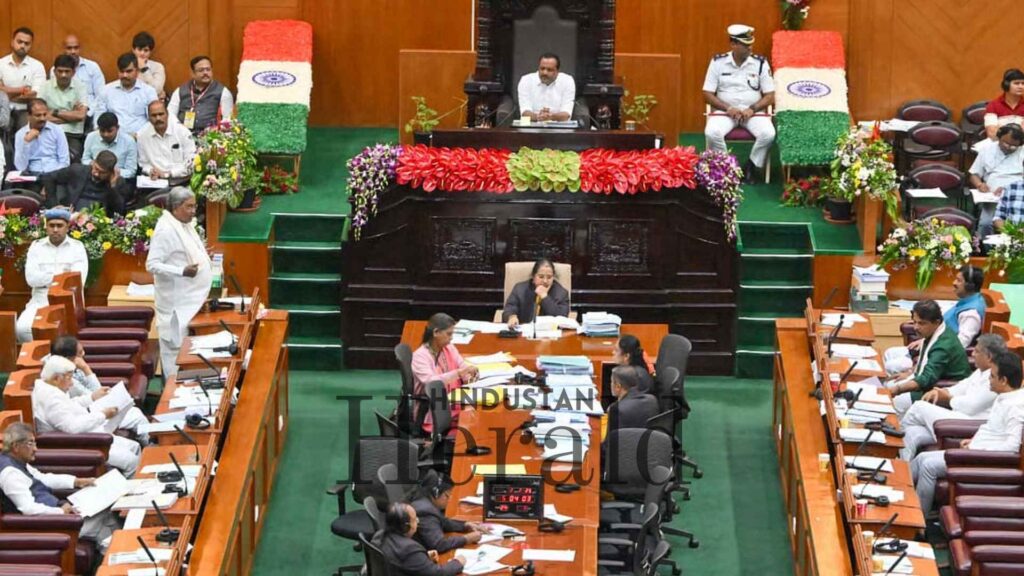
The bill has not yet been passed. Debate is ongoing. But politically, the damage and the divisions are already visible.
What The Bill Actually Says
Away from the noise, the text of the bill is direct. As explained by NDTV and The News Minute, it defines hate speech as any form of expression that is intended to cause, or is likely to cause, hatred, disharmony, ill-will, or violence against individuals or groups.
The range of protected identities is wide. Religion, caste, community, gender, sexual orientation, language, place of birth, disability, and tribe are all included. The government’s position is that hate today rarely targets one identity alone, and the law needs to reflect that reality.
Punishment is where the bill breaks from precedent. A first conviction can mean one to seven years in jail, plus a fine. A repeat offence can push the sentence to 10 years. Every offence under the bill is cognizable and non-bailable.
In practical terms, this hands significant power to the police and sharply narrows immediate relief for the accused.
There is also a digital arm to the law. Authorities would be able to order the removal or blocking of online content considered hateful. In a state where political mobilization increasingly happens on social media, this provision has drawn intense scrutiny.
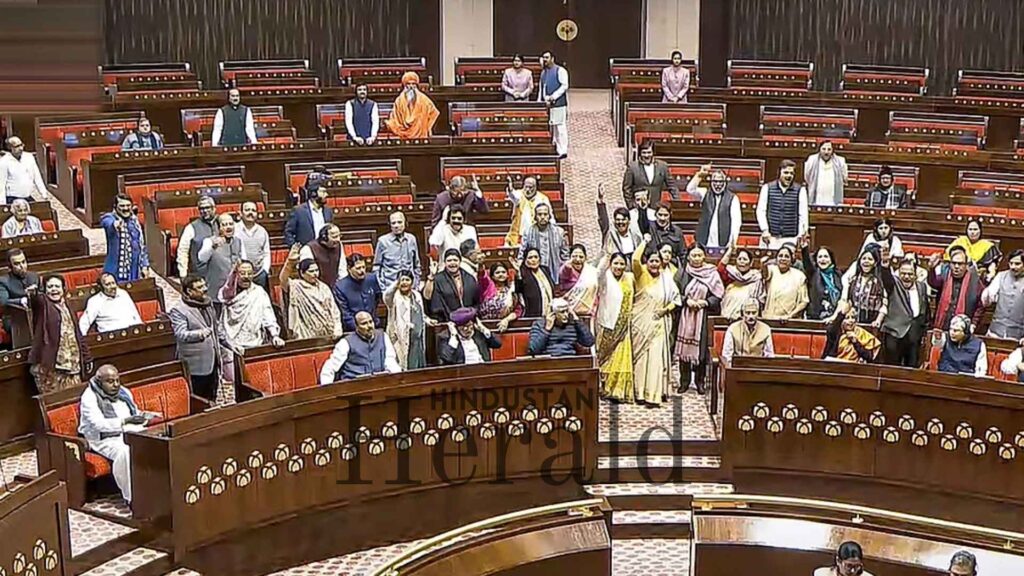
According to PRS Legislative Research, the stated goal is to prevent hate-driven violence and maintain public order. Whether the cure is worse than the disease is what the Assembly is now grappling with.
Why Congress Is Standing Its Ground
The Congress government has shown little sign of retreat. Deputy Chief Minister D.K. Shivakumar has taken on the role of chief defender, arguing that hate speech has been allowed to fester for too long.
Quoted by Punjab News Express, Shivakumar said the bill was about protecting society, not policing opinion. He accused the BJP of pretending to discover free speech concerns only when regulation threatens their political comfort.
There is also a quieter calculation at play. Karnataka has seen repeated flashpoints over communal messaging, misinformation, and targeted abuse, particularly during election cycles. The Congress believes existing laws have not acted as a deterrent.
Notably, the government has avoided citing specific cases as justification. That restraint has kept the bill legally neutral, but it has also fed the opposition’s argument that the law is overly broad.
BJP’s Resistance And The Fear Of A Chilling Effect
The BJP has responded with outright opposition. On December 13, Union Minister Pralhad Joshi warned that the bill could turn speech into a minefield. As reported by AP7AM, Joshi said fear of long jail terms would silence not just extremists but ordinary citizens.

Inside the Assembly, BJP MLAs have vowed to block the bill. Their core argument is simple. When definitions are wide and punishments severe, enforcement becomes subjective.
According to The Economic Times, the party believes the law could be used selectively against critics of the government. While the bill does not mention political speech, the opposition says that in practice, politics is rarely kept out of policing.
There is also a national dimension. If Karnataka passes this law, it could set a template. Other states may follow. That possibility has raised the stakes.
Civil Society’s Uneasy Middle Ground
Outside the Assembly, reactions have been more measured, but no less serious. Lawyers, civil liberties groups, and digital rights activists have not denied the harm caused by hate speech. Many have seen its consequences first-hand.
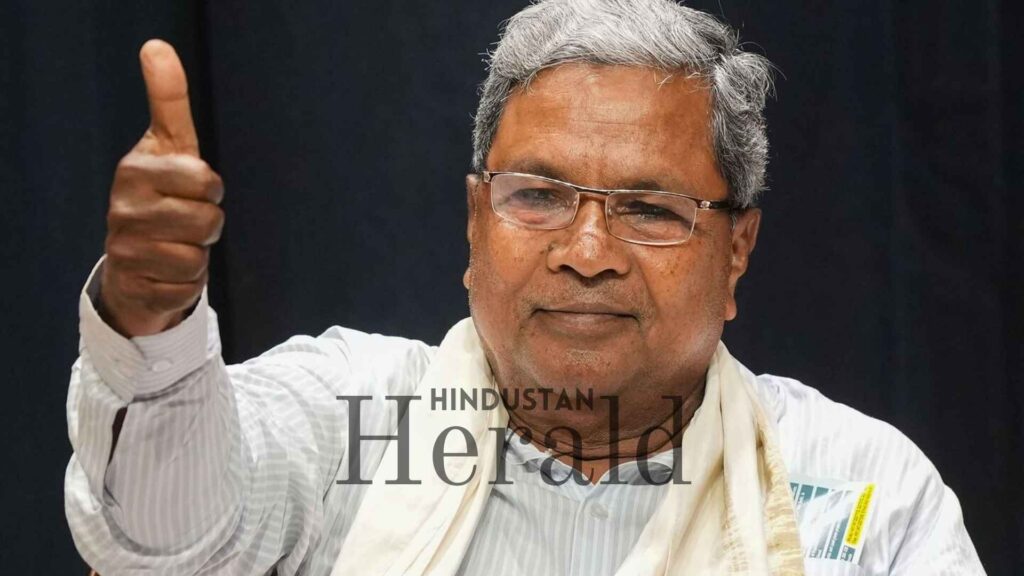
Their concern is about how the bill is framed.
As reported by The News Minute and The Indian Express, three issues keep coming up. First, the language. Terms like “disharmony” and “ill-will” are open-ended. Critics say this gives too much discretion to authorities.
Second, punishment. Non-bailable offences with long prison terms are usually reserved for violent or economic crimes. Applying them to speech raises questions under Article 19.
Third, online takedowns. Without independent oversight, there is a risk that content removal becomes a blunt instrument.
At the same time, some activists acknowledge an uncomfortable truth. Hate campaigns have led to real violence. Doing nothing is not an option either.
Is This About Power Or Prevention
The opposition has repeatedly accused the government of political intent. On paper, the bill does not support that claim. As NDTV and The Indian Express have noted, it does not target political parties or leaders.
But India’s legal history has made people skeptical. Laws written in neutral language have often been enforced unevenly.
That is where the argument now sits. The government is asking for trust. Critics are asking for safeguards.
Why This Moment Matters
Karnataka’s choices rarely stay within its borders. The state is influential, digitally active, and politically watched.
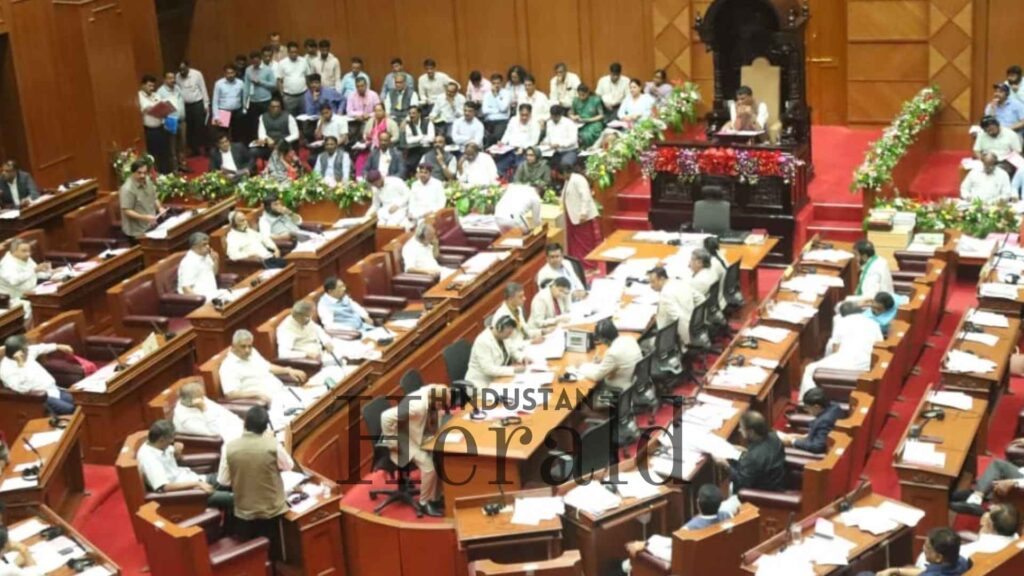
If the bill passes in its current form, it will almost certainly face constitutional challenges. Courts may once again be asked to draw the line between free expression and state control.
Beyond India, the law will be read alongside growing scrutiny of speech regulation. Supporters will call it protection. Critics will call it censorship.
What Comes Next
As of December 13, 2025, the Karnataka Hate Speech and Hate Crimes (Prevention) Bill remains under debate. It must still clear legislative hurdles before becoming law.
Whether the government chooses compromise or confrontation will shape not just this bill, but the political climate around it.
For now, the House is divided, tempers remain high, and the question at the centre of it all has no easy answer. How does a democracy curb hate without hardening into control?
Stay ahead with Hindustan Herald — bringing you trusted news, sharp analysis, and stories that matter across Politics, Business, Technology, Sports, Entertainment, Lifestyle, and more.
Connect with us on Facebook, Instagram, X (Twitter), LinkedIn, YouTube, and join our Telegram community @hindustanherald for real-time updates.

Covers Indian politics, governance, and policy developments with over a decade of experience in political reporting.
- Ananya Sharma

- Ananya Sharma
- Ananya Sharma
- Ananya Sharma




 Arun Upadhayay
  Sandeep Verma