 By Prakash Nair
Gumi, December 23: On a wet, subdued evening in South Korea, with rain settling stubbornly over an almost empty stadium, Jyothi Yarraji did what champions often do. She shut out the noise. Or in this case, the silence.

India’s premier hurdler defended her women’s 100m hurdles title at the Asian Athletics Championships, stopping the clock at 12.96 seconds, a championship record and her first sub-13 run of the season. The race unfolded across December 22 and 23 in Gumi, and while the conditions were far from ideal, the result was unmistakable. Yarraji had arrived with expectations trailing her. She left with confirmation. She remains the athlete to beat in Asian women’s sprint hurdling.
Jyothi Yarraji Winning When Conditions Are Against You
The rain mattered. Athletes will tell you that. A slick track changes everything, especially in hurdles, where rhythm can unravel in an instant. Add sparse spectators and late-night scheduling, and the setting could have easily dulled intensity.
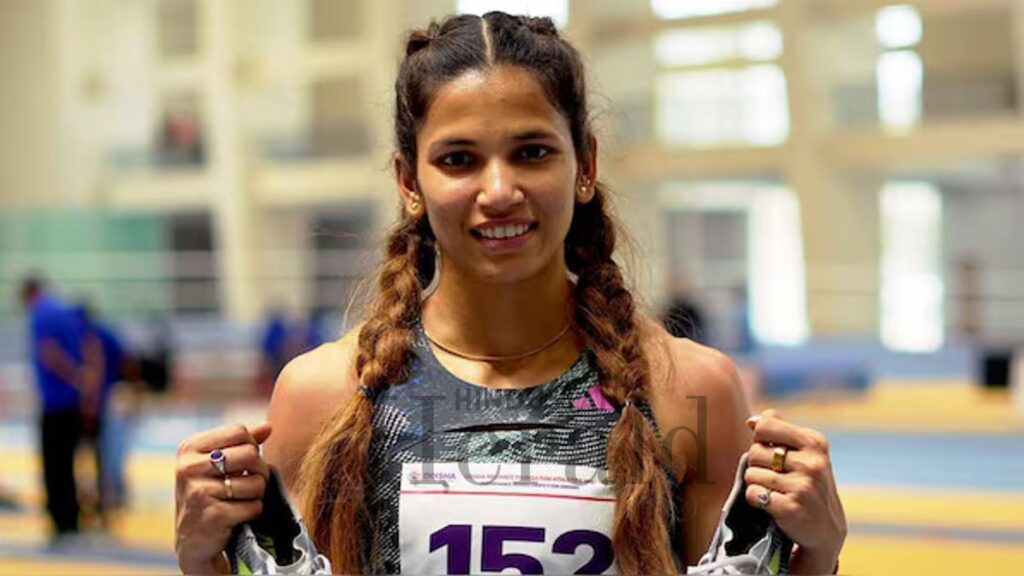
Yarraji never let it. From the blocks, she looked composed rather than explosive, settling quickly into her stride pattern. Midway through the race, it was clear she had made a conscious technical choice, reverting to an eight-stride approach between hurdles. The decision was not cosmetic. It was protective. Last season’s Olympic push had left her managing physical strain. This year, there was no appetite for recklessness. The eight strides gave her control, reduced stress on the hamstring, and allowed her to finish cleanly. By the final hurdle, the race was effectively decided.
She crossed in 12.96, hands raised briefly, expression more relieved than celebratory.
Yarraji Create A Record That Means More Than A Time
On paper, the number matters. It is the fastest ever recorded at the Asian Championships. For Yarraji, it carried deeper weight. This was her first sub-13-second performance of the year. The barrier is psychological as much as physiological. She had been close earlier in the season, careful not to overextend after dealing with a nagging hamstring issue. The question had lingered quietly. Would the speed return when it mattered?

It did. And it arrived at precisely the right moment.
This gold also makes her the only Indian woman to win multiple medals in the 100m hurdles at the Asian Championships, following her breakthrough title in 2023. In a sport where Indian athletes have often struggled to sustain continental dominance, the achievement stands out.
Calm Execution Over Flash
Those who know Yarraji’s racing style were not surprised by how she won. There was no theatrical lean, no desperate lunge at the line. Just clean hurdling and control. Her coach, James Hillier, later pointed to the discipline behind the run. According to him, the final hours before the race were spent discussing risk, not speed. Rain changes mechanics. Championships punish impatience.
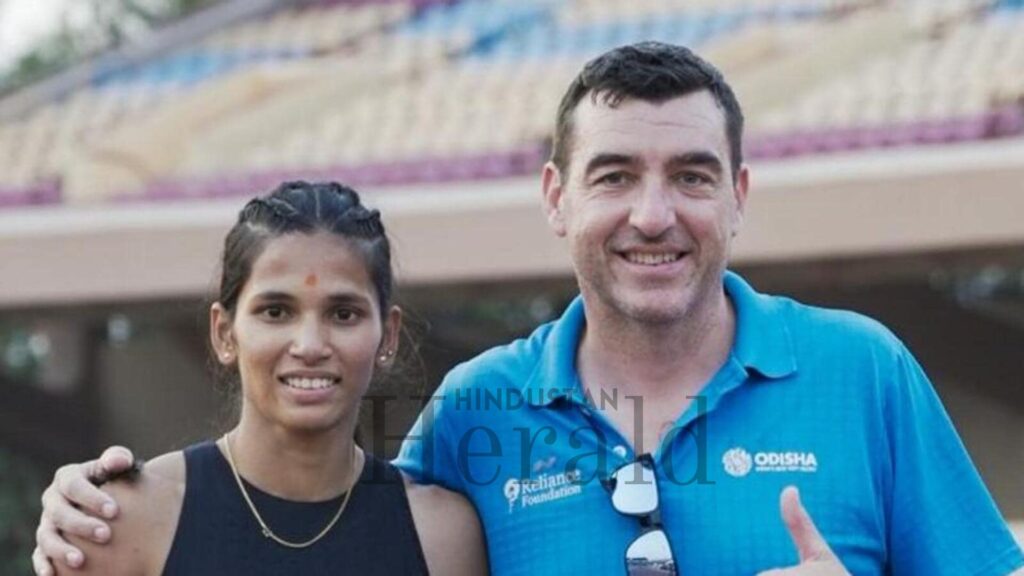
The plan was simple. Get through the first half safely. Hold rhythm. Finish strong. It worked.
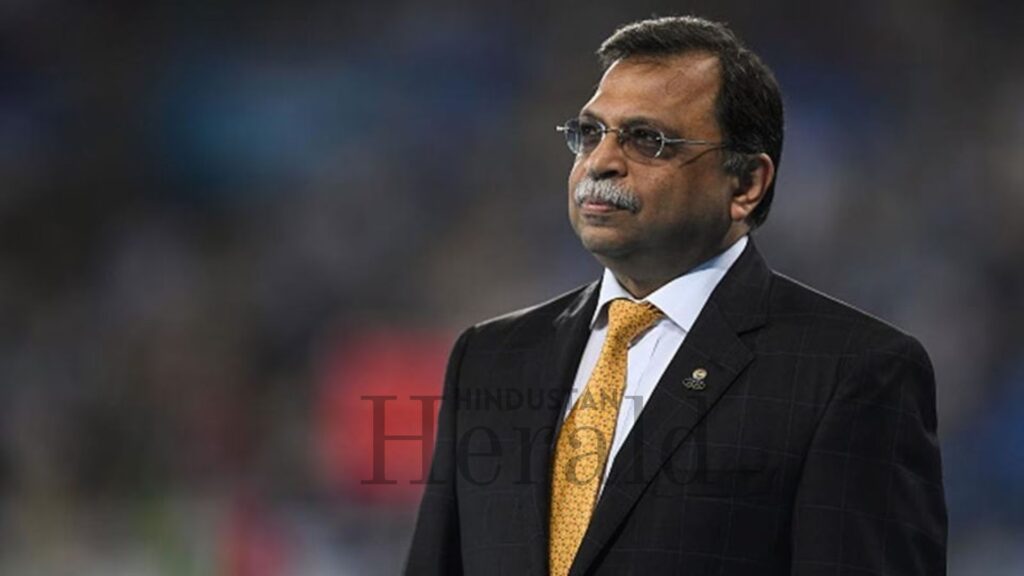
Officials from the Athletics Federation of India, including president Adille Sumariwalla, praised her mental strength in post-race reactions. There was emphasis on resilience rather than raw timing, a telling choice of words. Still, the federation knows what this performance signals. Indian women’s hurdling has moved from hopeful to credible.
From Visakhapatnam To The Top Of Asia
Yarraji’s rise has never been linear. She comes from Visakhapatnam in Andhra Pradesh, far from the traditional power centres of Indian athletics. Early in her career, access was limited. Travel costs mattered. Facilities were inconsistent. Progress was hard-earned. Over the years, she chipped away. Domestic titles turned into national records. National records turned into international medals. The learning curve was steep, sometimes unforgiving.
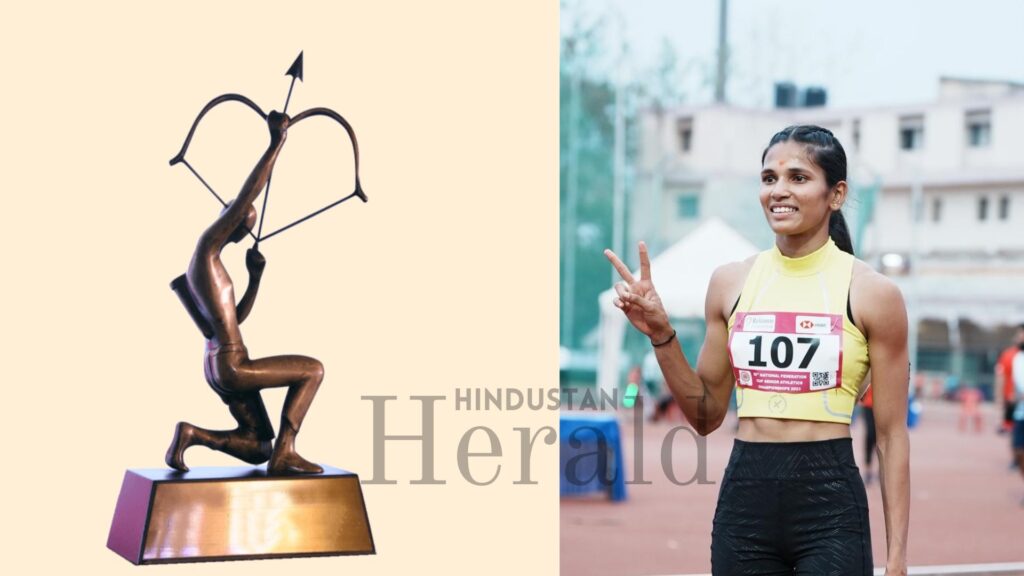
The Arjuna Award, conferred earlier this year, acknowledged that grind. It recognised not just podium finishes, but persistence. Multiple national records. Sustained excellence. A refusal to plateau. In Gumi, all of that showed. There was no panic in the rain. No rush against the clock. Just an athlete comfortable with her place.
A Broader Skill Set On Display
Yarraji’s championship schedule has not been limited to hurdles. She is also entered in the 200m sprint, an event that sits outside her comfort zone but complements her development. The decision reflects a broader training philosophy. Speed endurance feeds hurdling. Flat sprints sharpen finishes. Even when medals are not guaranteed, the exposure matters.
Coaches close to the setup believe this versatility is helping her close races better, particularly over the final barriers, where fatigue often separates finalists from medalists. For now, expectations around the 200m remain grounded. The hurdles are still the priority. But the willingness to stretch herself speaks volumes.
Looking Beyond Asia
This gold does not exist in isolation. The global calendar looms large, with the World Athletics Championships on the horizon. Asian dominance, while significant, is only part of the equation. International finals demand repetition. One clean race is not enough. The best in the world string them together under pressure.
Gumi suggests Yarraji is moving in the right direction. She is managing her body better. Racing smarter. Trusting process over impulse. Still, the margins will tighten. Sub-13 must become routine. Execution must survive louder stadiums and faster fields.
For now, the signs are encouraging.
A Quiet Night, A Clear Message
Something was fitting about how this title defence unfolded. No packed stands. No grand spectacle. Just rain, discipline, and a hurdler doing her job.

In that silence, Jyothi Yarraji made a loud statement. Asian sprint hurdling still runs through her lane. Indian athletics, often starved of sustained success on the track, has a standard-bearer who understands what it takes to stay there. For now, she walks away from Gumi with gold, a record, and momentum. The next chapters will be harder. She knows that.
But on this wet December night, Asia belonged to her again.
Stay ahead with Hindustan Herald — bringing you trusted news, sharp analysis, and stories that matter across Politics, Business, Technology, Sports, Entertainment, Lifestyle, and more.
Connect with us on Facebook, Instagram, X (Twitter), LinkedIn, YouTube, and join our Telegram community @hindustanherald for real-time updates.

Sports reporter covering cricket, football, and Olympic disciplines, with on-ground event experience.
- Prakash Nair

- Prakash Nair
- Prakash Nair
- Prakash Nair