
 By Ananya Sharma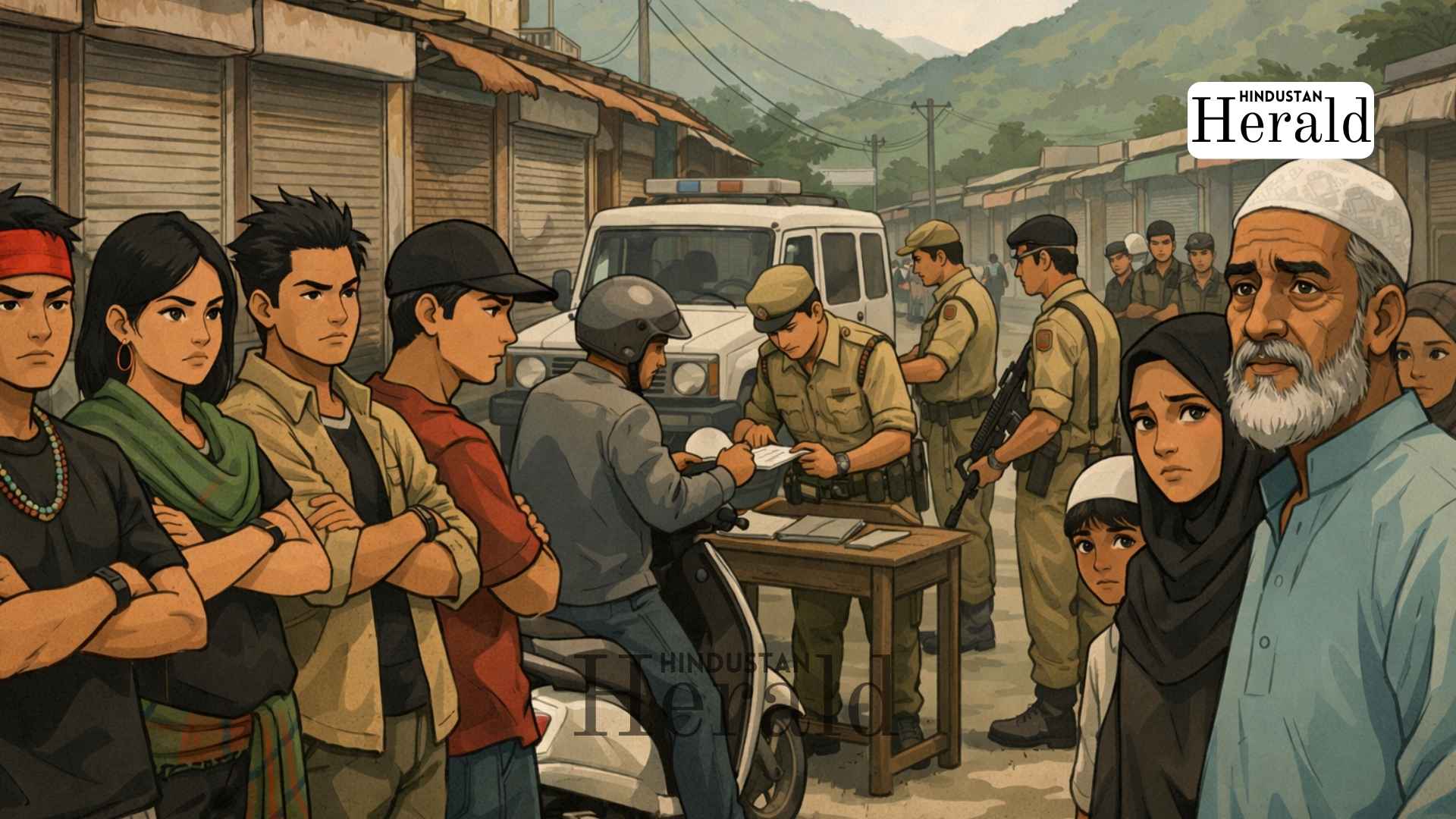
Itanagar, December 24: Nothing much happened on Tuesday. No protest march. No new bandh call. No police sirens. Yet, if you spent even an hour in Itanagar or Naharlagun, you would know the calm was only on the surface. Tea shops were open, but conversations were careful. Traders kept half an eye on the road. Government offices worked, but nobody spoke freely. The subject on everyone’s mind was the same one that has refused to leave Arunachal Pradesh alone for years: illegal Bangladeshi immigration.
People here are tired. Not angry in the loud, shouting sense. Just tired of hearing promises, committees, and “ongoing verification” while the issue keeps returning in waves. This time, it is the youth who have pushed it back to the centre.
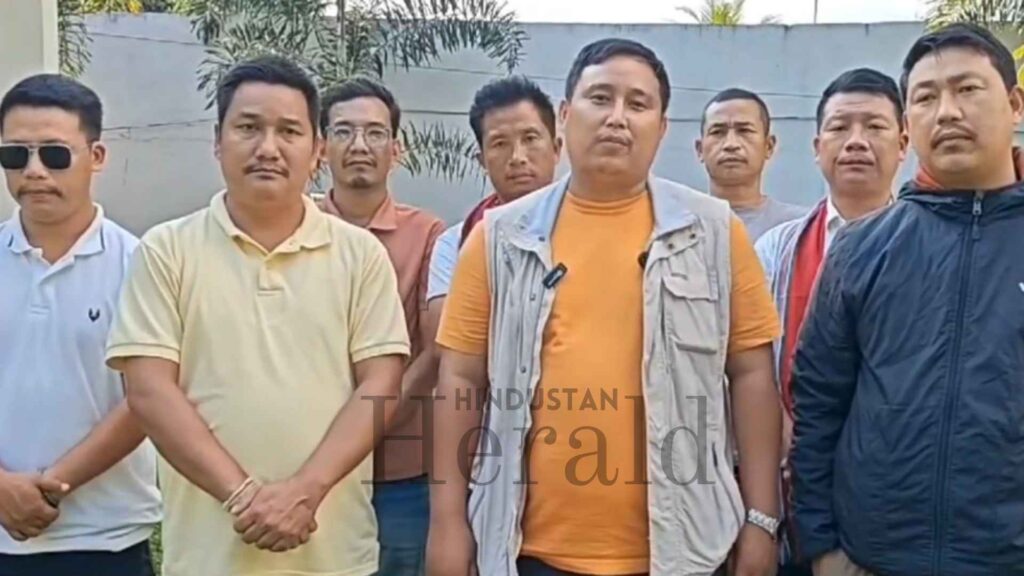
Three organisations have taken the lead: the Arunachal Pradesh Indigenous Youth Organisation, the Indigenous Youth Force of Arunachal, and the All Naharlagun Youth Organisation. They are not new groups. But over the past month, their tone has sharpened. What they are saying now is simple enough for anyone to understand: “We have waited long enough.”
The Day Everything Closed
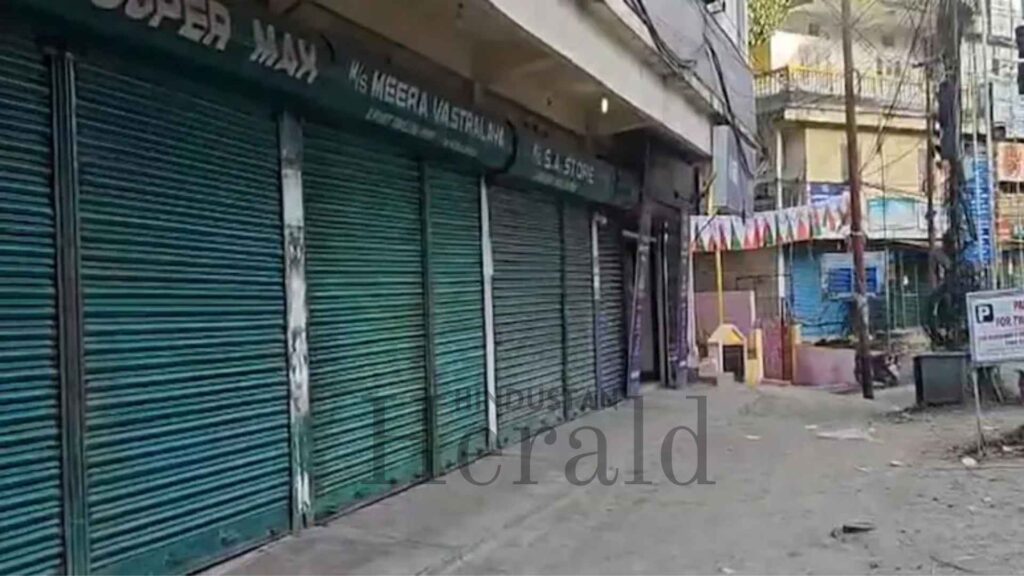
That frustration became visible on December 8. By early morning, shutters were down across the Itanagar Capital Region. Vegetable sellers stayed home. Auto drivers parked their vehicles. Schools struggled to function. The 12-hour bandh did what it was meant to do. It stopped life.
According to NDTV and local reports, there was no violence. No broken shops. No street fights. But the silence itself was loud. A trader in Naharlagun put it plainly: “If we don’t shut down, nobody listens. But every bandh costs us money.”
That sentence captures the mood perfectly. Support mixed with worry. Agreement mixed with fear.
What The Youth Are Demanding
The demands are not complicated, at least on paper. First, the groups want the Capital Jama Masjid in Naharlagun removed. They claim it was built without permission. The government has not clearly said whether that is true or not, and that silence has only added fuel to the argument. Second, they want illegal Bangladeshi immigrants identified and deported. In their view, unchecked settlement is changing the state slowly but surely, affecting land, jobs, and local culture.
Third, they want weekly markets banned in the capital region. They claim that these markets allow undocumented migrants to earn and stay without checks. Officials admit quietly that it is not as simple as it sounds. Deportation needs proof. Market bans hit locals too. One wrong move can destroy innocent lives.
But on the street, patience for explanations is wearing thin.
Government Walking On Thin Ice
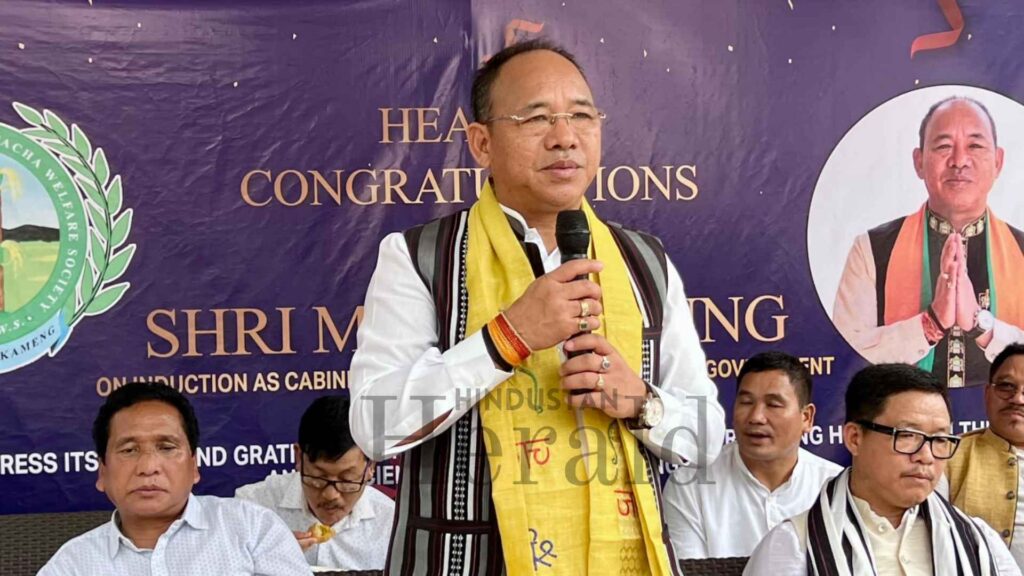
The government knows it is dealing with fire. Mama Natung, the Home Minister, has told district officials to keep strict law and order. His message has been repeated: nobody should take the law into their own hands, and no action should target people because of religion or community.
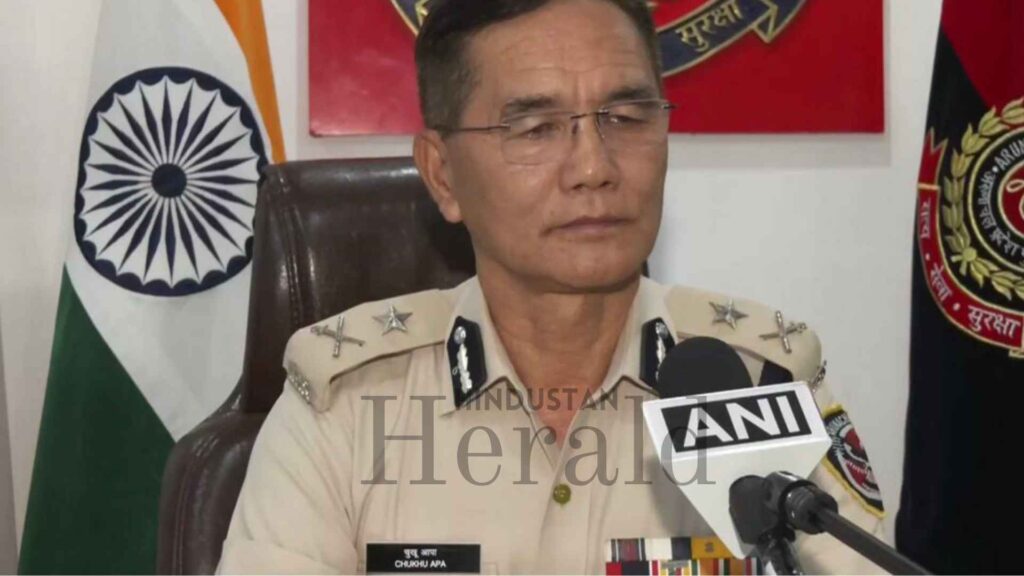
From the police side, Chuku Apa Hada, the Inspector General of Police, has spoken about tightening systems rather than chasing headlines. The Inner Line Permit system, now upgraded to ILP 3.0, is being described as the main tool to control illegal entry and overstaying. Police officers say checks are already happening, and remind critics that a statewide crackdown was announced in June 2025, long before the bandh.
Still, for many people, announcements do not feel the same as results.
Fear That Does Not Make Noise
While protests dominate attention, fear moves quietly. Members of the Muslim community in Arunachal Pradesh have spoken to Arunachal Times and India Today NE about unease in their neighbourhoods. Videos circulating online, they say, have created suspicion and anxiety.
Most are careful to say they support action against illegal immigrants. Their worry is about being treated as suspects simply because of who they are. Families that have lived here for decades now feel the need to explain themselves.
There have been no confirmed incidents of communal violence so far. But anyone who has seen tensions rise elsewhere knows how quickly things can change.
Why This Issue Hurts More Here
In Arunachal Pradesh, immigration is not an abstract debate. The state has a tribal-majority population, fragile demographics, and long international borders. The Inner Line Permit system exists because history here has taught people to be cautious.
Unlike Assam, there is no NRC. Everything depends on permits, checks, and local administration. Youth groups say the system has been ignored for years. Others say migration is complex and not everyone gets treated fairly.
Both arguments have truth in them. That is why the issue keeps returning.
A Quiet Waiting Game
For now, there is no fresh protest date. No new bandh notice. Just waiting. The youth organisations have said clearly that if they do not see action, they will escalate. The government is trying to respond without triggering unrest. Ordinary people are stuck in the middle, hoping shops stay open and life continues.
In Arunachal Pradesh, December 24 passed without drama. But the silence felt uneasy. Like a pause, not an end.
Stay ahead with Hindustan Herald — bringing you trusted news, sharp analysis, and stories that matter across Politics, Business, Technology, Sports, Entertainment, Lifestyle, and more.
Connect with us on Facebook, Instagram, X (Twitter), LinkedIn, YouTube, and join our Telegram community @hindustanherald for real-time updates.

Covers Indian politics, governance, and policy developments with over a decade of experience in political reporting.
- Ananya Sharma

- Ananya Sharma
- Ananya Sharma
- Ananya Sharma



 Sandeep Verma
  Arun Upadhayay