
 By Ananya Sharma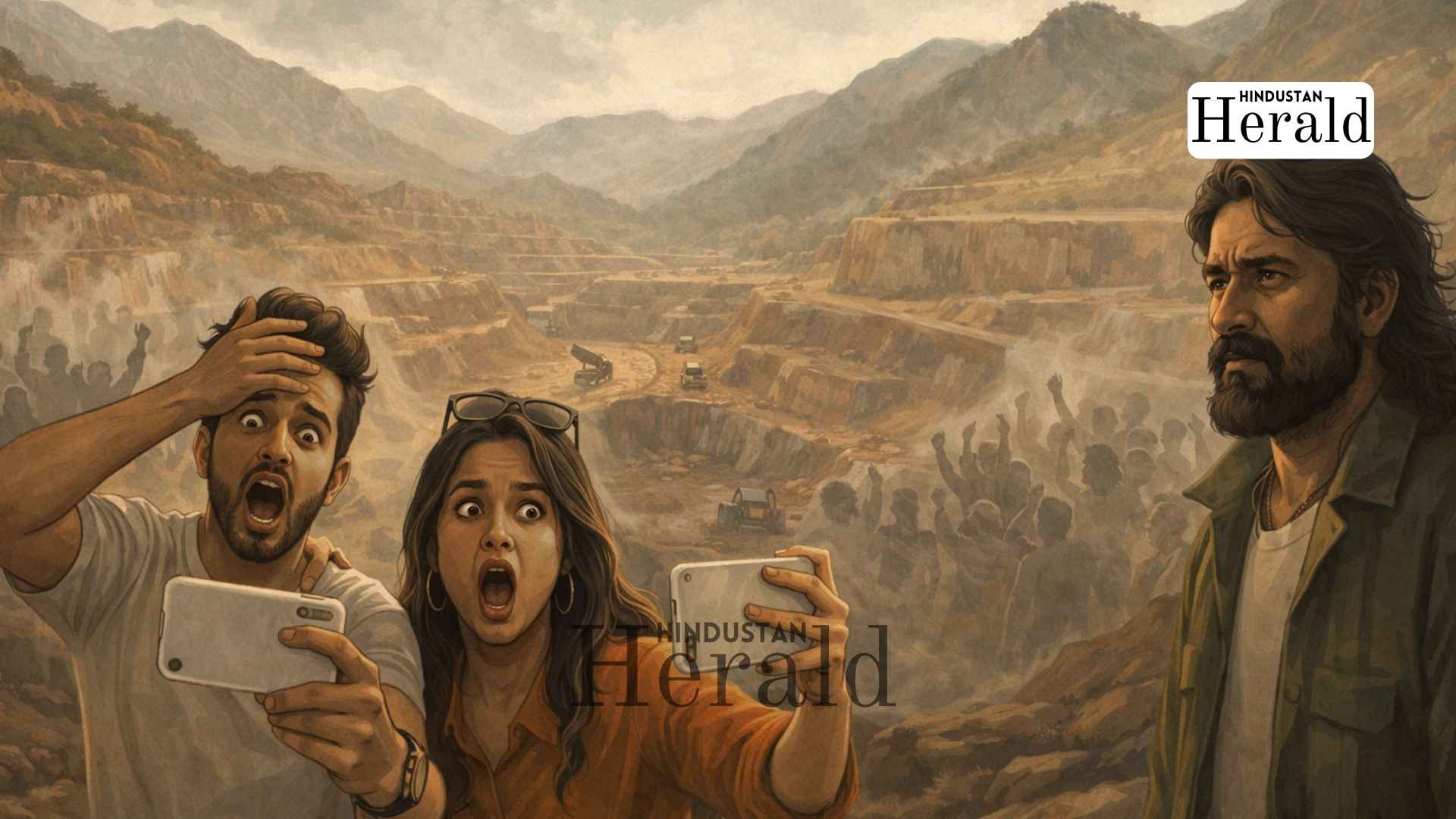
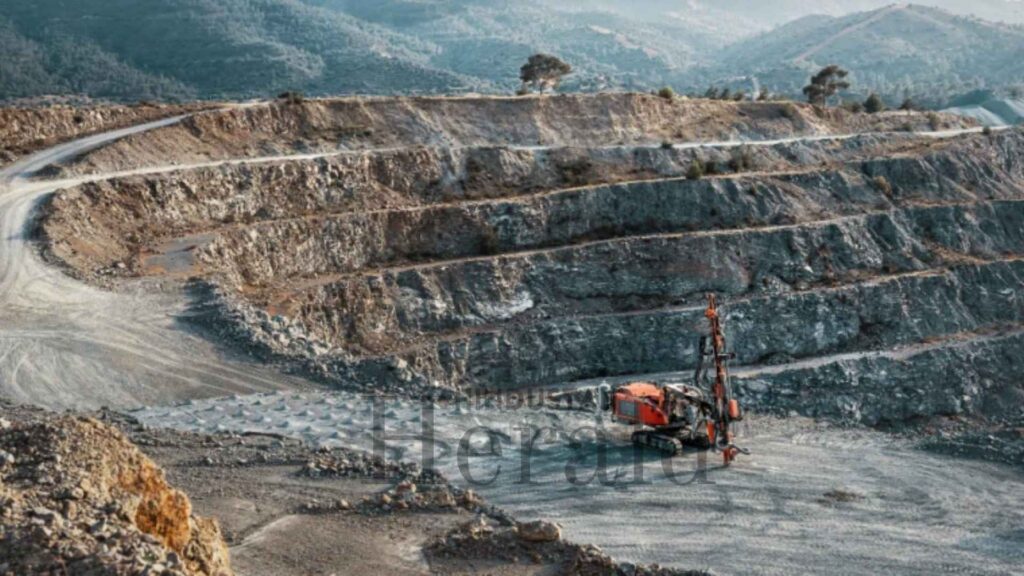
New Delhi, December 26: The Aravalli Hills have been fighting a slow, grinding battle for survival for decades. Illegal mining, shrinking forest cover, and weak enforcement are not new stories. What is new, and deeply unsettling, is the way the crisis is now being reframed, repackaged, and in some cases flat-out distorted by India’s influencer economy.
Over the past week, social media feeds have been flooded with dramatic reels claiming to show massive protests erupting across Rajasthan. Farmers, crowds, raised slogans, all presented as spontaneous resistance to mining in the Aravallis. The videos spread fast. They were shared by popular creators, boosted by algorithms, and swallowed by audiences already primed for outrage.
The problem is simple. Much of it was not true.
The Videos That Never Belonged To Rajasthan
Fact-checkers at Factly stepped in after several of these clips crossed hundreds of thousands of views. Their finding was blunt. The viral videos did not show protests linked to the Aravallis at all. They were recorded in Maharashtra in July 2025, months before the current controversy even existed.
The footage was old. The events were unrelated. Yet captions confidently claimed they showed farmers rising against mining after a Supreme Court decision in November.
Once the truth surfaced, the damage was already done. Corrections reached a fraction of the people who had seen the original posts. Some influencers quietly deleted videos. Others left them up. Very few acknowledged the error.
That silence has become its own story.
A Real Legal Change, A Distorted Online Narrative
To be clear, the underlying issue is not imaginary. On November 20, 2025, the Supreme Court of India issued a clarification on how land within the Aravalli Hills is legally defined and protected.
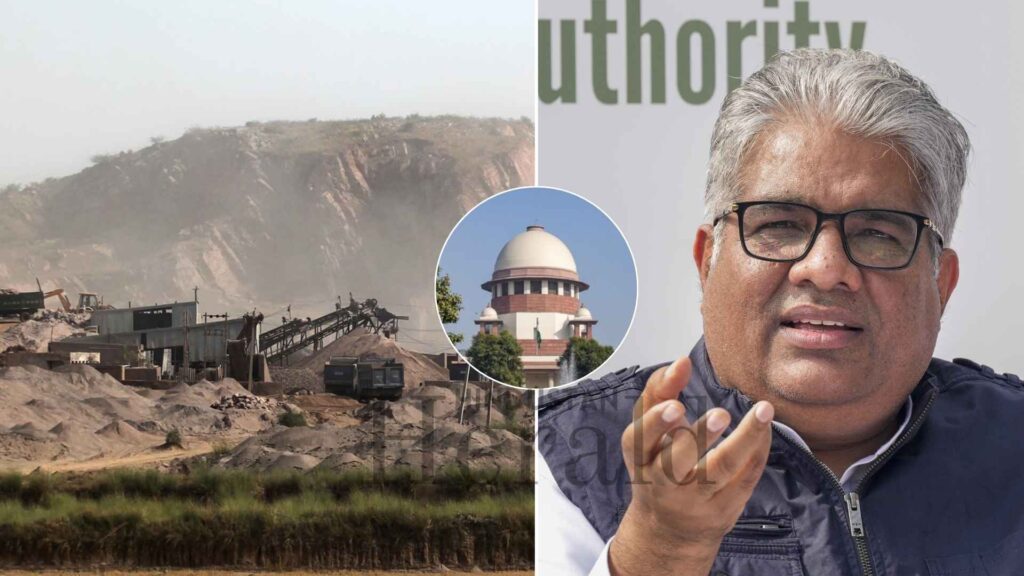
Environmental lawyers quickly warned that the interpretation could weaken safeguards in certain zones, potentially opening the door to mining and construction that had earlier been restricted. That concern is legitimate. It is why citizen groups, students, and conservationists rallied under the #SaveAravalli banner.
But legal nuance does not travel well on social media. It gets flattened into absolutes. “The hills are finished.” “Mining starts now.” “The court sold the Aravallis.”
None of those claims accurately reflect the legal position. Yet they are far more clickable than a careful explanation of judicial language.
Influencers Step In, And The Lines Blur
Into this space walked influencers, some well-meaning, some careless, some clearly chasing engagement. Radio personality RJ Kartik was among those urging followers to see the Aravallis as a responsibility owed to future generations. The sentiment resonated. His videos were widely shared.
Others went further. They stitched together old clips, dramatic soundtracks, and sweeping claims without verification. A protest somewhere became a protest everywhere. A legal concern became an immediate catastrophe.
Environmental activists working on the ground say this kind of amplification cuts both ways. It brings attention, yes. But it also hands critics an easy dismissal. Once misinformation enters the bloodstream, authorities can wave away genuine questions as exaggerated or fake.
As one campaigner put it privately, “We spend years building a case. One viral reel can undo months of work.”
The Business Of Outrage
By December 25, a different tone emerged on Instagram itself. Several reels accused influencers of running what they called “content creator scams.” The charge was not that the Aravallis do not matter, but that the crisis was being mined for clicks, donations, and personal branding.
These accusations struck a nerve because they point to a larger truth. Outrage pays. Algorithms reward emotion, not accuracy. A sober breakdown of environmental law will never compete with a clip that promises betrayal, urgency, and collapse.
There is no rulebook forcing influencers to issue corrections. No editor calling late at night asking for proof. In this vacuum, accountability becomes optional.
Why The Aravallis Are Not Just Another Hashtag
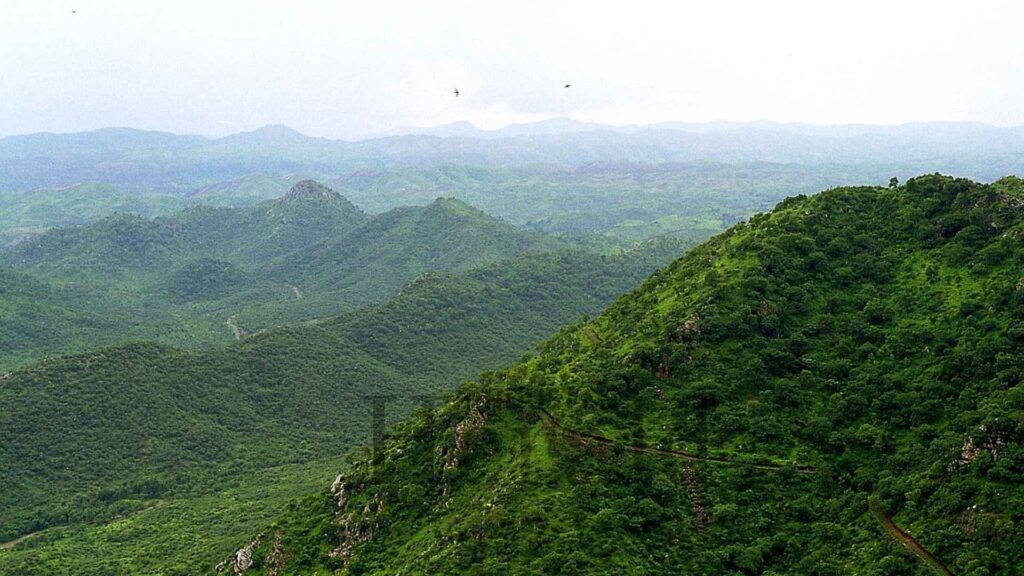
Lost in the noise is the quiet reality of what the Aravallis actually mean. They slow down desertification. They help recharge groundwater. They temper the heat across northern India. Damage here does not stay local. It reaches cities, farms, and homes far beyond the hills themselves.
This is why misinformation hurts. It fractures public understanding. It turns a serious environmental and legal debate into a shouting match. And it risks exhausting people who might otherwise support long-term conservation.
Still, the movement on the ground has not disappeared. Legal petitions are being prepared. Citizen collectives continue to meet. Researchers and lawyers are doing the slow work that never trends online.
A Crisis Of Trust, Not Just Trees
The Aravalli controversy now sits at the intersection of ecology, law, and digital culture. It has exposed how easily truth can be bent when platforms reward speed over substance.
For the influencers involved, this moment is a test. Advocacy without verification is not activism. It is noise. And noise, in the long run, helps no one.
For now, the hills remain. Scarred, pressured, but standing. Whether the conversation around them matures or collapses into permanent distortion will depend on who chooses responsibility over reach.
The fight for the Aravallis was never just about stone and soil. It is also about whether public discourse can survive the age of the viral reel.
Stay ahead with Hindustan Herald — bringing you trusted news, sharp analysis, and stories that matter across Politics, Business, Technology, Sports, Entertainment, Lifestyle, and more.
Connect with us on Facebook, Instagram, X (Twitter), LinkedIn, YouTube, and join our Telegram community @hindustanherald for real-time updates.

Covers Indian politics, governance, and policy developments with over a decade of experience in political reporting.
- Ananya Sharma

- Ananya Sharma
- Ananya Sharma
- Ananya Sharma




 Arun Upadhayay