
 By Kavita Iyer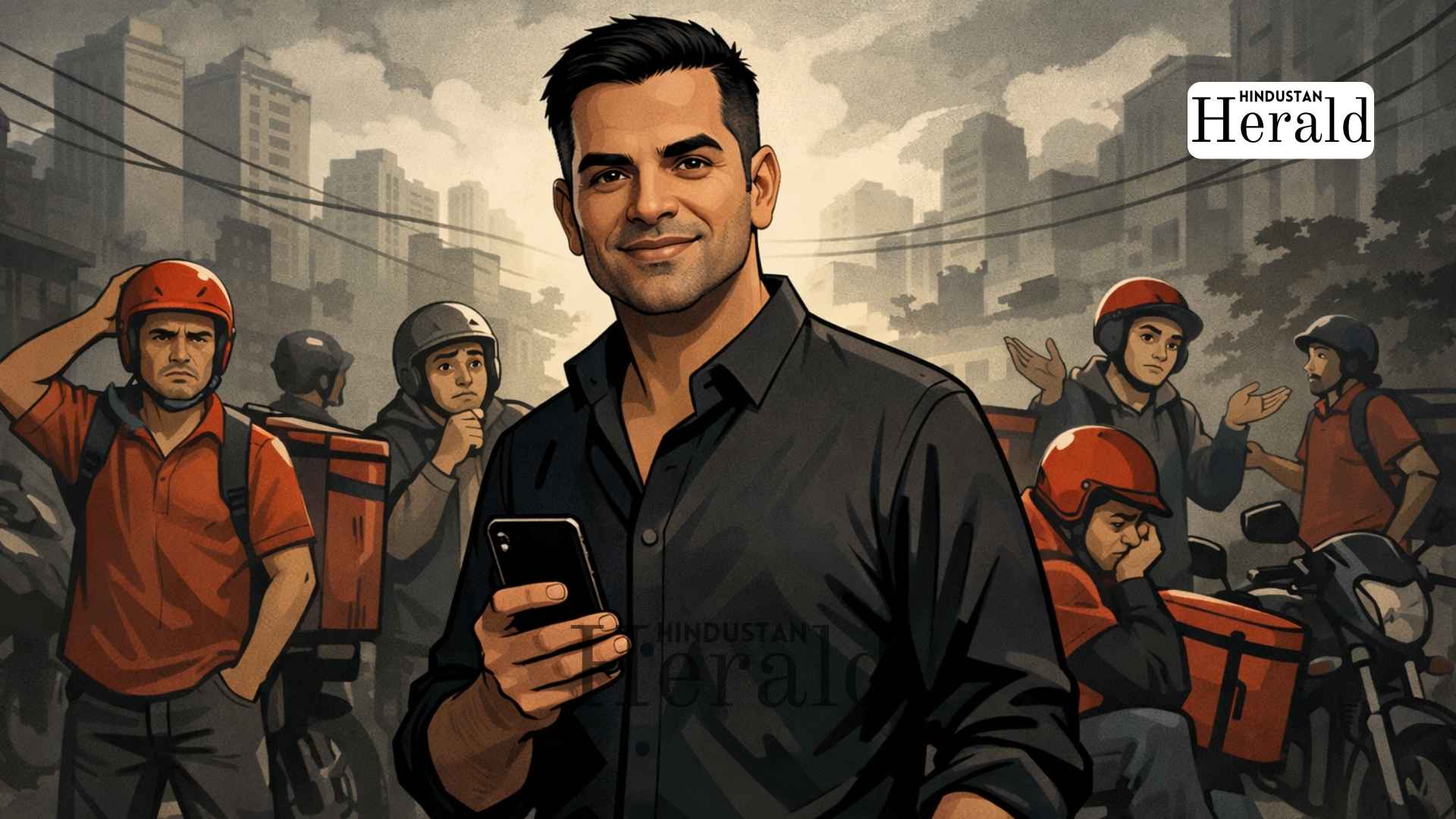
New Delhi, January 3: India’s long-simmering debate over the gig economy, platform accountability, and worker dignity burst back into public view this week after Deepinder Goyal, the CEO of Zomato, referred to striking delivery workers as “miscreants” in a social media post that has since triggered a nationwide backlash.
The comments, posted on December 31, 2025, on X, were meant to counter a New Year’s Eve strike call issued by delivery partner unions across multiple cities. Instead, they have ignited a fierce public argument over how India’s largest gig platforms treat the very workers that power their growth.
That said, the controversy has not remained confined to labour circles. From comedians and activists to startup founders and stock market watchers, the episode has become a flashpoint in a much larger reckoning over the future of work in urban India.
What Deepinder Goyal Said and Why It Struck a Nerve
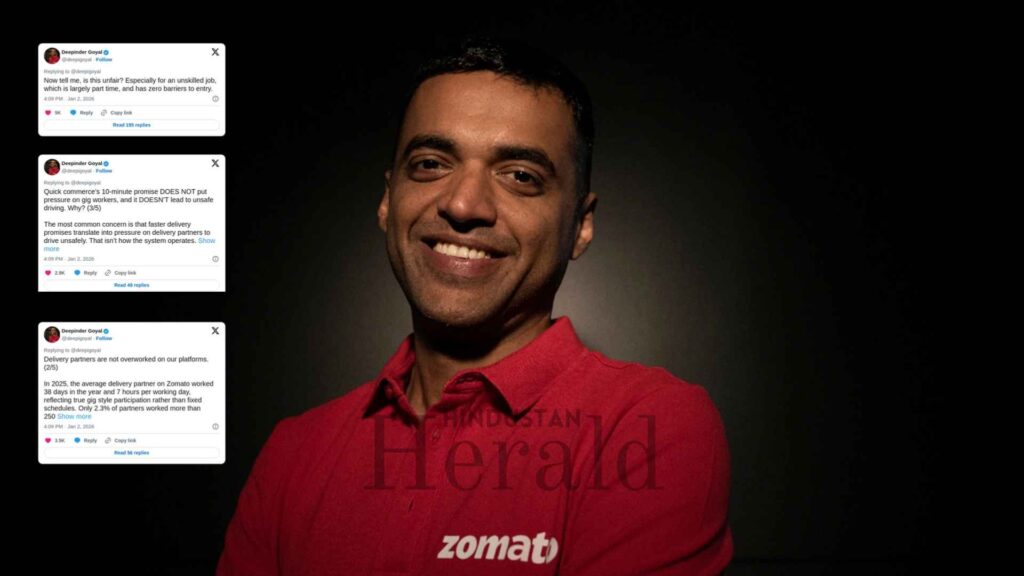
In a series of posts, Goyal claimed that the strike had a negligible impact on operations, asserting that “99.9% of delivery partners continued working as usual.” He described those calling for the strike as “0.1% miscreants, alleging that many were former riders deactivated for repeated abuse or fraud.
According to The Economic Times, Goyal further warned delivery partners against being “swept up by narratives” driven by individuals with “vested interests”, arguing that the gig economy remains one of India’s largest sources of job creation.
For critics, the language used mattered as much as the message. The term “miscreants, often associated with criminality or public disorder, was seen as dismissive of workers raising concerns about pay transparency, rising fuel costs, algorithmic penalties, and the absence of social security protections.
Still, supporters of the company pointed out that food and grocery deliveries continued uninterrupted across most metros on December 31, suggesting limited on-ground participation in the strike.
A Flashpoint in India’s Gig Economy Debate
As it turns out, this is not the first time Zomato or its peers have faced scrutiny over labour practices. India’s gig workforce, estimated to cross 23 million workers by 2030 according to NITI Aayog projections, operates in a legal grey zone.
Delivery partners are classified as independent contractors, not employees. This distinction allows platforms to avoid obligations such as minimum wages, health insurance, paid leave, or accident compensation, even as algorithms exert tight control over work allocation, incentives, and penalties.
Labour unions argue that platforms enjoy the benefits of an employer without the responsibilities, while companies counter that flexibility and scale would collapse under traditional employment structures.
Goyal’s remarks have effectively placed Zomato at the centre of this unresolved policy question.
Kunal Kamra Throws Down a Public Challenge
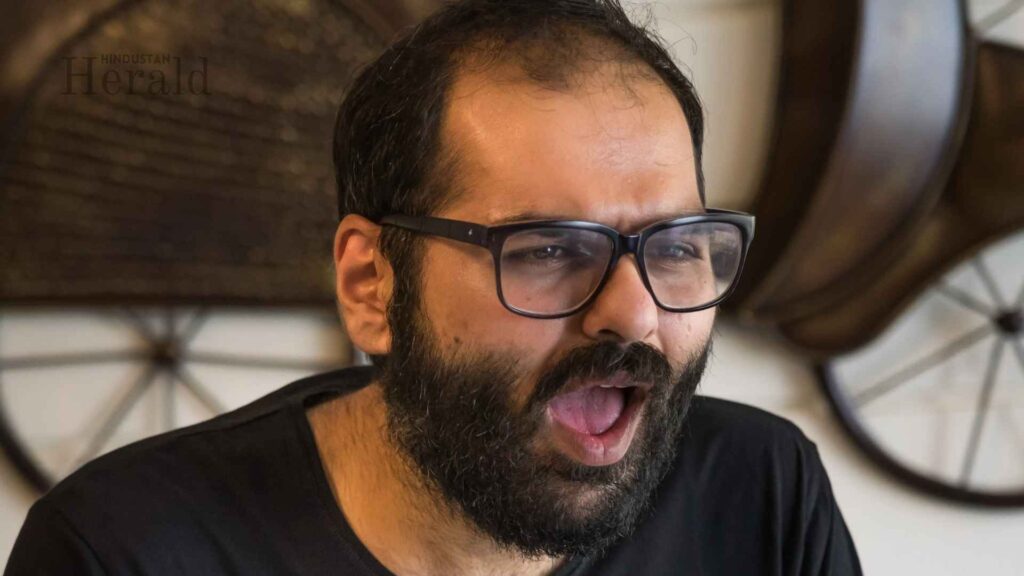
The controversy escalated further when stand-up comedian Kunal Kamra publicly challenged Goyal to back his claims with data.
Kamra asked the CEO to disclose the average hourly earnings of delivery partners after accounting for fuel, vehicle maintenance, waiting time, and unpaid downtime. He promised to stop commenting on gig worker issues if the numbers showed that workers were being paid fairly.
The exchange went viral, not because of personal sparring, but because it spotlighted a core issue that platforms have long avoided answering in simple terms: how much does a delivery worker actually earn per hour of labour?
While Goyal did not release detailed earning breakdowns, the challenge intensified calls for greater transparency from gig companies whose valuation and public image increasingly depend on trust.
Uniongiri or Worker Resistance? Public Opinion Splits
On social media, reactions split sharply along ideological lines.
One camp accused Goyal of trivialising legitimate grievances and reinforcing a top-down corporate culture that treats workers as disposable. Many pointed to rising inflation, declining per-order payouts, and stricter performance metrics that riders claim have reduced take-home income.
The other camp rallied behind the CEO, praising him for “calling out uniongiri” and defending entrepreneurship. Supporters argued that strikes orchestrated during peak demand periods hurt consumers and small restaurant partners more than large platforms.
Some also highlighted that gig work remains voluntary, with riders free to log in and out, unlike factory or office employment.
Still, the tone of the CEO’s remarks has left even neutral observers uneasy, especially at a time when corporate leaders are expected to balance profitability with social responsibility.
Blinkit and the Safety Question
The debate also revived concerns around hyperfast delivery, particularly 10-minute promises made by Blinkit, which Zomato owns.

Responding to criticism, Goyal insisted that fast deliveries do not require riders to speed dangerously. Instead, he argued, efficiency comes from placing dark stores close to customers, reducing travel distance rather than increasing velocity.
While this explanation aligns with the company’s logistics model, road safety activists argue that delivery incentives tied to speed and order volume inevitably pressure riders, especially in congested urban traffic.
For now, there is little independent data publicly available to settle the safety debate conclusively.
Why This Moment Matters Beyond Zomato
This episode arrives at a sensitive moment for India’s startup ecosystem. As platforms mature and seek regulatory clarity, questions of worker welfare, data transparency, and ethical leadership are no longer peripheral.
The central government has proposed elements of social security for gig workers, but implementation remains slow and fragmented across states. Meanwhile, public tolerance for corporate language perceived as dismissive or elitist is waning, particularly in sectors built on mass labour.
For Zomato, the immediate business impact appears limited. Orders continued. Markets remained calm. But reputationally, the episode has reopened fault lines that the company may find harder to close.
For now, the controversy underscores a basic truth: India’s gig economy is no longer just a business model. It is a political, social, and moral question, and how its leaders speak may matter as much as how their platforms perform.
Stay ahead with Hindustan Herald — bringing you trusted news, sharp analysis, and stories that matter across Politics, Business, Technology, Sports, Entertainment, Lifestyle, and more.
Connect with us on Facebook, Instagram, X (Twitter), LinkedIn, YouTube, and join our Telegram community @hindustanherald for real-time updates.

Former financial consultant turned journalist, reporting on markets, industry trends, and economic policy.
- Kavita Iyer

- Kavita Iyer
- Kavita Iyer
- Kavita Iyer




 Sandeep Verma and Kavita Iyer
  Arun Upadhayay