
 By Rajiv Menon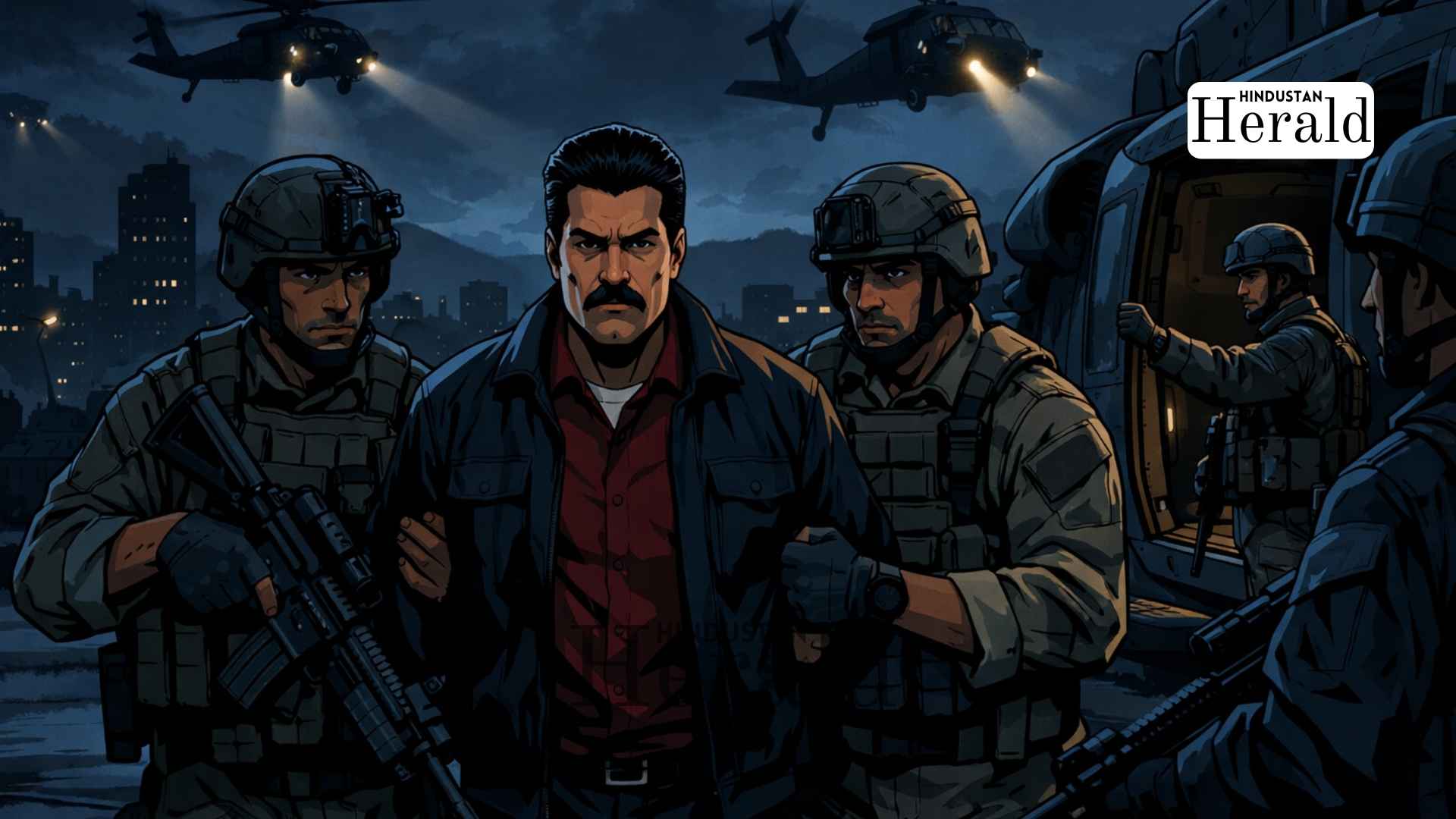
New York, January 4: Something extraordinary happened before dawn on January 3, and by the time most people woke up in Venezuela, their country felt unfamiliar. The power was out in parts of Caracas. There were stories of explosions in the distance. Phones buzzed with half-formed rumours. By afternoon, those rumours hardened into fact. Nicolás Maduro was gone.
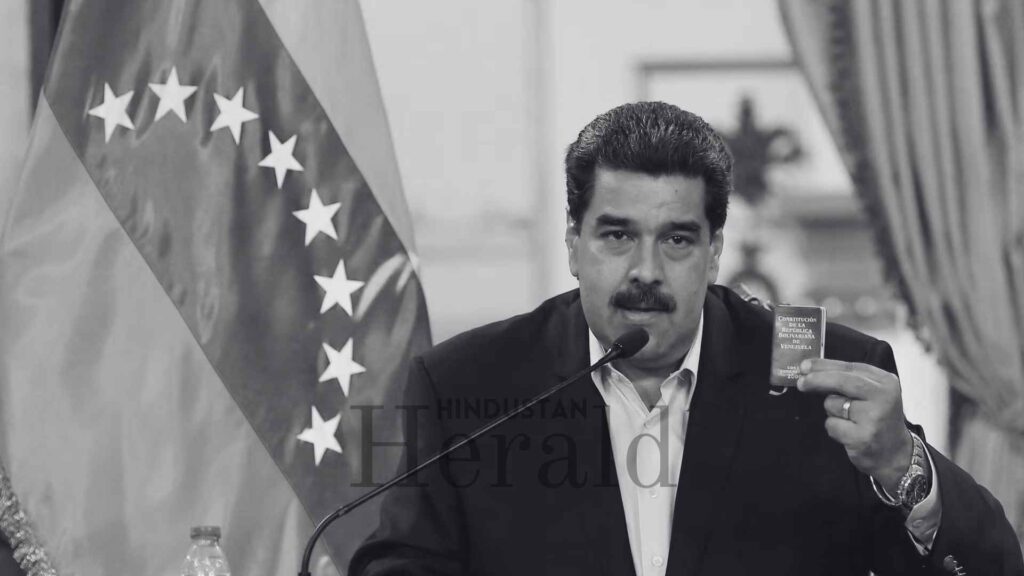
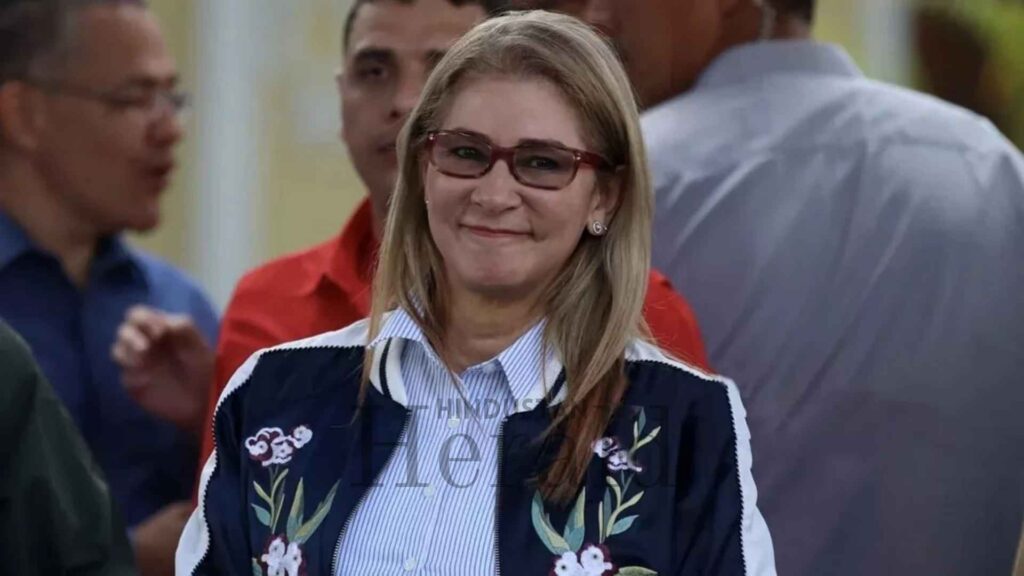
Not in hiding. Not surrounded by loyal troops. He was in New York, under United States custody, along with his wife, Cilia Flores, facing federal narco-terrorism charges that Washington has been talking about for years.
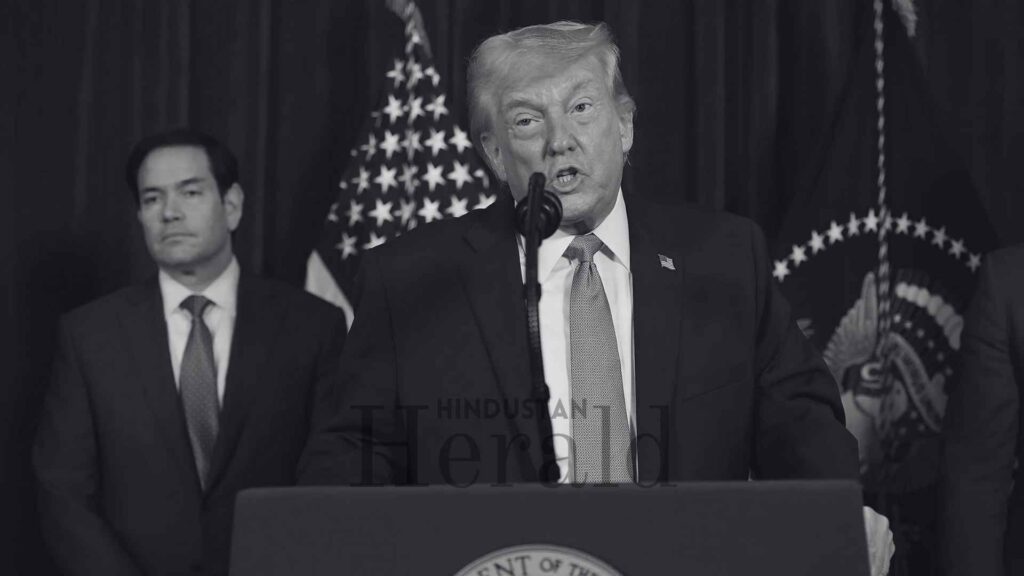
President Donald Trump called the mission “one of the most stunning displays of American military might” since World War II. That line played well for his supporters back home. Outside the US, especially across Latin America, it landed with unease.
How One Night Changed Everything
According to US officials, Trump approved the operation late on January 2, at 10:46 PM EST. The planning had been going on quietly. Once the order came, events moved fast.
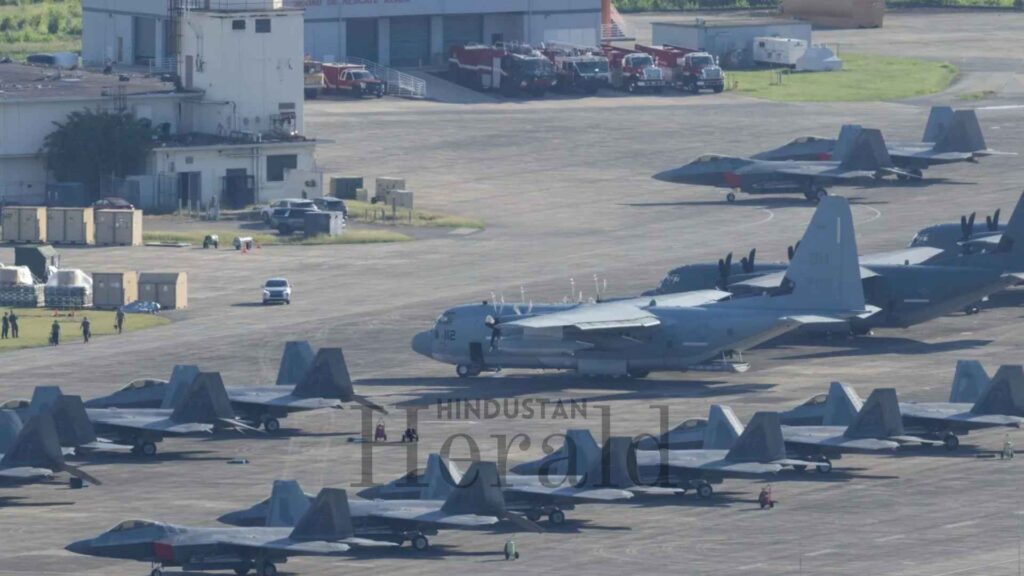
More than 150 aircraft took off from 20 military bases across the Western Hemisphere. Helicopters flew dangerously low, around 100 feet above the sea, skimming water to stay off radar. Fighter jets and bombers stayed higher, watching everything.
Around 2:00 AM local time, the action reached Caracas. Venezuela’s air defences were taken offline. Large parts of the city lost electricity almost at once. Streets went dark. People woke up confused.
US Delta Force soldiers led the ground operation. This is the same elite unit that tracked down Abu Bakr al-Baghdadi in Syria years ago. Their target was Maduro’s heavily guarded compound. The clash did not last long.
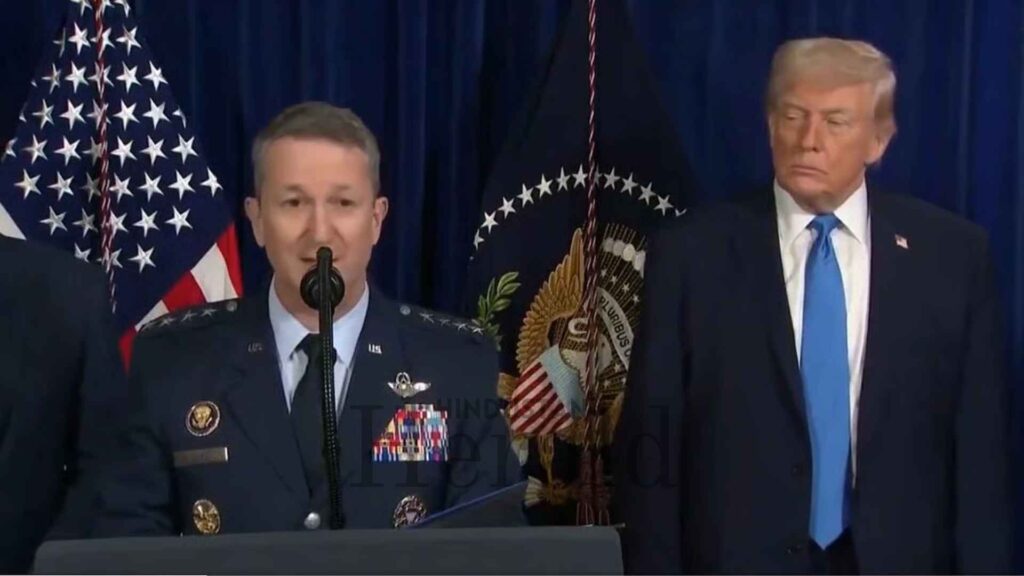
By sunrise, Maduro and Flores were on a helicopter, then on a plane, headed north. By Saturday afternoon, they were standing on American soil.
What People In Caracas Saw And Felt
From Washington, officials described a clean, precise operation. From Caracas, it looked and felt chaotic.
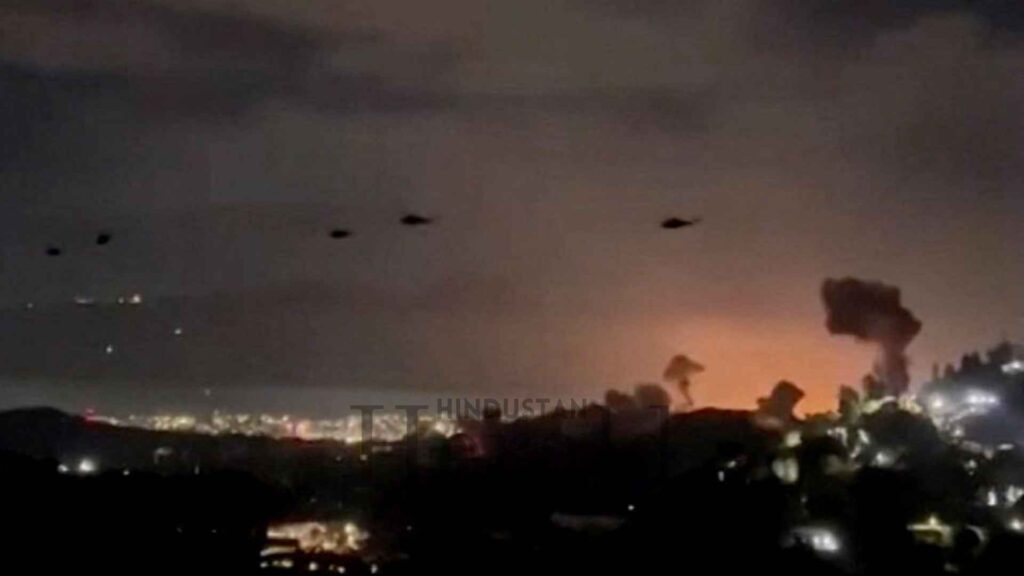
According to The New York Times, at least 40 people were killed, including civilians and soldiers. Residents spoke of buildings shaking, car alarms blaring, and long hours without electricity. In some neighbourhoods, people walked outside simply to see if their neighbours were safe.
President Trump said no American troops were killed, though he admitted that “a couple of guys were hit.” The Pentagon has not yet released a full list of casualties or damage.
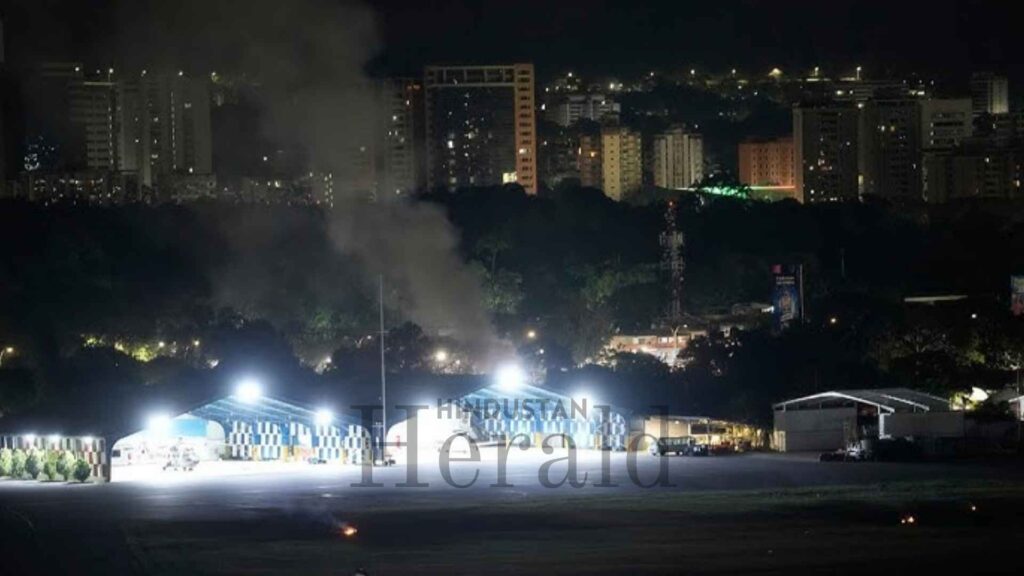
Hospitals switched to generators. Traffic jams stretched for hours. Parents tried to explain to children why the lights were not coming back on. Venezuela has lived through many crises, but this one felt sudden and deeply personal.
From Palace To Prison Cell
For US prosecutors, Maduro’s arrest is the end of a long chase. Back in 2020, he was charged with running a narco-terrorism network, accused of working with drug traffickers and armed groups hostile to the US. At the time, it sounded symbolic. A case on paper.
Now it is real.
Taking a sitting president and putting him in front of a US judge is rare and controversial. The Trump administration says Maduro lost any protection by turning his government into a criminal enterprise. Legal experts quoted by Reuters warn that courts will still have to wrestle with questions of sovereignty and immunity.
For ordinary people, the image says enough. A man who once taunted Washington is now answering to it.
Who Is In Charge In Venezuela Now
Inside Venezuela, clarity is in short supply.
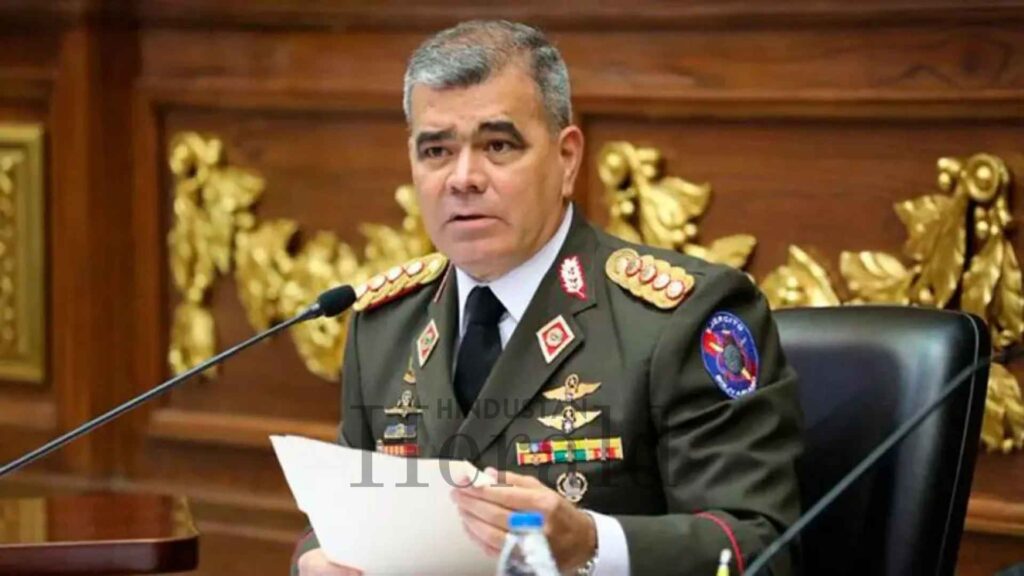
Defence Minister Vladimir Padrino López ordered troops deployed nationwide and called for a “united front of resistance.” He did not clearly say where Maduro was. That silence spoke loudly.
From Mar-a-Lago, Trump said the United States would temporarily “run the country, promising stability and a restart of oil production. He claimed Vice President Delcy Rodríguez had been sworn in as part of a transition.
Rodríguez quickly pushed back. She called Maduro’s capture illegal, said he remains Venezuela’s only president, and demanded his release. For Venezuelans watching this unfold, the question was simple and troubling. If everyone claims power, who actually has it?
Borders Close And The Region Holds Its Breath
The shock did not stop at Venezuela’s borders.
The government closed its border with Brazil, citing security concerns. According to Al Jazeera, regional officials fear the violence could push more Venezuelans to flee, adding to an already massive migration crisis.
International reaction has been split. Some countries condemned the US for violating Venezuela’s sovereignty. Others urged calm, choosing their words carefully. Russia and China, both with interests in Venezuela, called for consultations, signalling discomfort without open confrontation.
What This Means Beyond Venezuela
Supporters of Trump see the operation as proof that the US is willing to act decisively again. Critics see a line crossed.
Using military force to capture a foreign leader, then openly talking about running another country, unsettles many diplomats and lawmakers. In Congress, questions are piling up about legality, cost, and how the US plans to step away.
Those answers have not come yet.
Where Things Stand Now
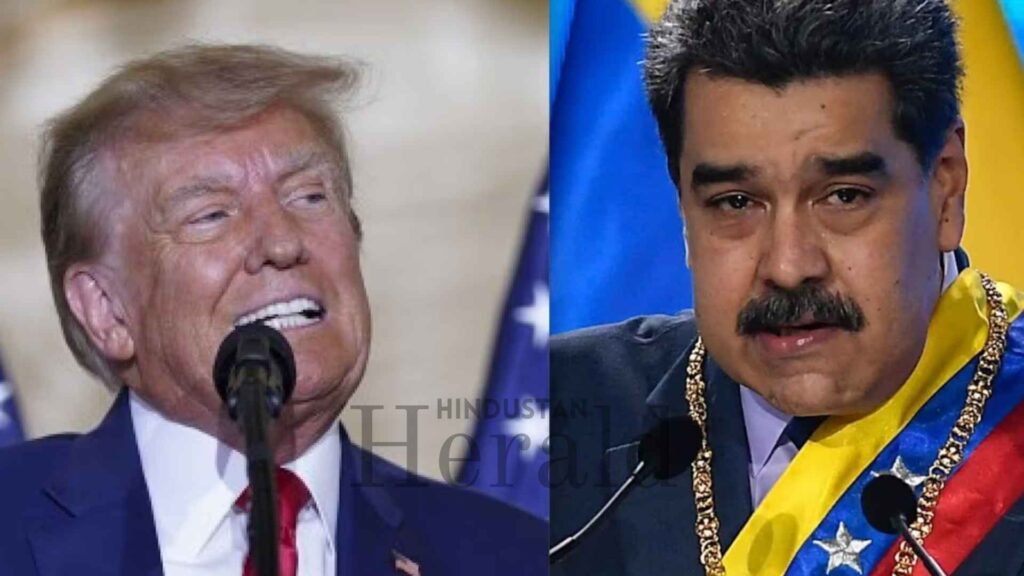
For now, Maduro is in US custody. Venezuela feels leaderless. The region is watching closely.
As it turns out, removing one man can happen in a single night. Fixing what remains behind is slower and far more uncertain. What happened on January 3, 2026, will not be judged only by how dramatic it was, but by what follows in the days, months, and years ahead.
Stay ahead with Hindustan Herald — bringing you trusted news, sharp analysis, and stories that matter across Politics, Business, Technology, Sports, Entertainment, Lifestyle, and more.
Connect with us on Facebook, Instagram, X (Twitter), LinkedIn, YouTube, and join our Telegram community @hindustanherald for real-time updates.
Specializes in South Asian geopolitics and global diplomacy, bringing in-depth analysis on international relations.
- Rajiv Menon

- Rajiv Menon
- Rajiv Menon
- Rajiv Menon



 Neeraj Kapoor