
 By Ananya Sharma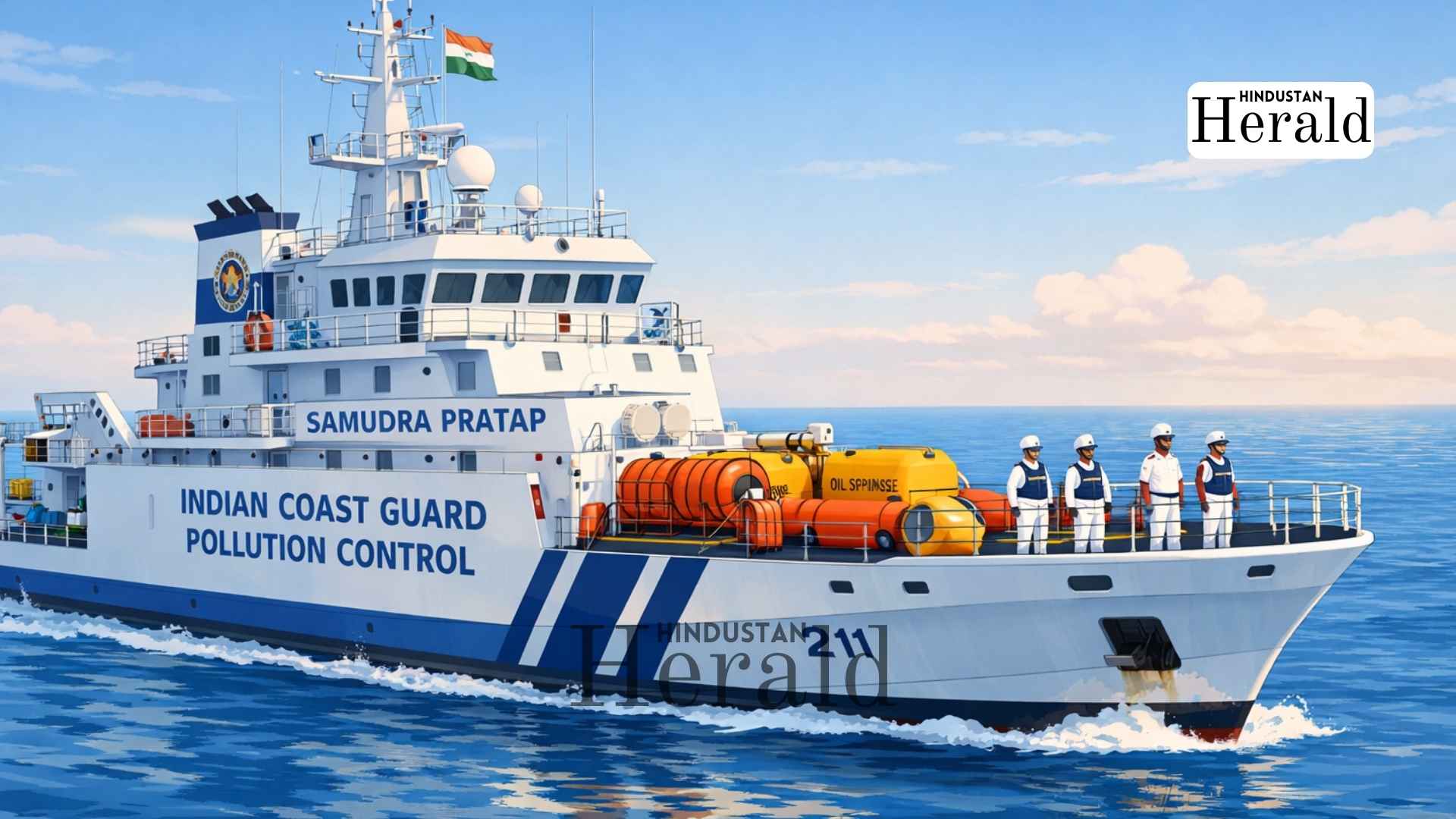
Panaji, January 7: There was nothing particularly dramatic about the commissioning at the Goa dockyard. A ship at berth. Officials on the pier. A short speech. A few photographs. And then it was done.
But the ship that entered service on Monday is one the country has quietly needed for a long time.
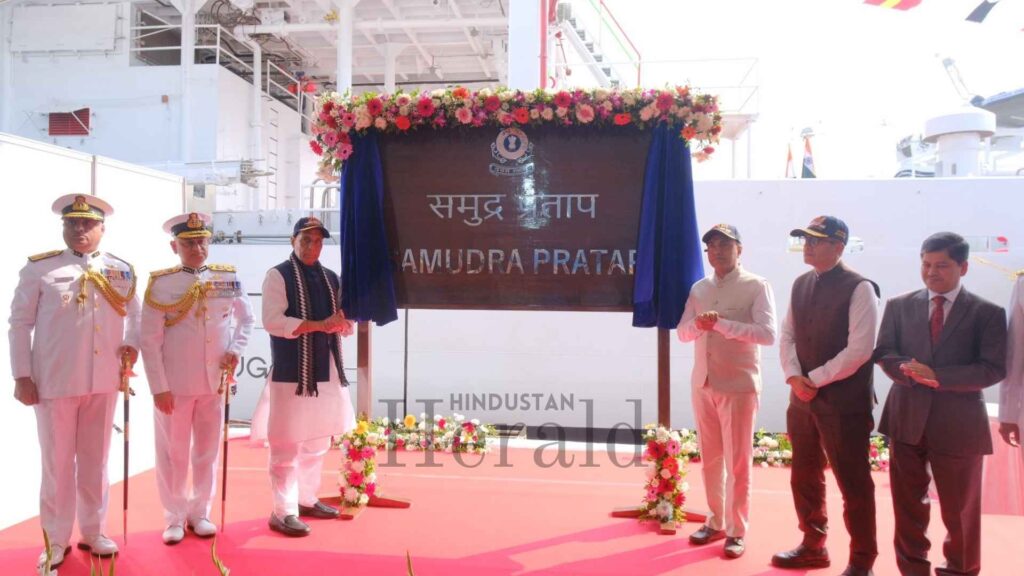
Commissioned by Rajnath Singh, the Indian Coast Guard Ship Samudra Pratap is not built for confrontation. It will not chase pirates or shadow foreign vessels. Its job begins when things go wrong, when oil leaks into the sea, when chemicals spread, and when damage has to be controlled before it reaches the shore.
That kind of work rarely gets attention. It usually starts late, costs money, and angers people whose livelihoods are suddenly at risk.
Why This Ship Changes Things
India has dealt with marine pollution before. Each time, the response has followed a familiar pattern. Limited equipment. Delays. Dependence on borrowed capability. By the time action gathered pace, the damage was already visible. Samudra Pratap exists to shorten that gap.
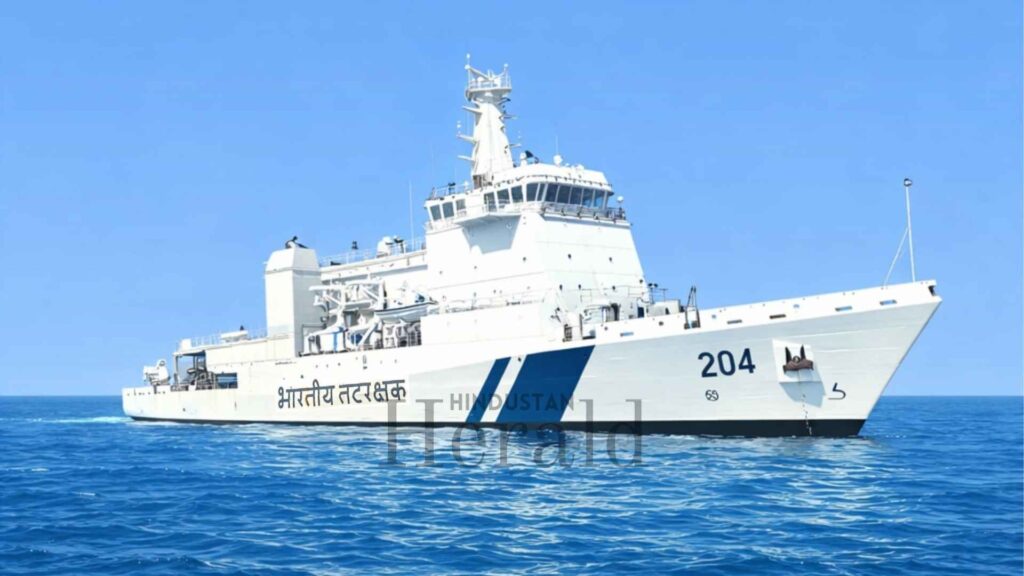
It is the first pollution control vessel designed and built in India, with over 60 percent indigenous content, constructed by Goa Shipyard Limited. For the Coast Guard, that matters. For coastal communities, it matters more.
This is a ship meant to arrive early and stay long.
What It Is Built To Do
At 4,170 tonnes and 114.5 metres, Samudra Pratap is now the largest ship in the Coast Guard’s fleet. The size is functional. Pollution response needs space, stability, and endurance.
The ship runs on two diesel engines and uses Indian-made controllable pitch propellers, allowing slow, careful movement when oil needs to be recovered without spreading further. It can move quickly if required, crossing 22 knots, but its real strength is that it can remain at sea for weeks, covering up to 6,000 nautical miles without returning to port.
That endurance is the difference between managing a spill and watching it drift.
The Work No One Sees
Oil spills are not clean streaks on blue water. They are thick, uneven, and unpredictable. Sometimes mixed with chemicals. Sometimes drifting towards the coast faster than expected.

Samudra Pratap carries systems that can detect harmful substances from a distance, even in rough conditions. It has an oil fingerprinting machine, which helps trace spills back to their source, a quiet but important shift in accountability.
The ship can collect polluted water, separate oil onboard, and store waste safely. Smaller boats allow crews to work close to shore, where damage often hits hardest.
This is slow, exhausting work. It does not make headlines. But when it is done late, everyone notices.
Not A One-Use Asset
Although pollution control is the main task, the ship is not limited to it. A helicopter hangar and aviation facilities allow aerial surveys, rescues, and faster assessment during emergencies. The Coast Guard plans to use the vessel for search and rescue, disaster response, and routine maritime duties when required.
Ships like this cannot afford to sit idle. This one will not.
Why Kochi Matters
The ship will be based at Kochi, under Coast Guard District Headquarters No. 4, which covers Kerala and Mahe.
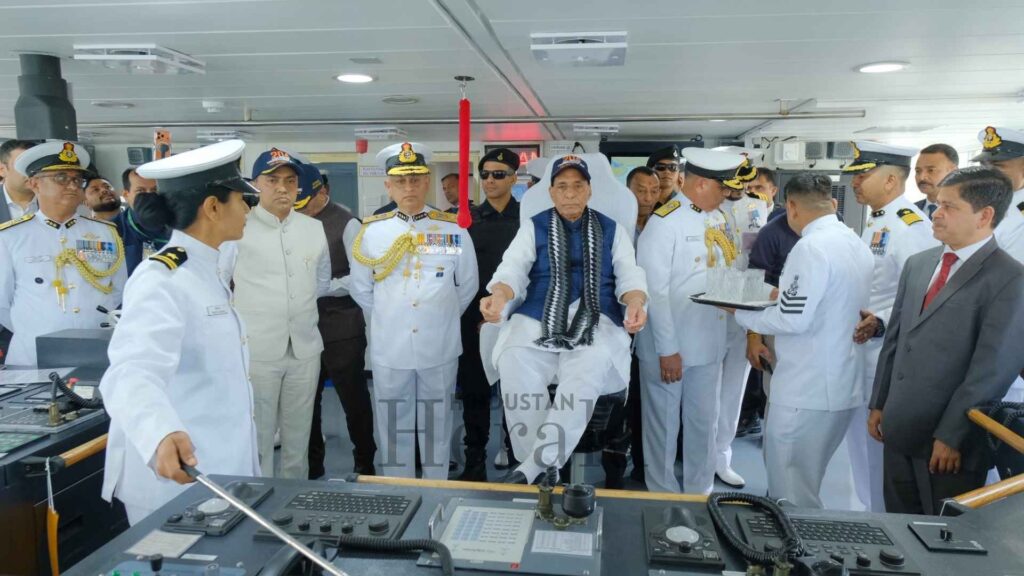
The logic is simple. The southwest coast is busy, sensitive, and vulnerable. When pollution hits here, fishing communities feel it almost immediately. Faster response means less damage, fewer losses, and fewer unanswered questions.
What Was Said, And What Wasn’t
In his remarks, Rajnath Singh spoke about coral reefs, mangroves, fisheries, and coastal livelihoods. He did not dress it up. Pollution, he said, hurts ordinary people first.
The message was not framed as a strategy or power. It was framed as a responsibility.
The Larger Reality
Shipping traffic in the Indian Ocean Region is only increasing. Accidents will happen. Oil will spill again. Chemicals will leak again. Samudra Pratap will not stop that. But it changes how prepared India is when it does.
Sometimes, the most important defence assets are the ones meant for cleanup, not conflict. This ship belongs to that category. Quiet. Necessary. And long overdue.
Stay ahead with Hindustan Herald — bringing you trusted news, sharp analysis, and stories that matter across Politics, Business, Technology, Sports, Entertainment, Lifestyle, and more.
Connect with us on Facebook, Instagram, X (Twitter), LinkedIn, YouTube, and join our Telegram community @hindustanherald for real-time updates.

Covers Indian politics, governance, and policy developments with over a decade of experience in political reporting.
- Ananya Sharma

- Ananya Sharma
- Ananya Sharma
- Ananya Sharma




 Arun Upadhayay
  Sandeep Verma