
 By Rajiv Menon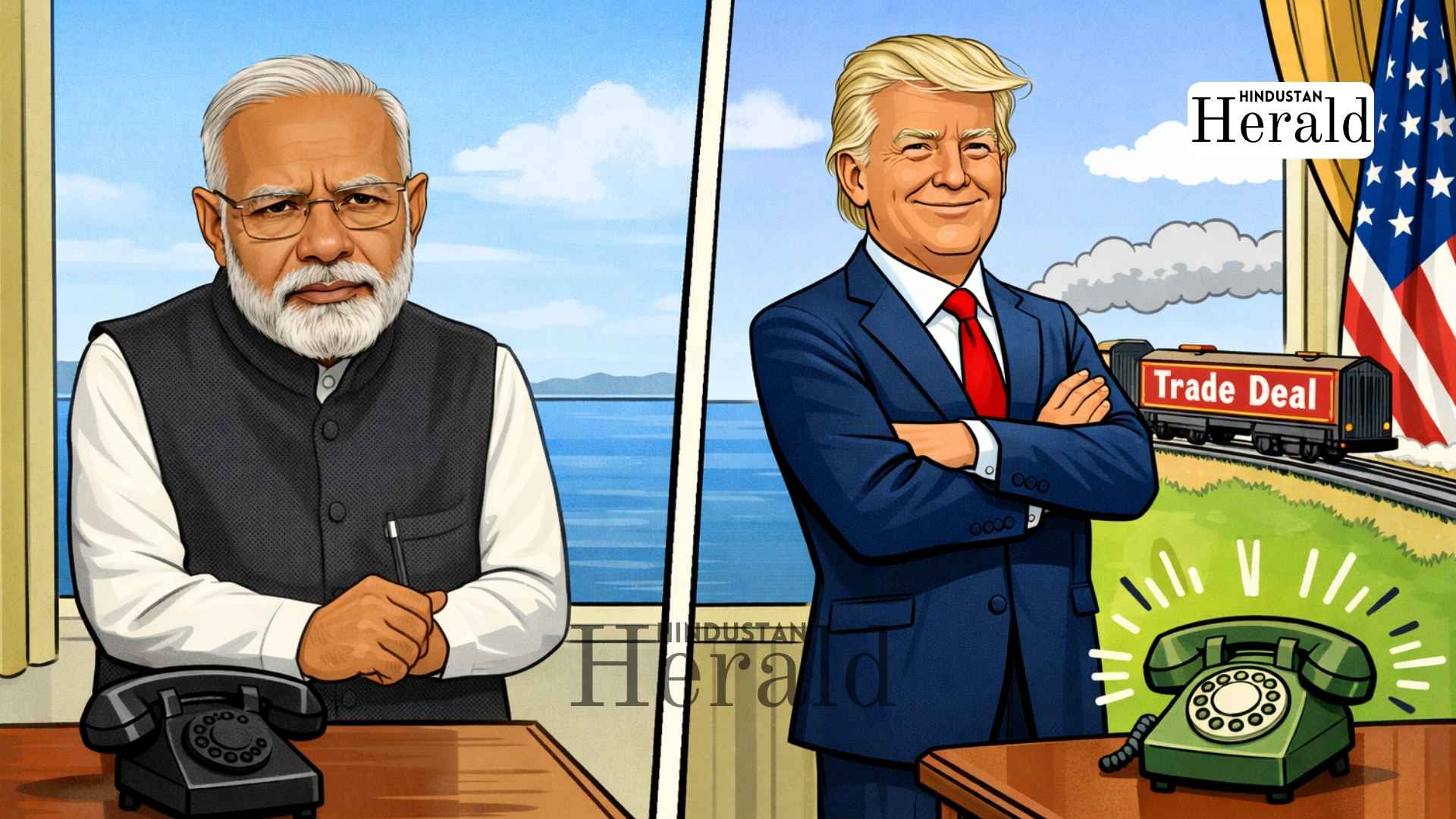
New Delhi, January 9: A startling disclosure by US Commerce Secretary Howard Lutnick has cast a long shadow over India-United States trade relations, revealing that a nearly finalized bilateral trade agreement collapsed because Prime Minister Narendra Modi did not personally place a phone call to US President Donald Trump at a decisive moment. The account, delivered during a candid interview on the All-In podcast, has triggered intense political and diplomatic debate in New Delhi and Washington alike, with far-reaching implications for tariffs, strategic trust, and India’s negotiating posture with the United States.
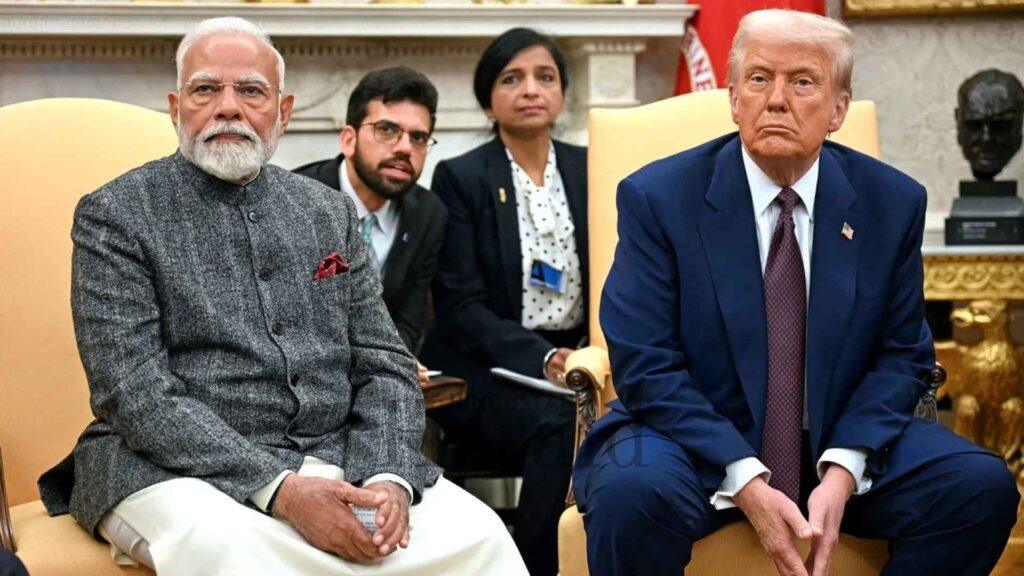
The comments, reported by multiple Indian and international outlets including Reuters, The Indian Express, and Hindustan Times, come at a time when India is already grappling with steep US tariffs and mounting pressure over its continued purchase of Russian crude oil.
The Podcast Revelation That Rocked Delhi And Washington

Speaking on the All-In Podcast, hosted by prominent Silicon Valley venture capitalists, Howard Lutnick laid out, in unusually blunt terms, how what he described as a done deal with India never crossed the finish line.
According to Lutnick, months of negotiations had culminated in a moment that required only one final political gesture. A direct phone call from Narendra Modi to Donald Trump.
“Let’s be clear, it’s his deal. He is the closer. He does it. It’s all set up,” Lutnick said during the interview. “You got to have Modi call the President. They were uncomfortable doing it. So, Modi didn’t call.”

The US Commerce Secretary indicated that the Prime Minister’s Office was given a three-week window to make the call and close the agreement. That window expired without the call ever taking place.
As it turns out, in Washington’s view, that silence was decisive.
A Missed Window And A Shifting Negotiation Table
Lutnick’s account suggests that India’s hesitation did not merely delay the agreement but fundamentally altered its fate. According to him, the United States had structured its wider trade strategy in Asia on the assumption that India would close first.

During the same period, Washington was in advanced negotiations with Indonesia, the Philippines, and Vietnam. Lutnick revealed that he negotiated with these countries at higher tariff rates, expecting India’s deal to anchor the region’s trade architecture.
India’s failure to finalize, he said, forced the US to recalibrate.
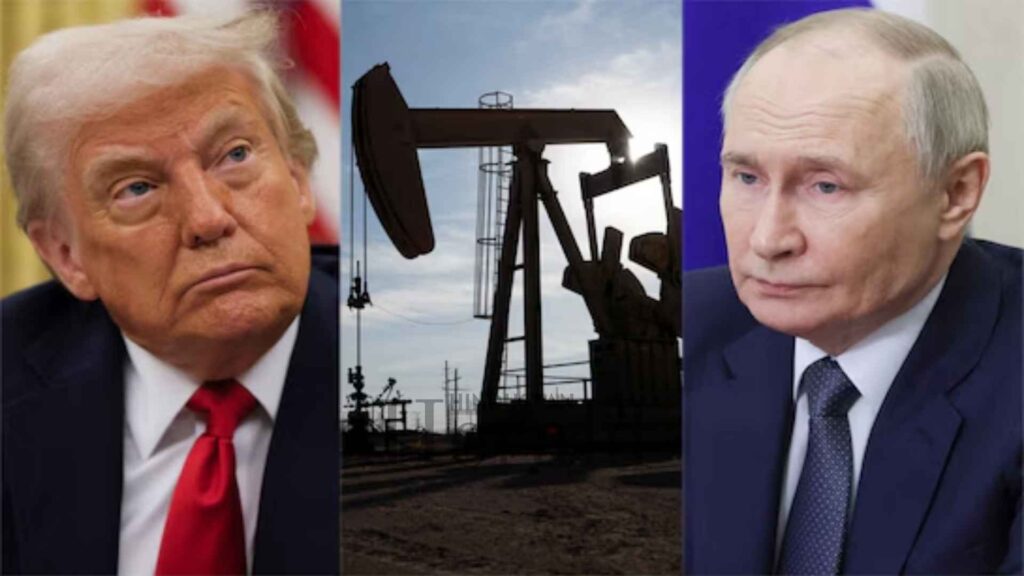
“The train left the station three weeks ago,” Lutnick remarked, using a metaphor that has since dominated Indian headlines. When Indian negotiators eventually returned to Washington seeking to close the agreement, the US position had hardened. The terms were no longer the same. The leverage had shifted.
In Lutnick’s words, India found itself “on the wrong side of the see-saw”.
Why A Phone Call Mattered So Much In Trump’s Washington
For seasoned diplomats, the idea that a trade agreement could hinge on a single phone call may appear extraordinary. Yet under President Trump, personal leader-to-leader engagement was often central to deal-making.
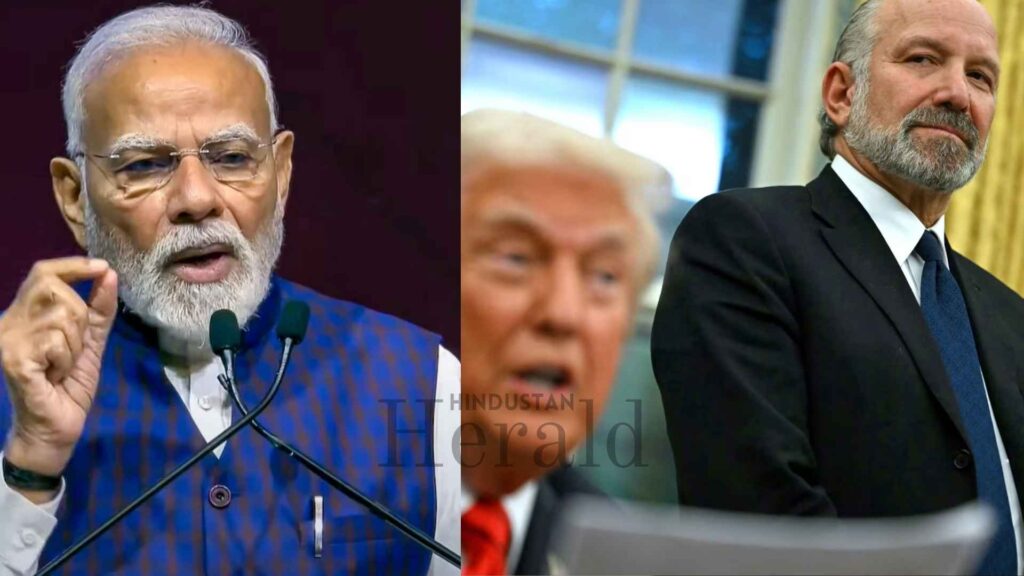
During Trump’s presidency, trade agreements with countries such as Japan, Mexico, and South Korea were repeatedly framed as the product of direct presidential intervention rather than bureaucratic consensus. According to US officials quoted in American and Indian media over the years, Trump viewed such calls as demonstrations of political commitment and respect.
Lutnick’s comments underscore that dynamic. In his telling, the call was not ceremonial but transactional. A signal that India’s leadership was willing to own the agreement politically.

Indian officials, however, have not publicly responded to the claim. According to The Indian Express, there is quiet discomfort within South Block over the suggestion that protocol or personal reluctance may have cost India billions of dollars in trade advantages.
Still, no formal denial has been issued.
Tariffs, Oil, And A Rapidly Deteriorating Trade Climate

The timing of Lutnick’s disclosure has amplified its impact. It comes just days after President Trump publicly warned that Prime Minister Modi was aware of Washington’s anger over India’s continued purchase of Russian oil, despite Western sanctions.
According to reports cited by CNBCTV18 and Hindustan Times, Trump indicated that tariffs on Indian exports could be raised “very quickly” if New Delhi did not adjust its energy procurement strategy.
At present, Indian exports to the United States face tariffs of up to 50 percent, a punitive rate that has alarmed exporters across sectors, from engineering goods to textiles. Six rounds of negotiations have already been held to arrive at a bilateral trade agreement, including a proposed framework to roll back these tariffs.
Lutnick’s remarks suggest that one such framework may already have slipped through India’s fingers.
The Russian Oil Factor And A 500 Percent Threat
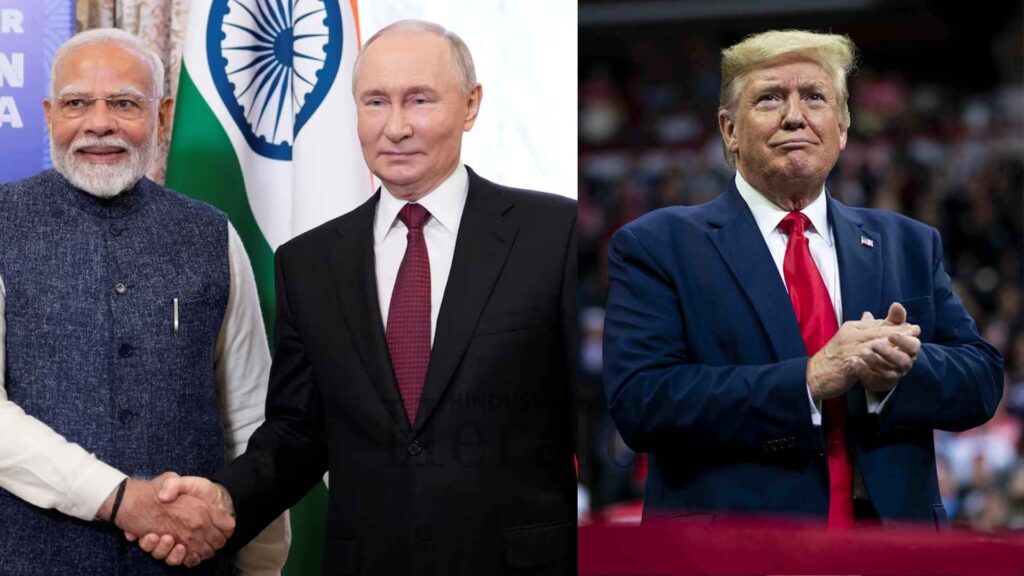
Complicating matters further is Trump’s backing of proposed US legislation that would impose 500 percent tariffs on countries continuing to buy Russian oil. While the bill has not yet become law, Trump’s public endorsement has sent a clear signal.
India, now one of Russia’s largest crude buyers, has defended its purchases on grounds of energy security and consumer affordability. New Delhi has repeatedly argued that Europe continues to import Russian energy indirectly and that India’s per capita energy consumption remains far lower than that of Western nations.

Still, Lutnick’s comments indicate that Washington is increasingly willing to use trade pressure to force alignment.
Strategic Optics And The Cost Of Hesitation
Beyond the immediate tariff implications, the episode raises deeper questions about India’s diplomatic signaling and negotiation strategy.
According to analysts quoted in The Times of India, the reluctance to place the call may have stemmed from concerns about optics, precedent, or domestic political messaging. Others suggest bureaucratic caution or misreading of Trump’s negotiating style.
Whatever the reason, the outcome appears clear. The United States moved on.
For India, the cost may extend beyond lost tariff concessions. Trust, once shaken, is difficult to rebuild in trade diplomacy. Washington’s pivot to Southeast Asian partners reinforces the perception that deals will not wait indefinitely for New Delhi’s internal consensus.
What Happens Next For India-US Trade
For now, negotiations continue, but on altered terrain. According to India Today, US officials believe any future agreement will now require greater concessions from India, both on market access and geopolitical alignment.
That said, neither side has formally walked away. India remains a critical strategic partner for the United States in the Indo-Pacific, and trade volumes between the two countries exceed $190 billion annually.
Still, as Lutnick’s comments make clear, moments matter. In the high-stakes world of global trade, silence can be as consequential as speech.
Whether New Delhi recalibrates its approach or doubles down on strategic autonomy remains to be seen. What is certain is that a single unmade phone call has now become a defining symbol of a missed opportunity.
For now, the train has left the station.
Stay ahead with Hindustan Herald — bringing you trusted news, sharp analysis, and stories that matter across Politics, Business, Technology, Sports, Entertainment, Lifestyle, and more.
Connect with us on Facebook, Instagram, X (Twitter), LinkedIn, YouTube, and join our Telegram community @hindustanherald for real-time updates.

Specializes in South Asian geopolitics and global diplomacy, bringing in-depth analysis on international relations.
- Rajiv Menon

- Rajiv Menon
- Rajiv Menon
- Rajiv Menon




 Neeraj Kapoor