
 By Ananya Sharma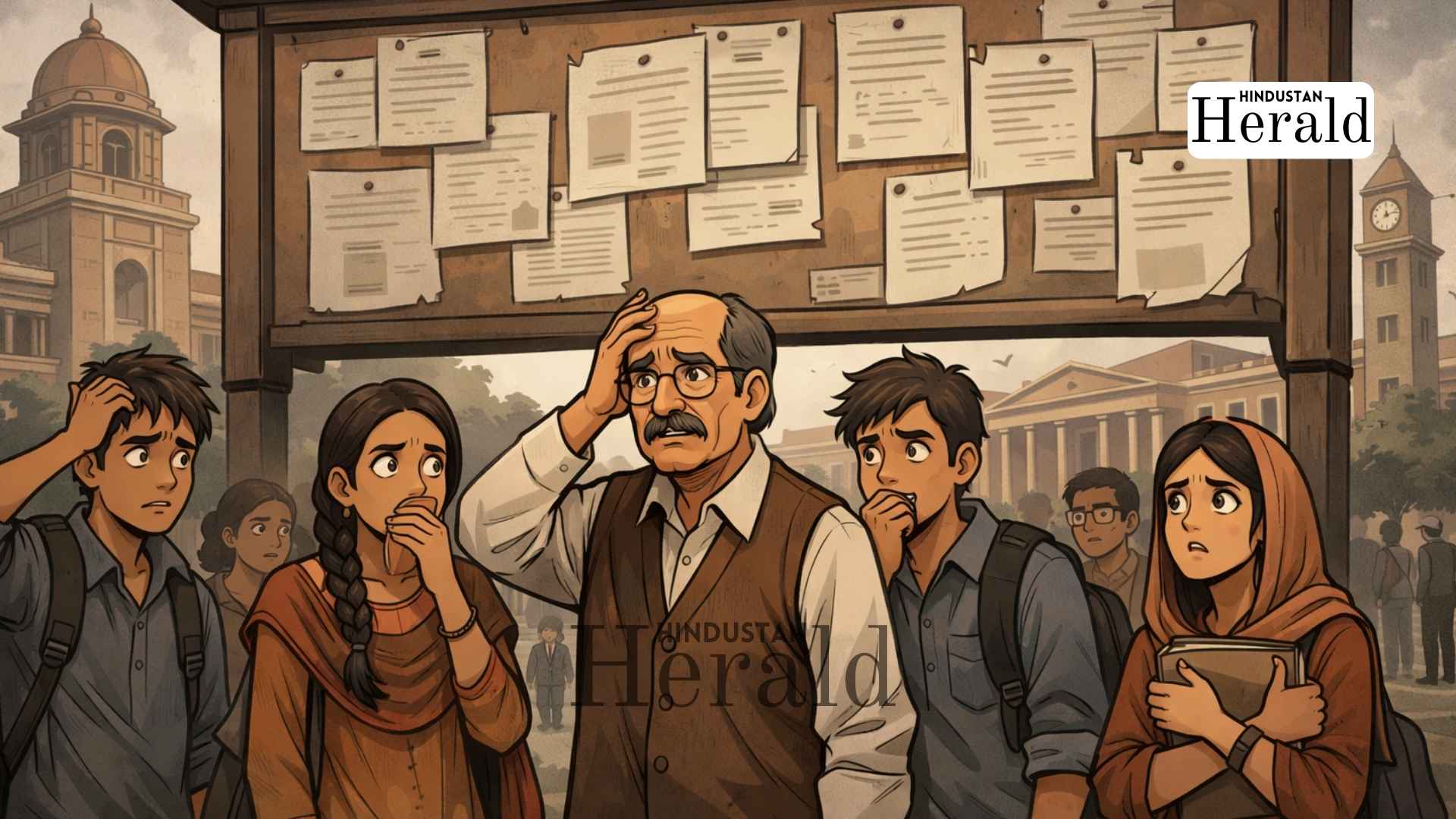
New Delhi, January 24: When the University Grants Commission (UGC) released its new Promotion of Equity in Higher Education Institutions Regulations, 2026, earlier this month, it did not hold a press conference or provide a long explanation. Just a notification dated January 15. Within hours, that document had reached student WhatsApp groups, faculty mailing lists, and protest pages on social media.

What followed was not confusion. It was fear, anger, and a growing sense that something fundamental had shifted inside India’s universities.
The regulations say they are meant to stop caste-based discrimination. Few argue with that goal. But the way these rules are written, and more importantly, what they leave out, has convinced many students and teachers that campuses could soon become places where a single complaint can change a life before the facts are even checked.
Why Students Say These Rules Feel Dangerous
The biggest issue students keep coming back to is simple and easy to understand.

Earlier drafts of the rules had a clause that said if a complaint was proven false or deliberately malicious, action could be taken against the complainant. That clause is gone.
In plain terms, there is now no punishment mentioned for false complaints.
For many students, especially from the general category, this feels like walking on a road where only one side is protected. They say the fear is not about genuine cases. It is about misuse, grudges, misunderstandings, or even simple academic disputes turning into serious accusations.
Students from Delhi University, Jawaharlal Nehru University, and several central universities told reporters that conversations have changed overnight. Group discussions feel tense. Faculty interactions are stiff. According to The Indian Express, some teachers have already started avoiding one-on-one meetings with students unless doors are open or emails are copied.

That is the kind of chilling effect people are talking about.
What The Rules Actually Allow Authorities To Do
Under the new regulations, every university must set up an Equity Committee. Once a complaint is filed, the committee has to take primary action within 24 hours.
That sounds quick. Maybe too quick.
The punishments listed are serious. Fines. Removal from hostels. Rustication. In some cases, police involvement. On top of that, institutions that do not act fast enough or are seen as non-compliant can face funding trouble.
Universities answer to the University Grants Commission, and the UGC now has the power to monitor, intervene, and even penalise institutions directly.
According to Business Standard, vice-chancellors are nervous. One senior administrator reportedly said the rules feel like they were written assuming universities cannot be trusted at all.
Why Social Media Has Exploded Over This
If campuses are anxious, social media is furious.
Hashtags like #UGCBiasRules and #CampusFear have been trending. Many users are calling the regulations “another SC/ST Act”, a comparison that has only made things worse.
Dalit and Adivasi student groups say this comparison is insulting and dishonest. They point out that discrimination on campuses is real, documented, and often ignored until it turns tragic. From their point of view, the outrage looks like resistance to accountability.
But students opposing the rules say they are being misunderstood. Their argument is not against protecting marginalised students. It is about due process. They say justice cannot work if fear replaces fairness.
NeoPolitico reports that student unions are now deeply divided, with debates turning personal and angry.
Universities Are Panicking Quietly
Away from protests and hashtags, university administrations are doing what they always do when rules are unclear and punishment is severe. They are protecting themselves.
According to OpIndia, institutions are creating longer paper trails, escalating even minor issues, and advising staff to be extremely cautious. The focus is not on resolving problems but on avoiding trouble.
Private and autonomous universities are particularly worried. Funding cuts or regulatory action can hit them hard. Many fear they will be forced to act harshly simply to appear compliant.
That does not help students. It does not help teachers. It only creates a culture of fear.
UGC Says Critics Are Missing The Point
The UGC is not backing down.

Officials say discrimination complaints have been ignored for decades. Committees existed on paper but did nothing. Victims were told to wait, compromise, or stay silent. From the UGC’s point of view, speed and strictness are necessary because softness has failed.
In statements to PTI, officials have said fears about misuse are exaggerated and often raised whenever stronger protections are introduced. They argue that adding penalties for false complaints discourages genuine victims from coming forward.
The commission has said it may issue clarifications, but there is no sign that the removed safeguard will return.
What This Debate Is Really About
This is no longer just about a regulation.
It is about trust.
Do students trust institutions to be fair? Do teachers trust regulators to understand campus life? Do universities trust the UGC not to act with a heavy hand?
Right now, the answer to all three questions seems to be no.
India has always struggled to balance social justice with procedural fairness. These regulations have pushed that struggle into the open, without offering comfort to either side.
What Happens Now
Legal challenges are being prepared. Student protests are continuing. Some political leaders are asking for a review. Universities are waiting for clarifications that may not solve the core problem.
For now, the rules are in force.
Campuses remain tense. Conversations are cautious. Silence feels safer than speaking freely.
Whether these regulations lead to real equity or lasting damage will depend on how they are applied, and whether the system is willing to listen before it punishes.
Stay ahead with Hindustan Herald — bringing you trusted news, sharp analysis, and stories that matter across Politics, Business, Technology, Sports, Entertainment, Lifestyle, and more.
Connect with us on Facebook, Instagram, X (Twitter), LinkedIn, YouTube, and join our Telegram community @hindustanherald for real-time updates.

Covers Indian politics, governance, and policy developments with over a decade of experience in political reporting.
- Ananya Sharma

- Ananya Sharma
- Ananya Sharma
- Ananya Sharma




 Arun Upadhayay and Ananya Sharma