
 By Dr. Ritu Malhotra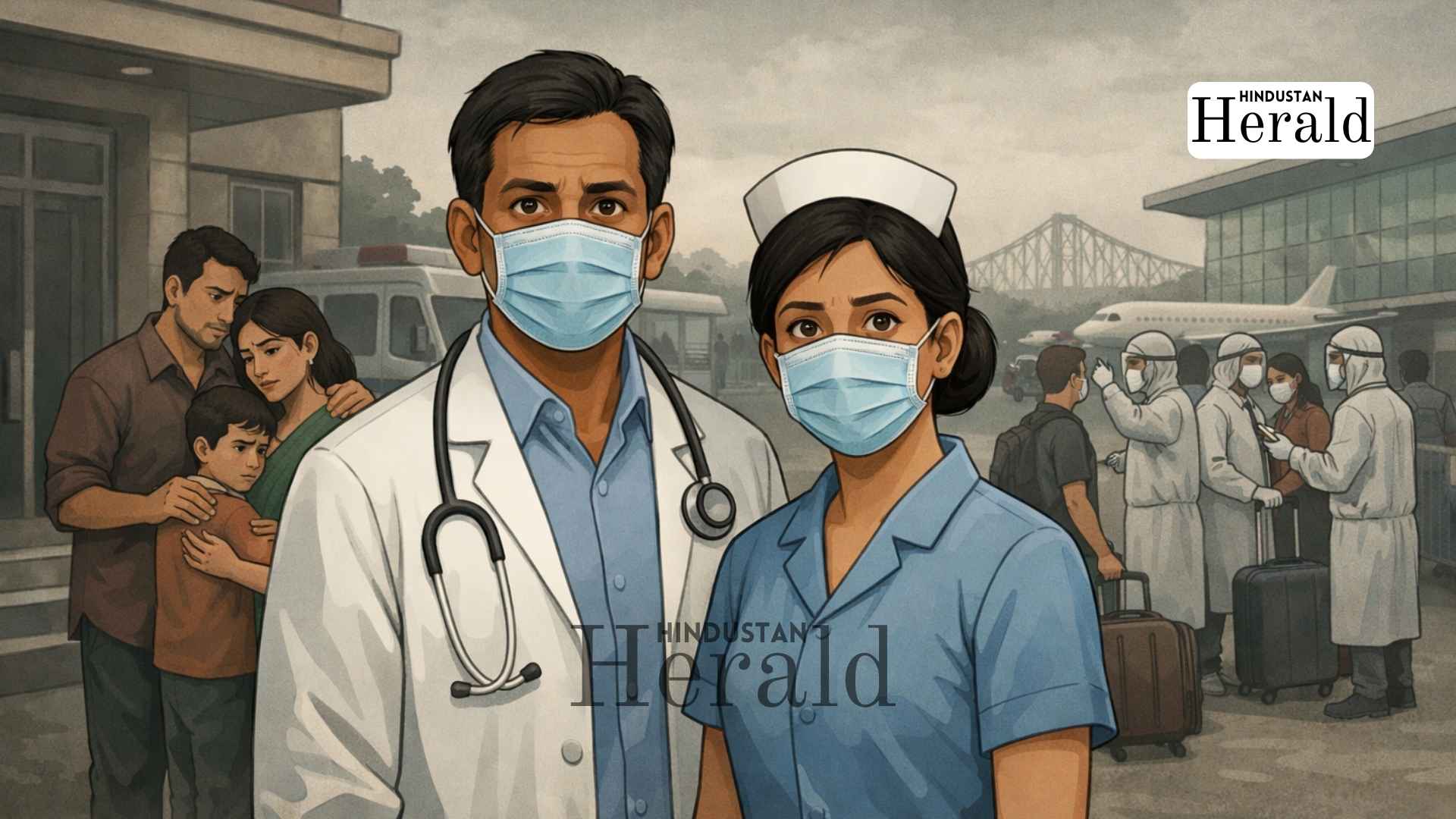
Kolkata, January 26: In lanes around West Bengal, people are going about their day, but something feels off. Conversations stop midway. Phone calls last longer. Hospital gates feel more guarded than usual. It is not panic. It is awareness. The kind that comes when a dangerous word returns quietly. Nipah.

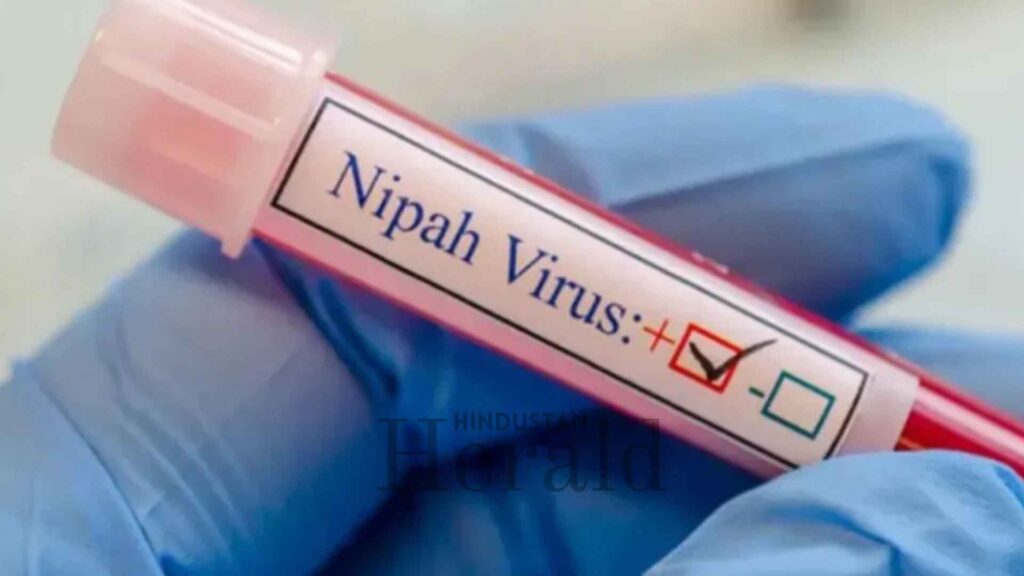
A Nipah virus outbreak in Barasat, just outside Kolkata, has so far infected five people. Nearly 100 others are sitting inside their homes under quarantine, waiting, watching, hoping they do not develop symptoms. Across Asia, airports are pulling out old rulebooks, bringing back screening measures most people hoped were history.

All this, from five cases.
What We Know Right Now
Health officials say the chain likely began with one patient who later died. Doctors believe this person was the first source of infection. Those who treated the patient are now among the infected.
The list includes two nurses, one doctor, and two other hospital staff. One woman is in critical condition inside the Intensive Coronary Care Unit. A male nurse is stable and improving, though doctors are careful not to promise anything too early.

Around 100 people, mostly hospital workers and close contacts, have been told not to step out. Health teams call or visit daily. Officials repeat the same line. There is no sign of spread in the wider community. Still, no one is celebrating.
Why This Virus Makes People Nervous
To most people, five infections sound manageable. For doctors, Nipah does not work that way.
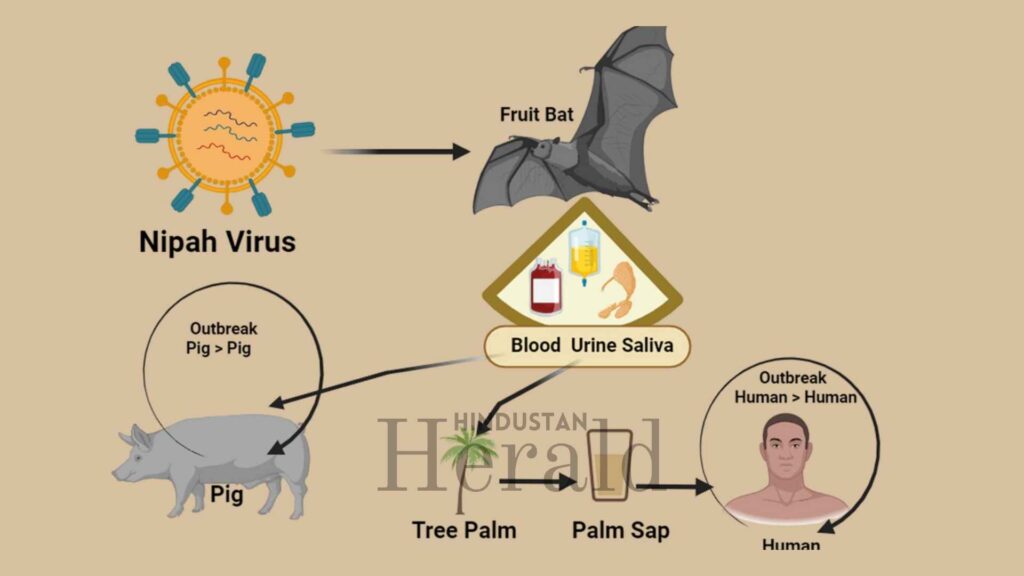
Nipah virus usually comes from fruit bats. Sometimes it passes through food. Sometimes it spreads from person to person, especially in hospitals. The illness often begins like a normal fever. Mild. Easy to ignore.
Then, in some patients, it hits hard. Breathing becomes difficult. The brain swells. People lose consciousness. The decline can be fast and brutal.
What makes it worse is what medicine cannot offer. There is no vaccine. There is no confirmed cure. Treatment means supportive care and strict isolation. Stop the spread or lose control.
India has seen this before. West Bengal faced Nipah outbreaks in 2001 and 2007. Kerala has dealt with it multiple times since 2018. Each time, quick action was the only thing standing between control and chaos.
Doctors And Nurses Under Strain Again
The hardest truth in this outbreak is who is getting sick.

Doctors and nurses. The same people who carried the country through COVID are once again exposed. Many of them say Nipah feels scarier, not louder.
In the early stages, no one knows what virus they are dealing with. A patient walks in with fever. The real danger becomes clear only after test results arrive. By then, exposure has already happened.
Hospitals across Kolkata are tightening safety rules. Protective gear is being checked. Isolation rooms are being prepared. Healthcare workers are being reminded to stay alert, even when tired.
Why Other Countries Are Acting So Fast
Outside India, the response has been swift and serious.
In Thailand, airports have started screening passengers arriving from India. Temperature checks and health questions are back.
Nepal has increased checks at Tribhuvan International Airport and along land borders. Travellers from eastern India are being examined carefully.
In Taiwan, authorities have announced plans to list Nipah as a Category 5 communicable disease, giving officials more power to monitor and respond.
None of these countries are facing outbreaks of their own. They are acting because Nipah leaves little room for regret.
What The Indian Government Is Doing
The Ministry of Health and Family Welfare has issued advisories across the country. States have been asked to watch closely for Acute Encephalitis Syndrome, which can hide Nipah cases.
Anyone who has recently travelled to West Bengal or had contact with infected persons is being monitored. Hospitals have been told to follow infection control rules strictly, especially in emergency rooms and ICUs.
In West Bengal, contact tracing teams are working nonstop. Samples are being tested in approved labs. Senior officials review the situation daily.
Public statements remain calm. Behind closed doors, officials know how fast things can change.
Life Outside Continues, But People Are Watching
There is no lockdown. Shops are open. Trains are running. Schools are functioning.
But people notice things more now. A cough draws attention. Masks are coming back inside hospitals. Families worry about relatives working in healthcare. Rumours spread fast, and officials are trying to cut them off before they grow.
The fear is quiet. It has not spilled into the streets. But it is there.
Why The Next Few Days Matter Most
Nipah does not spread loudly. It tests patience. It exposes weak systems slowly.
If no new cases appear outside the known group, this outbreak may remain limited. If infections spread elsewhere, especially outside hospitals, the situation will shift quickly.
For now, India is watching carefully. So are its neighbours.
And in Barasat, where this began, the hope is simple and very human. That this virus stops here, before it asks for more.
Stay ahead with Hindustan Herald — bringing you trusted news, sharp analysis, and stories that matter across Politics, Business, Technology, Sports, Entertainment, Lifestyle, and more.
Connect with us on Facebook, Instagram, X (Twitter), LinkedIn, YouTube, and join our Telegram community @hindustanherald for real-time updates.

Public health researcher and science communicator translating complex topics into accessible insights.
- Dr. Ritu Malhotra

- Dr. Ritu Malhotra
- Dr. Ritu Malhotra
- Dr. Ritu Malhotra