 By Ayesha Khan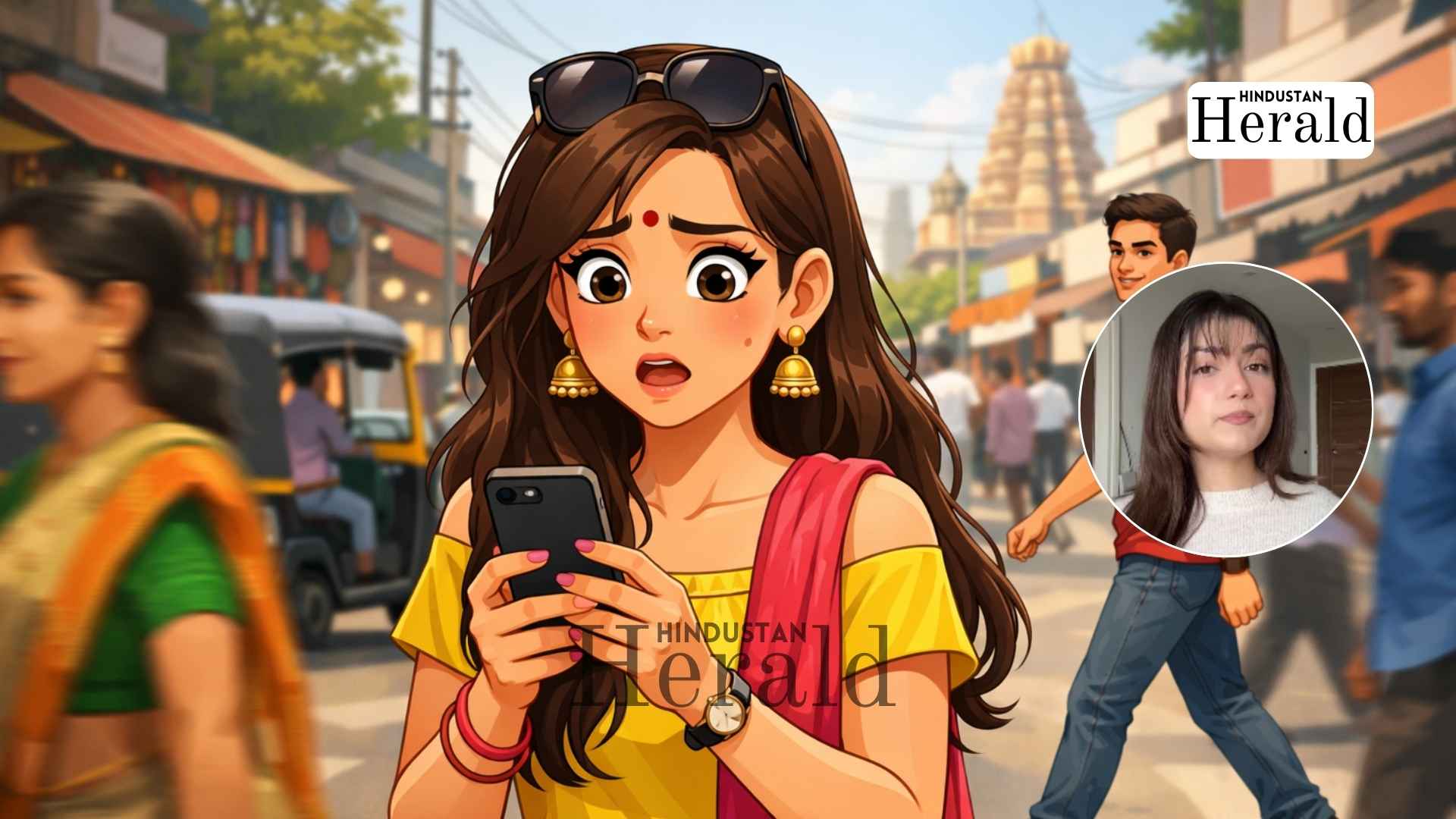
New Delhi, January 27: By the time Amulya Rattan turned on her camera to explain herself, the damage was already done. The internet had watched, judged, argued, abused, memed, and moved into outrage mode. All over a few seconds of video shot on a public road.
What might once have passed as a careless remark is now being treated as a symbol of everything people are tired of in influencer culture. Entitlement. Tone-deafness. And the idea that the rest of the world should pause because a camera is rolling.
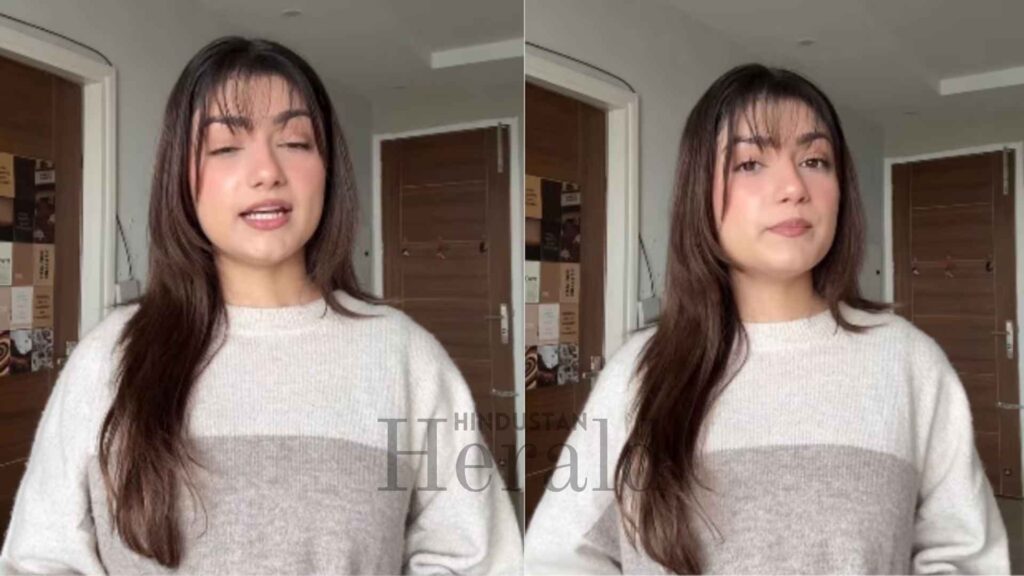
The phrase “zero civic sense” did not just anger viewers. It stuck.
The original clip was simple. Rattan was filming a fashion “fit check”, walking backwards on a street, focused on her phone. A man walked across the frame, not rushing, not interrupting her deliberately. Just walking, the way people do on roads meant for walking.
Rattan stopped and scolded him on camera, asking him about his civic sense. Another clip surfaced soon after, where she sounded even more irritated. “They will just come in between. I get irritated by these small things,” she said, making it clear she did not think she had done anything wrong.
That second clip is what pushed public anger over the edge.
According to The Times of India, many viewers felt the man was being shamed for simply existing in a public space. For a lot of people watching from crowded cities, the moment felt uncomfortably familiar. Someone with influence is telling an ordinary person to step aside.
What followed was predictable, and yet extreme.
The videos travelled fast. Instagram. X. WhatsApp forwards. Comment sections are filled with anger, sarcasm, and judgment. People accused Rattan of acting privileged, of treating roads like personal studios, of forgetting that public spaces belong to everyone.
Some said influencers had crossed a line long ago. That filming reels in markets, metro stations, and streets had turned normal life into background noise for content.
Others tried to slow things down, pointing out that a short clip rarely shows the full story. But those voices were drowned out.
Online outrage rarely waits for context.
After days of silence, Rattan finally responded with a clarification video on Instagram.
Her tone was calmer. Softer. She admitted that her choice of words was wrong and said she had learnt from the incident. She explained that the original video was a Snapchat story, never meant to travel so far or be picked apart by millions.
According to India Today, she said her irritation came from repeated disturbances during outdoor shoots, including uncomfortable attention from men, which had left her frustrated. It was context, not justification, she insisted.
She ended with an apology in Hindi, saying she was sorry if anyone’s sentiments were hurt.
For some viewers, that should have been the end of it.

It was not.
What Rattan also spoke about was the abuse that followed. She shared screenshots of messages she said she had received. Some were nasty. Others were threatening.
“Do I deserve threats for one video?” she asked.
According to Moneycontrol, she condemned the language used against her and said criticism should not turn into harassment. On this point, even many of her critics agreed. Calling someone out is one thing. Crossing into threats is another.
Still, the internet does not pause easily.
Reactions to the clarification were split right down the middle.
Some influencers and followers supported her for apologizing. “Good on your part to be learning,” one creator commented.
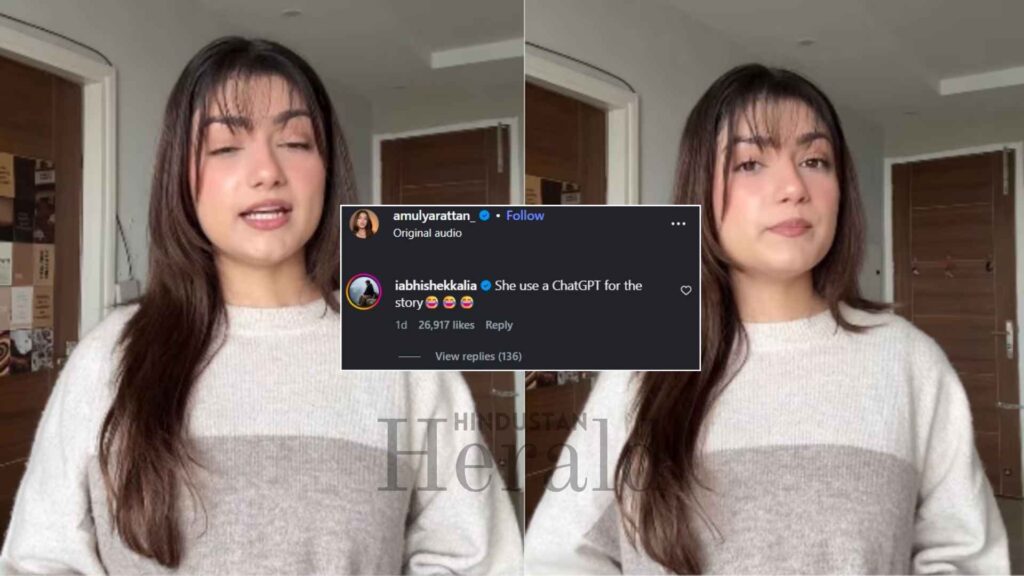
Many others were unconvinced. They called the video a sympathy play. They joked that it sounded scripted. Comments mocking the apology flooded the post. For these viewers, the apology felt more like damage control than reflection.
As reported by Moneycontrol, a common sentiment was that the focus had shifted too quickly from what was said to how badly the influencer was treated afterward.
Both things, many felt, could be true at once.
Strip away the personalities, and what remains is a bigger problem that keeps repeating itself.
India’s influencer economy has grown faster than the social rules around it. Cameras are everywhere. Content is constant. But public spaces have not changed. Roads are still roads. People still have places to go.
When creators forget that, backlash follows.
At the same time, the speed and cruelty of online punishment raises its own uncomfortable questions. One mistake now lives forever, dissected by strangers who feel free to say things they would never say face to face.
For now, Amulya Rattan is caught in the middle of that reality. Wrong in how she spoke. Right in saying that abuse is not accountability.
This episode will pass, as most viral controversies do. Another clip will take its place. Another debate will begin.
But the discomfort behind it will remain. About who gets space. Who gets judged. And how easily the internet forgets that there are real people on both sides of the screen.
Stay ahead with Hindustan Herald — bringing you trusted news, sharp analysis, and stories that matter across Politics, Business, Technology, Sports, Entertainment, Lifestyle, and more.
Connect with us on Facebook, Instagram, X (Twitter), LinkedIn, YouTube, and join our Telegram community @hindustanherald for real-time updates.

Covers films, television, streaming, and celebrity culture with a focus on storytelling trends.
- Ayesha Khan

- Ayesha Khan
- Ayesha Khan
- Ayesha Khan