 By Dr. Ritu Malhotra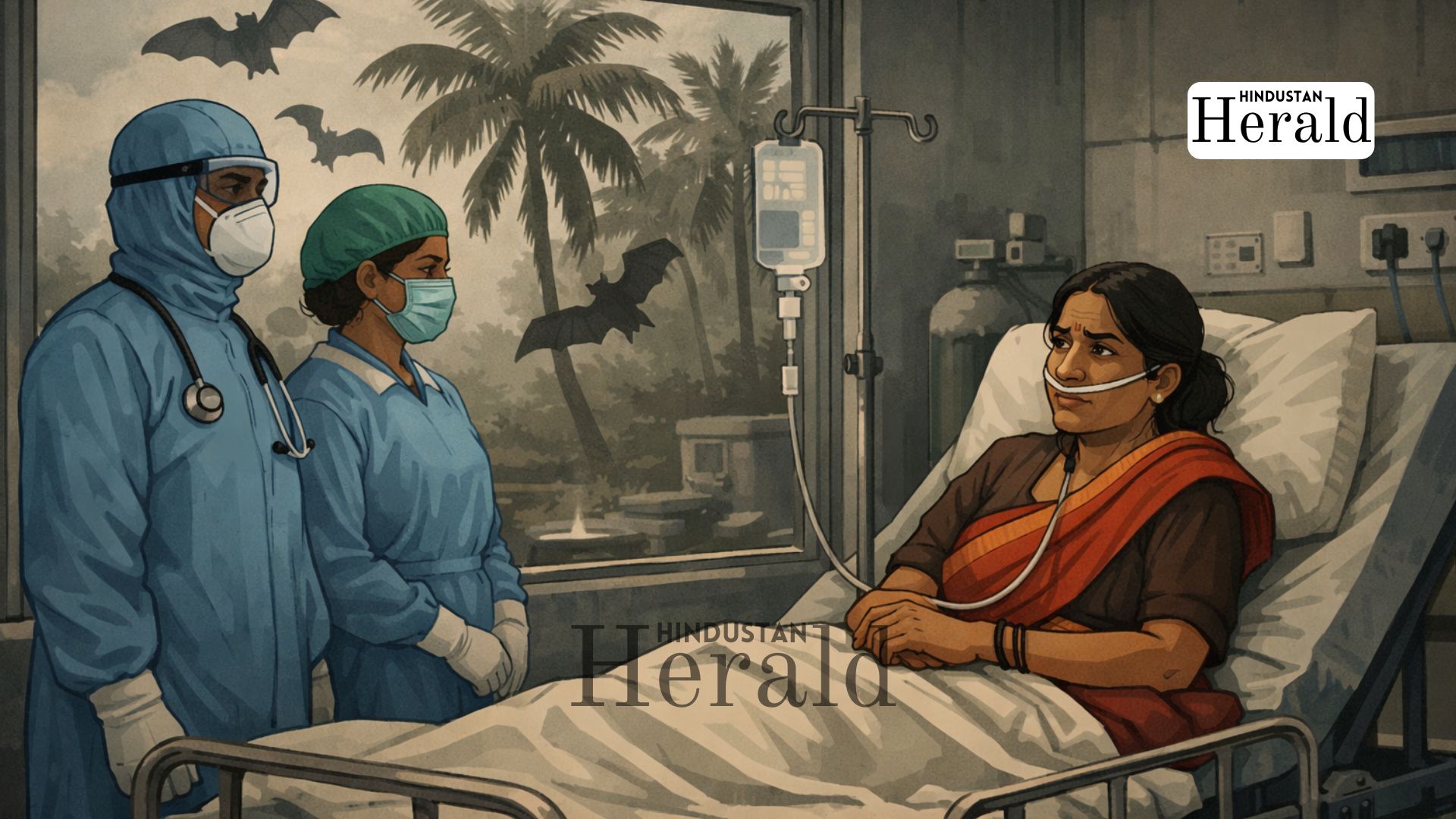
Kolkata, January 30: For the moment, things are quiet. And when it comes to the Nipah virus, quiet is about the best news anyone can ask for.
There have been no new cases in West Bengal since January 27, according to the latest confirmation from the World Health Organization. Health officials are relieved, but nobody is relaxing. Not yet.
Anyone who has dealt with Nipah before will tell you the same thing. This virus does not announce itself. It does not spread widely. It waits. And then, suddenly, it hits where you least expect it.
Right now, the situation is still limited to two confirmed patients from the Barasat–Kalyani region. Both cases were detected in the middle of January. One patient, a man, has shown improvement and is recovering under medical supervision. The other, a woman, remains critical, being treated in an isolation ward.

Once the cases were confirmed, health workers moved fast. 196 people who had any kind of contact with the patients were identified. Family members. Doctors. Nurses. Ambulance staff. Even people who happened to be in the same spaces. All of them have tested negative so far.
On the surface, this sounds reassuring. On the ground, officials know better than to let their guard down.
Why Two Nipah Cases Are Enough To Cause Fear
People often wonder why so much attention is given when the numbers are so small. The answer lies in what Nipah does to the human body.
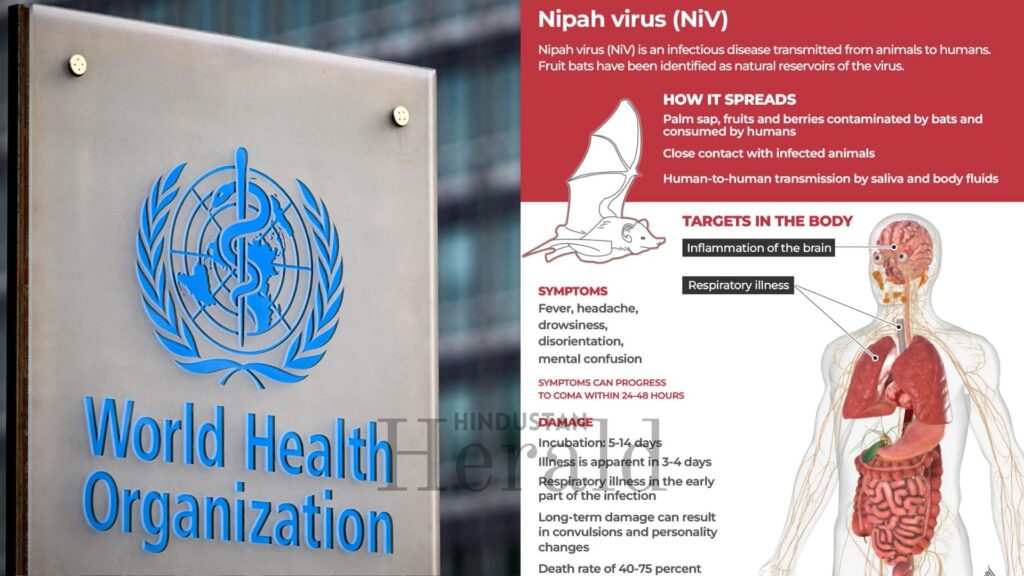
This is not a virus that gives you days to decide what to do. It can move fast. Very fast. A person can wake up with fever and headache and, within a day or two, slip into confusion, seizures, or even coma.

There is no vaccine. There is no fixed treatment. Doctors can only manage symptoms, support breathing, control brain swelling, and hope the patient’s body fights back.
In past outbreaks, four out of ten patients did not survive. In some cases, it was worse.
That is why even a single confirmed case rings alarm bells across the health system.
The Bat Connection People Forget About
Nipah comes from fruit bats. These bats are not rare. They live close to people. They sit on trees near homes, markets, and farms. Most of the time, nobody notices them.

The real problem starts in winter.
This is when date palm sap is collected. The sap is left overnight in open containers tied to trees. Bats are attracted to it. They drink from it. They contaminate it. In the morning, people drink the sap, believing it is fresh and healthy.
What they cannot see is the virus.
Health officials have been repeating this warning for years now, and they are repeating it. Do not drink raw date palm sap. Not even once. Boil it properly or avoid it altogether.
Almost every Nipah outbreak in eastern India has carried this same lesson.
Symptoms People Should Never Ignore
One of the biggest dangers with Nipah is that it starts like any normal illness. Fever. Headache. Weakness. People think it will pass.

Doctors say this is where lives are lost.
Anyone who has a fever, a bad headache, a persistent cough, difficulty breathing, or vomiting, especially in or around affected areas, should go to a hospital immediately.
If there is confusion, fits, unusual sleepiness, or fainting, it is already an emergency. At that stage, waiting at home can be deadly.
What Authorities Are Actually Asking People To Do
There is no lockdown. There are no travel bans. There is no reason to panic.
The advice is simple, almost boring. And it works.
Wash fruits properly. Throw away fruits with bite marks.
Avoid raw date palm sap completely.
Do not touch bats or sick animals.
Wear a mask and wash your hands when caring for someone unwell.
Report symptoms early instead of hiding them.
Hospitals have been told to stay ready. Isolation wards are prepared. Protective equipment is available. Health workers are on alert.
What Makes The Situation Worse
Officials are also clear about what causes trouble.
Ignoring symptoms.
Delaying treatment.
Visiting hospitals unnecessarily.
Spreading rumours on social media.
Fear spreads faster than Nipah. Wrong information spreads even faster.
For Now, The State Waits
At this point, West Bengal is in watch mode. No rise in cases. No fresh alerts. Just constant monitoring.
Health workers are still checking contacts every day. Labs are ready. Surveillance teams are in the field. This phase will continue for weeks before anyone can say the danger has passed.
Nipah does not end with a headline. It fades quietly if people cooperate.
Until then, the message is plain and meant for everyone, not just doctors or officials:
Be careful. Don’t panic. And don’t take chances with your health.
Sometimes, that is all it takes to stop something dangerous from spreading.
Stay ahead with Hindustan Herald — bringing you trusted news, sharp analysis, and stories that matter across Politics, Business, Technology, Sports, Entertainment, Lifestyle, and more.
Connect with us on Facebook, Instagram, X (Twitter), LinkedIn, YouTube, and join our Telegram community @hindustanherald for real-time updates.

Public health researcher and science communicator translating complex topics into accessible insights.
- Dr. Ritu Malhotra

- Dr. Ritu Malhotra
- Dr. Ritu Malhotra
- Dr. Ritu Malhotra