
 By Kavita Iyer
New Delhi, February 1: There was no buzz inside Parliament when Nirmala Sitharaman began reading out the Union Budget 2026. No table-thumping. No dramatic pauses. It felt more like a long explanation given calmly, almost the way a family elder explains monthly expenses at the dining table.
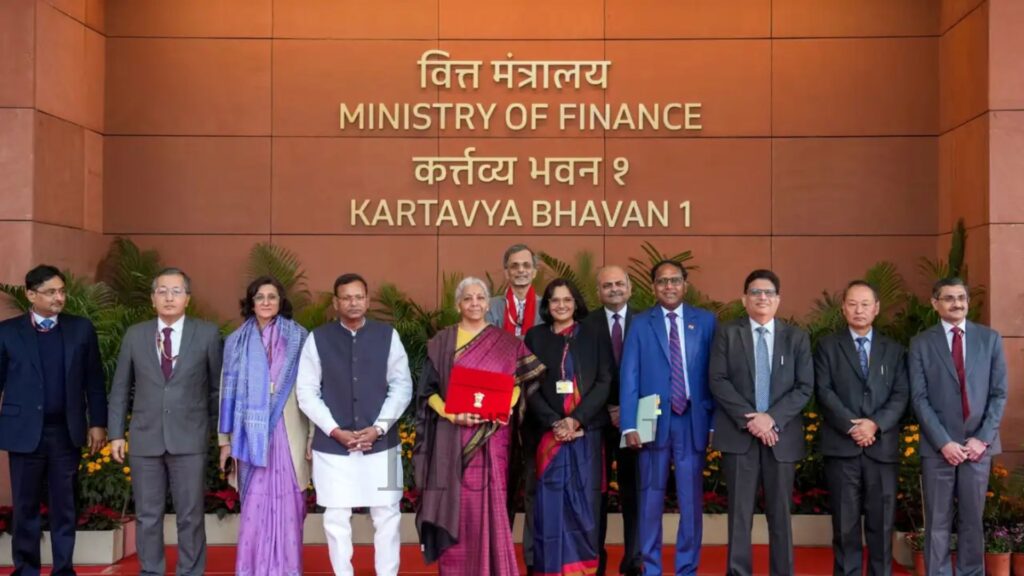
That tone ran through the entire budget.
This was not a speech aimed at excitement. It was aimed at reassurance. To investors, to rating agencies, to ordinary taxpayers who worry about prices and jobs, the message was simple. Things are under control. Nothing wild is coming.
What This Budget Is Trying To Say
In simple words, the government is saying this. We will keep building the country, but we will not spend money as if there is no tomorrow.
Spending on big projects has gone up again. Capital expenditure has been raised to Rs 12.2 lakh crore for FY27, from Rs 11.2 lakh crore this year. That means more roads, more rail lines, more construction work, and more contracts for companies.
The belief is old but steady. When the government builds, people get jobs. Shops sell more. Factories get orders. The economy keeps moving.
But there is also a clear attempt to look responsible. The fiscal deficit has been kept at 4.3 per cent of GDP, slightly better than the 4.4 per cent estimated this year. It may sound like a tiny change, but in government math, these small shifts matter.
The debt-to-GDP ratio, expected at 55.6 per cent, shows the government wants to signal that borrowing is not running out of hand, especially after the heavy spending during Covid.
What Middle-Class Homes Will Feel
For most people watching the budget on television or checking updates on their phone, one question matters most. Will my tax come down?
The short answer is no big relief.
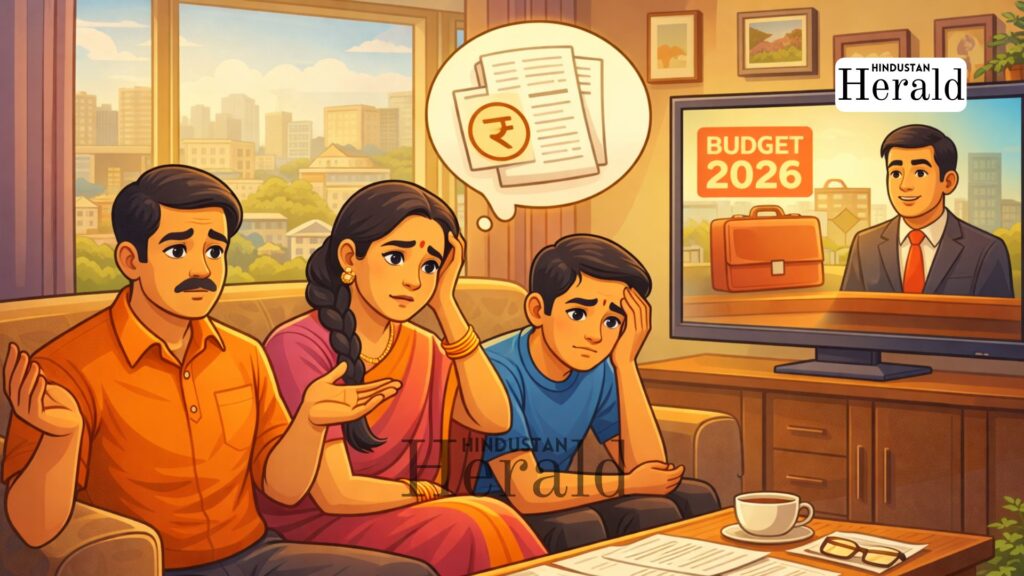
There are no changes to income tax slabs. Salaried employees hoping for a major cut will be disappointed.
That said, the government has offered some small relief. The standard deduction has been increased to Rs 1 lakh. This means a little more money stays with you before tax is calculated. It will not change lifestyles, but it may help with monthly expenses.
Small investors also get some comfort. The long-term capital gains exemption limit is expected to be raised to Rs 2 lakh. This matters to people who invest slowly through mutual funds or occasional stock purchases.
Another change that will matter over time is the New Income Tax Act, 2025, which will start from April 1, 2026. The promise is a simpler law with clearer language and fewer confusing sections. Taxpayers have heard such promises before, so most will wait to see how it works in real life.
The extension of the buyback tax to all shareholders closes a gap that companies were using. For investors, it means fewer tricks and clearer rules.
Why Railways Are Always In The Budget
Every year, railways make a big appearance in the budget, and this year is no different.
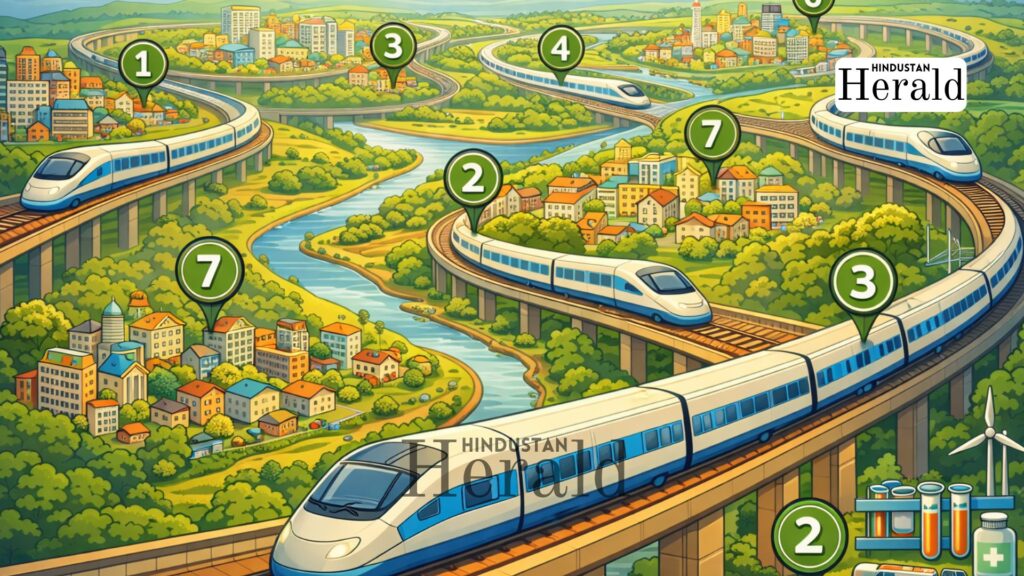
The government announced seven high-speed, sustainable rail corridors. These are not luxury trains for selfies. They are meant to move goods faster and cut transport costs.
Why does this matter to regular people? Because cheaper transport helps control prices. It also reduces pressure on roads and fuel.
The budget also sets aside Rs 20,000 crore over five years for infrastructure-linked sectors. The slow release of funds suggests the government wants projects completed properly, not rushed and abandoned halfway.
There is also strong attention on Tier 2 and Tier 3 cities. Smaller cities are growing fast but often lack good roads, trains, and hospitals. The budget makes it clear that future growth is expected to come from these towns, not only from big metros.
Small Businesses Get Some Breathing Space
For small businesses and MSMEs, the budget offers quite a lot of support.

A Rs 4,000 crore top-up to the Self-Reliance Fund has been announced. This fund provides equity support, not just loans. That matters because loans bring pressure to repay, while equity allows businesses to expand more comfortably.
Many small business owners will tell you this is what they need most. Not more debt, but patient money.
The budget also talks about boosting manufacturing in seven strategic sectors. Details are limited, but the direction remains unchanged. Make more in India and reduce dependence on imports.
Banks And Hospitals Get A Nod
The finance minister briefly mentioned a banking reform committee. This suggests the government is thinking about changes in how banks function, especially public sector banks.
Nothing concrete has been announced yet, so this is more of a signal than a decision.
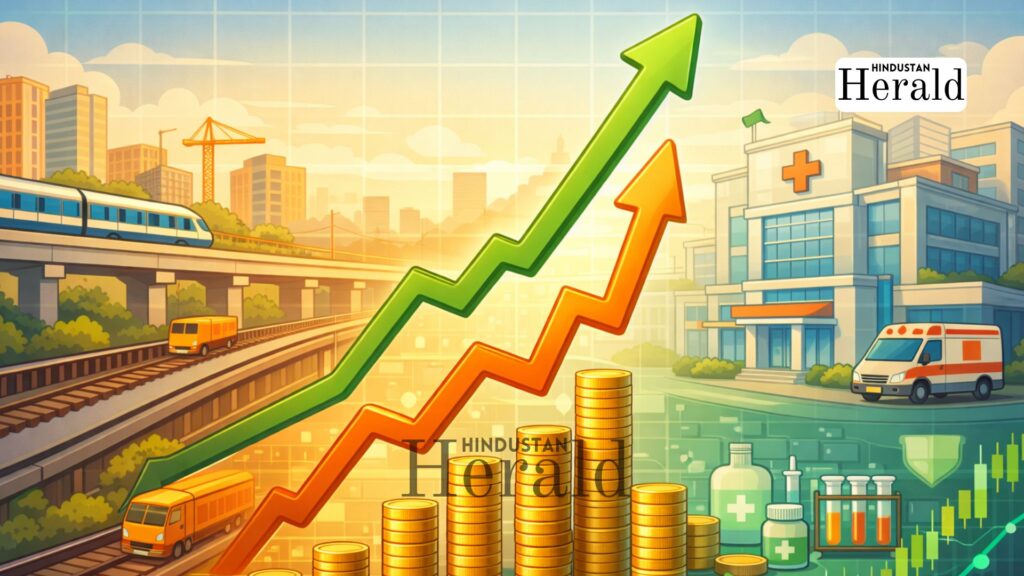
Healthcare also found space, particularly medical tourism. India already attracts patients from abroad because treatment is affordable and doctors are skilled. The government wants to expand this and turn it into a stronger source of jobs and income.
How The Market Took It
The stock market reaction was calm. Infrastructure and healthcare stocks gained, mainly because the budget brought no shocks.
Investors like predictability. This budget delivered that.
What This Budget Means In Real Life
This is not a budget that will change lives overnight. There are no big tax cuts. No dramatic announcements.
But it shows how the government wants to move forward. Slowly. Carefully. Without upsetting the balance.
For ordinary citizens, the impact will come over time. Better roads. Better trains. Slightly easier taxes. And an economy that moves forward without sudden jolts.
The Union Budget 2026 feels less like a political speech and more like a plan written after checking the calculator twice.
Stay ahead with Hindustan Herald — bringing you trusted news, sharp analysis, and stories that matter across Politics, Business, Technology, Sports, Entertainment, Lifestyle, and more.
Connect with us on Facebook, Instagram, X (Twitter), LinkedIn, YouTube, and join our Telegram community @hindustanherald for real-time updates.

Former financial consultant turned journalist, reporting on markets, industry trends, and economic policy.
- Kavita Iyer

- Kavita Iyer
- Kavita Iyer
- Kavita Iyer




 Sandeep Verma and Kavita Iyer
  Arun Upadhayay