 By Prakash Nair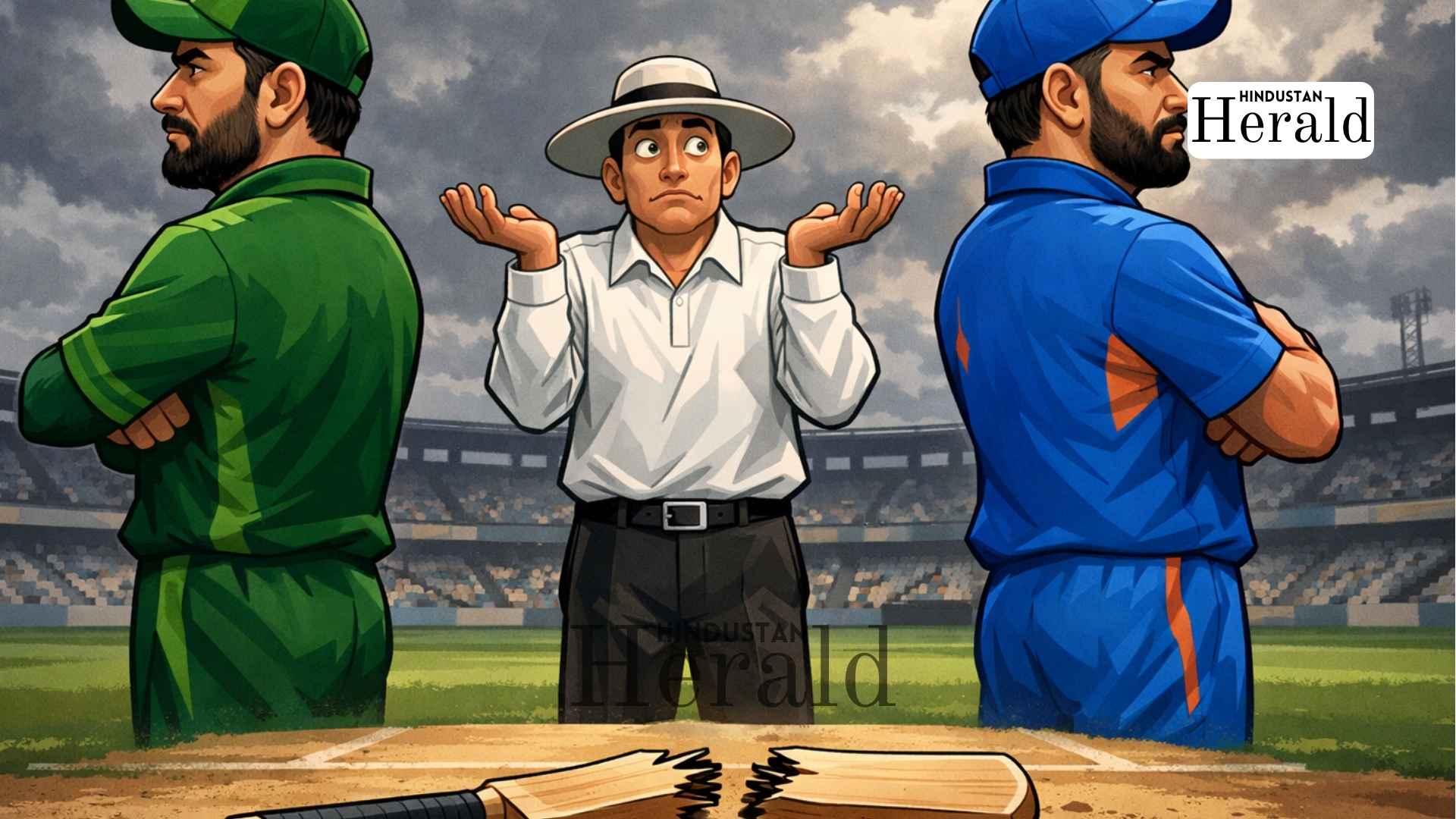
New Delhi, February 2: Cricket likes to say it stays away from politics. Fans have heard that line for years. Administrators repeat it whenever things get uncomfortable. But every once in a while, reality catches up. This is one of those moments.
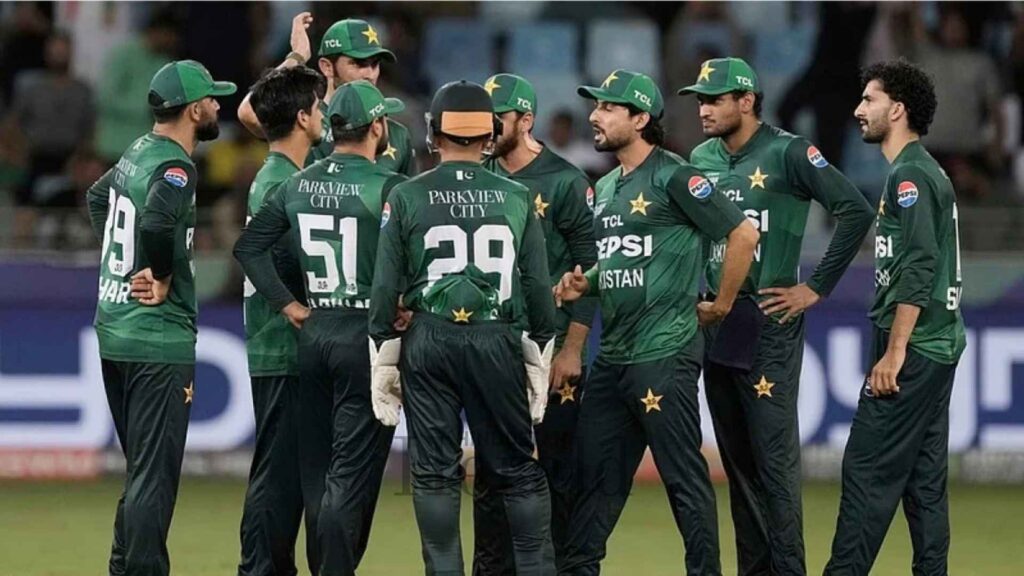
Pakistan’s decision to not play India in the T20 World Cup 2026 has shaken the tournament even before it has properly begun. The match, scheduled for February 15 in Colombo, was supposed to be the biggest night of the group stage. Instead, it has become a headache for the ICC, a worry for broadcasters, and a confusing situation for fans on both sides of the border.
The World Cup starts on February 7, co-hosted by India and Sri Lanka. Pakistan is part of the competition. The team is travelling. The fixtures are locked. Yet one game has brought the entire event under a cloud.
What Pakistan Actually Said
This decision did not come from the players.
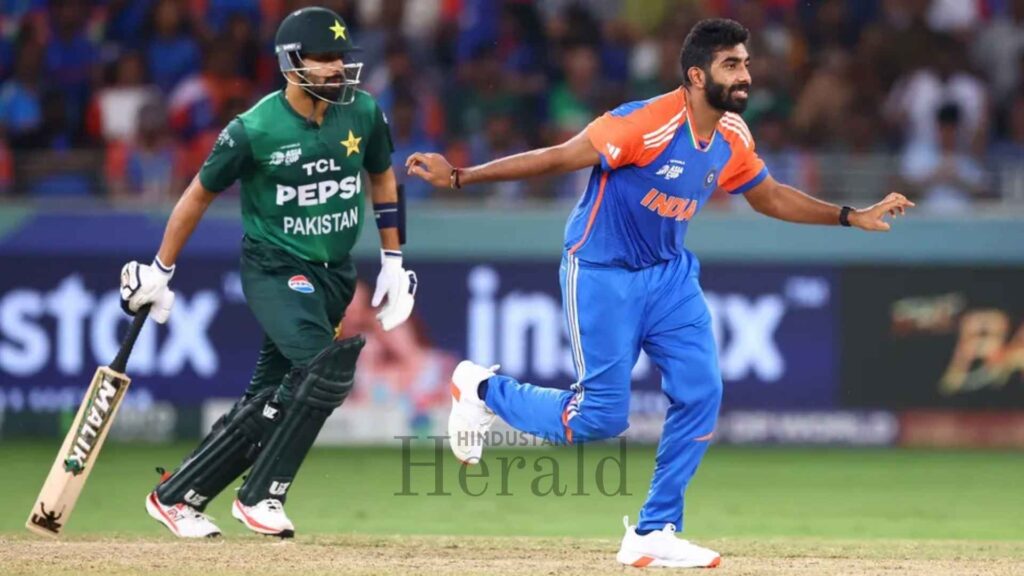
According to Al Jazeera, Pakistan’s government cleared the national team to play in the World Cup but told it clearly not to play India. The reason given was solidarity with Bangladesh, which was removed from the tournament after the ICC raised security concerns over its matches in India.
Bangladesh’s exit and Scotland’s entry did not sit well with Pakistan. The feeling inside the Pakistan Cricket Board was that the ICC applies rules differently depending on who is involved.
PCB chairman Mohsin Naqvi said this openly. His argument was not wrapped in fancy language. It was straightforward. India gets flexibility. Others get lectures.
Pakistan’s response was also unusual. It did not pull out of the World Cup. It did not ask for neutral venues again. It chose to sit out just one match. The India match.
That single decision has caused more chaos than a full withdrawal ever would have.
Why The ICC Is Not Happy
For the ICC, this is a dangerous line to cross.
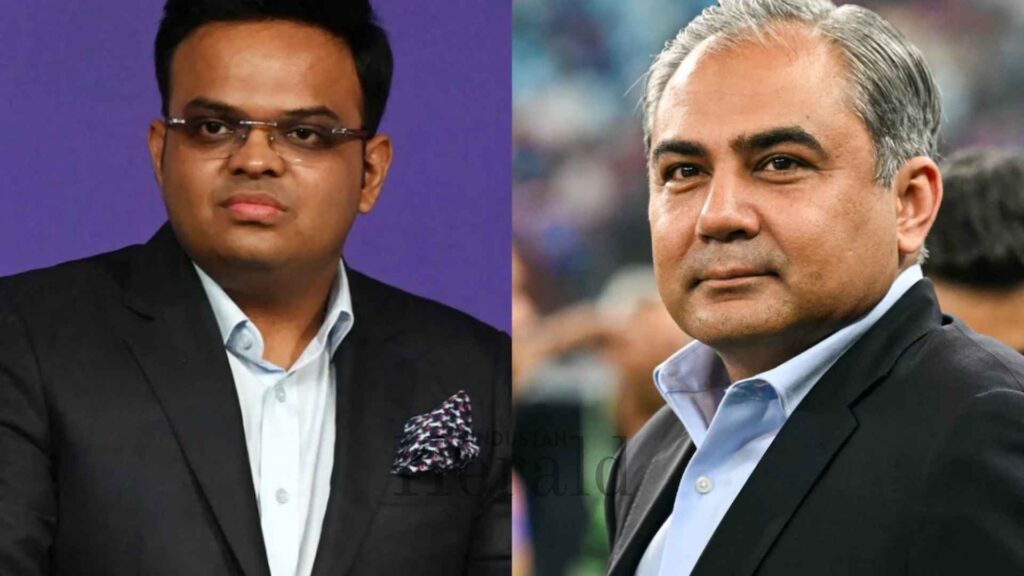
In a statement issued on January 31, the ICC warned that picking and choosing matches goes against the spirit of a World Cup. According to Aaj Tak, discussions inside the ICC have since turned serious.
Sanctions are now on the table. These include fines, points deductions, and even suspension from future ICC events. An emergency board meeting has been planned, something that does not happen often.
The fear inside the ICC is simple. If Pakistan skips one match today, what stops another team from doing the same tomorrow? One board may cite politics. Another may cite money. The system quickly falls apart.
At the same time, ICC officials know they are walking on thin ice. Any harsh punishment risks alienating Pakistan and its fans.
Why This Match Matters So Much
To many fans, this may look like just another match. It is not.
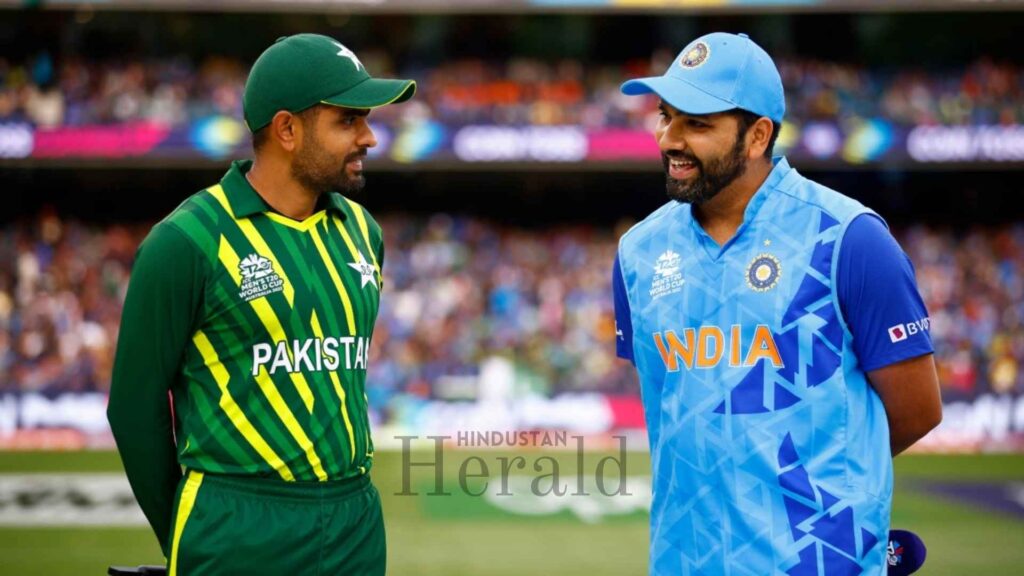
India versus Pakistan is the biggest product cricket sells. Broadcasters pay huge amounts of money for it. Advertisers plan months. Even people who do not watch cricket tune in.
That is why the match was scheduled in Sri Lanka. Pakistan was not asked to play in India. Every effort was made to keep things neutral.
And yet, here we are.
If Pakistan does not take the field on February 15, the rules are clear. India will get a walkover. Two easy points. No cricket.
For the tournament, that is a massive loss. For fans, it is a disappointment. For organisers, it is a nightmare.
What It Means For Pakistan On The Field
There is also a sporting cost.

Pakistan is in Group A with the Netherlands, Namibia, and the United States. Pakistan opens its campaign on February 7 against the Netherlands. On paper, qualification should not be a problem.
But giving up points against India leaves no room for mistakes. One bad match. One upset. Suddenly, Pakistan is under pressure.
Former Pakistan cricketer Kamran Akmal, speaking to the media as reported by News18, has backed the boycott. Many fans agree with him. They see it as standing up for dignity.
Others are worried. They feel Pakistan is risking too much for a symbolic win.
The Bangladesh Issue At The Centre
Pakistan keeps pointing to Bangladesh.
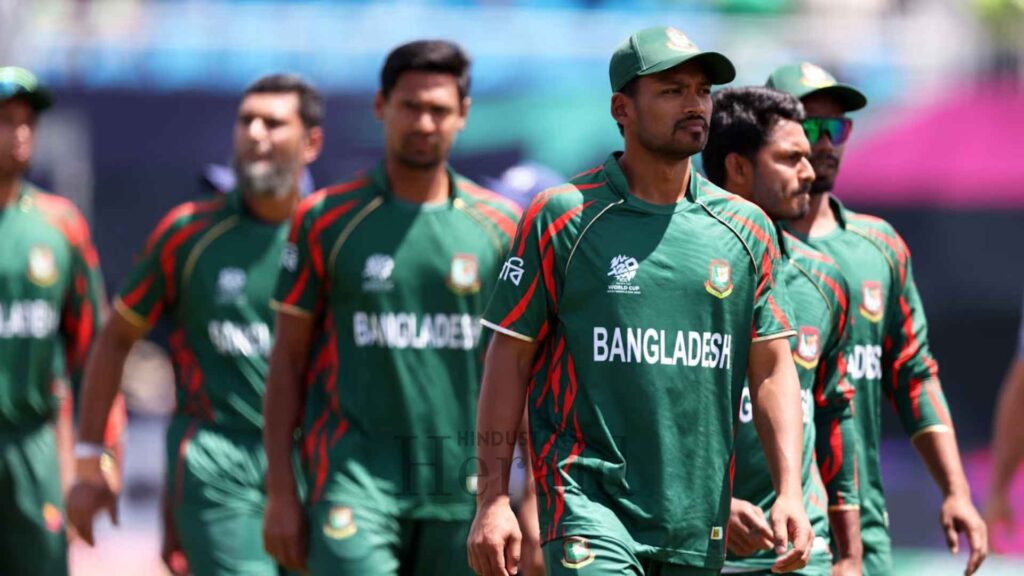
The ICC has not shared full details of why Bangladesh was removed. That silence has raised eyebrows. Pakistan argues that if security concerns can change the tournament, political concerns should at least be discussed honestly.
Critics say the comparison does not hold. One is about safety. The other is about refusal.
Still, the lack of transparency has not helped the ICC’s case.
Where Things Stand Now
As of February 2, there is no solution.
According to The Times of India, talks are ongoing behind closed doors. Middlemen are trying to find a way out that allows Pakistan to play without looking like it has backed down.
Broadcasters are nervous. Sponsors want clarity. Fans just want cricket.
Time is slipping away.
A Warning Sign For World Cricket
This is no longer just an India-Pakistan issue.
It is about who really controls international cricket. Governments. Boards. Or the ICC.
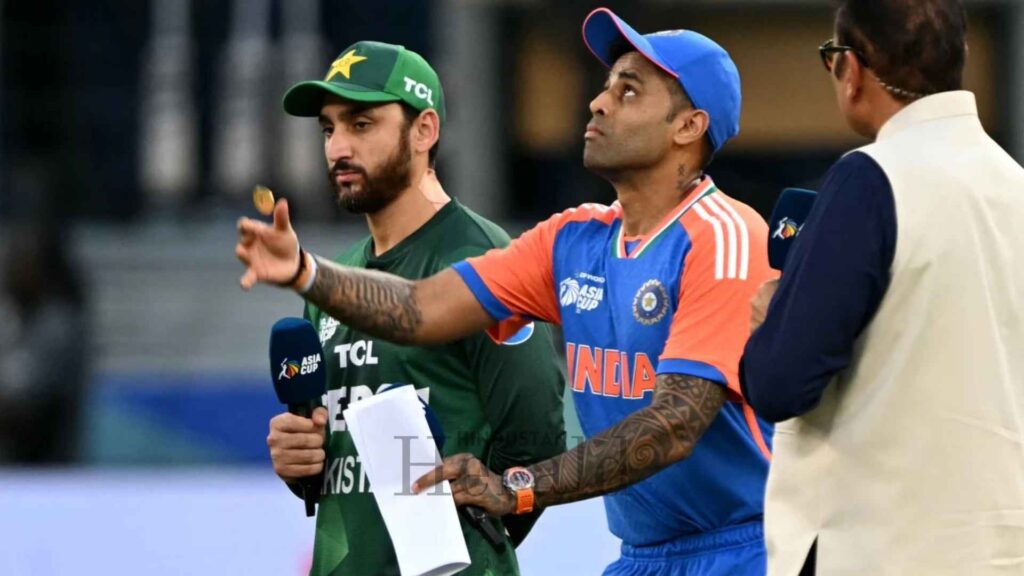
For India, the episode once again shows its influence in the game. For Pakistan, it shows how risky isolation can be. For the ICC, it is a test of authority at the worst possible time.
Even if the match eventually happens, the damage is already visible. The T20 World Cup 2026 begins under uncertainty, and how this situation is handled will shape how cricket deals with politics long after this tournament ends.
Stay ahead with Hindustan Herald — bringing you trusted news, sharp analysis, and stories that matter across Politics, Business, Technology, Sports, Entertainment, Lifestyle, and more.
Connect with us on Facebook, Instagram, X (Twitter), LinkedIn, YouTube, and join our Telegram community @hindustanherald for real-time updates.

Sports reporter covering cricket, football, and Olympic disciplines, with on-ground event experience.
- Prakash Nair

- Prakash Nair
- Prakash Nair
- Prakash Nair