
 By Ananya Sharma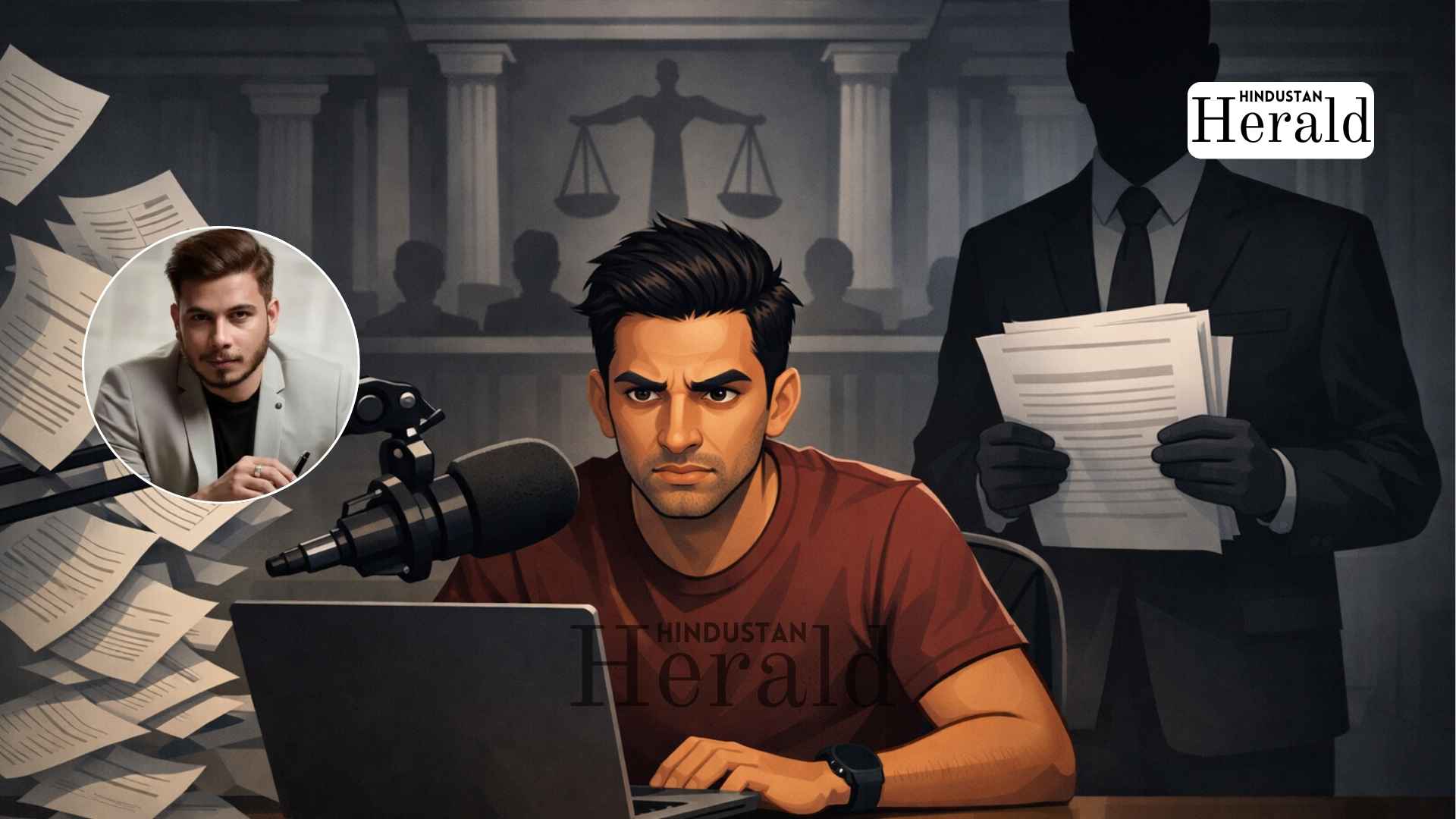
New Delhi, February 10: The courtroom stayed quiet on Tuesday in the ₹2.5 crore defamation case between YouTuber Nitish Rajput and Eduquity Technologies Pvt Ltd. No new orders. No fresh arguments. No shift in positions. What circulated instead across newsrooms and social media was a familiar retelling of how the dispute began and why it refuses to fade from public view.
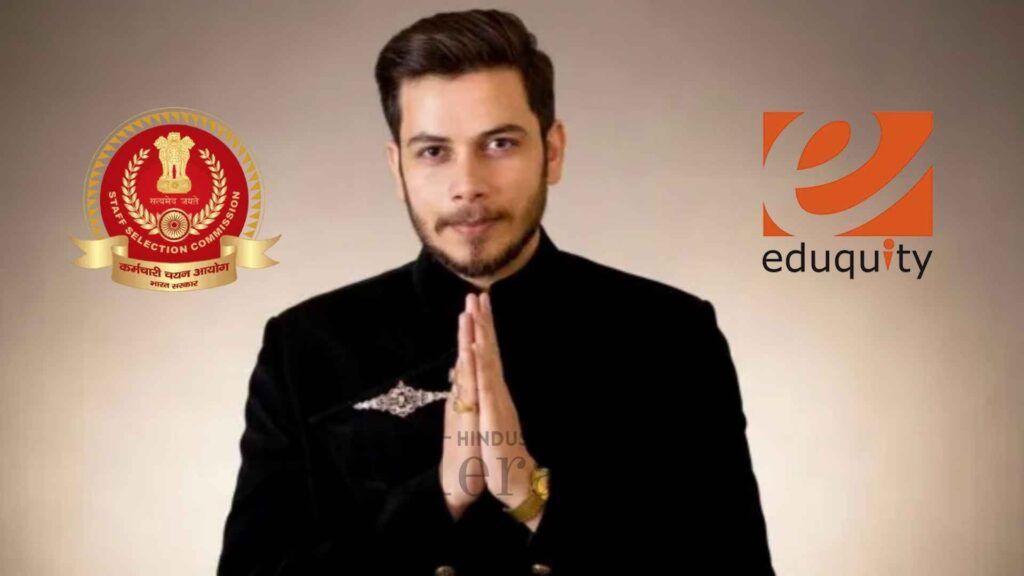
For a case that has stirred students, educators, and digital creators alike, the day’s developments were notable mainly for their absence. Lawyers tracking the matter said the suit remains in its early procedural phase, where silence is common, and patience is tested.
How A YouTube Video Became A Legal Flashpoint
The conflict goes back to September 2025, when Nitish Rajput published a video titled “Reality of SSC Exam.” Within weeks, it had crossed three million views, carried along by the frustration of aspirants who have seen exams postponed, cancelled, or questioned year after year.
In the video, Rajput walked viewers through tender documents, vendor appointments, and responses obtained through the Right to Information Act, all linked to examinations conducted under the Staff Selection Commission. His tone was pointed but methodical. The message was simple: candidates deserve transparency in a system that decides their futures.
That framing, however, did not sit well with Eduquity Technologies, a firm that has served as an exam vendor. The company approached a Delhi court, arguing that the video went beyond critique and into the territory of reputational harm.
What Eduquity Is Arguing In Court
Eduquity’s suit claims that Rajput’s video spread misleading and false impressions about the company’s role and conduct. According to reporting by The Times of India, the firm has said that selective interpretation of documents created a damaging narrative, one that could affect contracts and credibility in a highly competitive sector.
The relief sought is substantial. ₹2.5 crore in damages, removal of the video from online platforms, and a public apology. The company’s lawyers have argued that even content drawn from public records can be defamatory if it implies wrongdoing without proof established by investigators or courts.
Still, Eduquity has not publicly detailed which specific claims it considers false, choosing instead to let the pleadings speak for themselves.
Rajput’s Stand And Why He Is Not Backing Down
Rajput’s response has been firm and public. He has said, repeatedly, that his video relies on official documents and RTI replies, not conjecture. On his YouTube channel, he has described the lawsuit as an attempt to discourage scrutiny rather than correct errors.

He has refused to remove the video. He has also acknowledged the cost of fighting a civil suit of this scale, a reality many independent creators quietly worry about. Even so, Rajput has said he would rather argue his case in court than set a precedent of retreat.
That resolve has found support among exam aspirants who see the case as larger than one video or one company.
Why February 10 Passed Without News
Civil defamation cases rarely move at a pace that satisfies public curiosity. Legal experts point out that courts often take weeks, sometimes months, to hear interim applications such as takedown requests. Until pleadings are complete and arguments heard, long stretches of procedural calm are expected.

As it turns out, the lack of updates on February 10 reflects the nature of the process, not a loss of momentum. Media outlets largely revisited earlier reporting, focusing on the origins of the dispute rather than any courtroom drama.
What This Says About India’s Exam Ecosystem
The case has reopened old anxieties around India’s examination machinery, especially those tied to the SSC, which conducts some of the country’s most sought-after recruitment tests. With lakhs of candidates competing for limited government posts, even the suggestion of irregularity carries weight.
The commission itself has not commented directly on the lawsuit. In the past, SSC officials have defended their procedures as compliant with government norms, while admitting the strain of running exams at massive scale.
Still, the public conversation has shifted. Questions about accountability now sit alongside questions about speech.
Free Expression, Defamation, And The Digital Public Square
At its core, the dispute sits at a tense crossroads. On one side is a company seeking to protect its name. On the other is a content creator arguing public interest. Indian defamation law allows both civil and criminal action, and while truth is a recognised defence, the journey to prove it can be long and expensive.
Courts in recent years have shown caution in ordering sweeping content removals, especially where public institutions are involved. Outcomes, however, depend on nuance. Context. Intention. Evidence.
For now, the case stands as a reminder of how much power digital voices wield, and how sharply that power can collide with corporate and legal boundaries.
What Lies Ahead
The next hearings are expected to focus on responses and interim applications. Whether the court seeks expert review of documents cited in the video remains to be seen. Until then, both sides appear entrenched.
For February 10, there was no twist in the tale. Just a pause. And in that pause, a growing sense that this case may shape how scrutiny of public exams, and those who run them, is handled in the years to come.
Stay ahead with Hindustan Herald — bringing you trusted news, sharp analysis, and stories that matter across Politics, Business, Technology, Sports, Entertainment, Lifestyle, and more.
Connect with us on Facebook, Instagram, X (Twitter), LinkedIn, YouTube, and join our Telegram community @hindustanherald for real-time updates.

Covers Indian politics, governance, and policy developments with over a decade of experience in political reporting.
- Ananya Sharma

- Ananya Sharma
- Ananya Sharma
- Ananya Sharma



 Sandeep Verma