
 By Ananya Sharma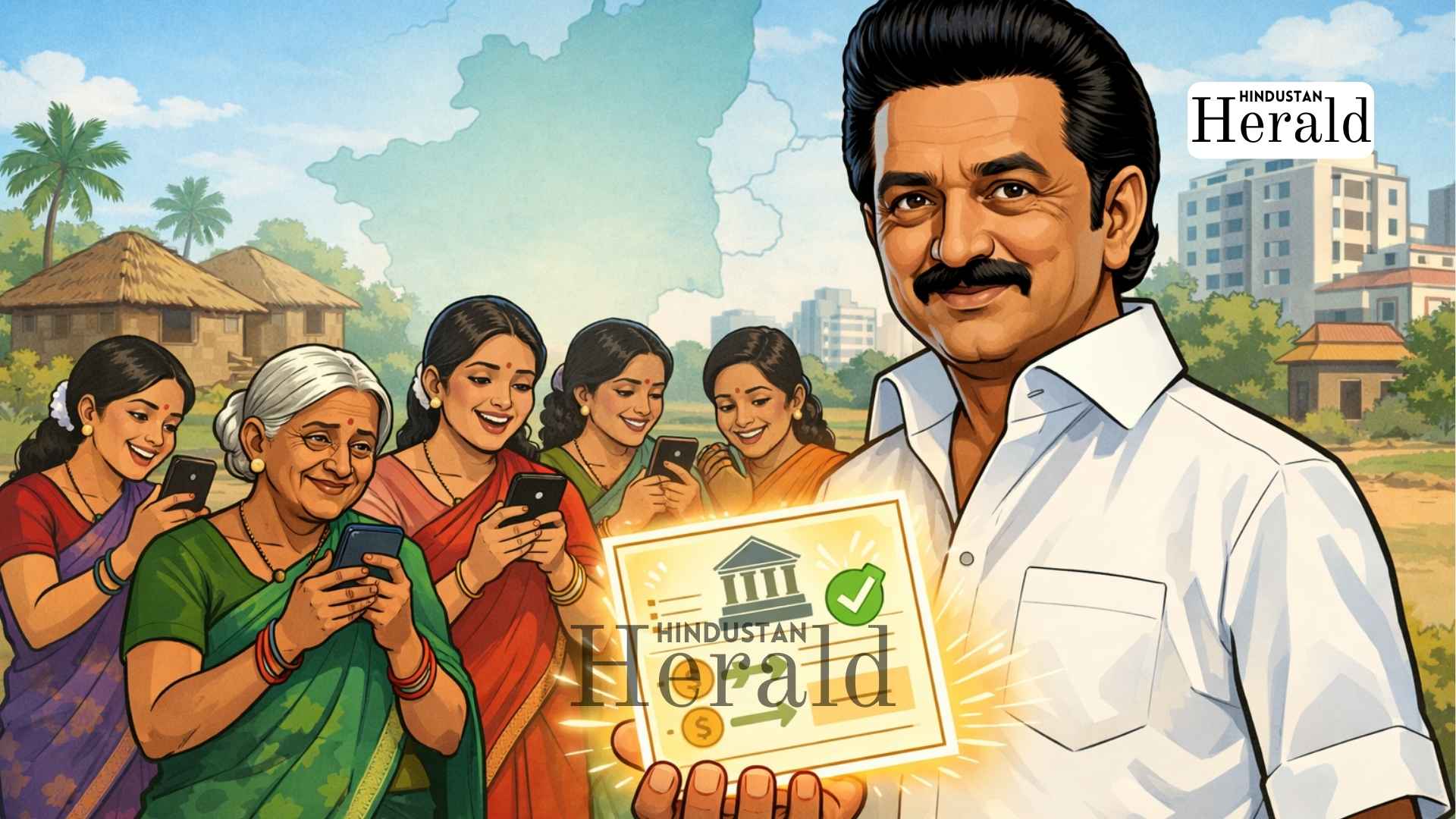
Chennai, February 13: At around 8.30 on Thursday morning, Meenakshi from Tiruvannamalai checked her phone twice to be sure. A bank message does not lie. ₹5,000 credited. Across Tamil Nadu, the story repeated itself. Phones buzzed. Daughters read out SMS alerts to mothers who do not use smartphones. Neighbours compared messages. By noon, it was clear that the State government had pushed a special ₹5,000 installment under the Kalaignar Magalir Urimai Thogai scheme (KMUT) into the accounts of 1.31 crore women.

On paper, it is a welfare disbursal. In reality, it is also the opening note of what will be a long and noisy election year.
The scheme, championed by Chief Minister M. K. Stalin, usually provides ₹1,000 a month to women heads of households earning less than ₹2.5 lakh annually. This time, the amount was five times that. According to reports in DT Next, the payout follows the recent addition of 17 lakh new beneficiaries, taking the total coverage to 1.31 crore women.
If one does the rough math, the government has spent over ₹6,500 crore in a single day.
That is not a routine administrative exercise. That is a statement.
What The Scheme Means At Home
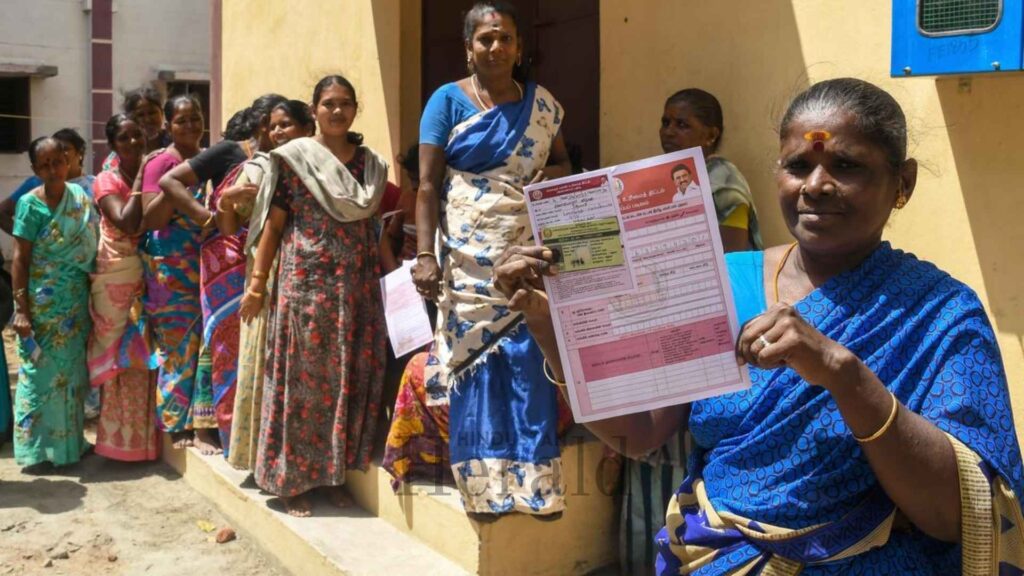
When the scheme was launched in 2023, it was described as recognition of women’s unpaid work. Cooking, caregiving, running households. The government said it was not a gift but a right.
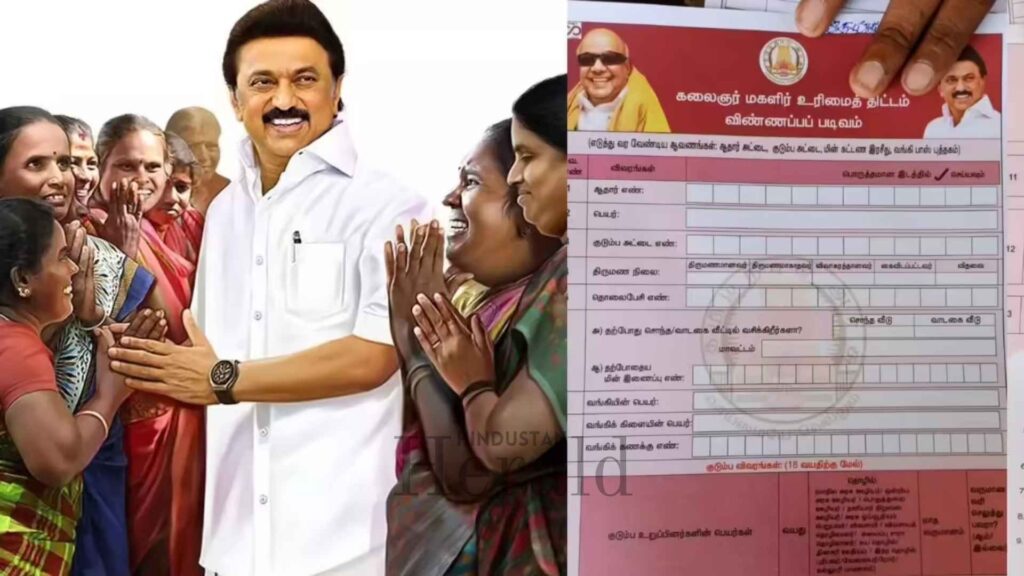
The rules were clear. The woman must be the head of the family. Annual income under ₹2.5 lakh. Certain categories excluded. Applications scrutinised. Appeals allowed through official channels, as detailed earlier by The Economic Times.
At first, there were complaints. Some women said they were left out. Some said paperwork became a headache. Over time, the list grew. This latest round added 17 lakh more women, many of whom had been waiting.
For families living on tight budgets, ₹1,000 a month is not life changing. But it is steady. It pays for rice and oil. It helps with school notebooks. It reduces the need to borrow small amounts at high interest from local lenders.
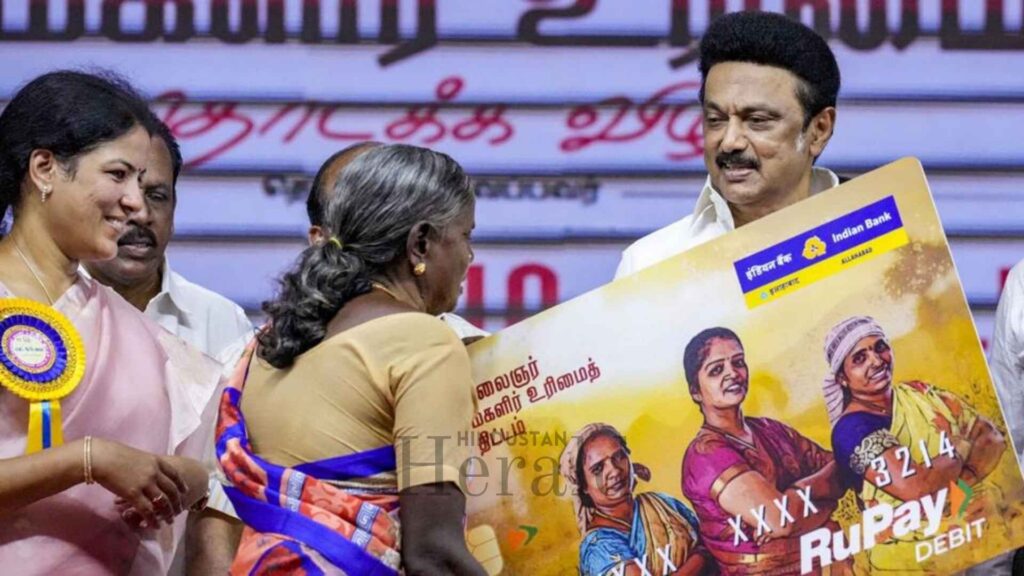
A ₹5,000 lump sum feels different. It clears dues in one go. It allows breathing space.
In tea shops and bus stands today, the conversation was practical. Who received it. Who did not. Whether it will come again next month at the same level.
The Political Undercurrent
No one in Tamil Nadu pretends welfare and politics are separate.
Senior BJP leader Tamilisai Soundararajan called the move an election gimmick, according to DT Next. She questioned whether such spending is sustainable and suggested it was aimed at wooing women voters before the 2026 Assembly polls.
The ruling Dravida Munnetra Kazhagam has not framed it in electoral terms. For the government, this is expansion of an existing commitment.
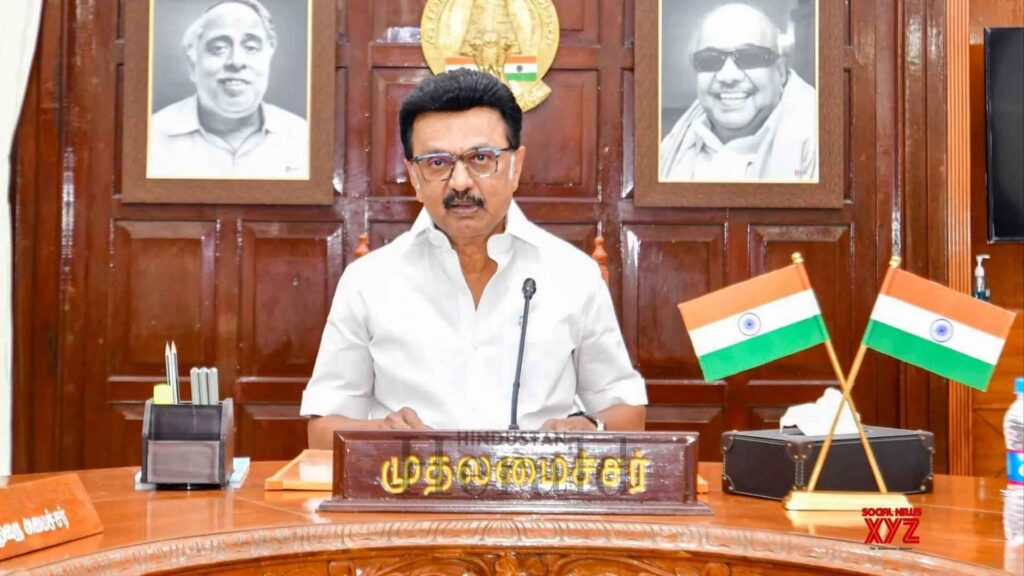
Still, timing speaks loudly in politics. Elections are less than a year away. Every major announcement will be read as strategy.
Women voters are not a small block. They are decisive. In recent elections, their turnout has often been higher than that of men. Parties know this. They design schemes accordingly.
This time, the field is more crowded.
Actor-turned-politician Vijay has entered the political space, drawing attention especially among younger voters. The AIADMK is rebuilding after internal struggles. The BJP is attempting to grow beyond its traditional pockets.
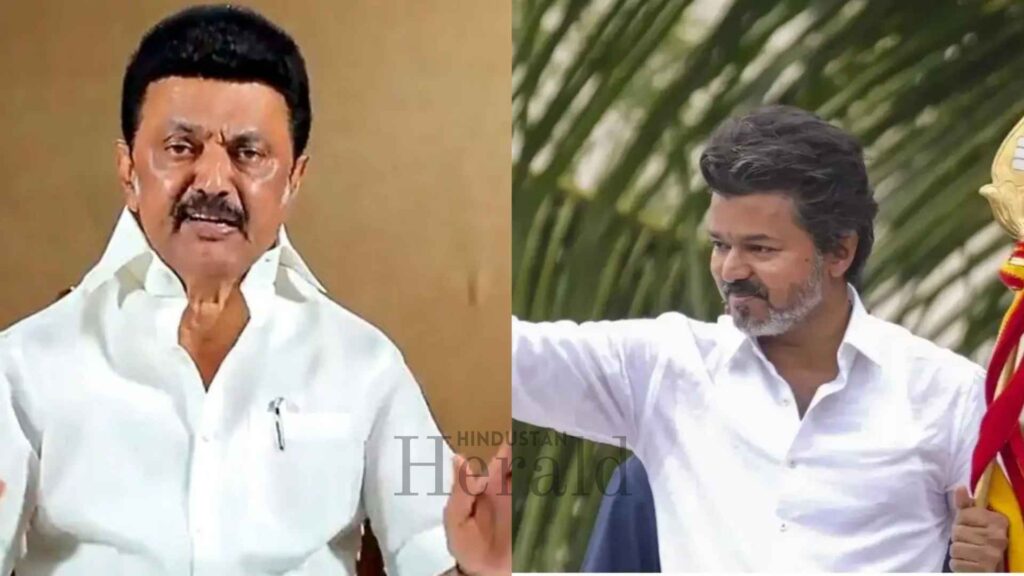
In that mix, a direct cash transfer to 1.31 crore women is not just welfare. It is positioning.
Is It Affordable
The big question, whispered in policy circles and shouted in opposition speeches, is about money.
Tamil Nadu already runs a wide range of welfare schemes. Free bus travel for women. Subsidised food grains. Health insurance. Now a large direct benefit programme.
A single ₹5,000 transfer to 1.31 crore women means thousands of crores spent in one stroke. Critics argue that debt levels must be watched carefully. Supporters counter that welfare spending boosts local markets because families immediately spend the money on essentials.
The truth is more complicated than slogans.
States like Tamil Nadu have long practised welfare politics. From midday meals to free bicycles, governments have invested in schemes that blend social support with political goodwill. Voters are used to this model. They judge whether schemes reach them smoothly.
So far, Thursday’s transfer appears to have been technically smooth. No major glitches were widely reported by evening. District administrations are expected to handle any pending cases in the coming days.
Inside Homes, The Mood Is Not Political
In Madurai, a beneficiary reportedly told local reporters she would use the amount to pay her daughter’s college fee installment. In Villupuram, another said she planned to repay a self-help group loan.
These are not dramatic stories. They are everyday stories.
That is why such schemes matter. They operate quietly inside kitchens and small shops. They ease tension in homes where every rupee is counted.
Of course, not everyone approves. Some argue that long-term job creation matters more than cash transfers. Some say the government should focus on industry and employment instead of expanding subsidies.
Those arguments will grow louder as the election nears.
For now, what stands out is the scale. 1.31 crore women. That is not a narrow segment. That is a large share of Tamil Nadu’s households.
The Road Ahead
The 2026 Assembly election will not be decided by one installment. Voters will weigh many factors. Prices of essentials. Job opportunities. Local candidates. Alliance combinations.
But moments like this shape perception.
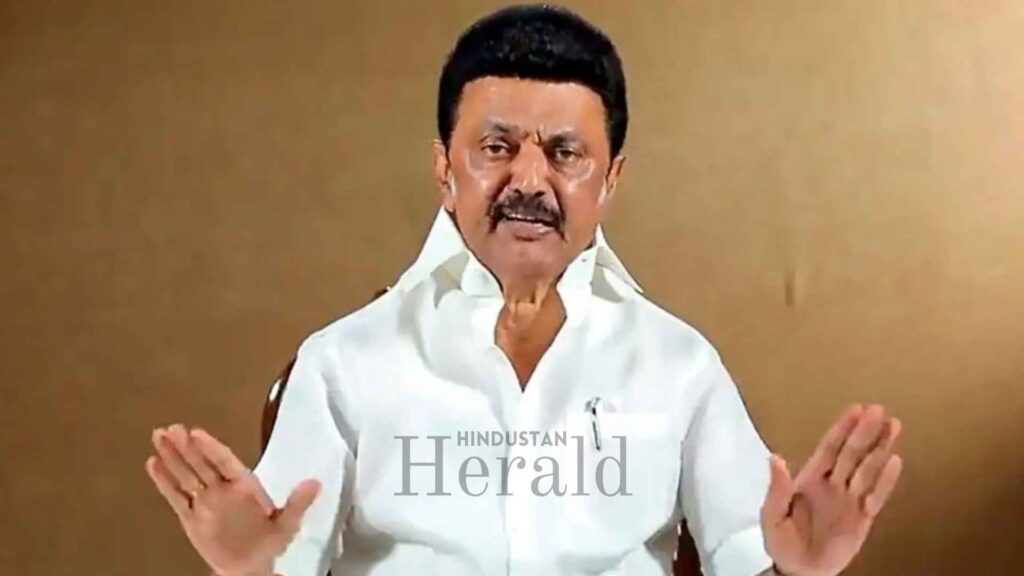
Chief Minister M. K. Stalin has positioned his government as one that delivers directly to people’s accounts. The opposition wants to frame that delivery as financially risky and politically motivated.
Both sides will continue to push their narrative.
On this February morning, though, the political debate felt distant in many homes. What felt real was the SMS alert. The balance update. The small sense of relief.
In Tamil Nadu, welfare is not a side story. It is part of the main script. And with ₹5,000 now sitting in 1.31 crore accounts, the next chapter of that script has quietly begun.
Stay ahead with Hindustan Herald — bringing you trusted news, sharp analysis, and stories that matter across Politics, Business, Technology, Sports, Entertainment, Lifestyle, and more.
Connect with us on Facebook, Instagram, X (Twitter), LinkedIn, YouTube, and join our Telegram community @hindustanherald for real-time updates.

Covers Indian politics, governance, and policy developments with over a decade of experience in political reporting.
- Ananya Sharma

- Ananya Sharma
- Ananya Sharma
- Ananya Sharma




 Shelesh Joshi and Rajiv Menon
  Sandeep Verma