
 By Ananya Sharma
New Delhi, February 17: There is a particular kind of silence that settles inside a home after a sudden death. It is not loud. It does not shout. It simply sits there, heavy and unmoving. In a modest house in New Delhi, that silence has not lifted since the morning of February 3. That was the day Sahil Dhaneshra, 23, left home and never returned.
A Normal Morning That Went Wrong
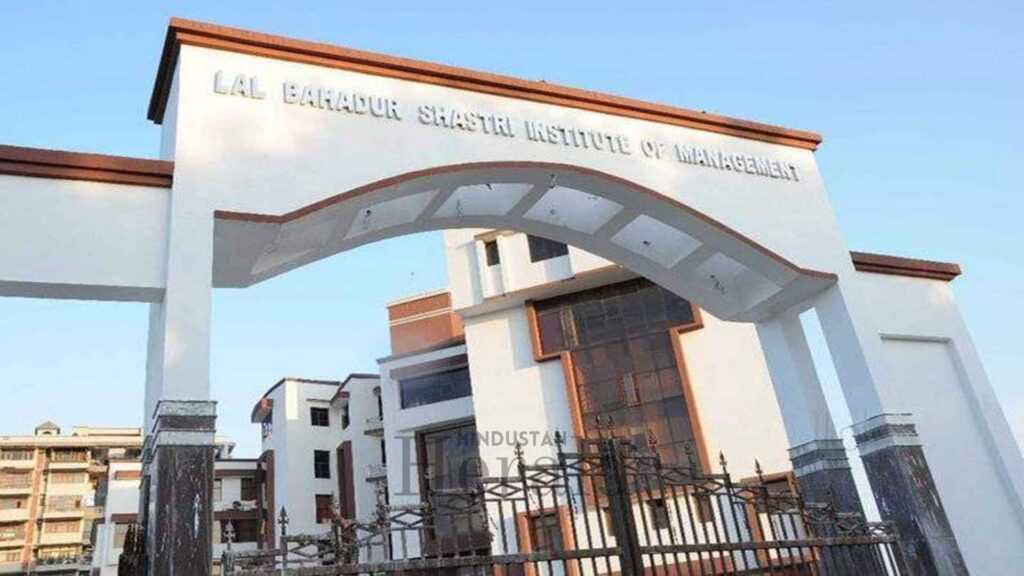
It was an ordinary weekday in Dwarka Sector 11, near Lal Bahadur Shastri College. Students were heading to class. Office workers were negotiating traffic like they do every day. The roads were busy, but not unusually so.
Sahil was riding his motorcycle.
According to police, a Mahindra Scorpio N, registration UP57BM3057, allegedly came from the wrong side of the road and collided head-on with him. The SUV was reportedly being driven by a 17-year-old minor who did not have a valid driver’s license.
The impact was severe. Sahil died on the spot.
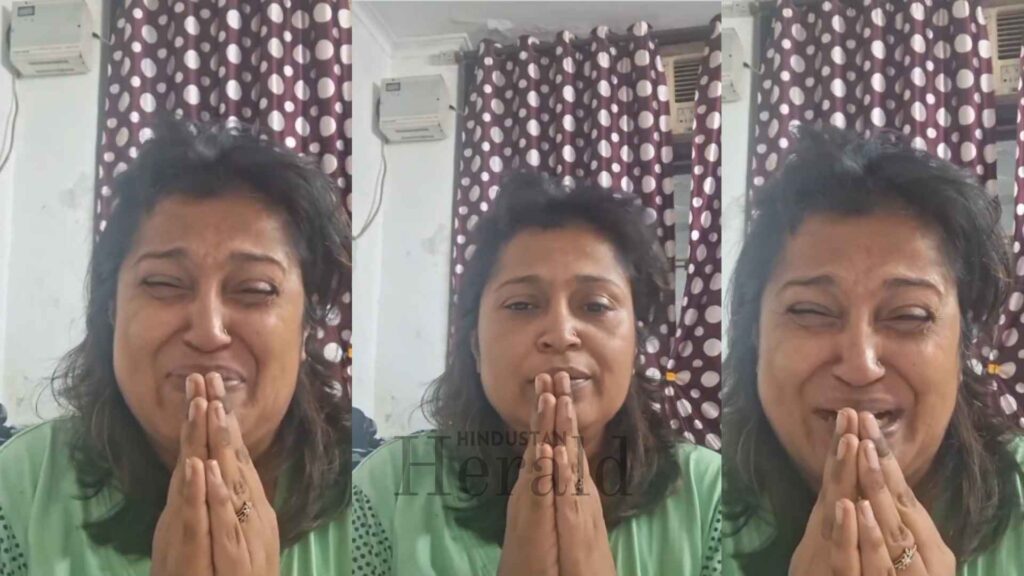
That is the official version in a few lines. But for his mother, Inna Makan, it is not a “case.” It is the end of her world.
“He Was My Only Support.”
Sahil was her only child. She raised him alone for 23 years. Those who know the family say she worked hard to give him a stable life. He had completed his BBA and was preparing to move to Manchester for his Master’s degree. The paperwork was in progress. Plans were being made.
There was excitement in the house just weeks ago. Now there are condolence visits.
In a video that has spread widely across social media, Inna Makan speaks directly to the camera. Her voice breaks often. She says she is a helpless mother. She asks why this happened to her son.
The video does not look rehearsed. It feels like someone who does not know where else to turn.
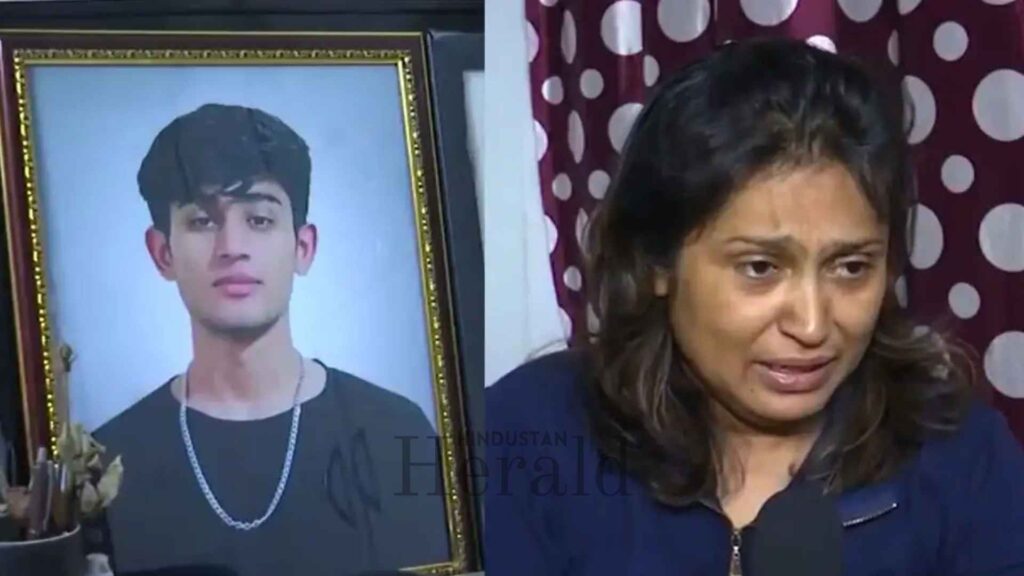
The hashtag #JusticeForSahil began appearing soon after. It gathered speed. People who have never met Sahil are sharing his photograph. They are tagging authorities. They are demanding action.
Grief, in today’s India, travels fast online.
The Allegation That Has Shocked Many
What has added fuel to public anger is an allegation made by Sahil’s mother.
She has claimed that the minor driver was allegedly performing stunts and speeding to record short social media videos. According to her, the teenager’s sister was in the passenger seat, filming what she described as “speed fun reels.”
Police have not officially confirmed this claim yet. The investigation is ongoing. Digital devices and witness statements are reportedly being examined.
But even the suggestion has disturbed many people. Almost everyone has seen such videos. Cars racing. Bikes weaving through traffic. Young drivers laughing, phones out, music blasting.
Most viewers scroll past. Few think about consequences.
This time, the consequence had a name.
The Bail Decision That Sparked Debate
After the accident, a case was registered under the Bharatiya Nyaya Sanhita, including sections related to rash driving and causing death by negligence.
Because the accused is 17, the matter falls under the Juvenile Justice Act. He was initially sent to a juvenile observation home.
On February 10, the Juvenile Justice Board granted him interim bail so he could appear for his Class 10 board examinations.
Legally, the move is within the framework of the law. The juvenile system in India is designed to focus on reform. Bail for minors is not unusual.
Emotionally, however, the decision did not sit well with many.
Social media was flooded with comments asking how someone accused in a fatal crash could be out within days. Others responded that the law cannot change its course because of public outrage.
This is where the discomfort lies. The law speaks in measured tones. Grief does not.
Should He Be Tried As An Adult?
Supporters of the Justice for Sahil campaign are now demanding that the minor be tried as an adult. They argue that driving a powerful SUV without a license and allegedly performing dangerous acts on a public road show a clear understanding of risk.
Under Indian law, juveniles between 16 and 18 can, in certain serious cases, be tried as adults after a detailed assessment by the Juvenile Justice Board. The Board must evaluate whether the minor understood the consequences of the act.
Whether that will happen here remains uncertain.
Legal experts caution that such decisions are complex. They require psychological evaluation and careful review. They cannot be based on emotion alone.
Still, the demand reflects a larger frustration. Many feel that reckless driving has become too common, and the consequences are too light.
The Question No One Wants To Ignore
There is another uncomfortable question in this case.
How did a 17-year-old get access to an SUV?
Under traffic laws, allowing an unlicensed person to drive can attract penalties for the vehicle owner. Sahil’s mother has said she wants strict accountability not only for the driver but also for the parents or owner who allegedly allowed him behind the wheel.
In countless households across India, minors drive family vehicles despite clear legal restrictions. It is often brushed aside as a harmless practice.
This case has forced many parents to pause.
The Bigger Picture
India records thousands of road accident deaths every year. Speeding remains one of the leading causes. Despite awareness drives and stricter fines, behaviour on the ground changes slowly.
In cities like Delhi, residents are almost numb to accident reports. A crash makes headlines for a day or two. Then it fades.
What makes this case linger is the human detail.
A young man on the verge of flying abroad for higher studies. A single mother who built her life around him. An alleged moment of thrill seeking that may have cost a life.
It feels close. Too close.
The Bystander Pain
In her public appeal, Inna Makan also said that some bystanders were recording videos instead of helping her son as he lay injured.
There is no official confirmation yet about the exact sequence of events in those first few minutes. But the claim has reopened a familiar discomfort about how society reacts to tragedy.
India has Good Samaritan protections meant to shield those who assist accident victims from legal trouble. Yet fear and hesitation remain. Sometimes, it is not fear. Sometimes, it is curiosity.
The mobile phone has become the first instinct.
In accidents, minutes matter. Whether faster help could have changed the outcome in this case is unknown. But the image of people filming instead of helping has added another layer of hurt.
Where The Case Stands
As of February 17, 2026, the investigation continues. The minor remains on interim bail for his examinations. Further legal proceedings are expected.
No final decision has been made on whether he will be tried as an adult. That will depend on legal assessment.
Meanwhile, the online campaign continues to gather signatures and support. People are asking for stricter enforcement against minors driving. They are calling for stronger action against reckless “reel culture” on public roads.
But beyond policy debates and legal sections, there is a simple human truth. A mother who once worried about flight tickets and admission deadlines is now visiting police stations and courts.
In Dwarka Sector 11, traffic still flows. Most drivers passing that stretch do not know what happened there two weeks ago. Some do, and they slow down for a moment. For Inna Makan, that road is not just a location on a map. It is the place where her life split into before and after.
The courts will decide the legal outcome. The law will move at its own pace. For now, a mother waits for justice, in whatever form it comes.
And in one Delhi home, a room meant for a young man preparing for Manchester remains untouched.
Stay ahead with Hindustan Herald — bringing you trusted news, sharp analysis, and stories that matter across Politics, Business, Technology, Sports, Entertainment, Lifestyle, and more.
Connect with us on Facebook, Instagram, X (Twitter), LinkedIn, YouTube, and join our Telegram community @hindustanherald for real-time updates.

Covers Indian politics, governance, and policy developments with over a decade of experience in political reporting.
- Ananya Sharma

- Ananya Sharma
- Ananya Sharma
- Ananya Sharma




 Sandeep Verma