
 By hindustanheraldin@gmail.com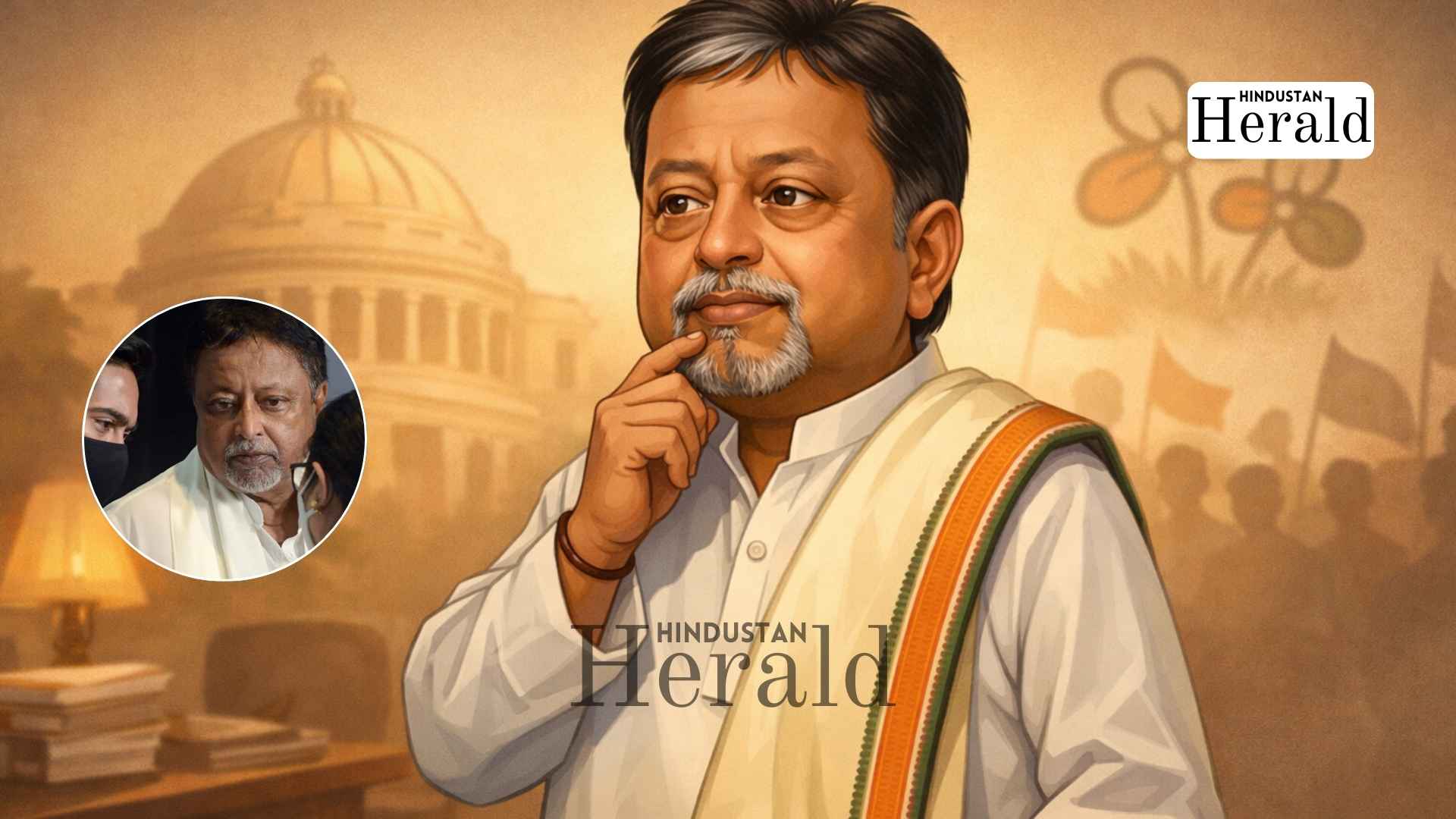
Kolkata, February 23: It was still dark when the confirmation came. Not a breaking-news flash at first, not a studio debate, just a call between two old hands in Bengal politics.
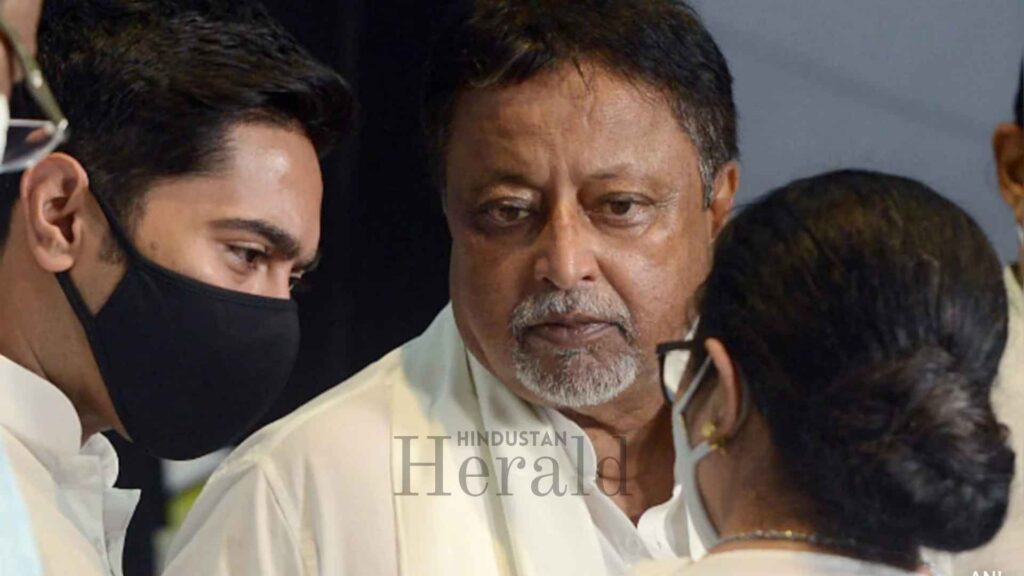
“Mukul-da is gone.”
A few minutes later, the family made it official. Mukul Roy had passed away at around 1:30 a.m. at Apollo Hospital, Salt Lake, Kolkata, his son Subhranshu Roy said. He was 71. Roy had been battling Parkinson’s disease and dementia for several years. In recent days, his condition had worsened and he had reportedly slipped into a coma before suffering a massive cardiac arrest.
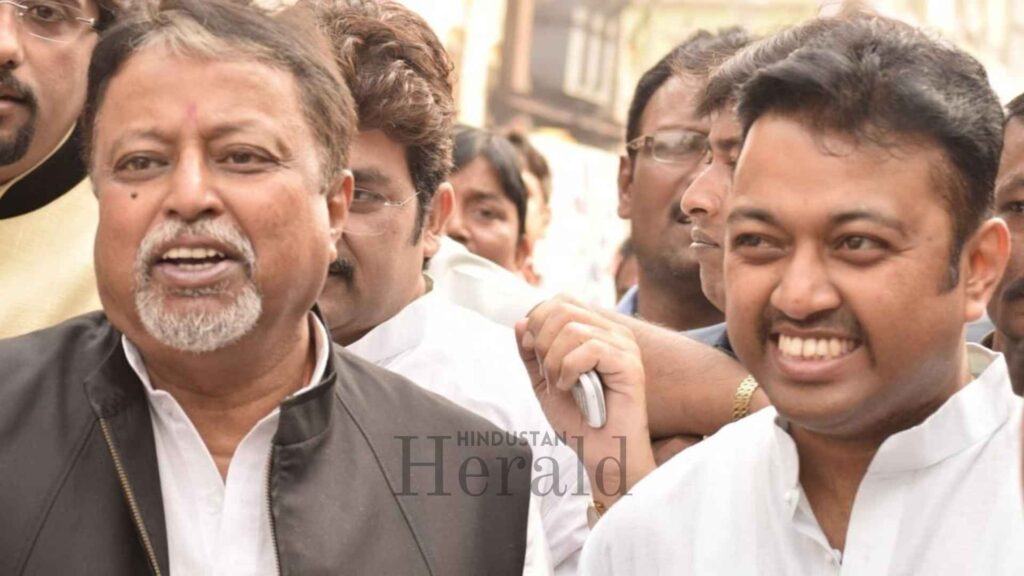
There was no sudden drama outside the hospital gates. No slogan-shouting supporters. Just the quiet reality that a man who once knew West Bengal’s political map like a shopkeeper knows his ledger was no more.
Not A Poster Boy, But A Power Centre
If you measure politicians by how loudly they speak, Mukul Roy would not rank high. He was not the face on the hoardings. He was not the voice that echoed across grounds.
He preferred smaller rooms. Closed doors. Conversations that did not need microphones.
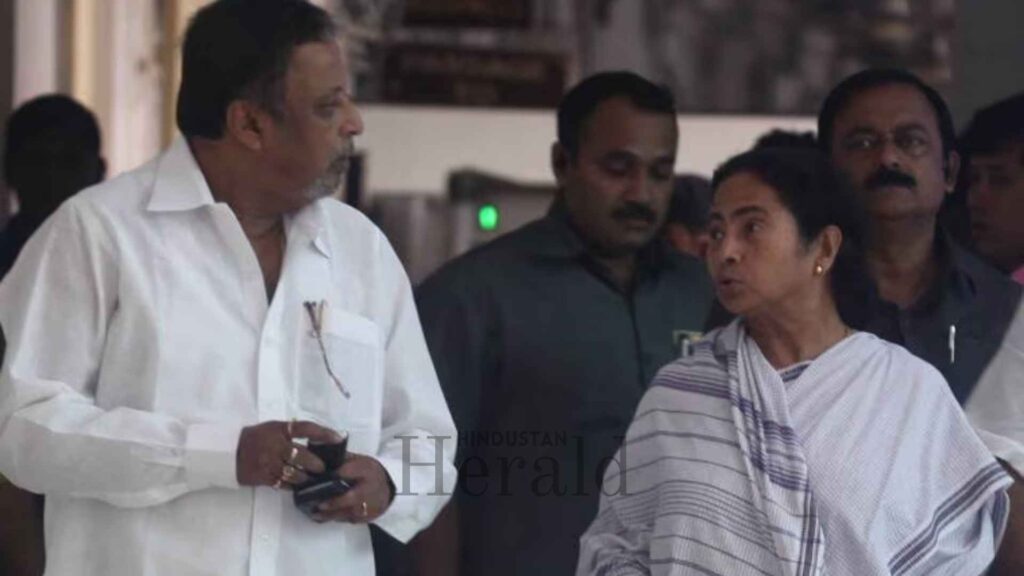
When Mamata Banerjee broke away from the Congress in 1998 and launched the All India Trinamool Congress, Roy was among the handful who helped turn that decision into a functioning organisation. At the time, the Left Front had been in power for more than three decades. Challenging it felt unrealistic.
But Roy was not in the business of grand statements. He was in the business of counting.
Counting booths. Counting voters. Counting how many workers a block president could actually mobilise on polling day. Party workers recall how he would ask specific questions about specific wards. If someone tried to bluff, he usually knew.
When the Trinamool Congress defeated the Left in 2011, it was more than a routine change of government. It ended 34 years of rule. Mamata Banerjee became Chief Minister. Roy was not at the front of the victory photographs, but those inside the party knew the groundwork had not happened by accident.
The Decision That Changed The Game
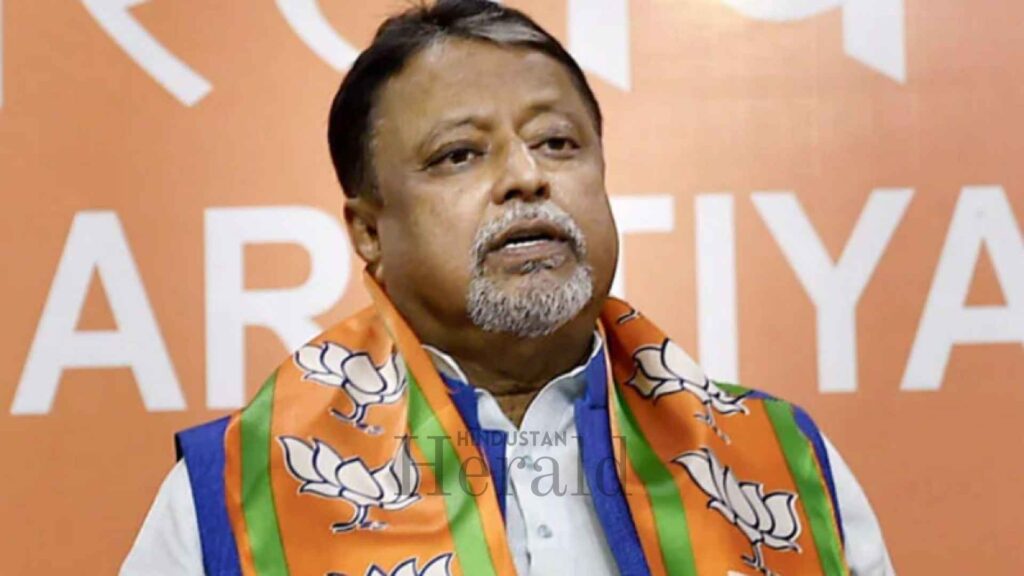
In 2017, Roy walked out of the TMC. It was not a gentle exit. It was tense and public. Soon after, he joined the Bharatiya Janata Party.
At that time, the BJP was trying to grow in Bengal. Roy arrived with something no outsider could easily buy: inside knowledge. He knew how the TMC’s local network functioned because he had helped build it.
Over the next few years, the BJP’s presence in the state grew sharply. By the 2021 Assembly elections, it had emerged as the principal opposition. Many forces shaped that rise, from national campaigns to changing political moods. Still, few denied that Roy’s understanding of booth-level organisation gave the BJP an edge.
Then, in another turn that only Bengal politics can produce, Roy returned to the TMC after the 2021 elections. The move led to legal questions under anti-defection rules and eventually reached the Supreme Court of India, which granted interim relief.
By then, though, his health had begun to overshadow everything else.
The Slow Fading
Parkinson’s disease does not make headlines. Dementia does not trend on social media. They work quietly.
In the last two to three years, Roy had largely stepped away from public life. He was admitted multiple times to Apollo Hospital. Public appearances became rare.
Those who saw him during this period describe a man visibly weakened. The once sharp political calculator now struggled with fragile health. The state’s politics outside remained loud and combative. His own world had narrowed to hospital visits and private care.
It is a hard thing to watch, the fading of someone who once seemed permanently plugged into power.
Tributes And Memories
Prime Minister Narendra Modi expressed condolences on X, recalling Roy’s long career in public life.
Mamata Banerjee called him a “comrade-in-arms.” The phrase carried the weight of shared beginnings. They had once built a party from almost nothing. Their paths later diverged, sometimes sharply, but history does not erase itself so easily.
Leaders from across parties offered tributes. In a state where political rivalry often runs deep, there was a brief pause in the usual sharpness.
How History Might Remember Him
Mukul Roy’s career was not neat. He helped build the TMC. He later strengthened the BJP’s organisation in Bengal. He returned to the TMC again. Each shift sparked debate.
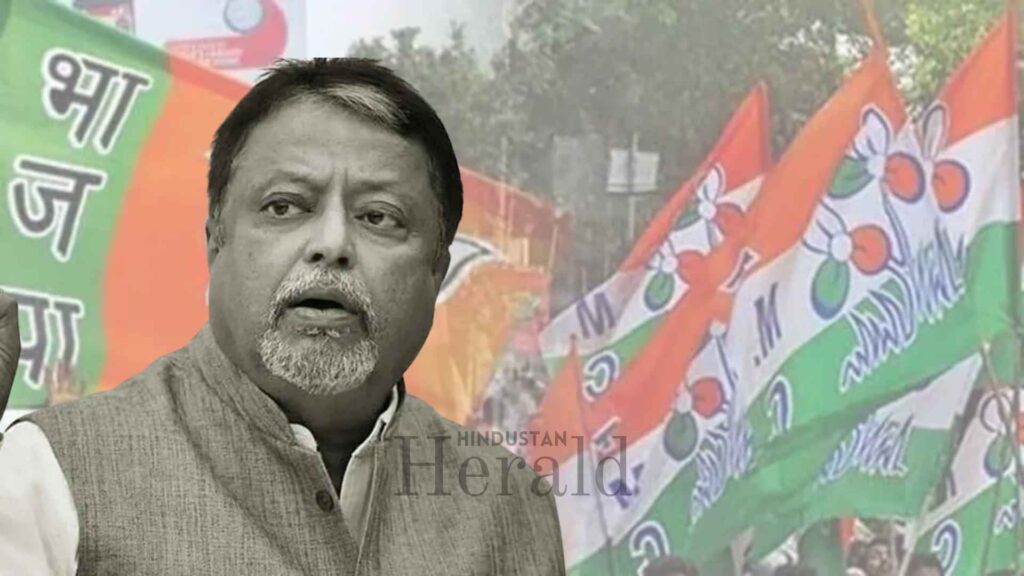
Some admired his strategic mind. Others questioned his loyalty. Both arguments will continue.
But step away from the party colours, and one thing becomes clear. He understood how elections are actually fought in India. Not just through speeches, but through networks. Not just through headlines, but through homework.
He was rarely the star attraction. He was often the one arranging the stage.
The Last Goodbye
His body is expected to be taken to his residence and later to the State Assembly premises for people to pay their respects. Final rites are likely to be held later today.
There will be formal tributes and television panels. That is inevitable.
But perhaps the truest tribute will come in quieter conversations. When party workers remember how Mukul-da would ask about a single booth in a distant block and expect the exact number. When rivals admit, even privately, that he understood the ground better than most.
In the early hours of Monday, Bengal lost not just a politician, but a particular kind of political mind.
The noise of politics will return quickly. It always does.
But for a moment, there is a pause.
Stay ahead with Hindustan Herald — bringing you trusted news, sharp analysis, and stories that matter across Politics, Business, Technology, Sports, Entertainment, Lifestyle, and more.
Connect with us on Facebook, Instagram, X (Twitter), LinkedIn, YouTube, and join our Telegram community @hindustanherald for real-time updates.

- hindustanheraldin@gmail.com

- hindustanheraldin@gmail.com
- hindustanheraldin@gmail.com
- hindustanheraldin@gmail.com




 Arun Upadhayay
  Sandeep Verma
  Rajiv Menon and Ananya Sharma