
 By Ananya Sharma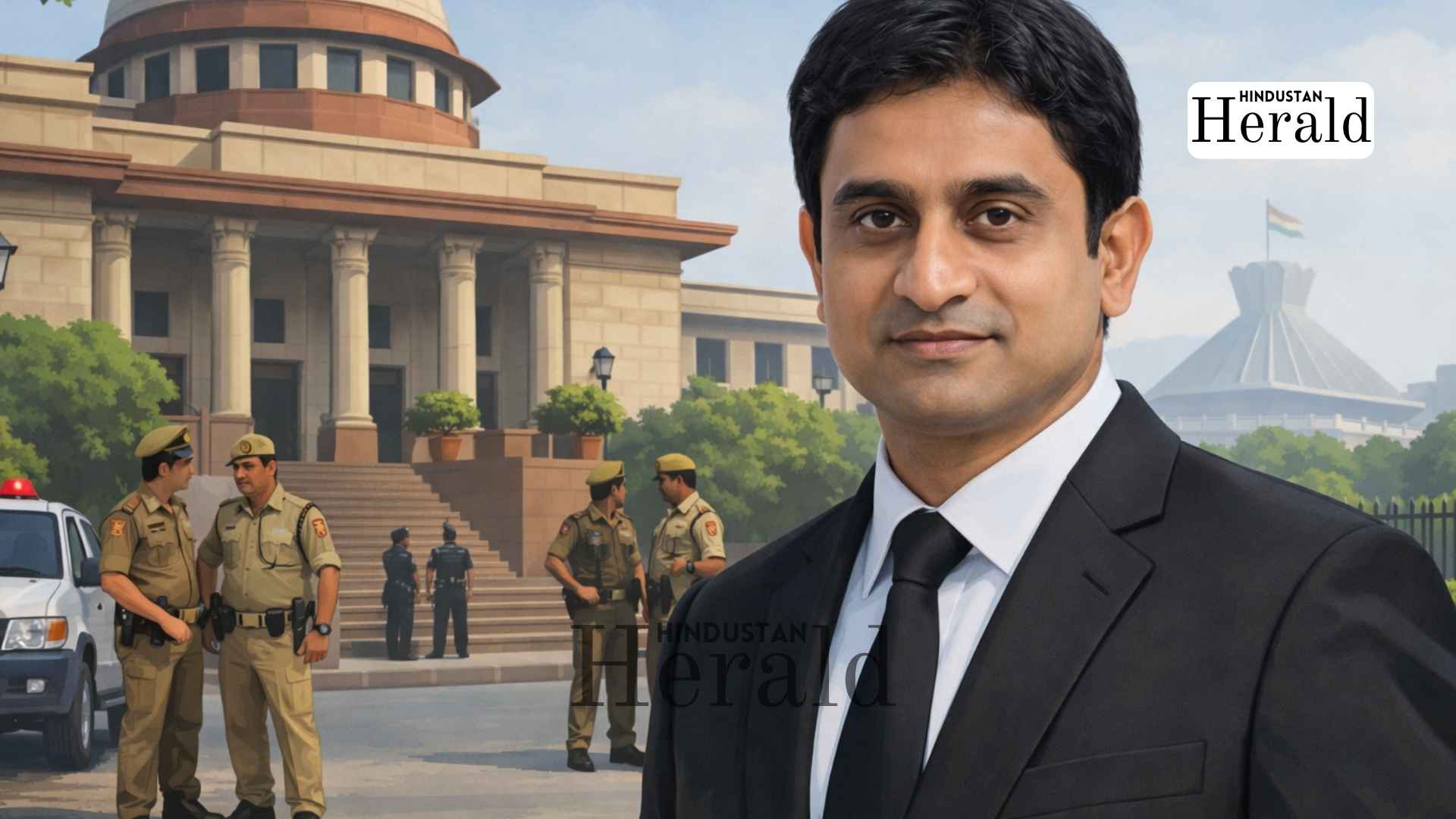
New Delhi, February 24: The mood outside Patiala House Court on Tuesday morning was not dramatic, but tense. Lawyers stood in small circles, party workers whispered into their phones, and police personnel kept a steady watch. Inside, a magistrate heard arguments that could decide whether Indian Youth Congress President Uday Bhanu Chib will spend the next week in police custody.
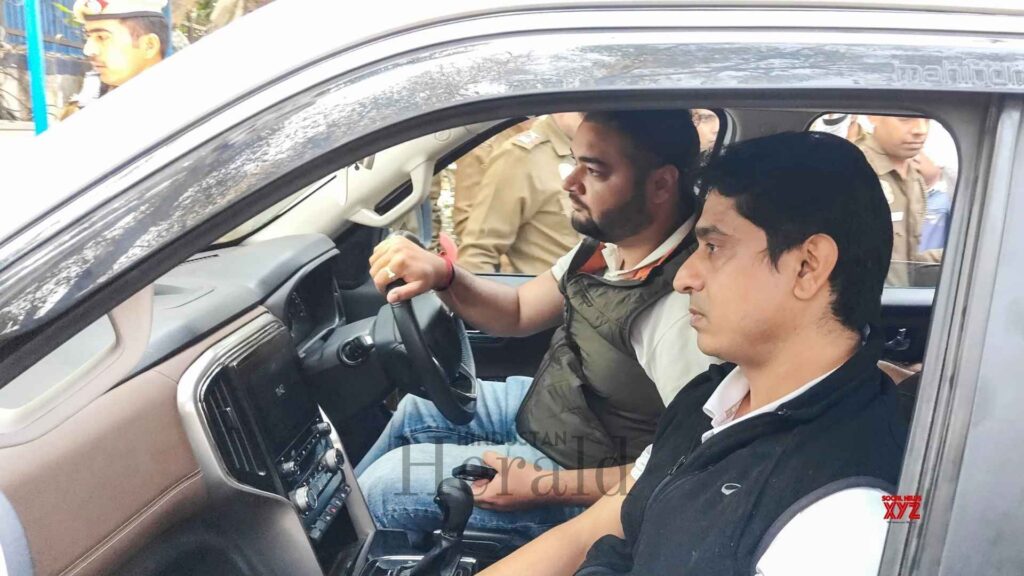
The court has reserved its order. The decision is expected at 12:30 PM.
For Chib, this has already been a long night. He was formally arrested in the early hours after nearly 15 to 20 hours of questioning at the Tilak Marg police station. With that, he became the eighth person arrested in connection with last week’s protest at Bharat Mandapam, where a group of youth Congress workers disrupted the closing day of the India AI Impact Summit.
What lasted a few minutes inside a conference hall has now turned into a case involving criminal conspiracy and charges linked to national unity.
What Exactly Happened That Day

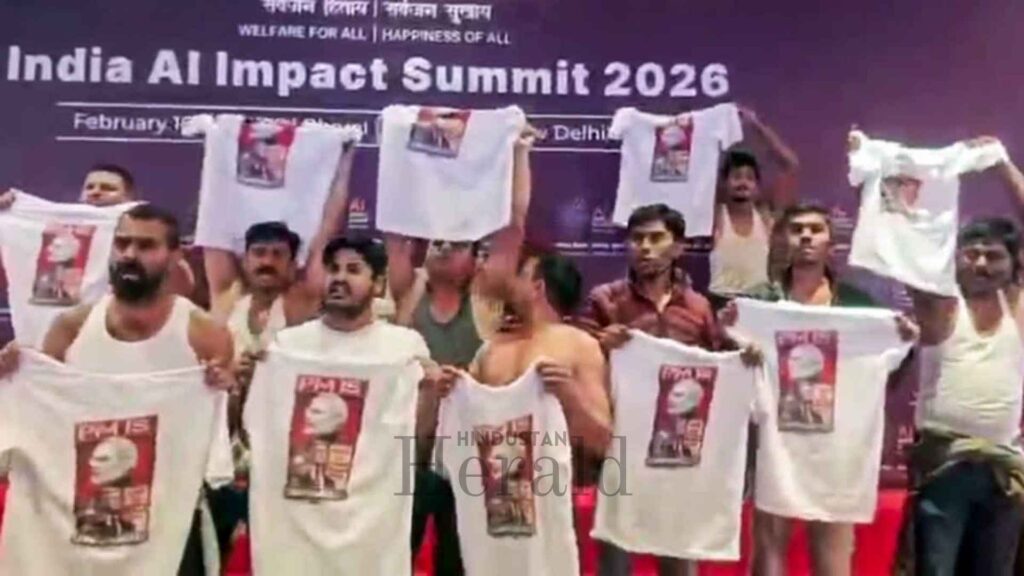
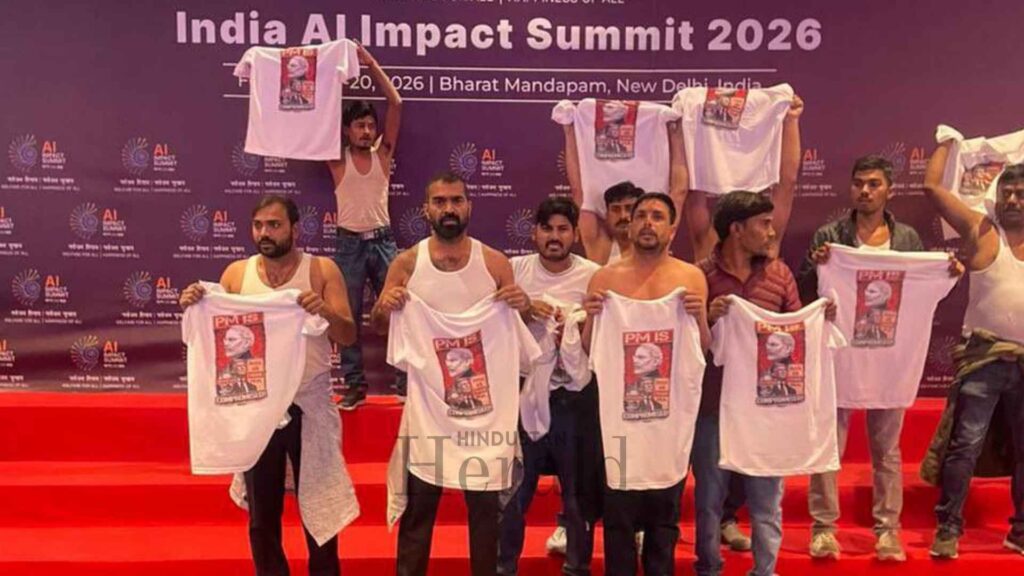
On February 20, as ministers and industry leaders gathered to discuss artificial intelligence and India’s tech ambitions, a small group of Indian Youth Congress workers slipped into the audience area.
At a chosen moment, they took off their shirts. Underneath were T-shirts printed with political slogans, including remarks targeting the Prime Minister and references to an “India-US Trade Deal.”
Security reacted quickly. The protestors were escorted out. There were no reports of violence. No damage. No chaos spilling onto the streets.
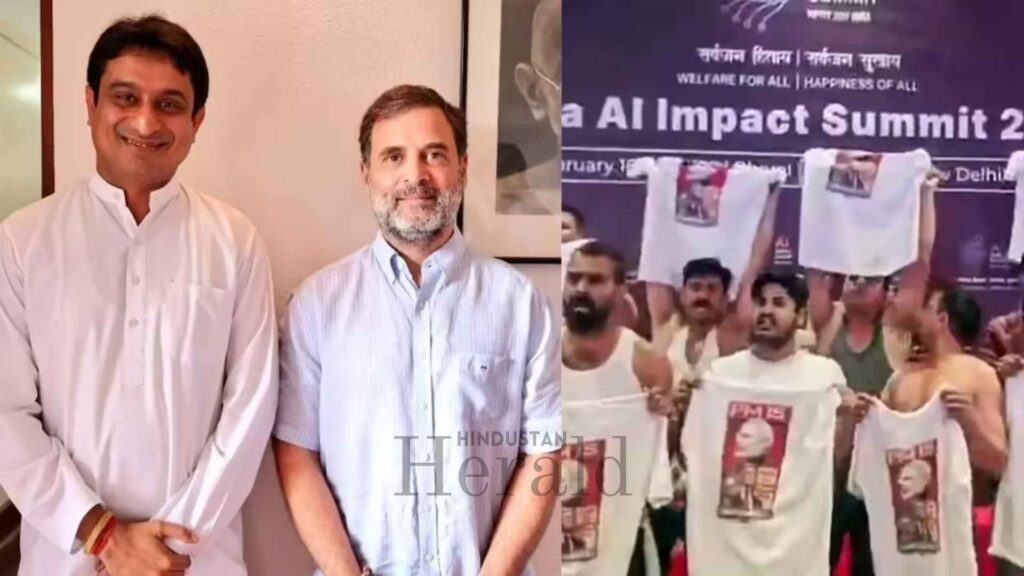
But police say the simplicity of the act does not tell the whole story.
According to investigators, this was not an impulsive protest. They argue it was planned, coordinated across states, and timed to embarrass the government at an international event. That is why, officers told the court, serious sections of the Bharatiya Nyaya Sanhita have been invoked.
The Charges And Why They Matter
Police have cited Section 196, which deals with promoting enmity between different groups and is a non-bailable offence. They have also invoked Section 197, concerning statements that could harm national integration, along with Section 61(2), which addresses criminal conspiracy.
To many outside legal circles, these sections sound heavy for what appeared to be a slogan-based protest. That is precisely what the defence highlighted in court.
Chib’s counsel argued that the protest was political, yes, but peaceful. There was no attempt to incite violence. No attempt to create communal tension. According to the defence, slogans about trade policy and political leadership fall under democratic expression.
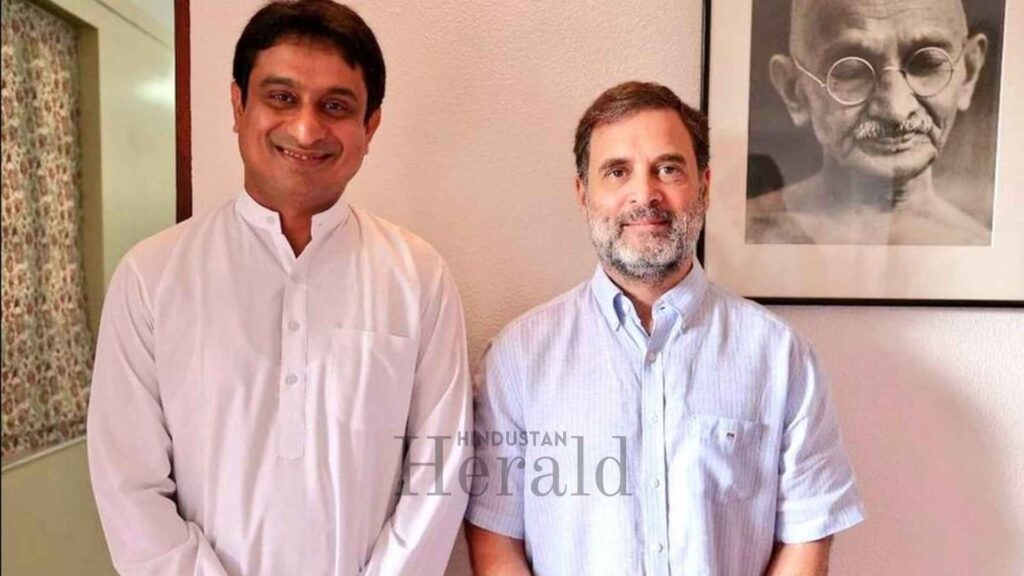
They also made a practical point. If Chib had already joined the investigation twice and sat through nearly an entire day of questioning before his arrest, what new information requires seven days of police custody?
The prosecution answered that by calling him the “mastermind.” Police told the court they need custodial interrogation to confront him with other accused persons and to trace communication and logistical planning. Some of those arrested are reportedly from outside Delhi. The investigation has now been handed over to the Delhi Police Crime Branch, specifically its Inter-State Crime Branch, which usually steps in when cases stretch beyond city limits.
That transfer alone has raised eyebrows.
A Protest, Or Something Larger
There is also the political backdrop. The India AI Impact Summit was positioned as a showcase of India’s technological progress. Global delegates were in attendance. The government had framed the summit as part of India’s push to lead conversations on artificial intelligence.
A protest inside that venue, however brief, interrupted that message.
Opposition leaders have often criticised the government over trade talks and economic policy. The slogans on the T-shirts reflected those criticisms. For the ruling establishment, staging such a protest at a high-profile international event crosses a line. For the opposition, preventing such a protest risks shrinking democratic space.
That debate is now playing out inside a courtroom.
Inside The Courtroom
The hearing itself was procedural but tense. The police pressed for seven days of custody. The defence opposed it strongly.
There were no dramatic exchanges. No raised voices. But the arguments carried weight.
If custody is granted, Chib will remain with investigators, who can question him directly and possibly confront him with other accused. If custody is denied, he could be sent to judicial custody instead, limiting the police’s direct access.
Either way, the case does not end here. This is only the remand stage. The real test will come later, when evidence is placed before the court, and the applicability of the charges is examined in detail.
For now, the focus is narrower. Does the police need custody to continue its probe?
Bigger Questions In The Background
Beyond the legal arguments lies a larger concern that ordinary citizens understand instinctively. When does protest become conspiracy? When does dissent cross into criminal territory?
India’s new criminal code, the Bharatiya Nyaya Sanhita, replaced colonial-era laws with the promise of modernisation. Lawyers and civil rights observers are closely watching early cases under its provisions. How courts interpret sections related to national integration and enmity will shape future cases.
This is not just about one youth leader or one protest. It is also about how the state balances security at high-profile events with the right to political expression.
On the streets outside the court, reactions are mixed. Some say disrupting an international summit sends the wrong message. Others say protest is meant to be uncomfortable.
Chib himself has not made a public statement since his arrest.
What Happens At 12:30 PM
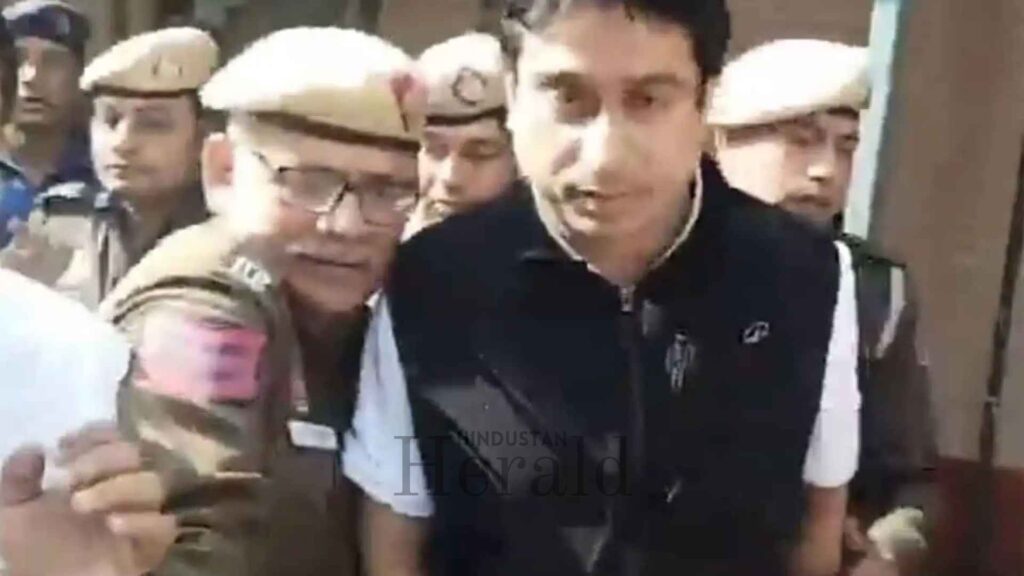
All attention now turns to the magistrate’s order.
A grant of police custody would signal that the court sees merit in the investigation’s urgency. A rejection would suggest that the threshold for custodial interrogation has not been met, at least at this stage.
Either outcome will be read politically. That is unavoidable.
For the moment, though, the issue is legal and immediate. A young political leader sits in custody. The police insist they need more time with him. His lawyers insist they do not.
By early afternoon, there will be clarity on the next step. The larger debate about protest, power and the limits of dissent is likely to continue long after.
Stay ahead with Hindustan Herald — bringing you trusted news, sharp analysis, and stories that matter across Politics, Business, Technology, Sports, Entertainment, Lifestyle, and more.
Connect with us on Facebook, Instagram, X (Twitter), LinkedIn, YouTube, and join our Telegram community @hindustanherald for real-time updates.

Covers Indian politics, governance, and policy developments with over a decade of experience in political reporting.
- Ananya Sharma

- Ananya Sharma
- Ananya Sharma
- Ananya Sharma


 Sandeep Verma
  Arun Upadhayay