 By Ananya Sharma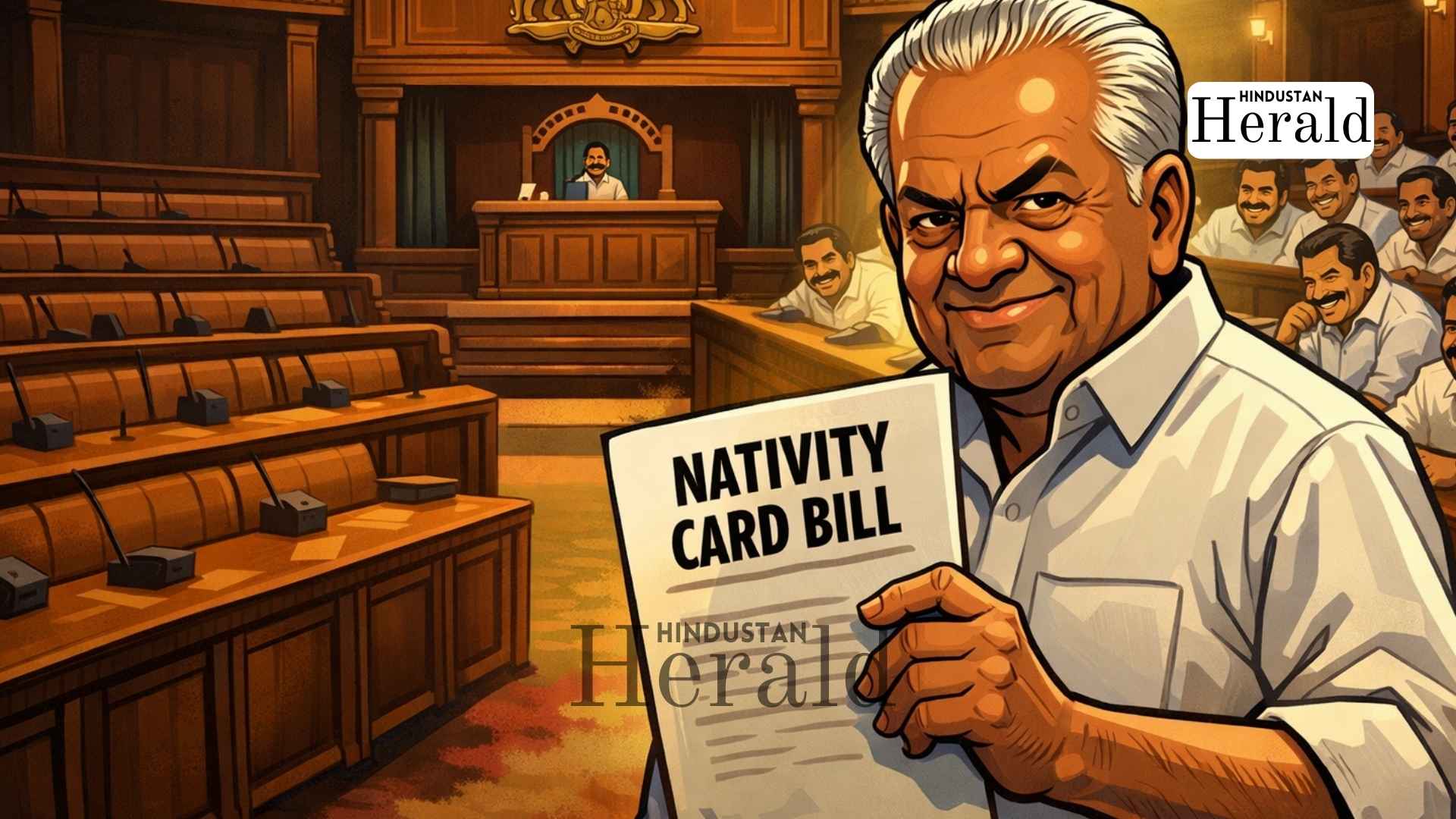
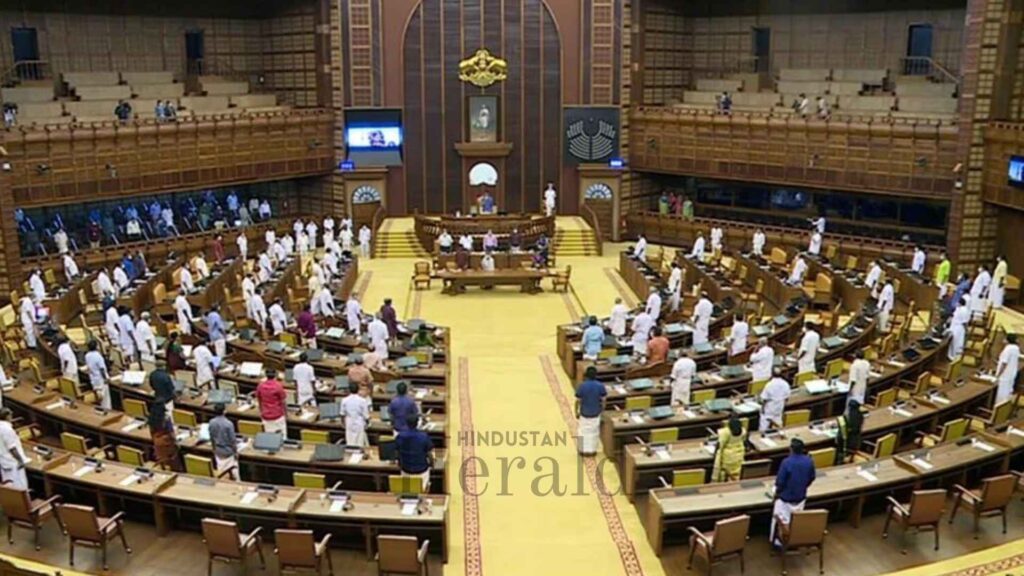
Thiruvananthapuram, February 24: It was a strange kind of silence inside the Kerala Legislative Assembly on Tuesday. The Opposition benches were empty. The usual interruptions, the raised voices, and the theatrical protests that mark contentious days in Kerala politics were missing. And in that quiet, the Nativity Card Bill 2026 was passed.
Outside the House, the noise quickly returned.
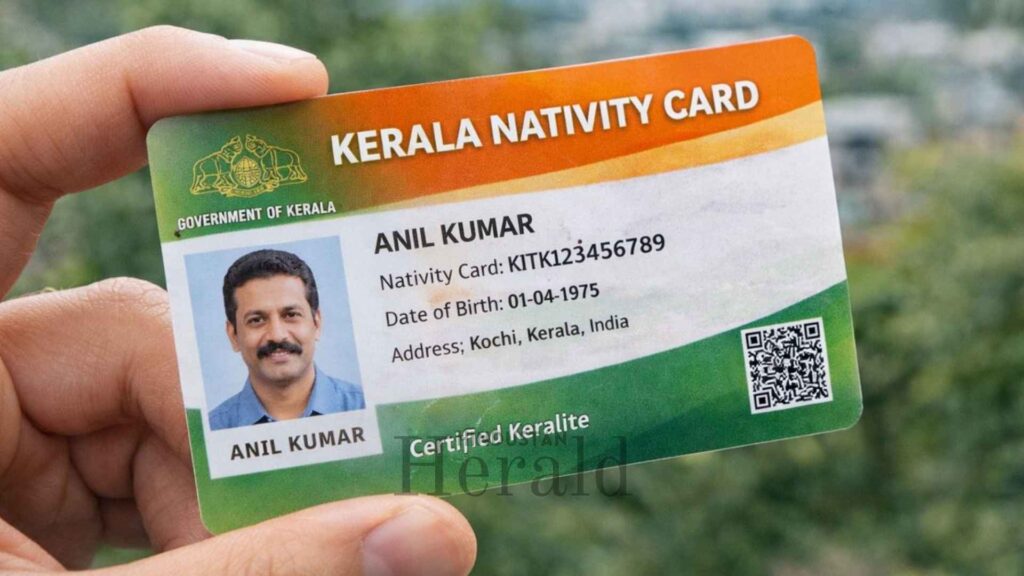
The Bill, which gives legal backing to a permanent, photo-embedded Nativity Card, is being projected by the Left Democratic Front (LDF) government as a shield. A shield against uncertainty. A shield, it says, against identity-related anxieties that have lingered ever since the Citizenship (Amendment) Act, 2019, came into force.
But on Tuesday, the politics of the moment overpowered the policy at hand.
An Empty Opposition And A Full Agenda
The Congress-led United Democratic Front (UDF) did not stay to debate the Bill. Its legislators walked out at the start of the sitting, protesting what they describe as the government’s failure to address concerns around the Sabarimala gold loss case.
For the UDF, that controversy demanded priority. For the treasury benches, governance could not wait.
So the Nativity Card Bill went through without discussion. Alongside it, the Abkari (Amendment) Bill, 2026, and the Kerala Advocates’ Welfare Fund (Amendment) Bill, 2026, were also cleared. It was efficient. It was swift. It was, depending on whom you ask, either decisive leadership or legislative haste.
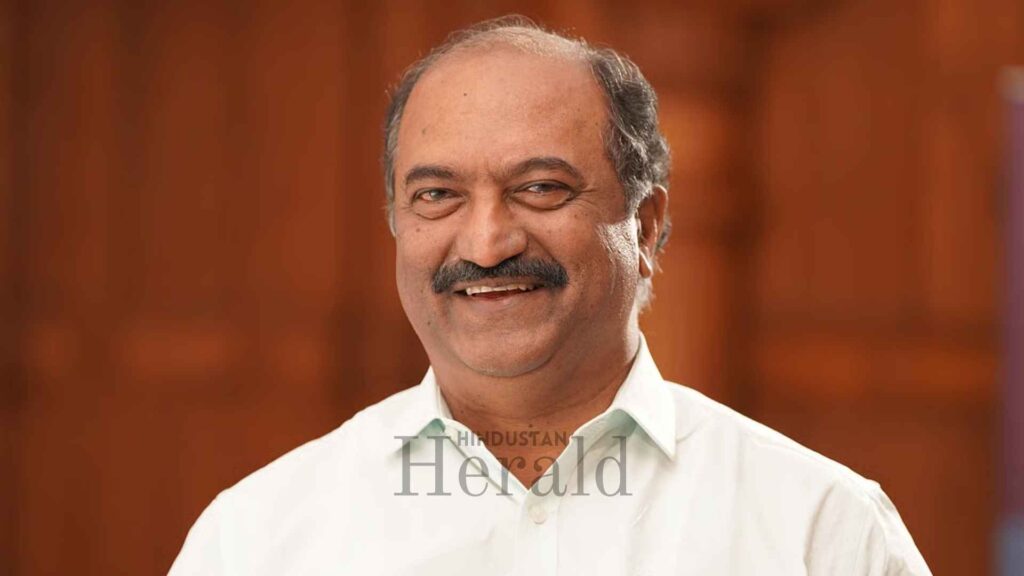
Finance Minister K.N. Balagopal called the passage of the Nativity Bill a historic moment. He did not hide his irritation at the Opposition’s absence. A legislature, he argued, is meant for debate, not empty chairs.
The UDF, for its part, insists that walking out was the only way to register a protest.
What The Nativity Card Actually Does
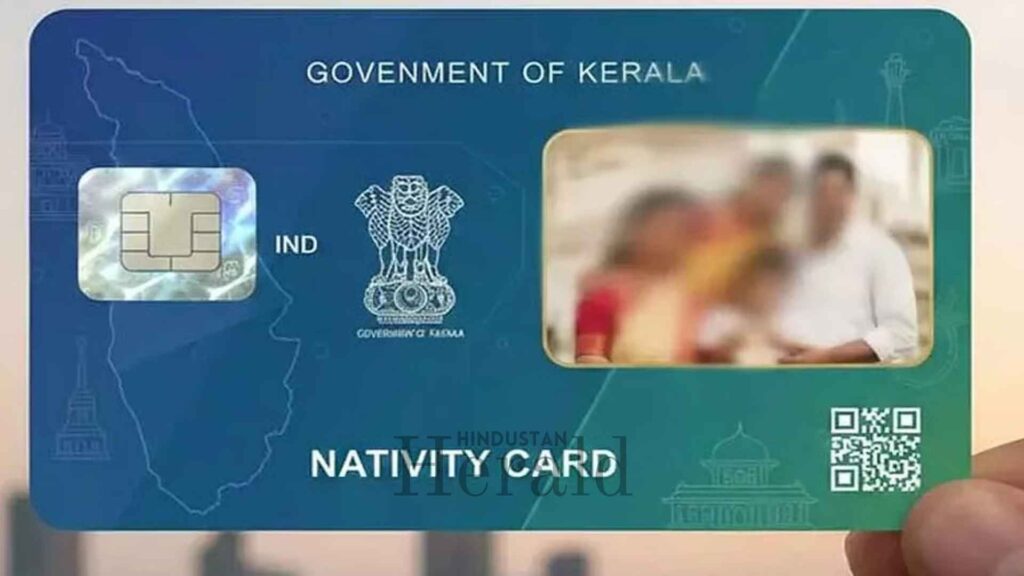
Strip away the rhetoric, and the Bill is straightforward on paper.
It allows the state to issue a permanent identity card certifying that a person is a “native of Kerala.” The definition is deliberately broad. Anyone born in the state qualifies. So does anyone with at least one ancestor born here. Even those born outside Kerala, if their parents were working elsewhere at the time and they have not taken foreign citizenship, can apply.

Revenue Minister K. Rajan framed it as a response to what he described as unilateral implementation of the CAA by the Union Government. Kerala has consistently opposed the Act. The Assembly passed resolutions against it. The state moved the Supreme Court of India, challenging its constitutional validity.
This new law, Rajan indicated, is about reassurance. About ensuring that no resident struggles to prove their connection to Kerala in matters of education, welfare, or employment.
That reassurance is not abstract. Kerala has a vast diaspora. Families stretch across the Gulf, Bengaluru, Mumbai, and London. Generations move in and out of the state for work. Paper trails blur. The government appears to be acknowledging that reality.
Still, the Nativity Card is not citizenship. It cannot be. Citizenship sits squarely with Parliament under the Constitution. What Kerala is creating is an administrative recognition of origin, not a parallel passport.
But in politics, perception often matters as much as technical precision.
The BJP’s Objection
The Bharatiya Janata Party (BJP) was quick to criticise the move. State leaders called it dangerous, even separatist. They questioned the legal ground it stands on and warned that blurring lines between nativity and nationality could create confusion.
There is a deeper ideological clash here. The BJP views the CAA as a necessary correction in India’s citizenship framework. The LDF views it as discriminatory. The Nativity Card, in that sense, is not just paperwork. It is messaging.
Kerala has long positioned itself as a state unafraid to push back against the Centre when it believes federal lines are being crossed. Tuesday’s vote fits that pattern.
Whether it invites a legal challenge remains to be seen.
Between Symbolism And Administration
On the same day, another symbolic development unfolded in New Delhi. The Union Cabinet approved the proposal to officially rename the state from “Kerala” to “Keralam.” The Assembly had earlier passed a resolution seeking that change, arguing that the Malayalam pronunciation better reflects cultural identity.
Names matter. Identity matters. And on Tuesday, Kerala leaned heavily into both.
Yet practical questions are waiting quietly behind the symbolism.
How will applicants prove that an ancestor was born in Kerala? What documents will be required? How will disputes be settled? Will the card be digital, biometric, or linked to existing state databases? How will data be protected?
Those answers will come later, when the rules are framed. For now, the law establishes intent more than mechanics.
A Familiar Political Fault Line
If there is one constant in Kerala’s political culture, it is confrontation. The LDF and the UDF have alternated power for decades, and neither side misses an opportunity to accuse the other of overreach.
Tuesday was no exception.
The government says the Opposition chose protest over participation. The Opposition says the government chose speed over scrutiny. Somewhere in the middle lies a piece of legislation that could, in time, affect millions of residents.
It is also worth noting that domicile certificates are not new. States across India issue them for education quotas and local benefits. Kerala’s move differs mainly in its permanence and branding. Calling it a “Nativity Card” gives it a symbolic heft that ordinary certificates never carried.
Whether that heft translates into meaningful administrative ease or remains largely political theatre will depend on implementation.
What It Means For Residents
For many ordinary Malayalis, the debate may feel distant. What matters is whether this card simplifies processes that are often tedious. Proving local status for college admissions, government jobs, or welfare schemes can involve repeated paperwork. If the Nativity Card reduces that friction, it may find quiet acceptance.
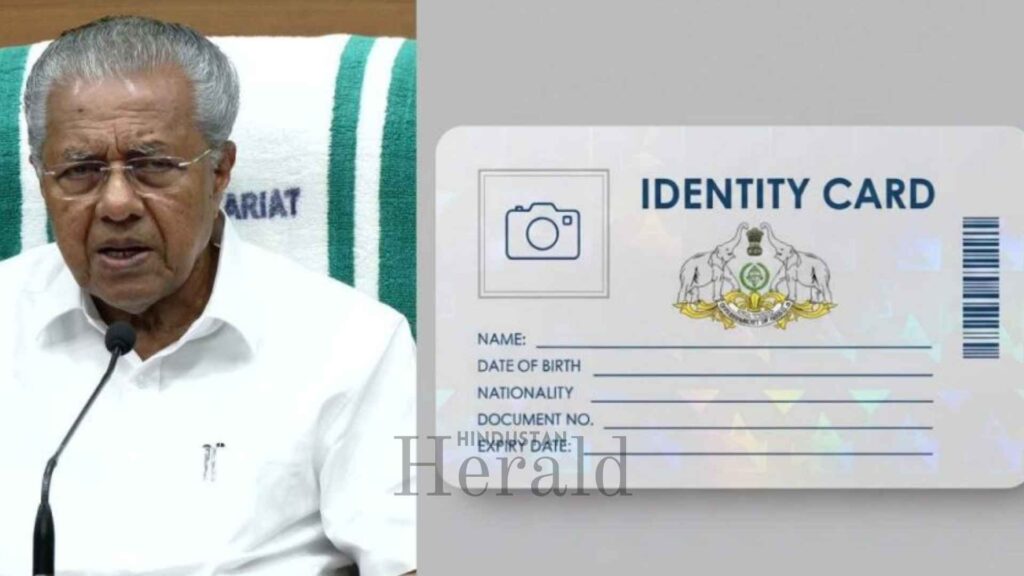
If it becomes another layer of bureaucracy, enthusiasm will fade quickly.
There is also the emotional dimension. In a state where migration is woven into daily life, questions of belonging are rarely simple. Children born in Dubai but raised in Kozhikode. Families are split between Kochi and Doha. A document that acknowledges those layered identities may resonate more than politicians realise.
Still, law and emotion do not always move in sync.
The Road Ahead
The Bill now goes to the Governor for assent. After that, the real work begins. Drafting rules. Setting up application systems. Training officials. Handling appeals.
Legal scrutiny could follow. Political sparring certainly will.
For the LDF, this is another marker in its ongoing standoff with the Centre over the CAA and broader federal questions. For the BJP, it is an opportunity to argue that regional assertion has crossed into excess. For the UDF, it is a reminder that boycotts carry their own risks. Laws passed in your absence are still laws.
Inside the Assembly on Tuesday, the silence was striking. But outside, the conversation is only beginning.
Kerala has taken a step that is at once administrative and deeply political. Whether it becomes a model for other states or a cautionary tale will depend less on speeches and more on how the Nativity Card works in the hands of the people it is meant to reassure.
For now, one thing is certain. Identity, in India’s most politically aware state, remains as contested and as consequential as ever.
Stay ahead with Hindustan Herald — bringing you trusted news, sharp analysis, and stories that matter across Politics, Business, Technology, Sports, Entertainment, Lifestyle, and more.
Connect with us on Facebook, Instagram, X (Twitter), LinkedIn, YouTube, and join our Telegram community @hindustanherald for real-time updates.

Covers Indian politics, governance, and policy developments with over a decade of experience in political reporting.
- Ananya Sharma

- Ananya Sharma
- Ananya Sharma
- Ananya Sharma