
 By Herald Desk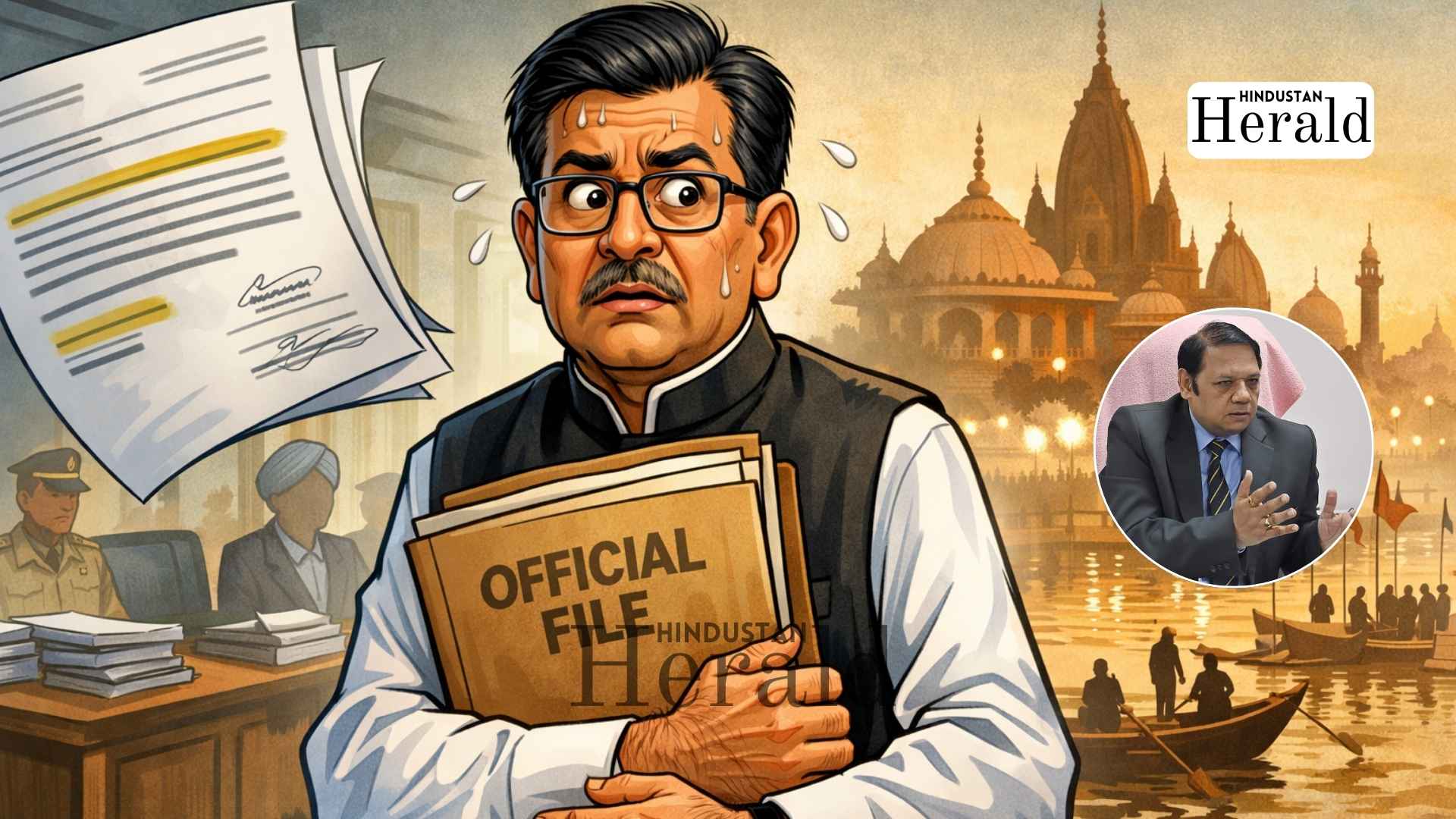
New Delhi, February 25: What began as a routine official visit to Prayagraj has, in less than 48 hours, turned into a sharp political embarrassment for Bharat Sanchar Nigam Limited and an uncomfortable moment for the Union government.
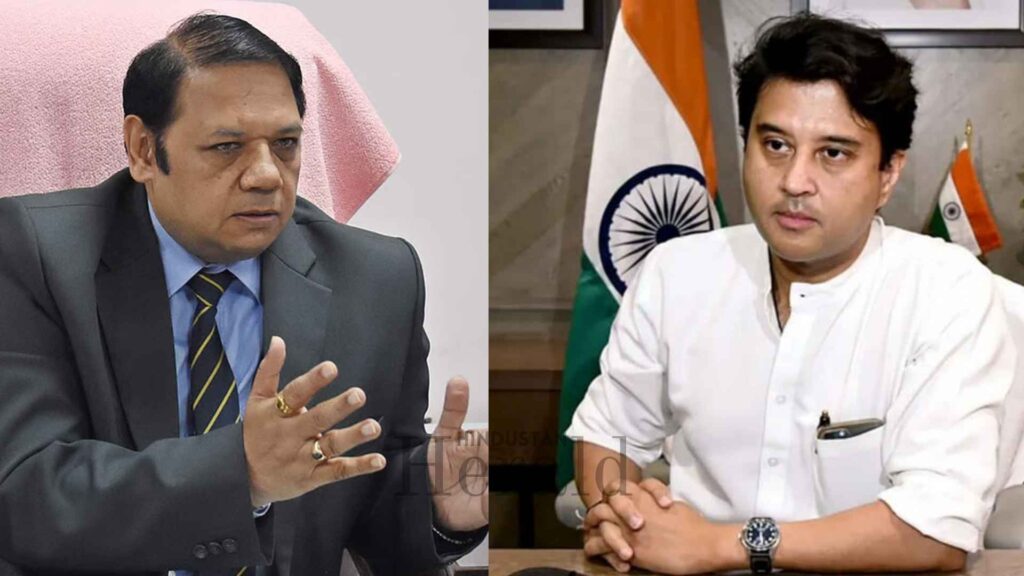
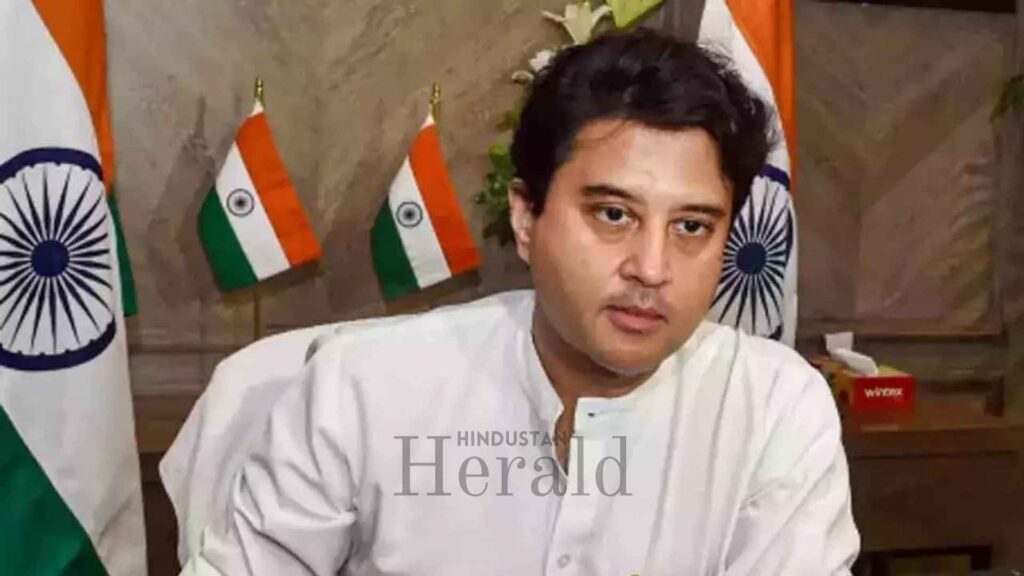
On Tuesday, Union Communications Minister Jyotiraditya Scindia publicly rebuked the arrangements made for a proposed visit by Vivek Banzal, Director Consumer Fixed Access on the BSNL board. The minister called the itinerary “absurd” and “shocking,” and confirmed that a formal show-cause notice has been issued.
The tone was unmistakably stern. “An order like this is unacceptable in new India,” Scindia said, making it clear that the government sees this as more than a clerical misstep.
Behind the sharp language lies a document that has now travelled far beyond internal telecom circles.
The Office Order That Triggered It All
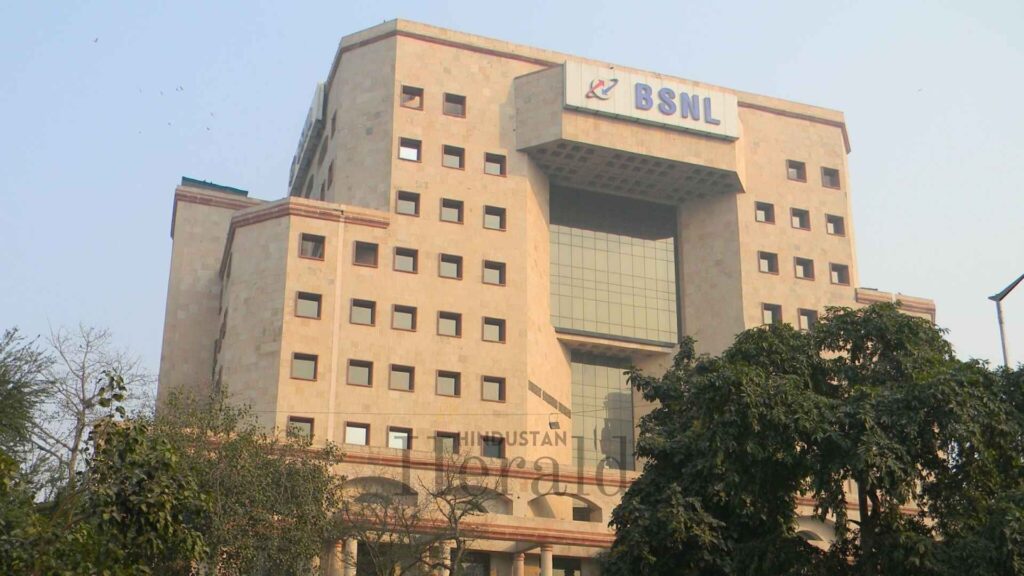
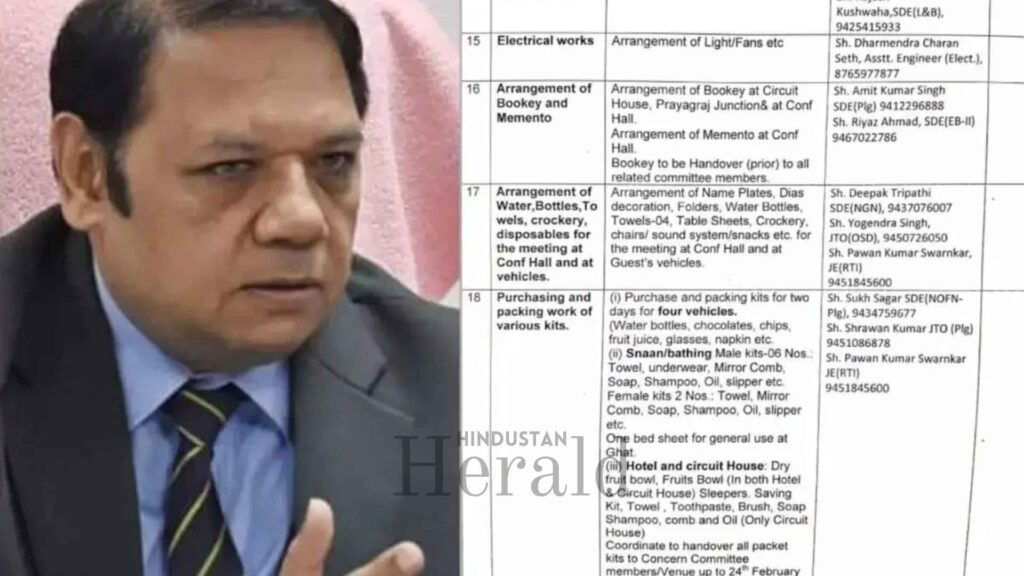
The controversy traces back to an internal memo dated February 19 from BSNL’s Prayagraj unit. The document laid out detailed preparations for Banzal’s visit scheduled for February 25 and 26.
Had it remained a routine administrative note, few would have paid attention. Instead, it went viral.
The order assigned close to 50 officials, including engineers and technical officers, to around 20 tasks. What unsettled many was not the number alone but the nature of those tasks.
The memo directed staff to arrange “snan” kits containing undergarments, hair oil, combs, mirrors, and slippers. Slippers, notably, were misspelled as “sleepers.” Fruit bowls and dry fruits were to be placed in rooms. Shaving kits and specific toiletries were to be made available at both the hotel and the Circuit House.
There were also elaborate instructions for coordinating a holy dip at the Sangam and visits to temples, including Bade Hanuman, Akshayavat, and Patalpuri.
To some, it read less like an official inspection plan and more like ceremonial hospitality for visiting royalty.
Social media reacted accordingly.
Within hours, screenshots of the memo were being shared widely, often accompanied by biting commentary about taxpayer money and bureaucratic privilege.
Swift Cancellation, Faster Fallout
By Monday evening, the damage was visible. On Tuesday, it became formal.
The visit was cancelled on February 24, even before Banzal could arrive in Prayagraj. BSNL issued a statement distancing itself from the arrangements, saying they did not conform to the organisation’s “professional standards and values.” Internal action, the company said, has been initiated against the officials who drafted the order.
What BSNL has not clarified publicly is whether Banzal himself requested the arrangements or whether local officials overreached in anticipation.
That distinction now matters a great deal.
The Ministry of Communications has given Banzal seven days to explain the “royal” protocol planning. The show-cause notice is effectively a demand for answers: Who authorised this? Who knew? Who signed off?
And perhaps most importantly, was this standard practice dressed up in unusual detail, or something more troubling?
A Sensitive Moment For A Struggling PSU
The timing is awkward.

BSNL is in the middle of a government-backed revival effort. Years of financial stress, subscriber losses, and stiff competition from private telecom players have left the state-run operator fighting for relevance. The Centre has infused capital, allocated spectru,m and backed indigenous network rollouts in an attempt to steady the ship.
In that context, optics matter.
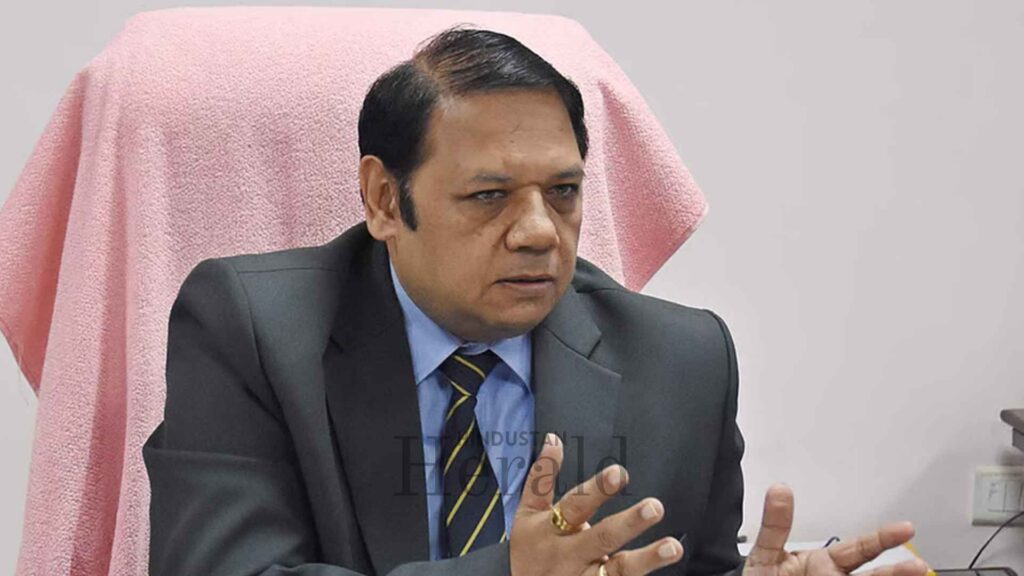
Banzal is not a junior functionary. A 1987-batch Indian Telecommunication Service officer, he has spent over three decades in the sector and currently oversees BSNL’s fixed access and broadband business, including the Bharat Fiber initiative. The portfolio is central to BSNL’s push to expand its fibre-to-the-home footprint.
For a company trying to project efficiency and discipline, images of detailed bath kits and dry fruit arrangements land badly.
Still, it would be simplistic to view this solely through the lens of public outrage.
Protocol Versus Perception
Senior officials are entitled to certain facilities during official travel. Accommodation, transport, security coordination, and logistical support are routine. In India’s bureaucratic ecosystem, district units often go to great lengths to ensure that visiting board members or secretaries face no inconvenience.
The line between protocol and excess, however, is a thin one.
Here, what seems to have inflamed opinion is the granular listing of personal items. Undergarments and hair oil do not sit easily in an official memo.
Then there is the religious component.
Prayagraj is not just another city. It is home to the Sangam, a deeply symbolic site for millions of Indians. Officials visiting the city often take the opportunity for a dip or a temple visit. That is not unusual.
But when official manpower appears to be deployed to coordinate personal religious activity, questions follow.
Was this an instance of overzealous local staff trying to please a senior officer? Or does it reflect a culture where such arrangements are quietly normalised?
The inquiry may answer that. Public opinion, meanwhile, has already formed impressions.
The Minister’s Message
Scindia’s intervention was pointed. By describing the order as “beyond absurd and shocking,” he signalled that the government wants to be seen as taking a hard line.
The phrase “new India” was not incidental. It echoes a broader political narrative about dismantling VIP culture and enforcing accountability within public institutions.
In bureaucratic circles, a show-cause notice is serious. It compels a written explanation and can form the basis for disciplinary action if the response is found wanting.
Seven days is not a long window.
Sources indicate that the Ministry will examine not only Banzal’s explanation but also the chain of approvals within BSNL’s regional office. If the arrangements were drafted without his knowledge, the focus may shift downward. If not, consequences could escalate.
A Broader Governance Question
This episode also reveals something about how quickly internal documents can escape controlled environments. What once might have remained an internal embarrassment is now a national controversy within hours.
Public sector undertakings operate under intense scrutiny, particularly when revival packages involve public money. Every detail is dissected.
There is also a deeper discomfort among citizens about perceived bureaucratic entitlement. India’s administrative culture has evolved over decades, and vestiges of hierarchy and ceremony persist. When those traditions collide with contemporary expectations of frugality, friction is inevitable.
In that sense, this is not merely about one visit to Prayagraj. It is about the standards that public institutions are expected to uphold.
For now, the trip has been cancelled. The memo has been disowned. Internal inquiries are underway.
But reputational damage, once done, is not so easily withdrawn.
Over the next week, attention will turn to Banzal’s explanation. Whether this becomes a brief episode of administrative embarrassment or a more consequential disciplinary case depends on what emerges from that response.
For BSNL, which is trying to rebuild trust and relevance in a fiercely competitive telecom landscape, the lesson is stark. Efficiency is not only about network rollout or balance sheets. It is also about perception, restraint, and the ability to align conduct with public expectations.
And in the age of viral documents, even a list of slippers can become a national issue.
Stay ahead with Hindustan Herald — bringing you trusted news, sharp analysis, and stories that matter across Politics, Business, Technology, Sports, Entertainment, Lifestyle, and more.
Connect with us on Facebook, Instagram, X (Twitter), LinkedIn, YouTube, and join our Telegram community @hindustanherald for real-time updates.

- Herald Desk

- Herald Desk
- Herald Desk
- Herald Desk




 Herald Desk
  Sandeep Verma
  Ananya Sharma