
 By Ananya Sharma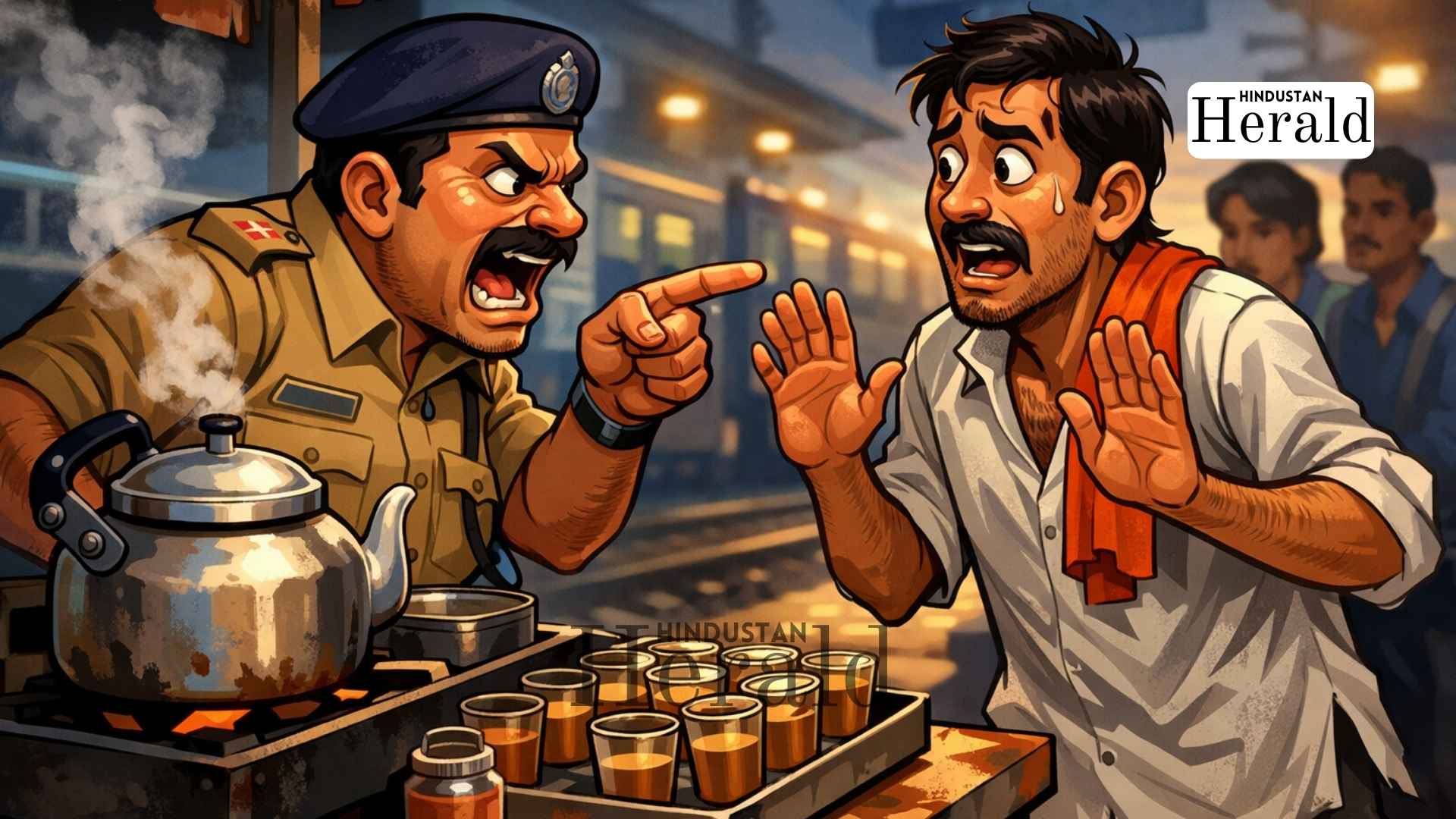
New Delhi, February 26: By late afternoon, the video had already made its rounds. WhatsApp groups, local Facebook pages, a few loud handles on X. The claim was simple and disturbing. A Government Railway Police constable (GRP), identified in viral captions as Suraj Chauhan, had allegedly assaulted a tea vendor named Indra after getting angry over a delay in preparing tea. The date attached to the claim was February 26, 2026.
People were furious. The alleged language used in the confrontation was abusive, degrading, the kind that makes your stomach turn. Many shared the posts with the same caption: “Nothing changes.”
But here is where things slow down.
As of tonight, there is no verified report from any major newspaper, television network, or wire agency confirming that such an incident has taken place in 2026. No official press release. No statement from district authorities. No acknowledgment from the Uttar Pradesh Police or the Railway Ministry.
And when the details are examined closely, they sound almost identical to a very real and very ugly case from June 2019 in Shamli, Uttar Pradesh.
The Case People Still Remember
In 2019, a video from Shamli district spread like wildfire. It showed a journalist, later identified as Amit Sharma, being beaten and verbally abused inside a railway police station. The footage was clear enough. The anger was visible. The language was impossible to ignore.
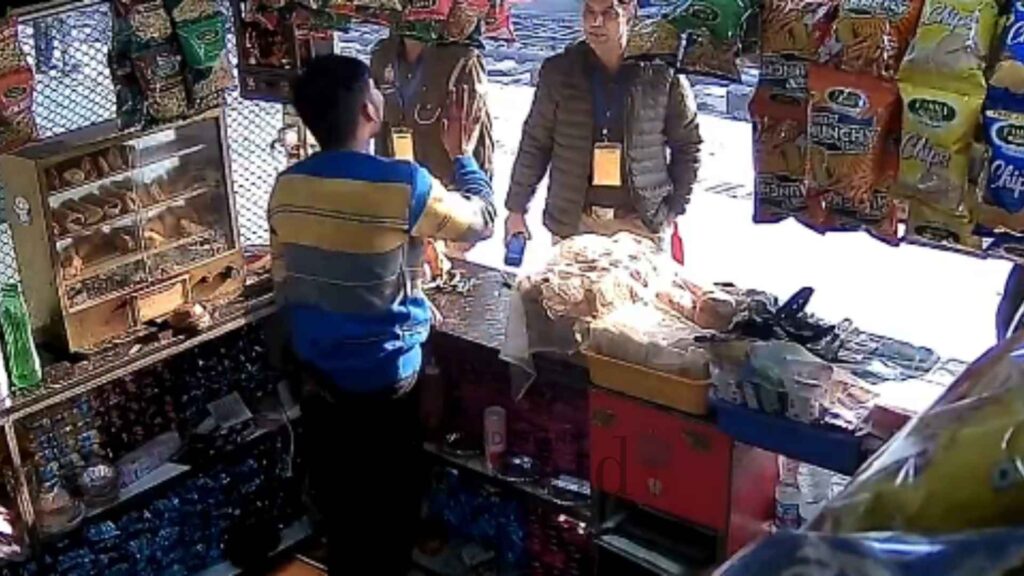
According to reports published at the time by The Indian Express and The Hindu, the officers involved were then SHO Rakesh Kumar and Constable Sanjay Pawar. The backlash was immediate. Journalist associations protested. Political leaders reacted. The incident quickly became more than a local story.
The Uttar Pradesh Police announced the suspension of the officers and ordered an inquiry. The administration moved fast, likely because the video evidence left little room for denial.
That episode left a mark. For many people, it confirmed long-standing fears about what can happen when authority goes unchecked behind closed doors.
Now, seven years later, the storyline circulating online feels eerily similar.
Same Pattern, Different Names
The 2026 claim follows a familiar script. A small disagreement. A uniformed officer is losing patience. Abusive language crosses all limits. A civilian humiliated. Public outrage is exploding within hours.
Even some of the alleged phrases being quoted online resemble what was reported during the 2019 Shamli case.
What is missing this time is verification.
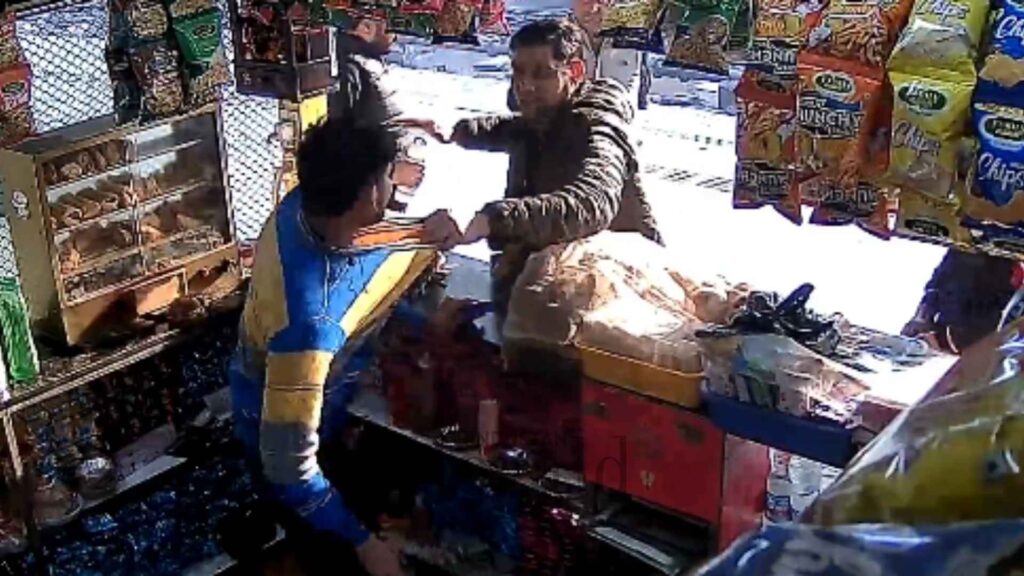
No local reporters from Shamli or nearby districts have filed stories. No Hindi dailies have carried a district brief. No television tickers are running updates. Even smaller regional portals, which usually pick up such stories quickly, are silent.
In today’s media climate, that silence stands out.
When a genuine case of police misconduct emerges with video evidence, it rarely stays confined to social media for long. Reporters verify. Authorities respond. Statements are issued. Action, or at least a promise of action, follows.
Here, none of that has happened so far.
How Old Videos Resurface
Anyone who spends enough time online has seen this before. An old clip resurfaces with a new caption. Names are swapped. Dates are updated. Sometimes it is done deliberately to provoke anger. Sometimes it spreads simply because people assume it is recent.
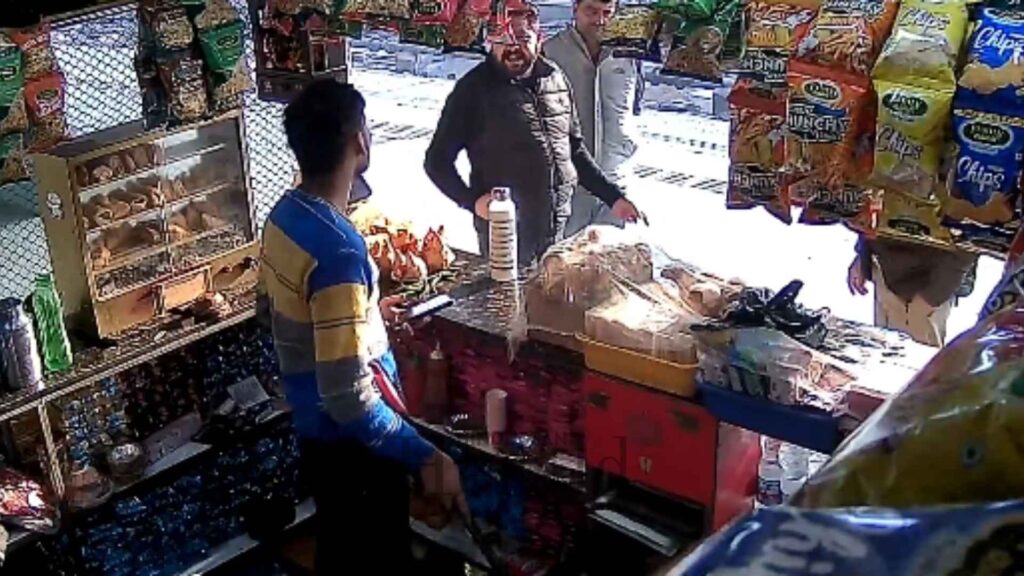
Police related videos are particularly vulnerable to this cycle. They evoke strong emotions. They tap into existing frustrations about power and accountability. When people already feel that “this keeps happening,” they are more likely to believe a new claim without checking the timeline.
The 2019 Shamli video was deeply disturbing. It was widely shared. It is not surprising that it could resurface years later, stripped of context and given fresh labels.
That does not mean police misconduct is impossible in 2026. It means this specific claim has not been independently confirmed.
And that distinction matters.
Why It Feels Believable
There is a reason so many people reacted instantly.
A tea vendor is not an abstract figure. Almost every railway platform in India has one. A stall owner who wakes up early, boils water all day, and deals with hundreds of customers. The image is familiar.
Now picture a uniformed officer shouting over a delay in tea. The power imbalance is obvious. It is a scene that feels plausible. That emotional plausibility fuels outrage.
Uttar Pradesh has, in recent years, faced scrutiny over policing practices in certain cases. Allegations of custodial violence have made headlines before. Each new viral clip, real or recycled, lands on that already sensitive ground.
But journalism cannot operate on what feels believable. It must operate on what is verifiable.
As of February 26, 2026, there is no confirmed evidence in the public domain that a constable named Suraj Chauhan assaulted a vendor named Indra in the manner being described online.
What Happens When Cases Are Real
The 2019 Shamli episode offers a clear contrast.
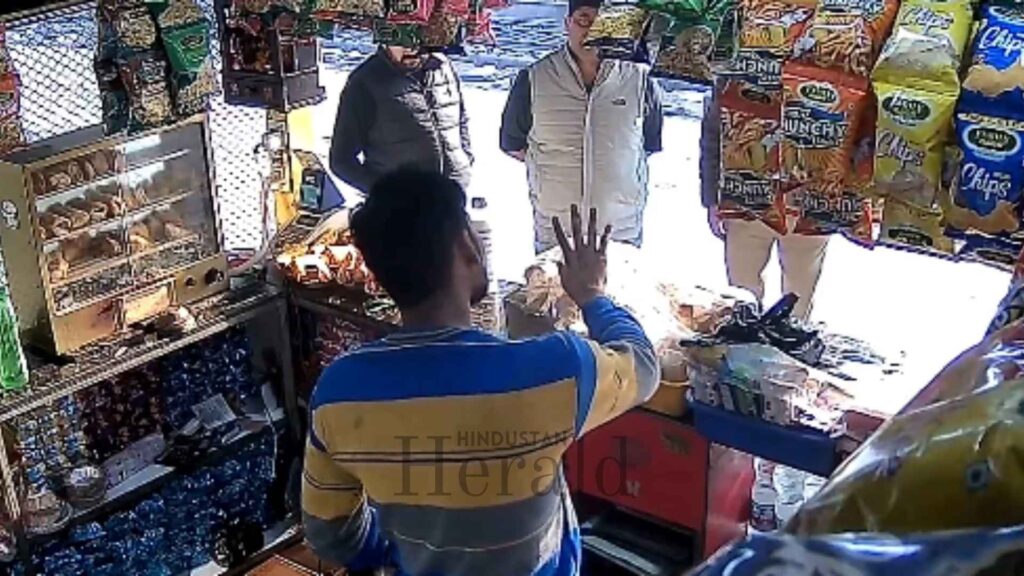
When that video surfaced, it did not take long for established newsrooms to confirm details. By the same day, national publications had reported on the incident. The names of the officers were verified. Suspension orders were announced. The matter moved into the administrative system.
That is typically how these cases unfold when genuine and documented. Video evidence triggers reporting. Reporting triggers official acknowledgment. Administrative action follows, at least in the short term.
Here, the chain has not begun.
There is no official version of events. No departmental announcement. No record of suspension. No First Information Report has been reported in the public domain.
In the absence of these markers, repeating the viral claim as fact would be premature.
The Cost Of Getting It Wrong
There is also the question of fairness.
Attaching a specific name to an unverified allegation carries consequences. In the digital era, accusations linger long after clarifications. Even if a claim later proves to be false or misattributed, screenshots and posts continue to circulate.
This is not a defence of misconduct. If an officer has acted unlawfully or abusively, accountability is essential. But accountability must rest on confirmed facts.
Naming individuals without verification risks turning outrage into misinformation.
And misinformation weakens genuine cases of abuse when they do occur.
The Bigger Conversation
Even if the current claim turns out to be a resurfaced 2019 clip, the reaction tells us something important.
There is a visible trust deficit between sections of the public and law enforcement. When people see a video alleging humiliation over something as ordinary as tea, they do not respond with disbelief. They respond with resignation. “Again,” many say.
That sentiment should not be ignored.
Public confidence in institutions is built slowly and can erode quickly. Viral videos, real or recycled, tap into deeper frustrations about authority and accountability.
Still, anger alone cannot substitute for facts.
If a new incident has occurred, the truth will surface through proper channels. Reporters will verify. Authorities will be forced to respond. Documentation will follow.
Until that happens, the only responsible position is caution.
The 2019 Shamli case is part of the public record. National newspapers reported it. Officers were suspended. An inquiry was initiated. That chapter is documented.
The current viral narrative, however, remains unverified.
In a country where social media often moves faster than institutions, separating past from present is not always easy. But it is necessary.
Outrage can travel in seconds. Verification takes time.
For now, there is no confirmed evidence of a fresh 2026 incident involving the named individuals. The similarities to the 2019 Shamli case are strong enough to raise serious doubts about the timeline being presented online.
Facts must lead. Everything else must wait.
Stay ahead with Hindustan Herald — bringing you trusted news, sharp analysis, and stories that matter across Politics, Business, Technology, Sports, Entertainment, Lifestyle, and more.
Connect with us on Facebook, Instagram, X (Twitter), LinkedIn, YouTube, and join our Telegram community @hindustanherald for real-time updates.

Covers Indian politics, governance, and policy developments with over a decade of experience in political reporting.
- Ananya Sharma

- Ananya Sharma
- Ananya Sharma
- Ananya Sharma




 Sandeep Verma