
 By Ananya Sharma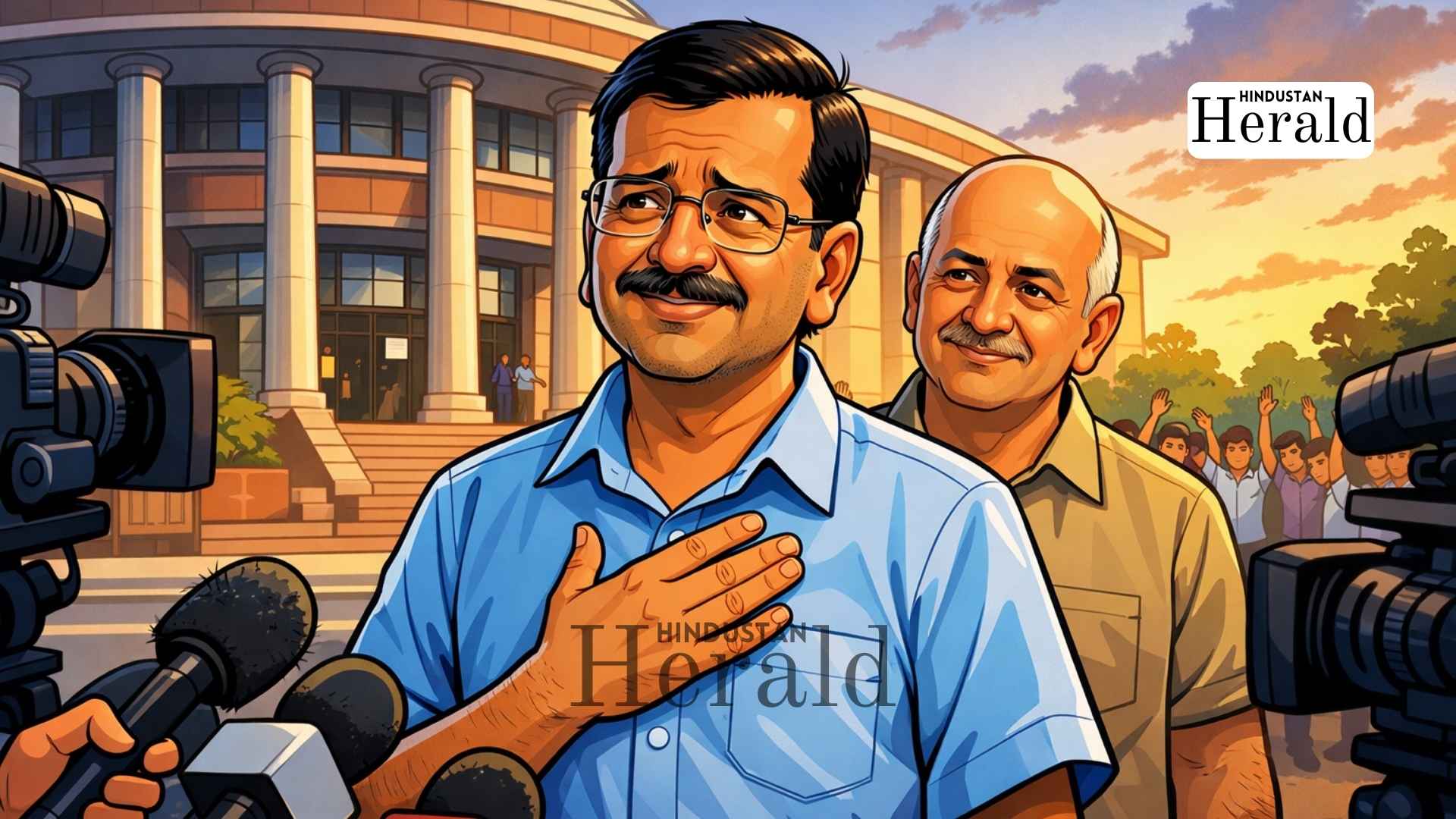
New Delhi, February 27: By late afternoon, the corridors of Rouse Avenue Court were thick with television crews, lawyers whispering into phones, and party workers craning their necks for word. It had been years since the Delhi excise policy case first exploded into the capital’s political bloodstream. On Thursday, that long and bruising chapter shifted dramatically.
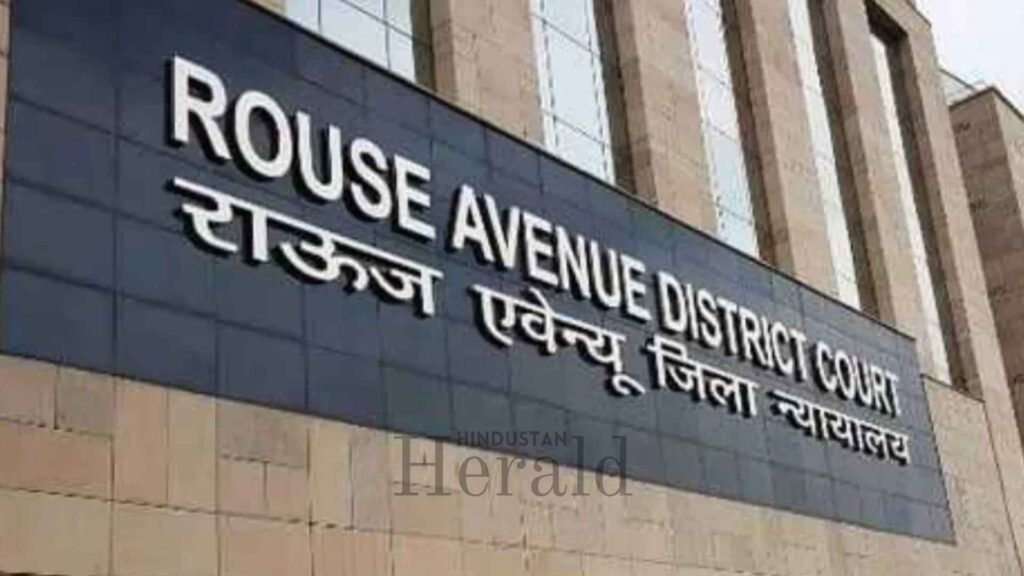
Special Judge Jitendra Singh discharged former Chief Minister Arvind Kejriwal, former Deputy Chief Minister Manish Sisodia, and 21 others in the CBI’s corruption case linked to the now-scrapped liquor policy.
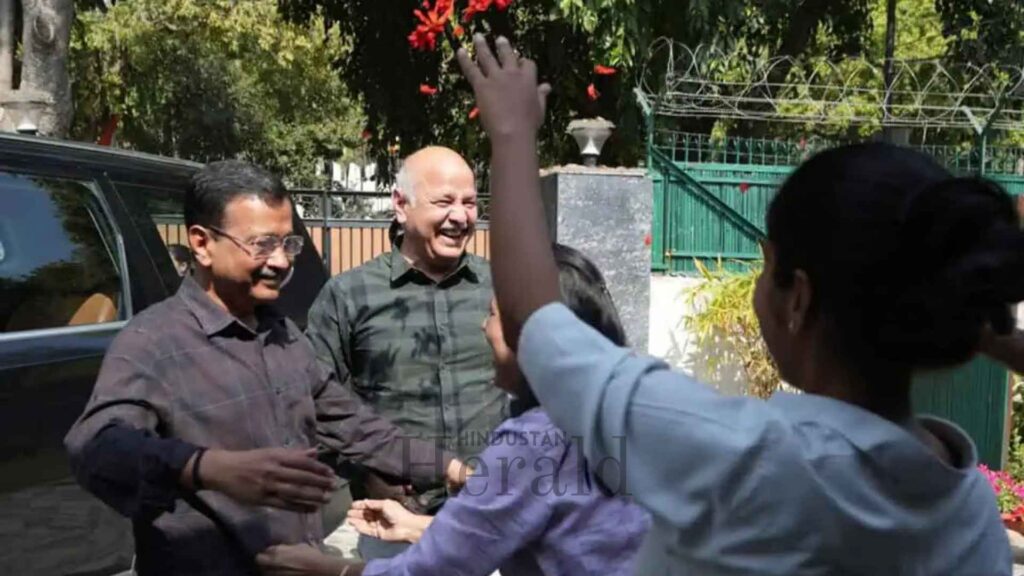
For the first time since the arrests began, the central allegation of corruption has failed to cross the basic legal threshold required for trial.
Inside the courtroom, the order was read out in measured tones. Outside, reactions came fast and loud.
A Case That Could Not Stand
The judge refused to take cognizance of the Central Bureau of Investigation’s chargesheet. In plain terms, the court said the material placed before it was not enough to even frame charges.
The order reportedly points to “lacunae” in the investigation. It says there was no material to show an overarching criminal conspiracy in how the policy was framed or implemented. Administrative decisions, even controversial ones, are not crimes unless backed by evidence of illegal intent. That link, the court found, was missing.
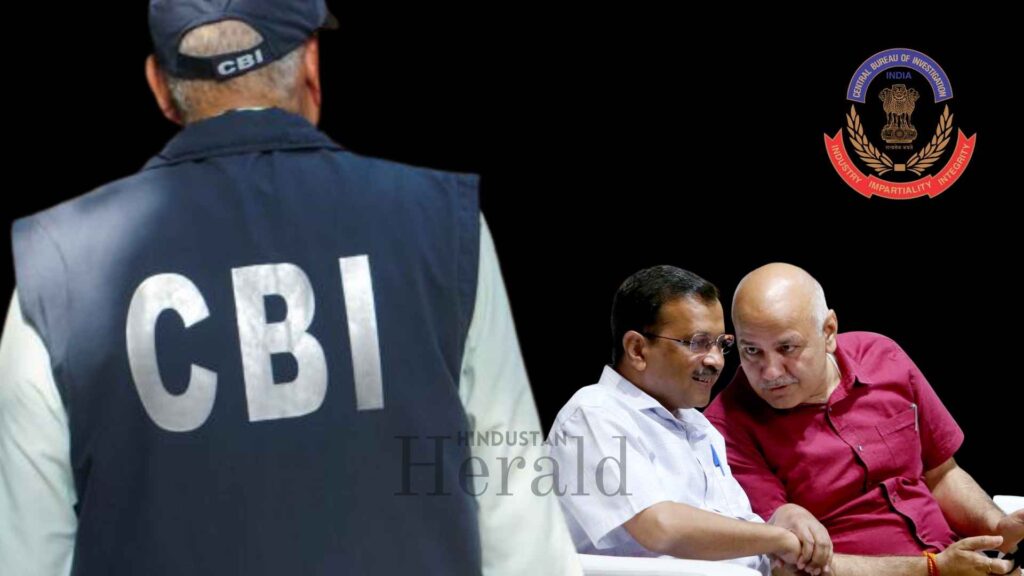
What appears to have troubled the court most was the prosecution’s dependence on statements from approvers. These are accused persons who turn state witnesses. Indian courts have long held that such testimony must be backed by independent evidence. According to those familiar with the ruling, the judge felt the CBI tried to build a case around these statements instead of supporting them with hard proof.
That is a serious criticism.
More unusually, the court is said to have recommended a departmental inquiry against certain CBI officials involved in the probe. Courts do not lightly suggest internal scrutiny of investigative officers. When they do, it carries weight.
From Reform Pitch to Political Storm
It is easy to forget how this began.
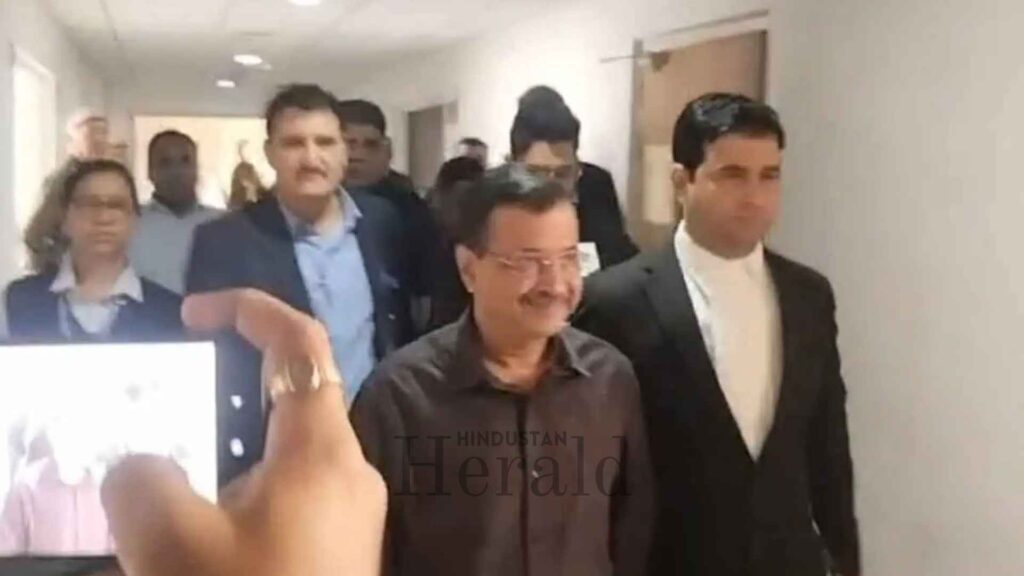
The 2021–22 excise policy was pitched by the Aam Aadmi Party government as a reform. The aim, officials had said at the time, was to modernize liquor licensing, reduce cartelization, and boost state revenue.
Opposition parties disagreed sharply. Allegations surfaced that the policy favoured select private players. In July 2022, the Delhi Chief Secretary flagged irregularities in a report to the Lieutenant Governor, who recommended a CBI inquiry.
From there, events moved quickly.
The CBI registered an FIR alleging corruption in the policy’s formulation. The Enforcement Directorate later opened a money laundering investigation under the Prevention of Money Laundering Act. Arrests followed. Manish Sisodia was taken into custody in early 2023. Arvind Kejriwal was arrested later, in a moment that sent shockwaves through Delhi’s political class.
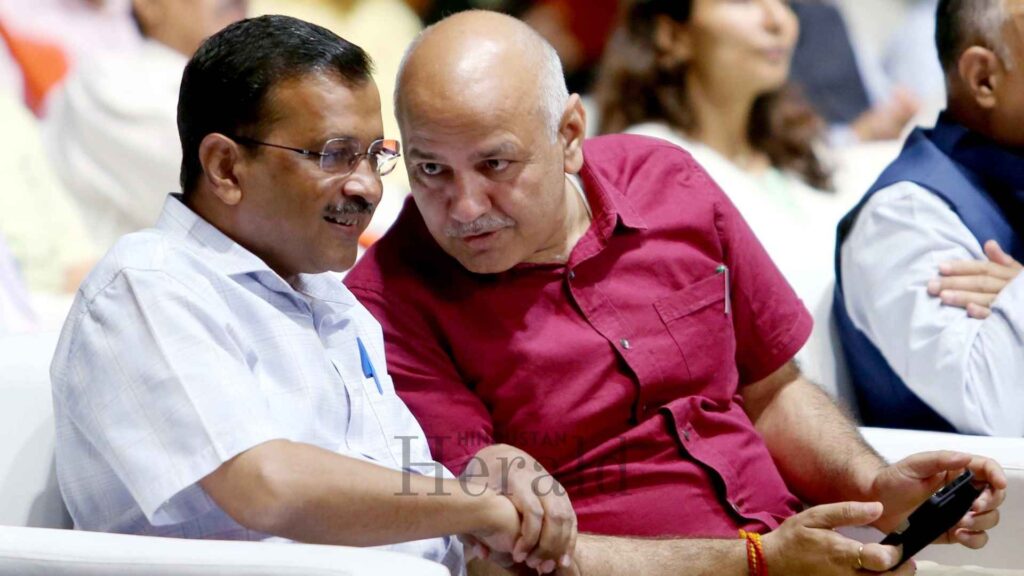
A sitting Chief Minister behind bars is not a common sight in Indian democracy.
Supporters of the ruling establishment said the law was taking its course. AAP called it a political vendetta. The narrative hardened on both sides. Court dates became political events. Bail hearings were dissected nightly on television.
For nearly four years, the excise case hovered over Delhi like a permanent cloud.
Kejriwal’s Reaction
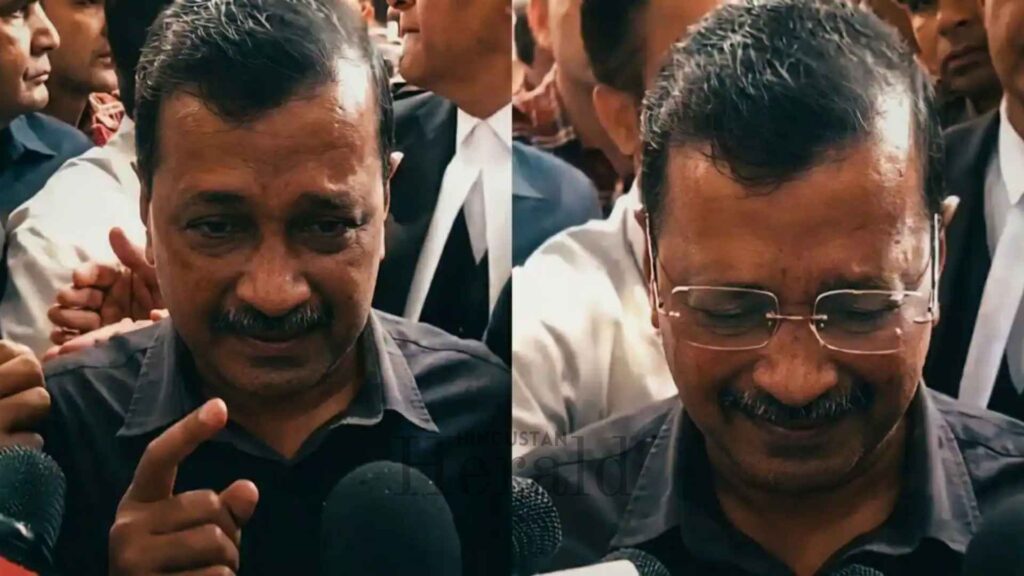
When Arvind Kejriwal stepped out after the order, he did not look like a man delivering a carefully calibrated political statement. He looked tired and relieved.
“I am not corrupt,” he told reporters. He repeated a phrase he has often used to describe himself and his party: “kattar imaandar.”
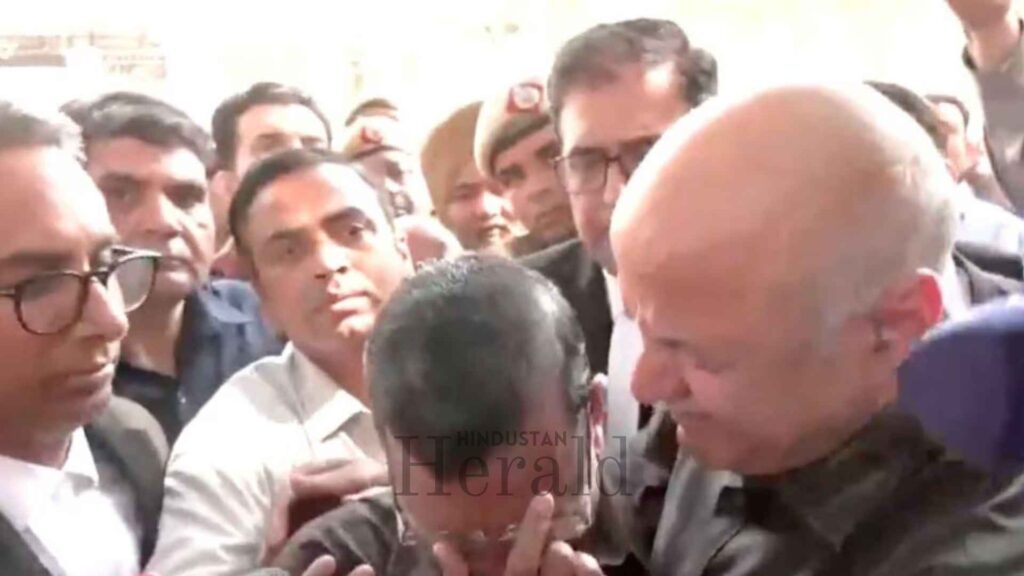
There was a catch in his voice that cameras picked up. Politics in India is rarely short on drama. But this felt personal.
Sunita Kejriwal and senior AAP leader Atishi described the order as a victory of truth. Party workers outside the court raised slogans of “Satyamev Jayate.” Social media handles linked to the party were quick to circulate excerpts of the judgment.
Still, the mood was not purely celebratory. There was caution in the air. Everyone knows this story is not over.
The CBI Is Not Done
The Central Bureau of Investigation is expected to challenge the discharge before the Delhi High Court.
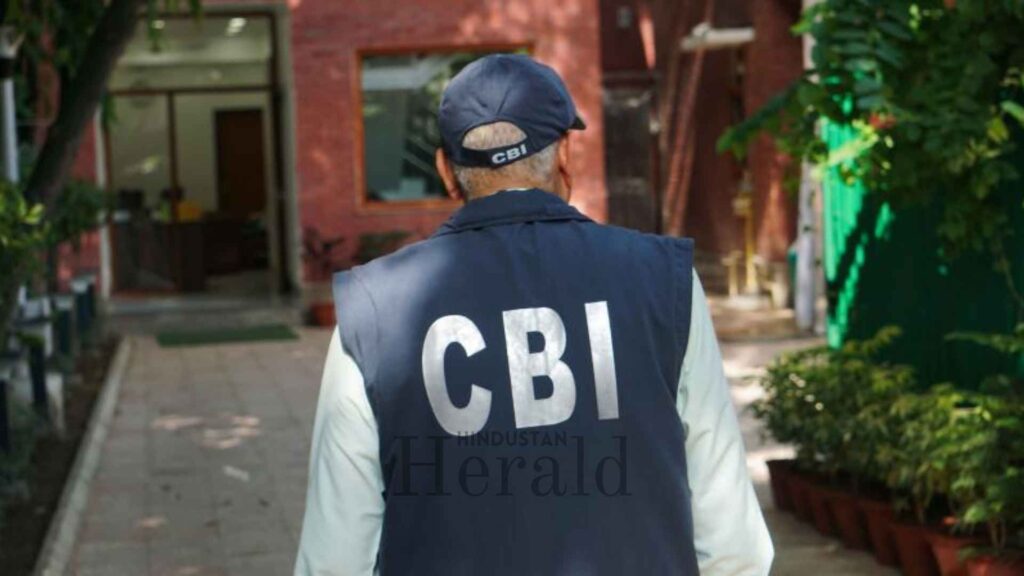
A discharge at this stage does not mean the accused has been acquitted after a full trial. It means the court believes there is insufficient ground to proceed. An appellate court can revisit that assessment.
Legal experts say the High Court will now have to decide whether the trial court applied the correct standard while examining the evidence. The threshold at the stage of framing charges is relatively low. If even that could not be met, it raises obvious questions.
For the CBI, the setback is significant. This was not a routine case involving mid-level officials. It involved the capital’s most prominent political figure. It drew national attention. It triggered arrests that reshaped Delhi’s governance.
Now, a trial court has said the evidence did not hold.
The ED’s Case Continues
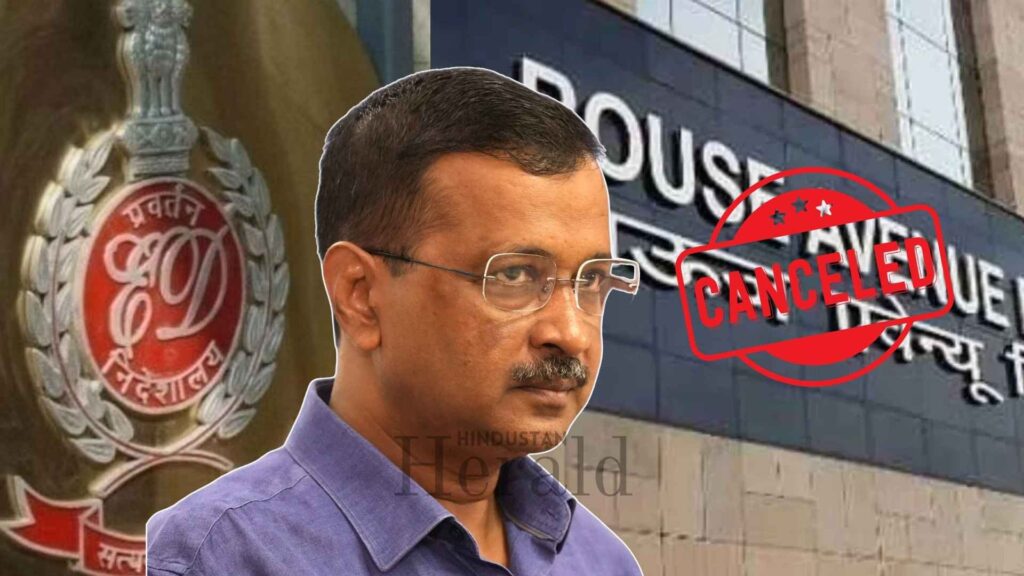
The Enforcement Directorate’s money laundering probe remains alive.
That case is legally distinct, though it flows from the same excise policy allegations. Under the PMLA framework, laundering charges depend on the existence of a scheduled offence. If the underlying corruption case falters, defence lawyers are likely to argue that the ED’s case becomes harder to sustain.
But nothing collapses automatically.
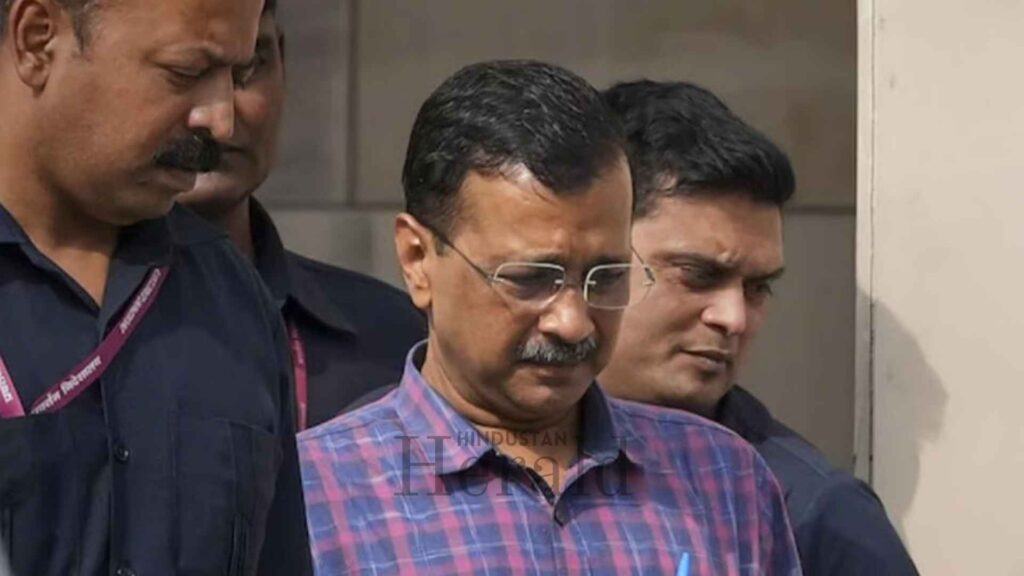
The ED may rely on different pieces of evidence. Courts will evaluate its case on its own merits. For now, those proceedings continue.
The Political Aftermath
Politically, Thursday’s order changes the conversation.
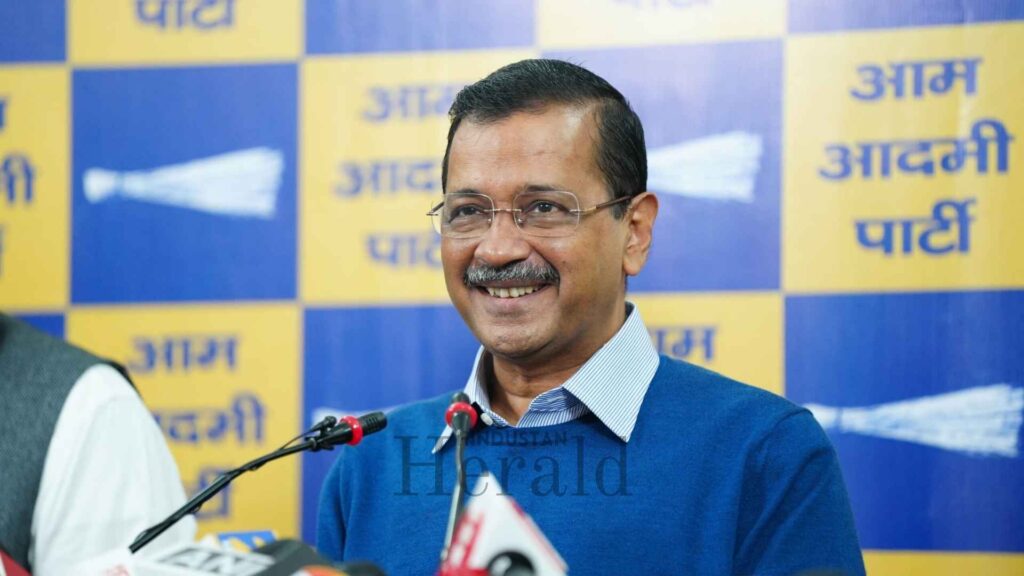
The excise case had become central to how rivals attacked the Aam Aadmi Party. It was cited repeatedly in election campaigns. It was used to question the party’s claims of clean governance. The arrest of Arvind Kejriwal became a flashpoint nationally.
Now, AAP will frame this order as proof that it was targeted unfairly. The opposition will likely argue that one court order does not settle everything.
What is undeniable is the impact the case has already had. Months spent in jail. A government functioning under extraordinary strain. Electoral setbacks in the shadow of allegations. Political reputations bruised in public view.
Even if appeals drag on, the trial court’s language will be quoted and requoted in the months ahead.
Larger Questions About Investigations
There is a deeper institutional layer to all of this.
When courts speak of investigative “lacunae” and overreliance on approver statements, they are speaking to a broader pattern in India’s criminal justice system. High-profile arrests often precede lengthy legal battles. Public perception forms quickly. Trials move slowly.
If a case collapses at the threshold stage, it invites scrutiny of how decisions were made. On what basis were arrests carried out? Was the evidence weighed carefully? Were constitutional protections adequately respected?
These are not partisan questions. They go to the heart of public trust.
For Now
As evening fell over Delhi, the crowds outside Rouse Avenue Court thinned. Camera crews packed up. Lawyers drifted away in small groups, still debating what the High Court might do.
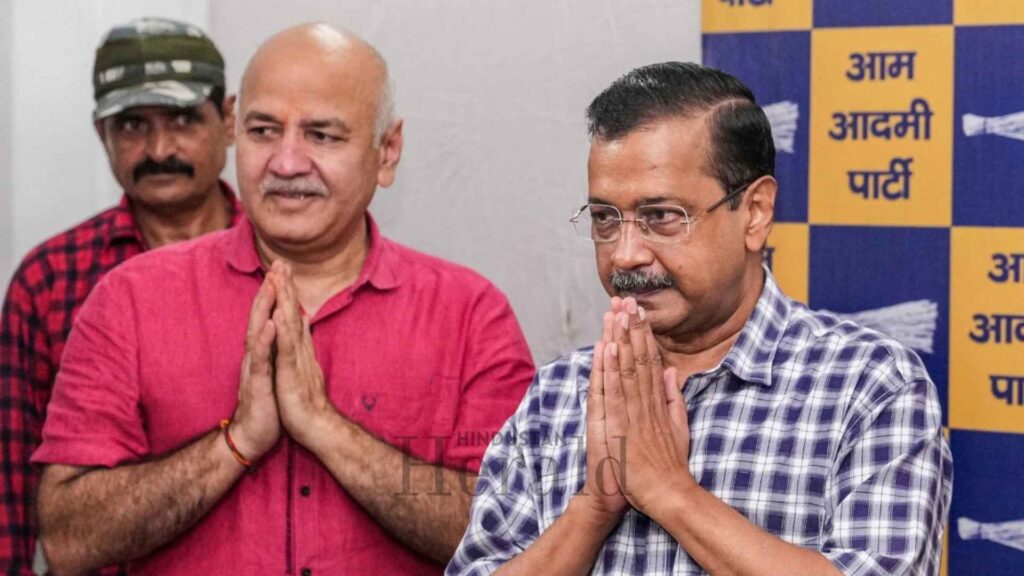
For Arvind Kejriwal and Manish Sisodia, Thursday brings breathing space. Not closure, but space.
The excise policy that once triggered one of India’s most contentious investigations has now been judged, at least at this stage, insufficiently criminal to stand trial.
The next move belongs to the Delhi High Court. The political battle will continue. The legal one is far from over.
But for tonight, the balance has shifted.
Stay ahead with Hindustan Herald — bringing you trusted news, sharp analysis, and stories that matter across Politics, Business, Technology, Sports, Entertainment, Lifestyle, and more.
Connect with us on Facebook, Instagram, X (Twitter), LinkedIn, YouTube, and join our Telegram community @hindustanherald for real-time updates.

Covers Indian politics, governance, and policy developments with over a decade of experience in political reporting.
- Ananya Sharma

- Ananya Sharma
- Ananya Sharma
- Ananya Sharma