
 By Ananya Sharma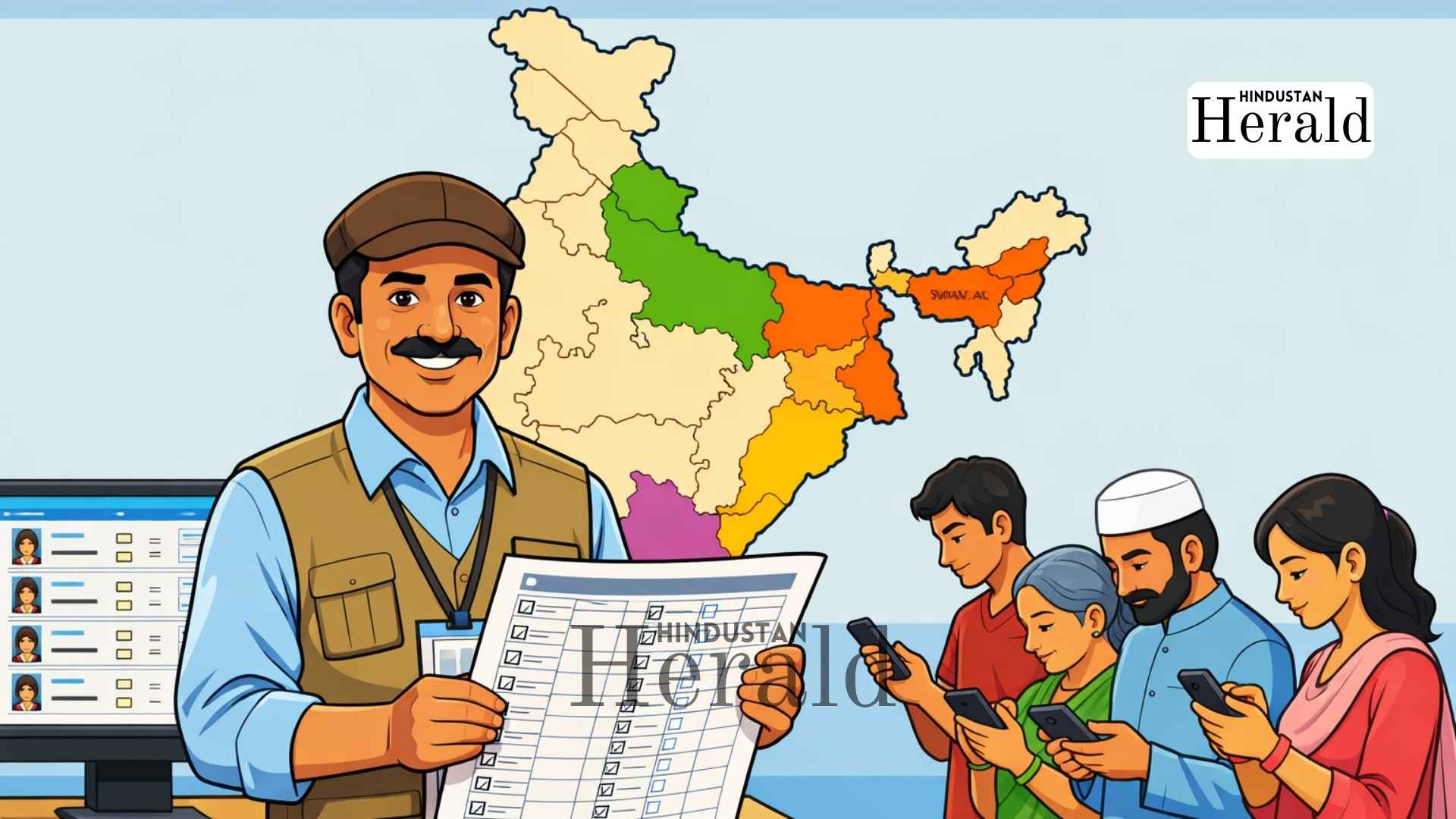
New Delhi, February 28: On most days, electoral rolls are the kind of bureaucratic paperwork few people think about. Today is different.
Across several states, the Final SIR (Special Intensive Revision) lists have either gone live or are about to. For lakhs of voters, this is the moment of truth. Is your name there? Is it spelt correctly? Has it vanished?
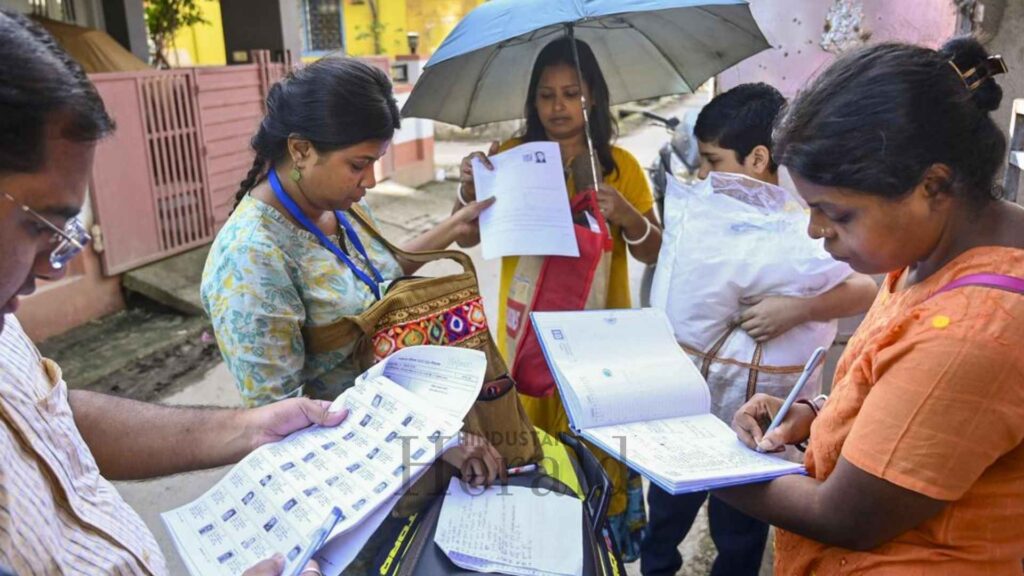
Behind that simple search box sits months of fieldwork overseen by the Election Commission of India. Booth Level Officers walked lanes and apartment blocks. Names were cross-checked. Houses revisited. The dry phrase “Absent, Shifted, Dead” translated into doorbells rung and neighbours questioned.
And in some states, this year’s exercise carried more weight than usual.
West Bengal: A List Under Watch
In West Bengal, the final list is being uploaded today. By evening, most voters should be able to check their status online. Hard copies may take a little longer to filter down to Booth Level Officers. District offices remain the fallback.
But the paperwork is only part of the story.
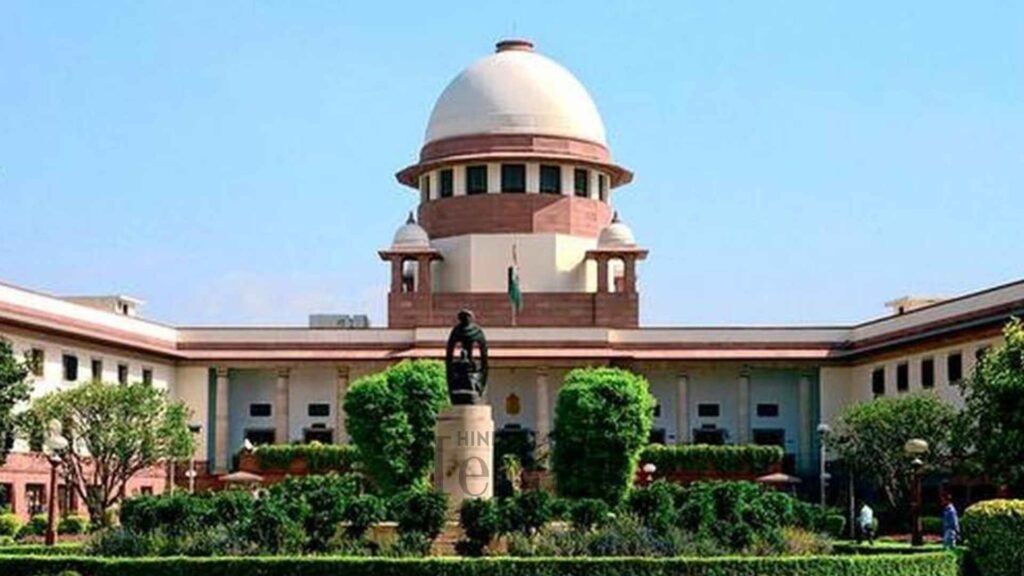
West Bengal’s revision has unfolded under a sharper spotlight, with earlier concerns over voter list accuracy feeding political sparring. The Supreme Court of India had previously stressed the need for tighter oversight in matters touching electoral integrity, and judicial officers were reportedly involved in monitoring parts of the process.
Election officials insist the exercise was exhaustive. Entire neighbourhoods were revisited. Entries long marked “shifted” were verified again. Deceased voters were identified through local records and physical confirmation.
Still, in a state where elections are rarely quiet affairs, few expect the debate to end here. Parties will pore over deletions and additions. Allegations, counter-allegations, perhaps even fresh petitions. That is the political rhythm of West Bengal.
For the ordinary voter, though, it comes down to something simple. Open the portal. Type your EPIC number. See if democracy still knows your name.
Tamil Nadu: Women Lead The Numbers
In Tamil Nadu, the revision has already been sealed. The total electorate now stands at roughly 5.67 crore.
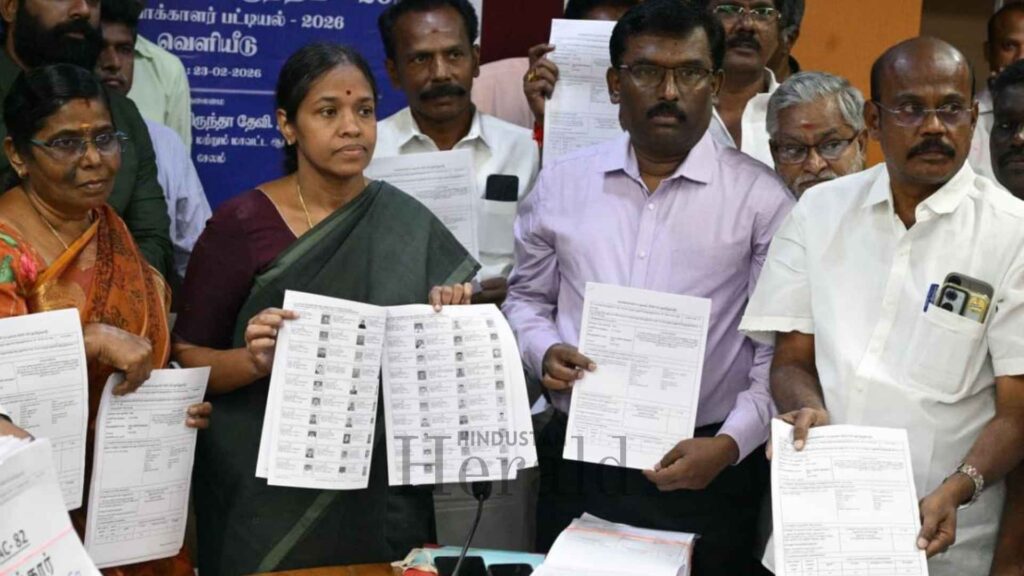
One number has caught attention: women voters are now ahead. About 2.89 crore women compared to 2.77 crore men.
On paper, that looks like a milestone. And in many ways, it is. Tamil Nadu has long seen strong participation by women at polling booths. Welfare politics, self-help groups, and targeted schemes have quietly reshaped the voter base over the past decade.
But numbers alone do not tell the whole story. Registration is one thing. Turnout is another. Whether this visible numerical edge translates into electoral leverage will only become clear when ballots are cast.
The cleanup was substantial, too. More than 4.23 lakh names were removed, largely on account of deaths or migration. Officials describe it as a routine correction. Yet routine correction at this scale suggests how fluid India’s internal migration has become. People move for work, for marriage, for survival. The voter roll must keep pace.
Kerala: Shrinking Lists, Hard Questions
In Kerala, the final roll has already been published, and the numbers tell a quieter but intriguing story.
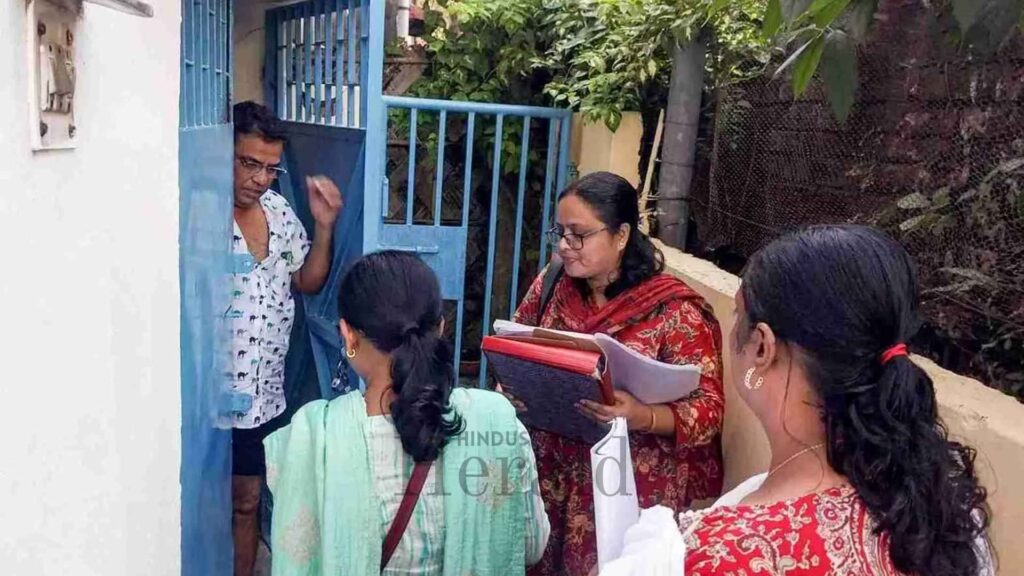
Ninety-five of the state’s 140 Assembly constituencies recorded a net decrease in voters after verification. Officials attribute this to aggressive scrutiny of the ASD category. Field teams reportedly revisited thousands of households to confirm status.
Kerala prides itself on high literacy and high turnout. Its elections are closely fought and fiercely debated. In that context, trimming inflated rolls is seen by many as necessary housekeeping.
Yet deletions always raise anxiety. Was someone mistakenly removed? Was an elderly voter marked “shifted” because they were temporarily staying with family? Election authorities say continuous updation remains open, and genuine omissions can be corrected.
That reassurance matters. In a state where political awareness runs deep, even small clerical errors can snowball into public controversy.
Uttar Pradesh: Waiting For The Final Word
In Uttar Pradesh, the draft roll came out in January. The final version is expected on March 6.
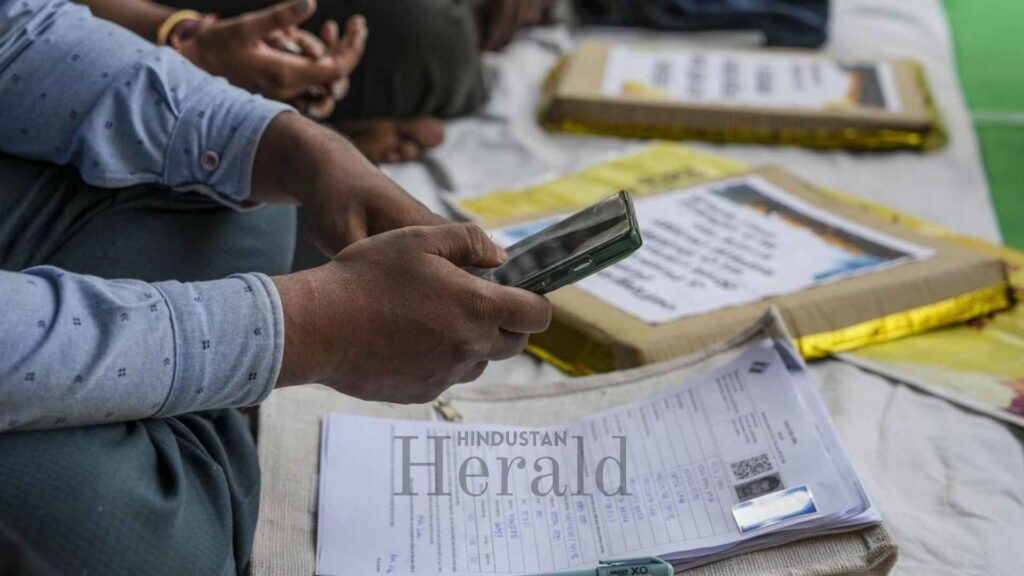
Given the scale of the state, this is no small administrative task. With a population that dwarfs many countries, even minor percentage adjustments affect lakhs of names.
Officials say claims and objections have been processed at the constituency level. Hearings were held where required. Corrections were fed back into the system.
Uttar Pradesh’s political weight needs no explanation. It sends the largest bloc of MPs to Parliament. Every revision here is examined for what it might signal.
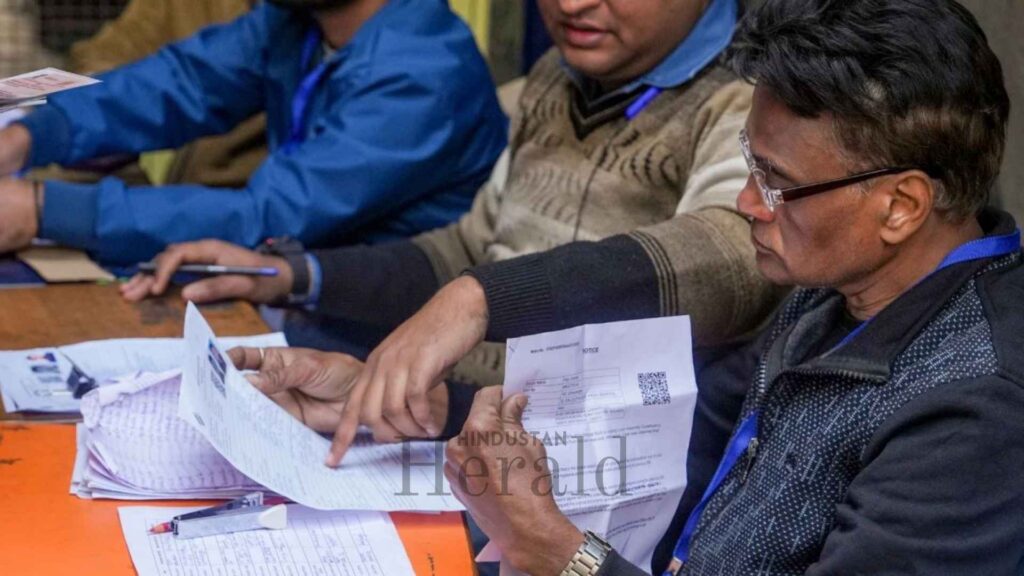
But for now, the state waits. The final upload will bring clarity.
Beyond The Lists
It is tempting to treat the Special Intensive Revision as routine bureaucracy. In truth, it sits at the heart of electoral credibility.
A bloated roll invites suspicion. A careless deletion invites anger. In tightly contested seats, a few thousand names can change arithmetic. Trust in elections is not built only on voting day. It begins months earlier, in spreadsheets and field registers.
There is another layer, too. The data emerging from these revisions quietly reflects social change. Tamil Nadu’s female majority electorate speaks to registration outreach and shifting demographics. Kerala’s contraction hints at migration patterns. Large-scale deletions across states underline the churn of a country in motion.
At the same time, digital access has changed how citizens interact with the system. A generation ago, verifying your name meant standing outside a government office. Today, it can be done in minutes on a phone. Yet digital literacy gaps persist. Not everyone has stable internet access. Not everyone knows where to look.
Which brings the focus back to awareness.
What Voters Should Do
If your state’s final list is out, check it. Use your EPIC number or search by name and constituency. If your name is missing, do not assume it is irreversible. Continuous updation allows fresh applications and corrections.
District Election Officers remain the authority for appeals. The window does not slam shut overnight.
Elections are loud. Campaigns are theatrical. Speeches dominate headlines. But the quiet administrative work beneath them often decides the credibility of the spectacle.
Today’s milestone is procedural, yes. It is also foundational. A clean voter roll does not guarantee a fair election. But without one, fairness becomes difficult to defend.
For now, across West Bengal, Tamil Nadu, Kerala, and soon Uttar Pradesh, the spreadsheets have been updated. The names have been struck out or confirmed. The system has reset itself, at least on paper.
The rest will unfold at the polling booth.
Stay ahead with Hindustan Herald — bringing you trusted news, sharp analysis, and stories that matter across Politics, Business, Technology, Sports, Entertainment, Lifestyle, and more.
Connect with us on Facebook, Instagram, X (Twitter), LinkedIn, YouTube, and join our Telegram community @hindustanherald for real-time updates.

Covers Indian politics, governance, and policy developments with over a decade of experience in political reporting.
- Ananya Sharma

- Ananya Sharma
- Ananya Sharma
- Ananya Sharma