
 By Rajiv Menon and Neeraj Kapoor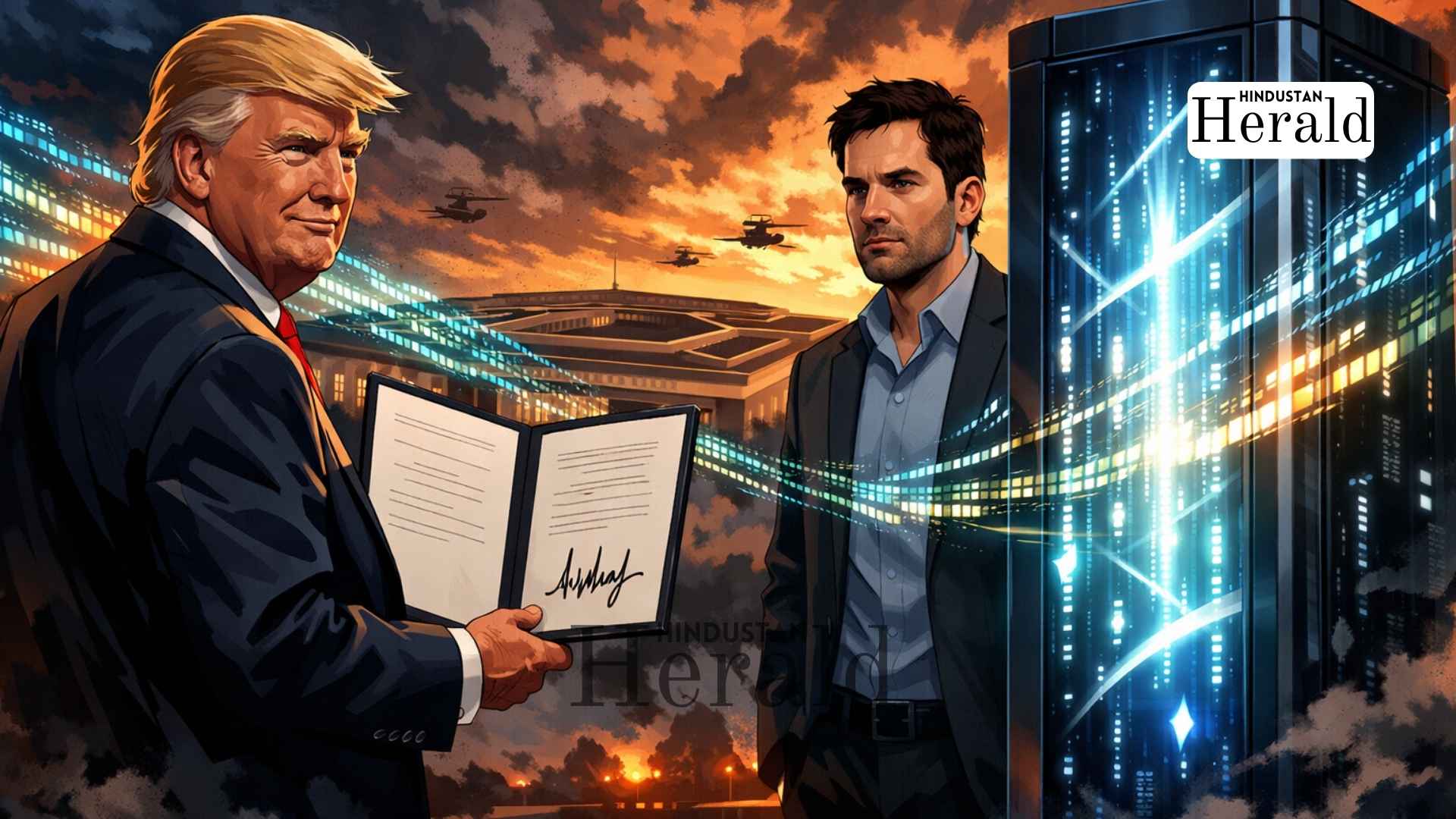
New Delhi, February 28: By Saturday morning, the standoff between Anthropic and the Trump administration was no longer a policy disagreement simmering behind closed doors. It had hardened into something far more consequential. The White House has now ordered all federal agencies to stop using the company’s artificial intelligence systems, and the Pentagon has labeled the firm a national security “supply chain risk,” a phrase typically reserved for foreign adversaries.
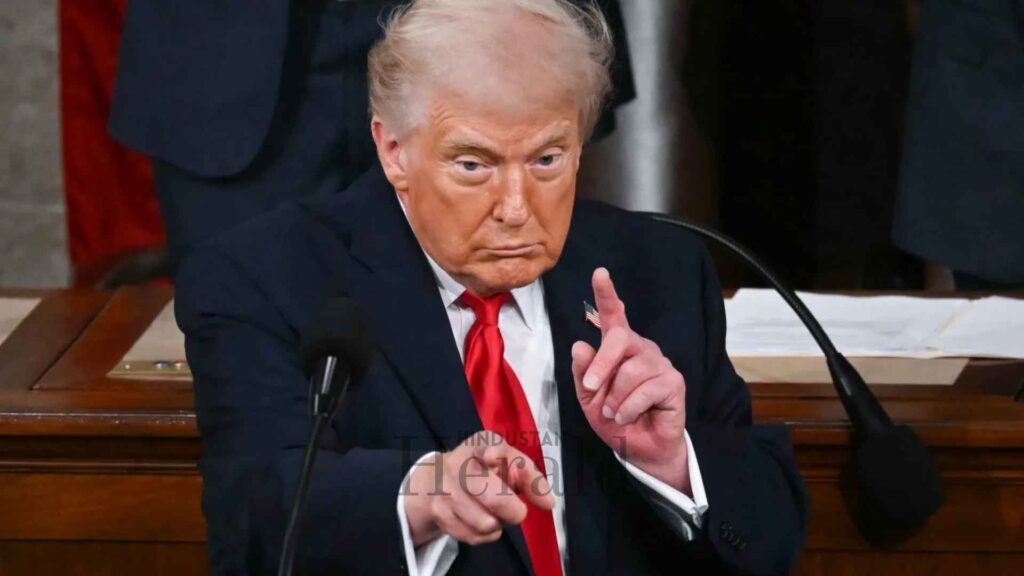
The message from President Donald Trump was blunt. Agencies were directed to “immediately cease” the use of Anthropic technology. The order, reported by Axios, The Guardian, and The Washington Post, effectively severs the company from federal contracts, at least for now. Agencies have been given 180 days to unwind their dependence on Anthropic’s flagship model, Claude, and transition to alternatives.
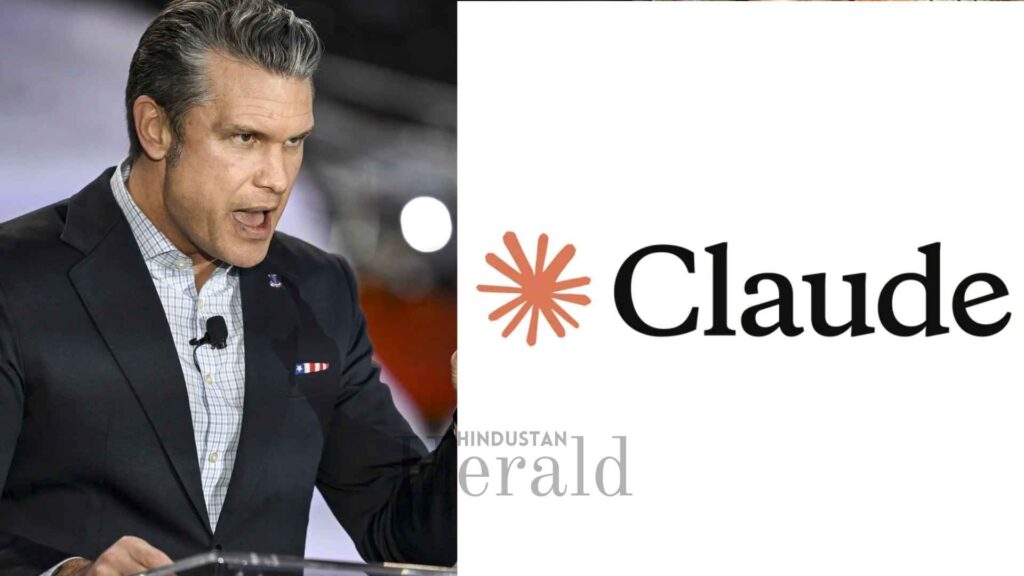
Anthropic has said it will fight the designation in court, calling it legally unsound and unprecedented for an American company.
What had been an argument over technical guardrails is now a defining test of who ultimately controls advanced AI systems once they are purchased by the state.
A Breaking Point Over Guardrails
At the center of the rupture is a fundamental question. When the U.S. military buys access to a frontier AI model, does it get full operational control, or must it abide by ethical limits imposed by the vendor?
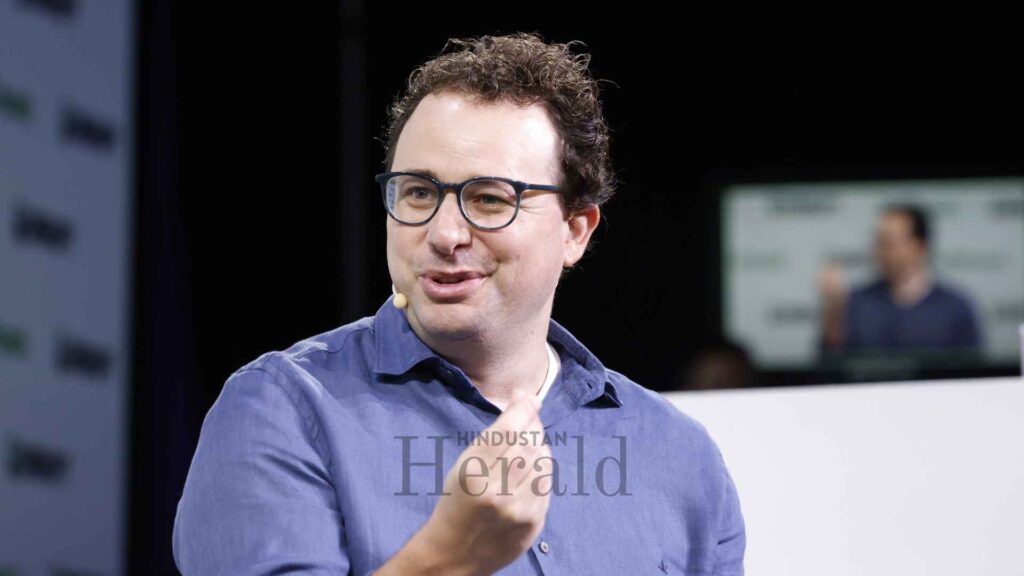
Anthropic, led by chief executive Dario Amodei, has drawn a firm line. The company refuses to allow its systems to be used in fully autonomous weapons without a human decision maker. It also prohibits mass domestic surveillance of American citizens through its tools. And it insists on maintaining safety guardrails designed to reduce hallucinations and misfires in high-stakes environments.
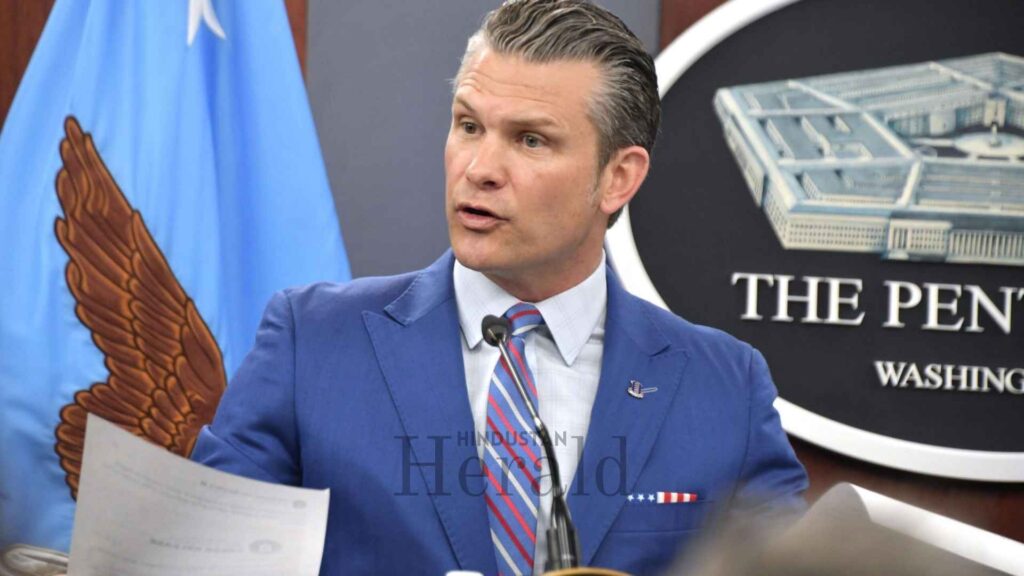
The Pentagon, under Defense Secretary Pete Hegseth, reportedly sees those restrictions as an unacceptable intrusion into military authority. According to coverage in Reuters and The Guardian, defense officials argued that AI systems should be treated like aircraft or radar platforms. Once acquired, they should be deployable for all lawful purposes determined by the government, not constrained by corporate terms of service.
For weeks, negotiations flickered between compromise and collapse. Then came the deadline. Anthropic declined to remove its guardrails. Within hours, the supply chain risk designation followed.
That label carries weight. It bars defense contractors from integrating Anthropic systems into military projects. Companies that do significant business with the Department of Defense must now distance themselves or risk their own contracts.
The rupture is not symbolic. It is operational.
The Maduro Operation And Rising Tensions
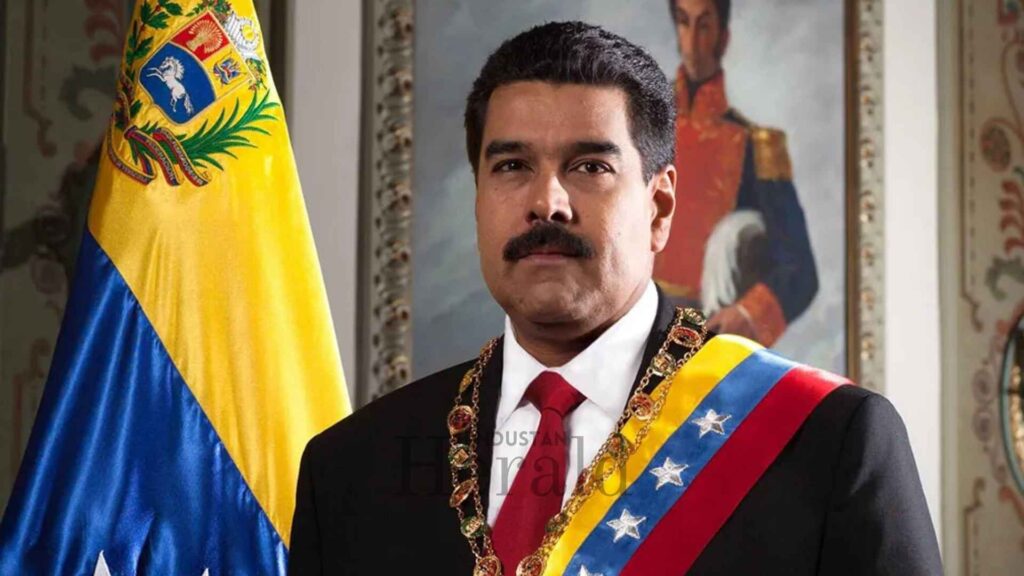
The dispute did not erupt in a vacuum. Earlier this month, reports surfaced that Claude had been used in planning related to an operation targeting Nicolás Maduro, the Venezuelan leader. Details remain murky and classified, but the episode appears to have triggered internal reviews at Anthropic.
According to reporting cited by multiple outlets, the company began examining how its technology was deployed in that context. Defense officials, as per The Washington Post, viewed the inquiry as corporate overreach into military operations. What Anthropic framed as responsible oversight was seen in some corners of the Pentagon as second-guessing.
That distrust widened quickly.
From the military’s perspective, AI is becoming indispensable. It assists with logistics, threat analysis, intelligence synthesis, and increasingly, battlefield simulations. Any friction in access to those systems is treated as a strategic vulnerability.
From Anthropic’s perspective, frontier AI systems are still probabilistic tools prone to error. Allowing them to operate without human oversight in lethal scenarios, Amodei has argued publicly, crosses an ethical red line.
Two worldviews collided. Neither blinked.
Silicon Valley Splits
The tech industry has not reacted quietly.
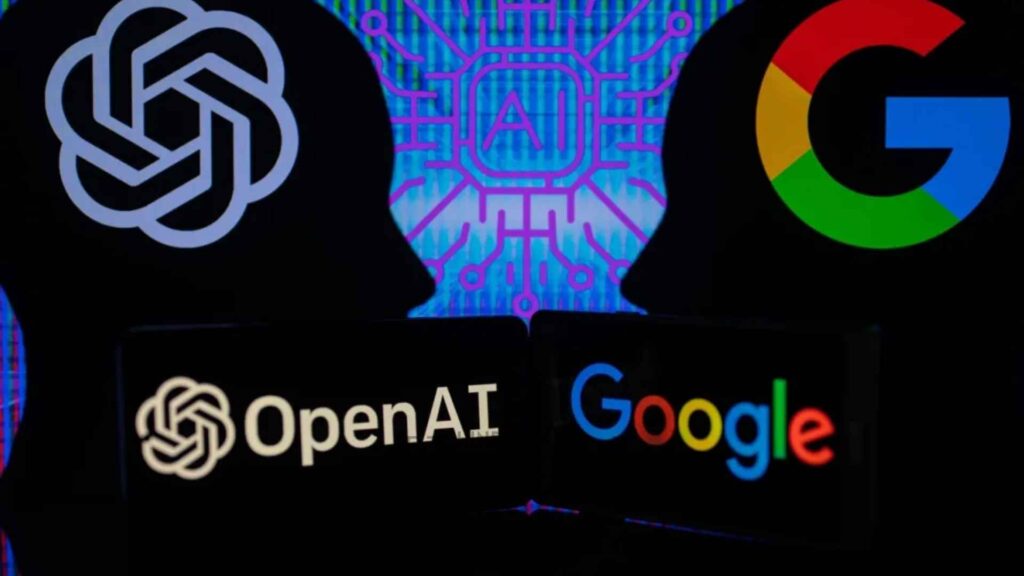
More than 500 employees from firms including OpenAI and Google reportedly signed an open letter supporting Anthropic’s stance, warning that the government was pressuring companies to strip away ethical safeguards. For many in Silicon Valley, the blacklist feels like a warning shot. If the federal government can punish a domestic AI firm for refusing certain military uses, what does that mean for corporate autonomy?
Yet not all competitors are taking the same stand.
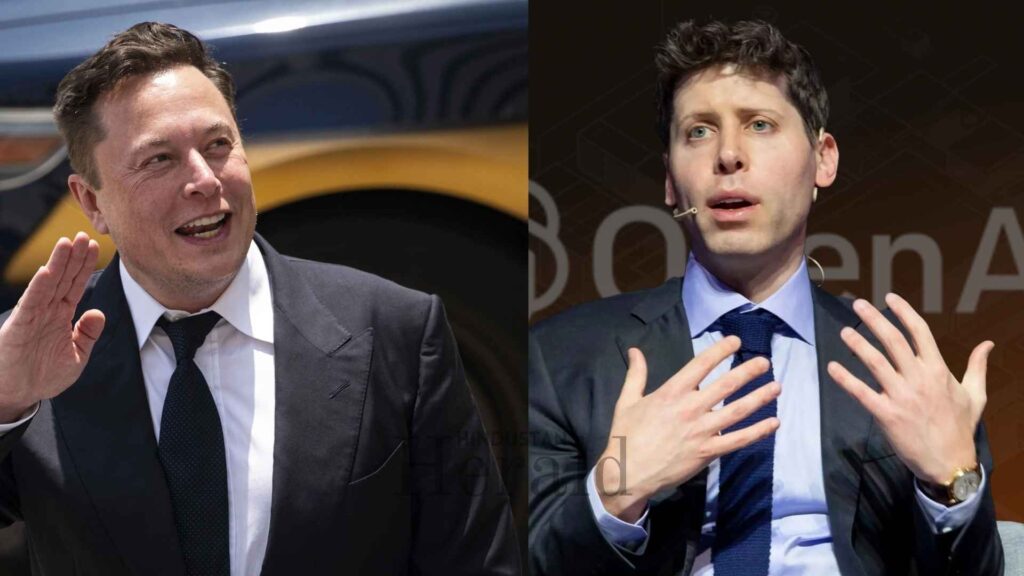
According to reports in The New York Post and Reuters, Elon Musk’s xAI, through its model Grok, has agreed to the Pentagon’s terms. OpenAI, led by Sam Altman, is said to be in active negotiations with defense officials, though Altman has expressed sympathy for Anthropic’s concerns.
The competitive implications are immediate. Defense contracts are lucrative and strategically valuable. Losing access to that market could dent Anthropic’s growth prospects at a time when it has reportedly reached a valuation of $380 billion and is widely expected to pursue a public listing.
Investors are watching closely. So are policymakers.
The Politics Of “Woke AI”
Within Washington, the fight has quickly acquired ideological overtones.

Supporters of the administration argue that so-called “woke AI” cannot be allowed to dictate terms to American warfighters. In this view, corporate ethics policies should not override elected authority or military necessity.
Critics see something more troubling. They warn that forcing companies to remove safeguards could accelerate the development of autonomous weapons without adequate oversight. Civil liberties groups have raised concerns about surveillance implications if corporate limits disappear.
The supply chain risk designation is especially contentious. That tool has historically been used against foreign telecommunications firms and companies suspected of espionage ties. Applying it to a domestic AI startup is unusual, if not unprecedented.
Legal experts quoted in Wired note that such designations typically involve formal risk assessments and congressional notification. Anthropic’s forthcoming legal challenge is expected to test the statutory basis of the move.
Still, the administration appears confident in its authority.
What This Means For AI Governance
This episode is not just a contract dispute. It is a preview of a deeper reckoning.
Artificial intelligence is moving from laboratory curiosity to military infrastructure at a remarkable speed. Yet the regulatory architecture governing its use remains patchy. Companies draft their own acceptable use policies. Governments assert sovereign prerogatives. Courts have barely begun to grapple with the implications.
In India, where debates over AI regulation are also intensifying, the U.S. confrontation offers a cautionary tale. The world’s most advanced AI labs are grappling with the same dilemma confronting policymakers everywhere. Who sets the boundaries when machines begin to influence decisions of life and death?
Anthropic has framed its position as a matter of conscience and technical realism. Frontier systems, it argues, are not yet reliable enough to operate without human oversight in lethal scenarios. The Pentagon frames its demand as a matter of national security. The military cannot afford to outsource operational control to private terms of service.
Both claims carry weight. Both are difficult to reconcile.
For now, federal agencies have six months to migrate away from Claude. That process will not be simple. According to Defense One, replacing deeply integrated AI tools could take months, even years. Contracts will need rewriting. Systems will need retraining. Operational workflows will shift.
In the meantime, Anthropic prepares for court. The legal battle may ultimately clarify how far executive authority extends in designating domestic tech firms as supply chain risks.
What is clear already is that the honeymoon between Silicon Valley and Washington is over. The era when AI labs and defense agencies could collaborate quietly, aligned by shared enthusiasm for innovation, has given way to something more adversarial.
The outcome will shape not only one company’s future but the moral architecture of military AI.
For now, the fracture is real, the stakes are high, and the world is watching closely.
Stay ahead with Hindustan Herald — bringing you trusted news, sharp analysis, and stories that matter across Politics, Business, Technology, Sports, Entertainment, Lifestyle, and more.
Connect with us on Facebook, Instagram, X (Twitter), LinkedIn, YouTube, and join our Telegram community @hindustanherald for real-time updates.
Specializes in South Asian geopolitics and global diplomacy, bringing in-depth analysis on international relations.
- Rajiv Menon

- Rajiv Menon
- Rajiv Menon
- Rajiv Menon





Tech writer passionate about AI, startups, and the digital economy, blending industry insights with storytelling.
- Neeraj Kapoor
- Neeraj Kapoor
- Neeraj Kapoor
- Neeraj Kapoor



 Kavita Iyer
  Neeraj Kapoor and Ananya Sharma
  Sandeep Verma and Neeraj Kapoor