
 By Rajiv Menon and Ananya Sharma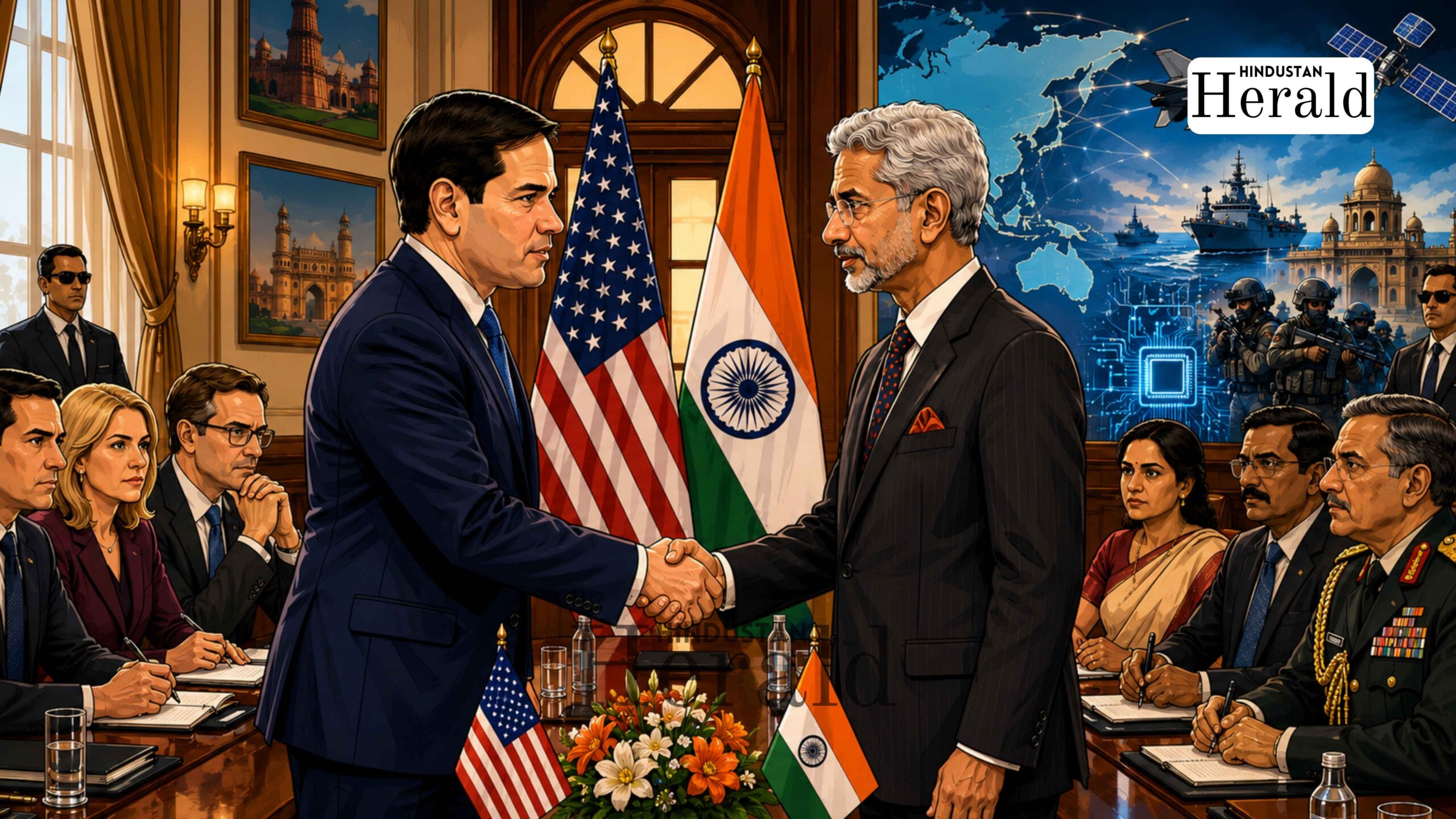
New Delhi, May 24: Marco Rubio did not come to India with a problem to solve. That, at least, is what both sides want you to believe.
The US Secretary of State landed in Kolkata on Saturday morning, flew into the capital, sat across from External Affairs Minister S Jaishankar at Hyderabad House, and told the room, plainly and repeatedly, that the relationship between Washington and New Delhi does not need fixing. “This is not about restoring or reinvigorating,” he said at the joint press conference. “I’ve seen people use that terminology. This is about continuing to build on what is already a very solid and strong strategic partnership.”
It was a careful line. Deliberately so.
Because the backdrop to this visit is not entirely comfortable. Tariffs, trade friction, questions about long-term American reliability in the region, Indian disquiet over where exactly Washington stands when the pressure comes. None of that disappeared because two senior diplomats shook hands in a room with flags behind them. But what Sunday’s talks did do is signal, in no uncertain terms, that both governments still consider this relationship worth fighting for.
Not Just Allies. Something More.
Rubio kept coming back to a particular distinction. There are countries the United States works with. And then there are countries it genuinely aligns with, countries where the interests overlap across enough domains that the two sides move through the world with a kind of common purpose. He put India firmly in the second category.
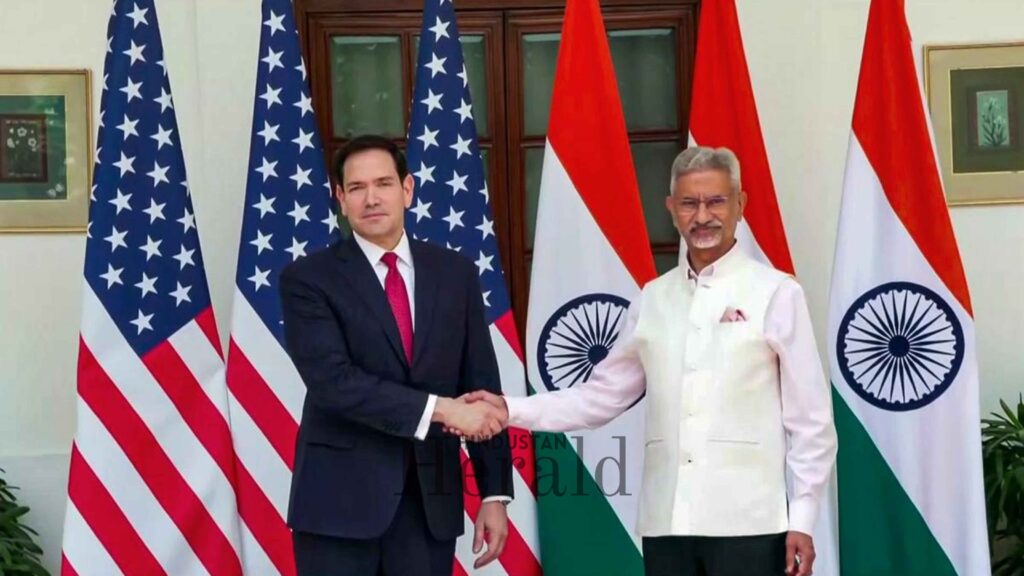
“A strategic partnership is when your interests as two nations are aligned, and you work together strategically to solve those problems,” he said. “The list of issues that we work together with India on, the breadth of scope of them, is what highlights the fact that India is one of our most important strategic partners in the world.”
That is not routine diplomatic flattery. Or at least, it is not only that. The US-India relationship, whatever its current stresses, has genuine depth built up over two decades. Defence procurement. Technology collaboration. Energy. The Quad. The two countries have, slowly and sometimes awkwardly, built real scaffolding around their partnership.
Jaishankar made essentially the same point from the other side of the table. What the two countries share, he said, is a Comprehensive Global Strategic Partnership. Not a regional arrangement. Not a transactional fix for a specific problem. A relationship that, in his words, “impacts and influences other regions in the world.” He said this at a moment when the world is not exactly stable, and the implication was clear enough. Turbulence around them only makes that foundation more important, not less.
The Full Weight of the Room
The delegation that gathered at Hyderabad House was not a light one. Foreign Secretary Vikram Misri was there. So was MEA spokesperson Randhir Jaiswal. On the American side, US Ambassador Sergio Gor sat alongside Rubio and other senior members of the visiting delegation.
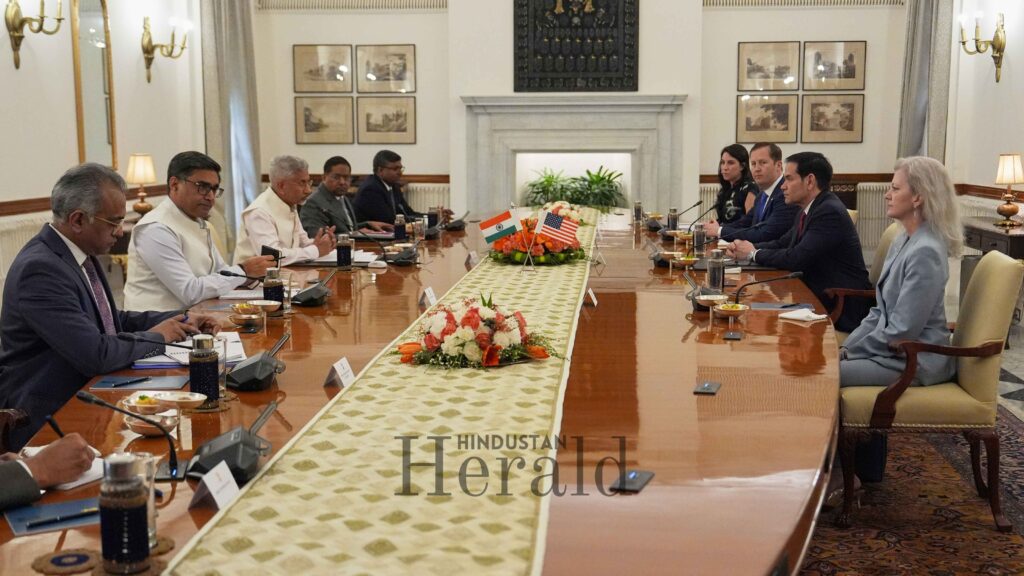
Gor had been vocal even before the meetings began. He posted on X calling it an “ambitious agenda,” flagging defence, energy, trade, and emerging technologies as the central threads. By the time Sunday’s talks wrapped up, he was describing the engagement as productive, saying the two sides had moved meaningfully on each of those fronts.
The day before, Rubio had also called on Prime Minister Narendra Modi. That visit, brief as it reportedly was, set the register for everything that followed. When the top US diplomat’s first stop is the prime minister’s office, you are not dealing with a courtesy visit.
The Unspoken Pressure
Still, there is a version of this story that the press conferences do not fully tell.
The trade relationship between India and the US has been under strain. American tariffs on Indian goods, including additional levies tied to India’s continued purchase of Russian crude oil, created real friction. In foreign policy circles in New Delhi, the mood towards Washington over the past year has been described as cautious, watchful. Not hostile. But not uncomplicated either.
Rubio’s answer to all of this was, essentially, to sidestep the frame. Don’t call it repair. Don’t call it reset. Call it continuation. It is a useful political move, and both governments benefit from it. Acknowledging damage would require explaining it. Continuation allows you to simply move forward.
Whether the underlying issues on trade get genuinely resolved, or quietly deferred, is the real question that this visit leaves hanging.
On Terrorism, There Is No Ambiguity
If there is one area where both countries speak without diplomatic hedging, it is counterterrorism. Rubio named it directly. “Both of our countries have suffered, both directly and indirectly, because of global terrorist networks,” he said. “There was a strong counterterrorism alignment as a result of that.”
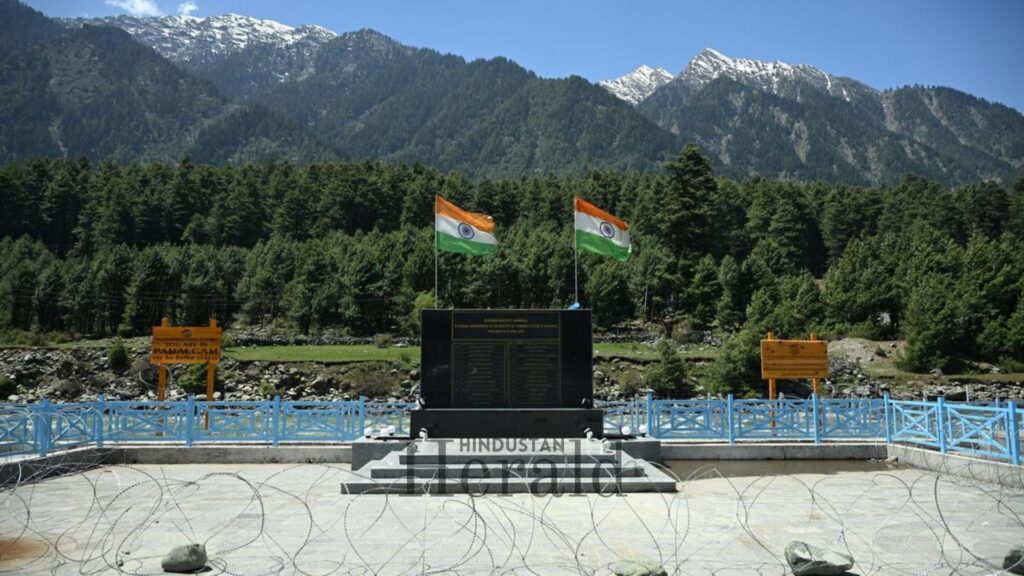
For India, this lands differently than it might elsewhere. The Pahalgam attack earlier this year is still raw. The demand from New Delhi for international partners to take a clear, unambiguous position on cross-border terrorism has never been louder. Rubio saying what he said, on Indian soil, in front of cameras, is not nothing. It is the kind of public affirmation that India’s foreign policy establishment has been pushing for, and getting it from the US secretary of state carries weight that a statement from a lesser official simply would not.
The Bigger Strategic Picture
Two other areas came up prominently in the talks. Technology was one. Both countries, Rubio said, are navigating the same fundamental tension: how do you capture the benefits of rapidly evolving technologies without letting those same technologies become vectors for harm or dominance? He described the alignment between the two countries on this question as a “tremendous strategic alliance.” The specifics, inevitably, stayed behind closed doors.
The second was the Indo-Pacific. Free and open international waters. Unimpeded commerce. A region that does not fall under any single power’s shadow. These are not new talking points, but the context around them has sharpened considerably. China’s footprint in the region continues to grow. The Quad, which brings together India, the US, Japan, and Australia, is the primary multilateral vehicle for responding to that reality. The Quad Foreign Ministers’ Meeting follows in just two days, on May 26, right here in New Delhi. Sunday’s bilateral was, in part, the groundwork for that.
What the Visit Says, Beyond the Statements
Rubio’s schedule in India runs four days. After New Delhi, he heads to Agra and Jaipur. American secretaries of state do not typically add heritage tourism to their itineraries without a reason. It extends the visit. It extends the symbolism. It says, without quite saying it, that this is an investment, not a stopover.
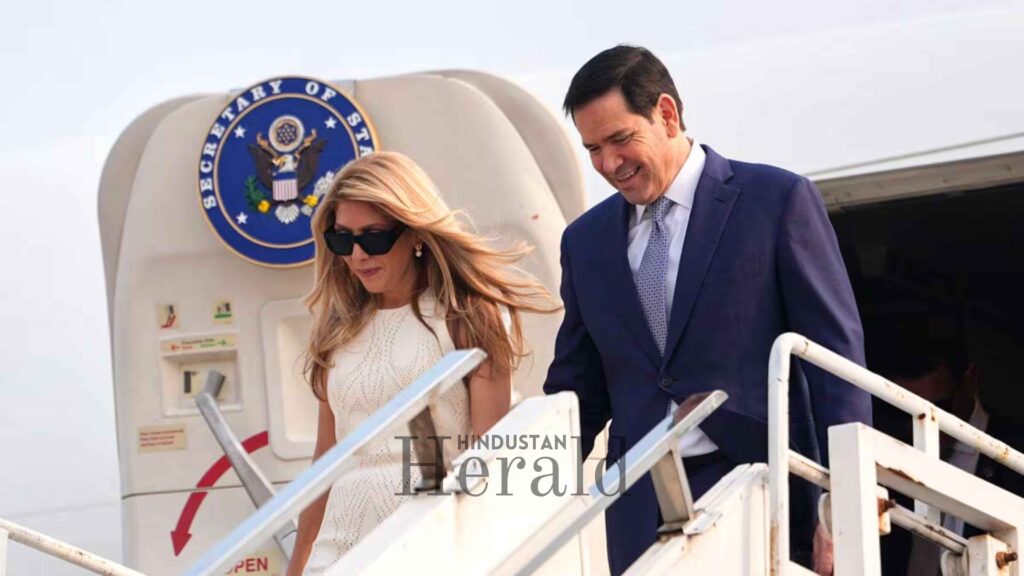
There is something else worth noting. Rubio described the day of his arrival as “fantastic,” the kind of word that either means very little or means that the private conversations went better than expected. Given what was publicly said afterward, the second reading seems more plausible.
As it turns out, the most telling moment of Sunday’s press conference may not have been any single line, but the overall tone. There was no visible awkwardness. No careful dance around difficult subjects. Both men spoke about the relationship with what appeared to be genuine conviction, not just official obligation.
That does not solve the trade tensions. It does not answer every question about where the US stands on the specific threats India faces. For now, what it does is remind both capitals, and anyone watching from Beijing or Islamabad, that this partnership is not going anywhere.
The harder work begins on May 26.
Stay ahead with Hindustan Herald — bringing you trusted news, sharp analysis, and stories that matter across Politics, Business, Technology, Sports, Entertainment, Lifestyle, and more.
Connect with us on Facebook, Instagram, X (Twitter), LinkedIn, YouTube, and join our Telegram community @hindustanherald for real-time updates.

Specializes in South Asian geopolitics and global diplomacy, bringing in-depth analysis on international relations.
- Rajiv Menon

- Rajiv Menon
- Rajiv Menon
- Rajiv Menon




Covers Indian politics, governance, and policy developments with over a decade of experience in political reporting.
- Ananya Sharma
- Ananya Sharma
- Ananya Sharma
- Ananya Sharma




 Arun Upadhayay
  Sandeep Verma
  Shelesh Joshi and Rajiv Menon