
 By Arun Upadhayay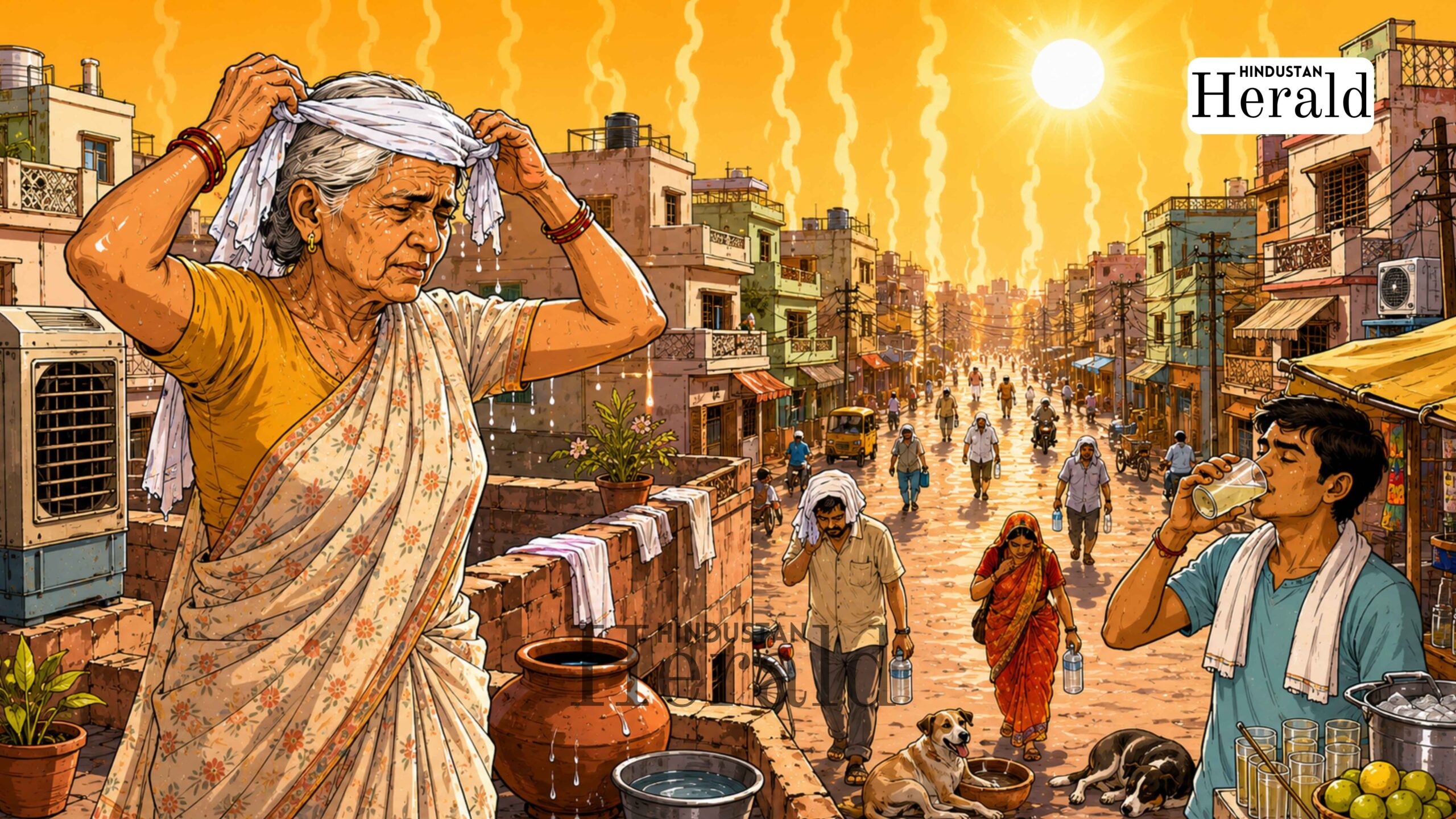
New Delhi, May 24: Forty-three degrees outside. The cooler is just recycling hot air. Your phone screen is too bright to read in the sun. And your neighbour’s mother just tied a wet cloth around her head and announced, very calmly, that Nautapa aa gaya.
She is not wrong. Tomorrow it starts. And if you have spent even one summer in Delhi, Lucknow, Jaipur, or anywhere on the northern plains, your body already knows what that means before your brain catches up.
So What Even Is Nautapa?
Simple. Nau means nine. Tapa means heat. Nine days of heat. That is the whole translation.
No complicated mythology needed to understand it. No science degree either. It is just what generations of people in this part of the world called the worst nine days of the year, because those nine days kept arriving like clockwork every late May, and someone eventually decided they deserved a name.
According to the Hindu Panchang, which is essentially a very old, very accurate Indian calendar that tracks the movement of the sun, moon, and stars, Nautapa begins the moment the Sun moves into a lunar constellation called Rohini Nakshatra. That moment, this year, is tomorrow, May 25, at 3:44 in the afternoon. It runs until June 2.
After that, tradition says, the worst of it breaks. And the sky starts thinking about rain.
Why These Nine Days Specifically?
Fair question. Why not the first week of June? Why not mid-May?
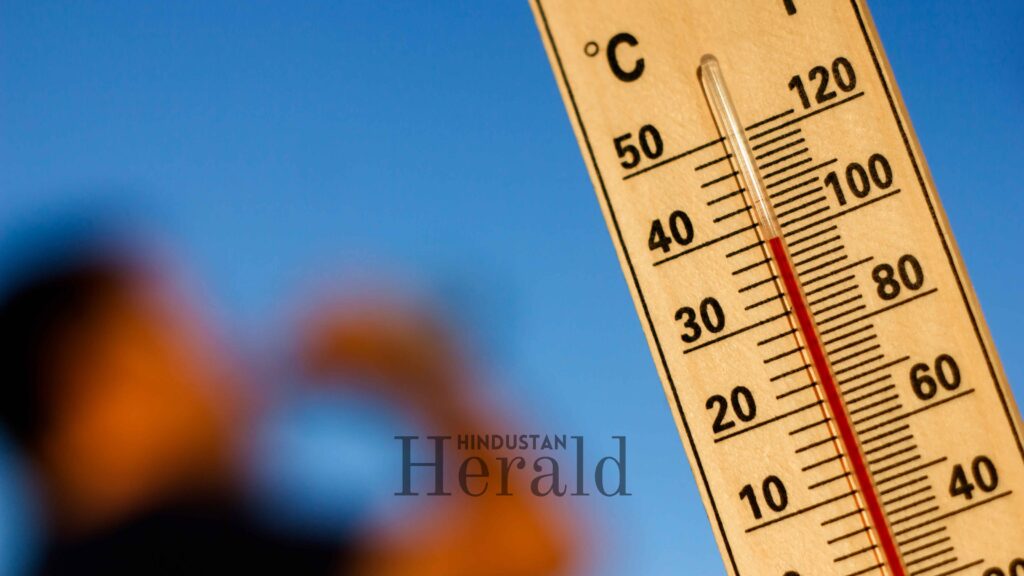
Here is the honest answer. By the last week of May, everything that makes Indian summers bearable has already failed. The soil dried out months ago. The monsoon is still weeks away from arriving in the north. There are no clouds. No moisture in the air. The sun rises and the land just soaks it up all day with nowhere for the heat to go. At night the ground releases it slowly, which is why even 11 PM feels like standing next to a hot tawa.
The India Meteorological Department does not officially call this period Nautapa. They have their own technical language for heatwaves. But if you look at the dates they flag as the most dangerous heat window every single year, it lands almost perfectly on these nine days. The people who named Nautapa centuries ago were not guessing. They were watching, carefully, year after year after year.
This year the IMD has already warned of temperatures between 40 and 44 degrees Celsius across Delhi, Rajasthan, Haryana, Punjab, and Uttar Pradesh through this window. Some pockets may go higher. As per The Tribune, cities like Mohali, Amritsar, Hisar, Jodhpur and Bikaner are specifically in the danger zone.
What Is the Rohini Nakshatra and Why Do People Keep Mentioning It?
Think of the sky as divided into 27 sections, each one named, each one associated with different qualities. The ancient Indian system of astronomy called these sections Nakshatras. Rohini is one of them, and it sits in the part of the sky that Western astronomy calls Taurus.
In the Vedic tradition, the Moon governs Rohini. The Moon is considered cool, nurturing, associated with water and calm. The Sun is fire. When the Sun enters Rohini, the belief is that the fire overwhelms the cool, the Moon’s influence weakens, and the heat becomes almost personal in its intensity.
Now you can take that as astrology and set it aside if you want. But what is actually happening in the atmosphere at this exact time does not contradict it. The Sun is at maximum impact on the northern subcontinent. The Moon’s coolness, whether literally or just as a poetic way of describing cloud cover and moisture, is genuinely absent. The parallel is close enough that dismissing it entirely takes more effort than it is worth.
The Loo. This Is the Part That Actually Kills People.
Most people in cities think about Nautapa as extreme discomfort. Sweating through clothes. Bad sleep. Electricity bills spiking. And yes, all of that is real.
But the loo is something else.

The loo is a hot, dry wind that blows in from the west across the Indo-Gangetic Plain from roughly April to June. During Nautapa it is at its most frequent and most aggressive. When the loo is blowing hard, the air temperature can touch 45 to 48 degrees. That is not the surface temperature. That is the air. The stuff you are breathing.
When air is that hot and that dry, the body’s cooling system starts to break down. Sweat evaporates too fast to actually cool you. The body starts pulling water from wherever it can find it, including the blood. Heat exhaustion sets in faster than most people realise. And then, for people who cannot get indoors, who have no water, who are old or very young, it becomes heatstroke. After that it can become something permanent very quickly.
Every summer, without exception, people die from this across Uttar Pradesh, Bihar, Jharkhand, and Rajasthan. Farm labourers. Construction workers. Old people in villages without power. It does not make front pages. It does not trend. It just happens, quietly, while the rest of the country complains about its AC bills.
Nautapa is when the loo is most likely to be blowing hardest. That is the part worth being serious about.
Does a Brutal Nautapa Actually Mean Better Rains?
Your farmer uncle who says yes to this is not completely wrong, which is probably the most diplomatically complicated thing in this article.

The logic goes like this. Intense heat over the landmass of North India creates a massive low-pressure system. That low pressure is essentially a vacuum that the atmosphere needs to fill. The only direction it can pull from, given the geography, is the ocean. Specifically the Arabian Sea to the west and the Bay of Bengal to the east. The air that rushes in from those directions is loaded with moisture. That moisture, when it hits the right conditions over land, becomes the southwest monsoon.
So yes, a fierce Nautapa does help charge the monsoon engine. The hotter the land gets, the stronger the pull.
That said, weather experts are clear that the monsoon is not a single-variable equation. El Nino, ocean surface temperatures, wind patterns over the equator, the behaviour of the jet stream, none of that is determined by how hot it got in Bikaner in late May. A punishing Nautapa is a good sign. It is not a guarantee. Farmers know this better than anyone. They watch the sky during these nine days with the specific kind of attention that only comes from having everything depend on the answer.
The Religious Side, and Why It Is More Practical Than It Looks
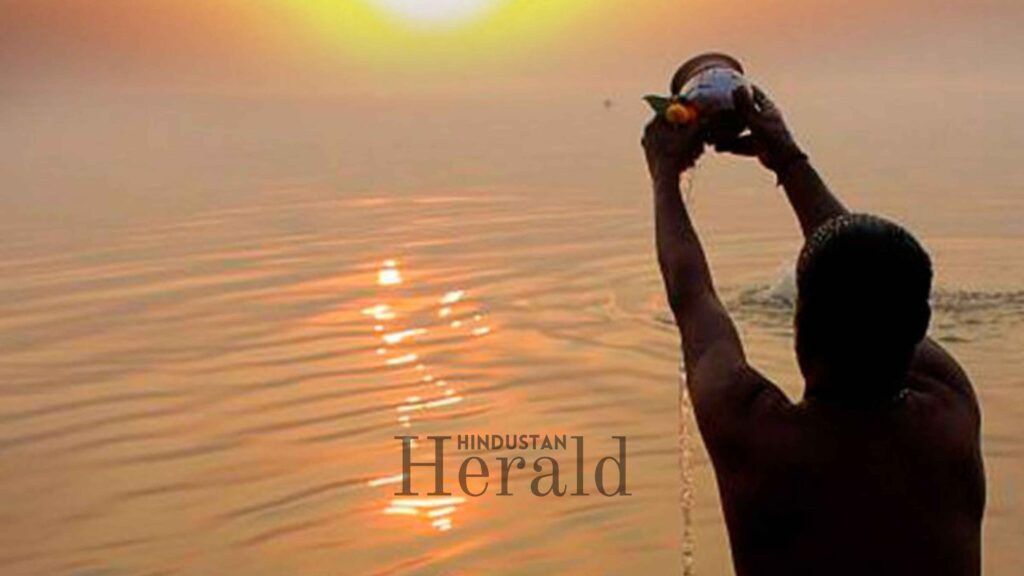
In a lot of households across North India, Nautapa is a time for Surya Puja, offerings and prayers to the Sun. People offer water to the rising sun at dawn, a practice called Arghya. Temples are busier. There are specific foods avoided, specific behaviours observed.

One of the most common practices is putting out water in clay pots or vessels for birds and animals. Astrologically this is framed as an act that strengthens the Moon, which is weakened during Nautapa. Call it what you want. What it actually does is keep sparrows, pigeons, crows, and street dogs alive during days when every puddle dries up before noon. It is one of the more quietly practical things that tradition has embedded into daily life without needing anyone to understand the reasoning.
Aam panna, the raw mango drink with salt and cumin, is Nautapa food. So is nimbu paani, chaas, sattu sharbat, and bel ka sharbat. Ayurveda recommends all of these as cooling drinks during peak summer. Modern nutritionists, with their language about electrolytes and hydration and blood sodium levels, are essentially recommending the same things. They just charge more for the advice.
In 2026: Why This One Feels Different
Look, every summer someone says this is the worst one ever. Sometimes they are just being dramatic. This year the numbers are harder to wave away.
Delhi crossed 42 degrees this week and Nautapa has not even started yet. Sriganganagar in Rajasthan, which is used to heat, hit 46.5 degrees. According to IMD data, nine of the fifteen hottest cities on the planet right now are in India. Nine of fifteen.
As reported by India.com, meteorologists have suggested this could be among the worst heat summers in 150 years. That projection may or may not hold through June. But heading into nine more days of intensification on top of what is already happening, the margin for error is thin.
The people with the thinnest margin are already known. Daily wage workers who cannot afford to not show up. Elderly people in homes without coolers. Children in schools that have not yet broken for summer. Migrant labourers in tin-roof settlements. These are not hypothetical vulnerable groups. They are specific, identifiable people in specific, identifiable places and the gap between a heat advisory on a government website and actual protection reaching them is still enormous.
What You Should Actually Do. Practically.
Stay indoors between 12 PM and 4 PM as much as possible. If you have to be outside, cover your head, wear loose light cotton, and do not trust your thirst as a reliable signal. By the time you feel thirsty in 44-degree heat, you are already dehydrated.

Drink water through the day. Add a pinch of salt and sugar if you can. ORS packets are cheap and available everywhere and they work better than any sports drink. Avoid tea, coffee, and alcohol in the peak hours, all of them pull water out of you faster than you think.
Check on the older people in your family and building. Not a WhatsApp message. Actually knock. Ask if they are eating, drinking, if the fan is working. Heat affects older people faster and more severely, and they are often the last to admit they are struggling.
If you employ people who work outdoors, provide shade, cold water, and rest time between noon and four. This is not a favour. During Nautapa it is a basic duty.
The Bigger Picture That Does Not Go Away
Nautapa is ancient. The name, the traditions, the prayers, the aam panna, all of it evolved over centuries of people figuring out how to survive this stretch of the year. That accumulated knowledge is not useless. Most of it is genuinely practical when you strip it down.
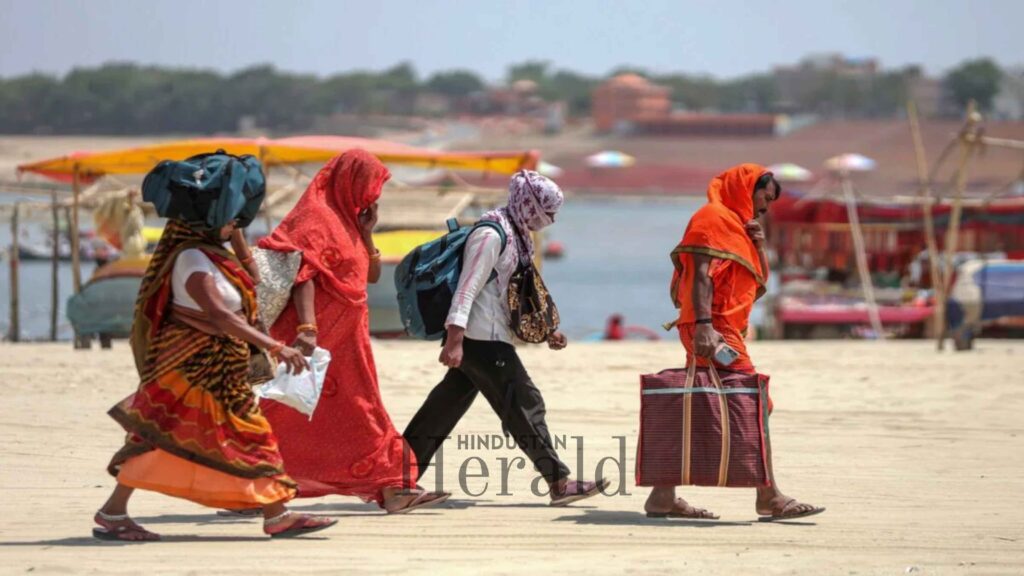
But it was designed for a climate that no longer quite exists. The summers of 2026 are measurably more severe than the summers of even twenty years ago. Scientists tracking Indian heatwave data have been consistent about this: the events are getting more intense, they are arriving earlier, and they are lasting longer. The baseline has moved and it is not moving back.
Traditional wisdom plus community care will carry a lot of people through Nautapa this year, the way it always has. But it needs to be backed by institutions doing their actual jobs. Cooling centres that are real, not just listed. Employers held to basic standards. Health infrastructure in rural districts that can handle the spike in cases that comes every year like clockwork and still somehow manages to catch the system unprepared.
For now, the nine days start tomorrow. At 3:44 PM, the Sun moves into Rohini and Nautapa officially arrives.
Put water out for the birds in the morning. Drink your nimbu paani. Stay inside when the loo picks up.
And if someone in your building looks like they are struggling with the heat, do not scroll past it. That is the whole article. That is also, if you think about it, the whole point.
Stay ahead with Hindustan Herald — bringing you trusted news, sharp analysis, and stories that matter across Politics, Business, Technology, Sports, Entertainment, Lifestyle, and more.
Connect with us on Facebook, Instagram, X (Twitter), LinkedIn, YouTube, and join our Telegram community @hindustanherald for real-time updates.

- Arun Upadhayay

- Arun Upadhayay
- Arun Upadhayay
- Arun Upadhayay




 Sandeep Verma
  Rajiv Menon and Ananya Sharma
  Ayesha Khan