 By Shelesh Joshi and Rajiv Menon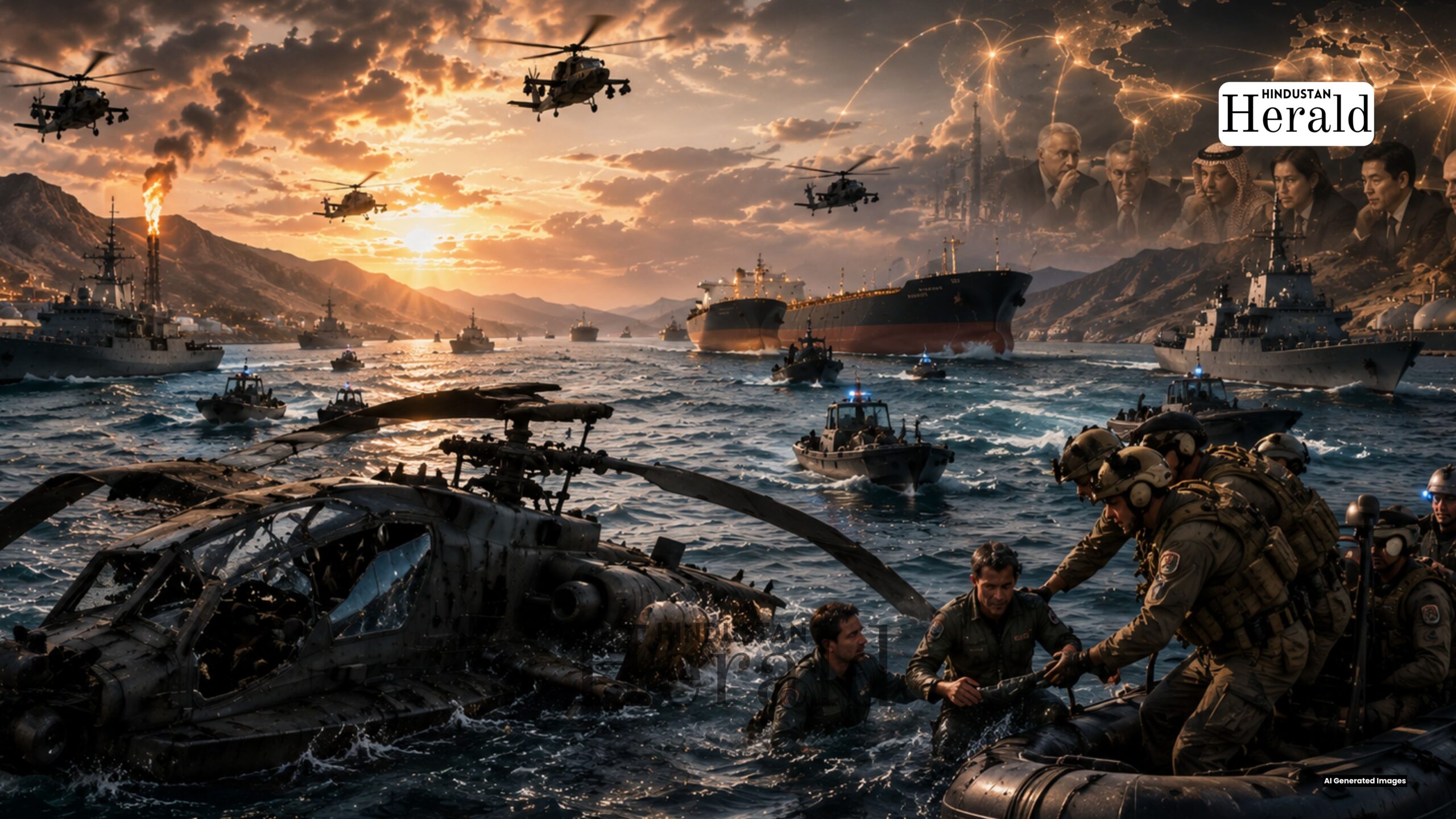
New Delhi, June 9: The Apache Helicopter Crash Hormuz recorded on Monday, June 8, 2026 pulled global attention in a way military incidents in conflict zones rarely do both crew members were rescued safely, but the crash landed in the middle of a cracking ceasefire, a nuclear deal hanging by a thread, and an energy crisis that has pushed India’s crude oil basket to $157 a barrel. Both crew members were safely rescued.
President Donald Trump confirmed their safety late Monday night while speaking to reporters at John F. Kennedy International Airport in New York, fresh from watching the NBA Finals. According to the Associated Press, Trump told reporters: “The pilots are fine. Yeah. Nobody injured. We are going to issue a report tomorrow.” The cause of the crash remains officially unknown.
As of Tuesday morning, neither US Central Command (CENTCOM) nor the Pentagon has said the helicopter was brought down by hostile fire. Still, a downed Apache in the strait is not a routine incident. It arrives at the worst possible moment in a conflict that has battered global energy markets, strained a ceasefire held together largely by diplomatic optimism, and pulled India into a supply crisis unlike anything it has managed in living memory.
Quick Summary
- This is the first Apache helicopter downed since US-Iran hostilities began in February 2026; Iran has separately claimed to have shot down 30 MQ-9 Reaper drones in the same period.
- The Indian crude oil basket nearly doubled in one month, jumping from US$69 per barrel in February to a peak of US$157, as daily strait transits collapsed from over 130 vessels to fewer than 10.
- India imports 88% of its crude oil, with roughly half transiting the Strait of Hormuz; over 90% of household LPG imports travel through the same chokepoint.
- The Indian Navy’s Operation Urja Suraksha, formally initiated on March 23, 2026, has identified 22 vessels for secure escort, after the Cabinet Committee on Security convened on March 1 to authorise the response.
- The US military has turned away 134 vessels and disabled 8 since imposing its naval blockade on Iranian ports on April 13, 2026.
- The IEA has called the disruption the “greatest global energy security challenge in history,” with Iran’s closure of the strait cutting off 20% of global oil supplies.
What The Official Record Shows About The Apache Helicopter Crash Hormuz
According to the Associated Press, both CENTCOM and the Defense Department did not respond to requests for comment on the Apache Helicopter Crash Hormuz when they were first submitted. The incident was broken by The New York Times, which cited two people briefed on the matter.
As reported by i24NEWS, investigators are weighing three possibilities: the Apache was hit by Iranian fire, it suffered a mechanical failure, or something else entirely went wrong. Nobody has ruled anything in or out. The Apache is not a peripheral asset. According to i24NEWS, it is one of the most capable aircraft the US operates in the region, armed with Hellfire missiles and used daily to patrol the strait, keep Iranian fast boats at a distance, and intercept drones. US forces have been flying them closer and closer to Iranian controlled islands in the strait as part of a posture CENTCOM has maintained since the conflict began.
According to the same i24NEWS report, since imposing its blockade on Iranian ports on April 13, the US military has turned away 134 vessels and disabled eight. One of those eight was a Palau flagged oil tanker in the Gulf of Oman, disabled on Monday after it ignored repeated warnings.
According to Siasat Daily and the Associated Press, this is the first Apache the US has lost since fighting with Iran began in February 2026. Iran, for context, has claimed it shot down 30 MQ-9 Reaper drones over the same period. According to Prismnews, citing CENTCOM’s own public statements, roughly 100 merchant vessels transit the strait on a normal day. That number collapsed when the conflict began, and the effort to restore it is what the entire US military operation is nominally about.
The Pentagon’s investigation report, which Trump promised for Tuesday, will matter enormously. Until it lands, the cause of the Apache Helicopter Crash Hormuz remains officially open.
Trump At The Airport: Restraint In Plain Language
What stood out in Trump’s airport remarks was not the pilot update. It was everything he said after it. According to the Associated Press, as reported by NBC News and others, Trump told reporters the US has “a good chance” of signing a nuclear deal with Iran in “two or three days.” He gave no specifics on what had changed.
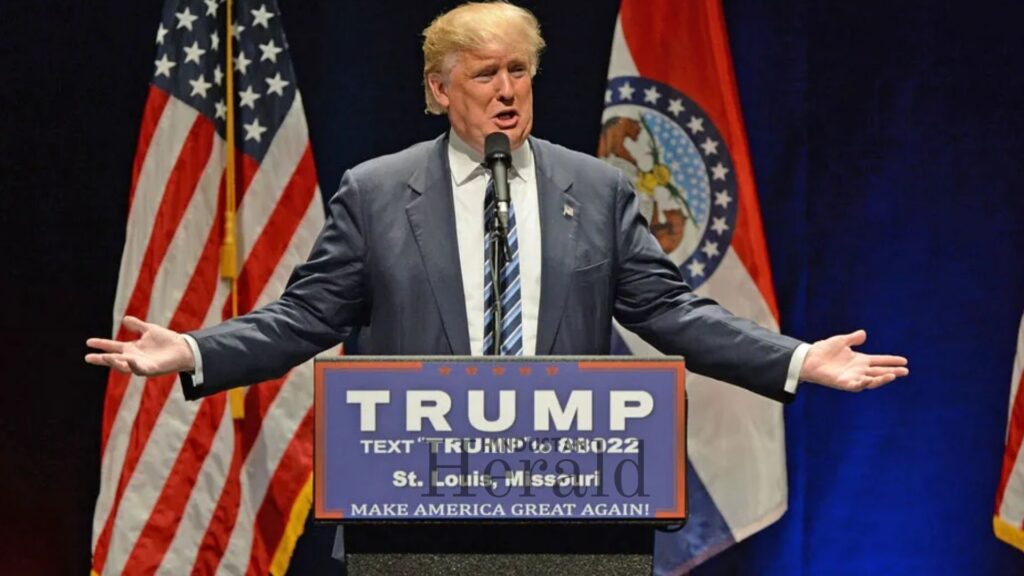
He also said something that no American president would ordinarily say out loud about an ongoing military operation. According to the Associated Press, Trump said: “If we go and bomb, which we could do very easily if we want, and we spend another two or three weeks bombing, they’ll have nothing left whatsoever. But you won’t have the strait open for months.” He followed that with: “If we do the bombing, you know, a lot of people are going to be killed. Who wants to do that? I don’t.”
Read carefully, this is a president acknowledging that military superiority and strategic leverage are two different things. The US can bomb. It cannot bomb the strait into being open. That tension is now the central fact of the entire conflict, and Trump stated it more clearly than any policy document has. For energy markets and for India specifically, the fact that this administration is trying to keep negotiations alive rather than reach for escalation is the single most consequential variable in play.
The Ceasefire: Battered, Breathing, And Now Under Fresh Pressure
The helicopter did not go down in a quiet period. According to the Washington Post and the Associated Press, Israel and Iran exchanged missile fire on Monday, June 8, the most serious exchange since the ceasefire took hold two months ago. Yemen’s Houthi rebels launched a missile at Israel the same day and threatened to go after Red Sea shipping again. Saudi Arabia activated air raid sirens near a base where US forces are stationed, though the threat reportedly passed without incident.
According to Al Jazeera, Iran said Monday afternoon it was stopping its attacks but warned that any further Israeli “aggression and hostility,” including operations in Lebanon, would bring them back. According to CNN, the commander of Iran’s Quds Force said a “new security belt of the resistance” would stretch from the Strait of Hormuz all the way to the Bab al-Mandab, the entrance to the Red Sea. If that statement is acted on rather than left as a threat, it would put both of the world’s two most critical energy corridors under simultaneous pressure. The economic consequences of that scenario are difficult to fully model.
According to Wikipedia’s documented record of the 2026 Iran war ceasefire, the agreement was brokered on April 8, 2026 through Pakistan’s mediation. Both sides have violated it since. On April 21, Trump extended it indefinitely. It has been extended because neither side has wanted to be the one to formally end it, not because the underlying tensions have eased.
The Negotiations: A Draft Exists, But So Do The Gaps
There is a deal on the table. It is not signed. According to the House of Commons Library’s published research briefing on the 2026 US-Iran talks, negotiations are being managed through Pakistan and cover three broad areas: freedom of navigation through the Strait of Hormuz, Iran’s nuclear and ballistic missile programme, and the structure of US sanctions relief.
Trump has publicly said Iran has agreed to stop enriching uranium and that the US will retrieve and remove Iran’s existing nuclear material. The head of Iran’s Atomic Energy Organization has disputed that characterisation.
According to Axios, the draft memorandum of understanding commits Iran to never building a nuclear weapon and to negotiating a suspension of uranium enrichment and removal of its highly enriched uranium stockpile. In return, the US would enter a 60-day negotiating window on sanctions relief and unfreezing Iranian funds, with actual implementation tied to a verified final agreement. US forces deployed during the conflict would remain in the region through the 60-day period and only withdraw if a permanent deal is reached.
As it turns out, that draft is not final. Axios later reported Trump had requested changes. A White House official said the president “will only make a deal that is good for America, satisfies his redlines and makes sure Iran can never possess a nuclear weapon.” Iran has not endorsed the text either.They are negotiating seriously. They are not done.
How It Started: The Chain Of Events
The context matters because the Apache crash did not happen in a vacuum. According to Wikipedia’s documented record of the 2026 Strait of Hormuz campaign, on March 2, 2026, the IRGC officially declared the strait closed to “unfriendly nations.” Two days later, on March 4, the Islamic Republic of Iran Navy claimed complete control. Iran approved vessels, mostly petroleum tankers bound for China and India, continued to pass, some with naval escort.
On March 19, the United States launched aerial strikes against Iranian targets in an effort to reopen the strait. The US naval blockade of Iranian ports followed on April 13. Operation Project Freedom, a brief tactical pause from May 4 to May 6, was meant to test whether a negotiated opening was possible.
According to CENTCOM’s public statement on May 5, as reported by Army Recognition, US AH-64 Apaches and MH-60 Seahawks sank six Iranian fast attack boats on May 4 while protecting commercial shipping, operating alongside guided missile destroyers, more than 100 aircraft, unmanned platforms, and 15,000 US service members deployed to the theatre.
India’s Problem: Built Over Decades, Exploding Now
Here is where the global crisis becomes a domestic one. According to the Observer Research Foundation (ORF) in its analysis “The Strait That Shakes Prices: Impact of the Hormuz Disruption on Inflation in India,” India imports 88% of its crude oil. Roughly half of that volume typically transits the Strait of Hormuz. Over 60% of household LPG is imported. 90% of those LPG imports come through the same route. More than half of India’s LNG supply arrives from Qatar and the UAE via the strait.
When the strait effectively closed, daily ship transits fell from over 130 to fewer than ten. The Indian crude oil basket went from US$69 per barrel in February to US$126 in March, then peaked at US$157. Qatar declared force majeure on LNG contracts after Iranian strikes hit its Ras Laffan facility. Global urea prices jumped 50%, threatening fertiliser supply ahead of the spring planting season.
According to the ORF, investment banks and rating agencies are now projecting Indian CPI inflation of 5 to 6% for the second and third quarters of 2026. The government moved quickly on the fiscal side. Excise duties on motor fuels were cut. A Natural Gas Control Order rationed industrial supply. Customs duties on petrochemical products were waived. Diplomats began working the phones to Tehran.
According to Wright Research, India’s combined crude and refined product inventories sit at roughly 50 days of cover. That sounds adequate until you consider that LPG buffers are significantly thinner and that farmers in multiple states are already hoarding fertiliser supplies against the possibility that imports slow further.
According to S&P Global, citing an official statement from the Ministry of Petroleum and Natural Gas on March 3, 2026, the Ministry said India “has ensured both availability and affordability of energy for its population by diversifying its sources.” The statement was accurate as far as it went. It did not address how long that diversification would hold under sustained pressure.
India’s Response: Phone Calls, Naval Escorts, And A Deliberate Distance From Washington
India’s response to the crisis has been careful and, so far, effective enough to matter. According to Gulf News, External Affairs Minister S. Jaishankar confirmed that direct negotiations with Tehran had allowed two Indian flagged gas tankers to transit the strait safely. “I am at the moment engaged in talking to them and my talking has yielded some results,” he said. “From India’s perspective, it is better that we reason and we co-ordinate and we get a solution than we don’t.”
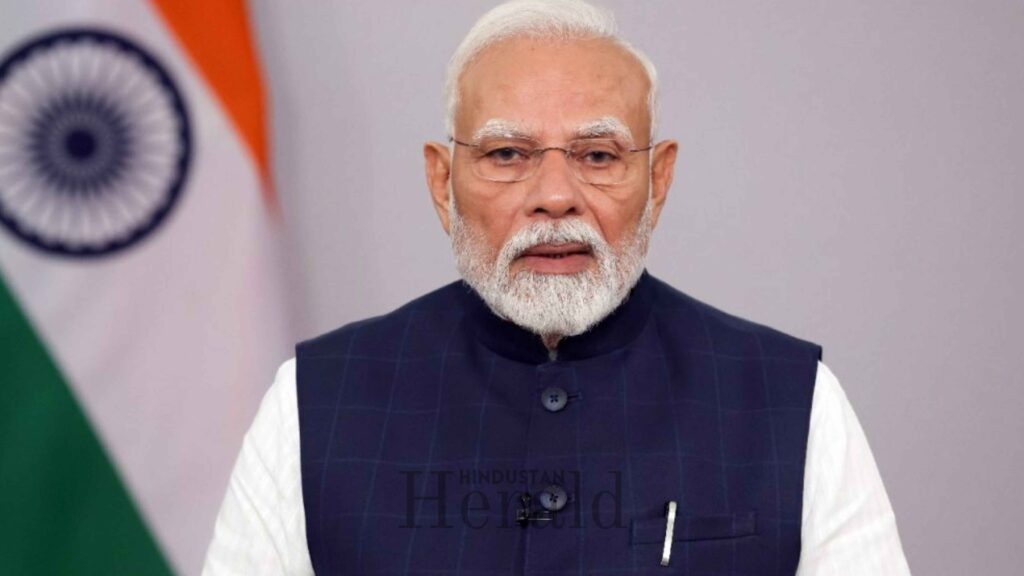
According to Beincareer, citing government and media sources, Prime Minister Narendra Modi spoke directly with Iranian President Masoud Pezeshkian, and those calls led to Iran allowing two Indian flagged LPG carriers through on March 14, carrying 92,000 tonnes of LPG. Iranian Ambassador Mohammad Fathali said Tehran was treating India as a special case given the long history between the two countries. On the naval side, India did not wait for diplomatic outcomes alone.
According to Marine Insight, sourcing the Ministry of Ports, Shipping and Waterways, the Indian Navy launched Operation Urja Suraksha to provide direct escort cover for India bound energy shipments through the strait. 22 vessels were identified for secure transit, 20 of them carrying LNG, LPG, or crude oil. LPG carriers Pine Gas and Jag Vasant, together carrying 92,000 tonnes, were among the first through safely.
According to The Maritime Executive, sourcing IANS and the Directorate of Naval Operations, the system works in relay: once a ship clears the strait, destroyers and frigates pick it up and carry the escort through the Gulf of Oman. According to Wikipedia’s record of Operation Urja Suraksha, the Cabinet Committee on Security met on March 1 under the Prime Minister to formally assess the conflict’s implications before the operation was launched on March 23, 2026.
The Scale Of The Global Disruption
The numbers here are worth sitting with. According to the Council on Foreign Relations (CFR) in “The Iran War is Causing Energy Chaos in Asia,” Iranian strikes and the strait blockade combined to cut Gulf oil production by 10 million barrels per day compared to March 2025. Oil flowing through the strait dropped to under 10% of pre war levels.
According to Wikipedia’s documented record of the 2026 Iran war fuel crisis, citing the IEA, the agency’s director called this the “greatest global energy security challenge in history.” The closure of the strait took 20% of global oil supplies off the table at a stroke. Analysts put the price threshold for sustained disruption at US$100 per barrel, with an estimated 0.8% addition to global inflation if that level holds.
According to the US Congressional Research Service, the IEA calculated global spare crude production capacity at roughly 4.4 million barrels per day as of February 2026. More than 75% of that spare capacity sits in Middle Eastern countries that export through the Strait of Hormuz. The backup plan runs through the same bottleneck as the primary plan. That structural fact has not changed and will not change based on how the current negotiations end.
What This Moment Actually Reveals
The Pentagon report will arrive on Tuesday and the world will parse every word. But its finding, whatever it is, will not address the question that the last four months have actually been asking. The Strait of Hormuz was a known risk. It has appeared in energy security analyses, naval war game scenarios, and Indian parliamentary committee reports for twenty years. Every government that built an economy around cheap Gulf oil understood that an adversary with the right geography and enough resolve could one day close the tap. Nobody built seriously around that risk while the tap was flowing.
India is the most exposed example of this. 88% crude import dependence with half flowing through a single chokepoint is not an accident of geography. It is the product of two decades of choices that prioritised competitive pricing over supply resilience. The diversification to Russian crude after 2022 helped at the margins. It did not solve the underlying problem, and the current crisis has made that plain.
Operation Urja Suraksha deserves credit. The Modi Pezeshkian conversations worked. Getting two fully loaded LPG tankers through an active conflict zone using diplomatic capital earned over decades is a genuine achievement. It is also, at bottom, a workaround. Workarounds do not survive the next crisis any better than the infrastructure they are patching.
The United States faces its own version of this reckoning. Trump’s airport candour, that bombing Iran would keep the strait closed for months regardless of military outcome, is the clearest admission yet that kinetic superiority does not translate into energy security. The strait is a geography. Iran lives in it. You cannot remove the chokepoint by defeating the country that controls it, because the chokepoint is physical, not political.
For the nuclear deal, the timing of this crash is genuinely bad. Talks have narrowed. A framework exists. Trump says days, not weeks. But every military incident between now and a signature creates domestic political pressure in Tehran to harden positions, and gives hardliners in Washington reason to read restraint as a concession. The crash feeds both pressures at once, regardless of its cause. There is also a question the current diplomatic process is not designed to answer: what comes after?
Even a signed deal does not fix the structural problem. 75% of global spare production capacity runs through the same geography that just demonstrated it can be shut down by a single determined actor. The IEA’s spare capacity numbers are a theoretical buffer, not a real one, as long as the buffer sits inside the threat zone.
India will need to have this conversation with itself honestly, and soon. Operation Urja Suraksha is a naval deployment. It is not a long-term energy policy. The LNG terminals, strategic petroleum reserves, domestic refinery diversification, and renewable transition investments that would actually reduce the country’s exposure to the next Hormuz crisis are measured in years and budget cycles, not patrol routes and phone calls.
For now, the pilots are safe. The ceasefire is damaged but technically holding. Negotiators are still talking. A single investigation finding will shape whether this week ends in a diplomatic opening or a renewed military exchange.
But the harder accounting, the one about why the world built a global economy with a 33-kilometre bottleneck at its throat and treated every warning about it as a hypothetical, remains unwritten. No government involved in this crisis has yet volunteered to commission it. And until someone does, the next version of this crisis is already in the planning.
Stay ahead with Hindustan Herald — bringing you trusted news, sharp analysis, and stories that matter across Politics, Business, Technology, Sports, Entertainment, Lifestyle, and more.
Connect with us on Facebook, Instagram, X (Twitter), LinkedIn, YouTube, and join our Telegram community @hindustanherald for real-time updates.

Tracking world politics, global markets, trade movements, policy decisions, and the changing balance of economic power.
- Shelesh Joshi

- Shelesh Joshi
- Shelesh Joshi
- Shelesh Joshi





Specializes in South Asian geopolitics and global diplomacy, bringing in-depth analysis on international relations.
- Rajiv Menon
- Rajiv Menon
- Rajiv Menon
- Rajiv Menon