
 By Ananya Sharma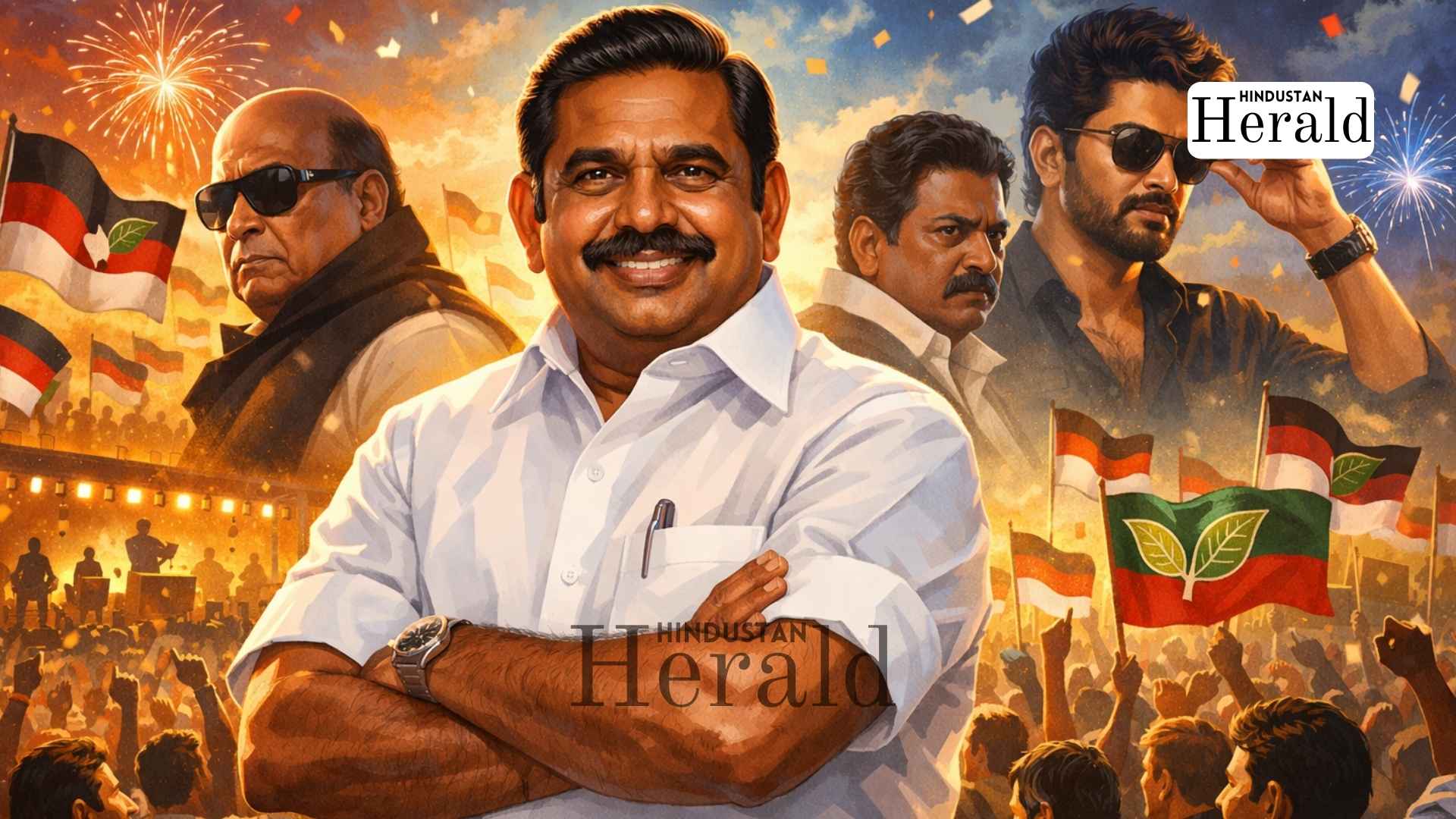
Chennai, March 25: Nobody really expected the AIADMK to be in this position. After what happened in 2021, when the DMK hammered them at the polls and sent EPS to the opposition benches, a lot of political watchers quietly assumed the party’s best days were behind it. The infighting that followed did not help. The split with O. Panneerselvam. The questions about the party’s direction. The zero seats in 2024 alongside the BJP.
And yet here we are.
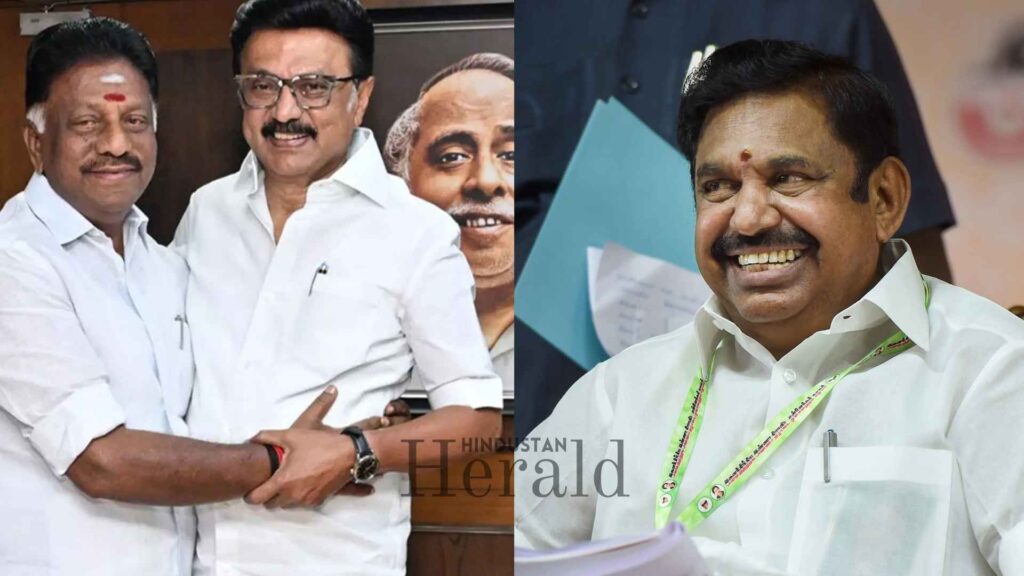
Wednesday morning, the AIADMK walked out with its first list of candidates for the April 23 elections. Twenty-three names. Edappadi K. Palaniswami at the top. The party is not just contesting. It is coming back swinging.
EPS Goes Home to Fight
Palaniswami has picked Edappadi constituency in Salem district to contest from. He has won from there before. He knows those roads, those villages, those faces at the tea shops. When a politician chooses to fight from familiar ground, they are doing two things at once. They are protecting themselves from the risk of fighting somewhere new, and they are sending a message to their opponents that they are not rattled.
EPS does not look rattled.
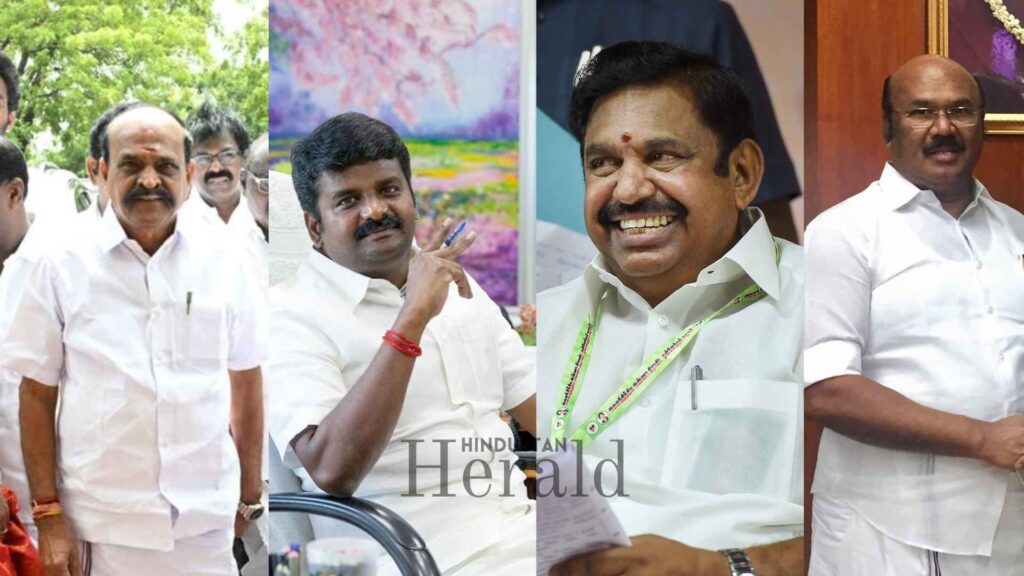
The rest of the first list is heavy with familiar faces. D. Jayakumar in Rayakottai. Dr. C. Vijayabaskar in Virudhachalam. Kadambur C. Raju in Kovilpatti. S. P. Velumani in Thondamuthur. C. Ve. Shanmugam in Hosur. K. P. Munusamy in Veppanahalli. R. B. Udhayakumar in Tirumangalam.
Count them up and twenty-one of the twenty-three names on this first list are former ministers. People who have held actual government positions. Run departments. Signed files. Dealt with the state machinery from the inside.
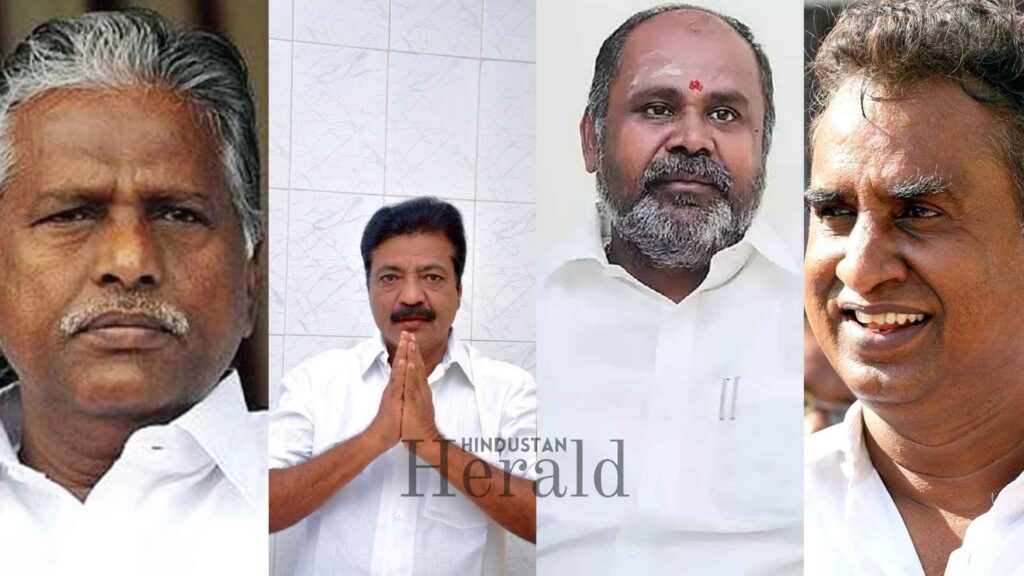
The AIADMK is not pretending to be a party of fresh starts. It is saying very plainly: we have been in power before, we know how it works, and we want another shot.
Some voters will find that reassuring. Others will remember exactly what that previous stint looked like. Both reactions are legitimate and both will play out at the ballot box.
The Story Behind This Alliance
Here is something that often gets lost when people talk about election alliances. They do not just happen. Someone has to swallow their pride first.
After the 2024 Lok Sabha results, both the AIADMK and the BJP had a problem. They had contested separately, which felt brave at the time, and they had collectively won nothing. Not one seat between them in Tamil Nadu. Zero. You can imagine the conversations that happened inside both parties after those results came in.
By April 2025, EPS and Amit Shah were standing together at a press conference in Chennai. Whatever had been said publicly during the falling out, it was being set aside. The 2026 assembly election was simply too important.
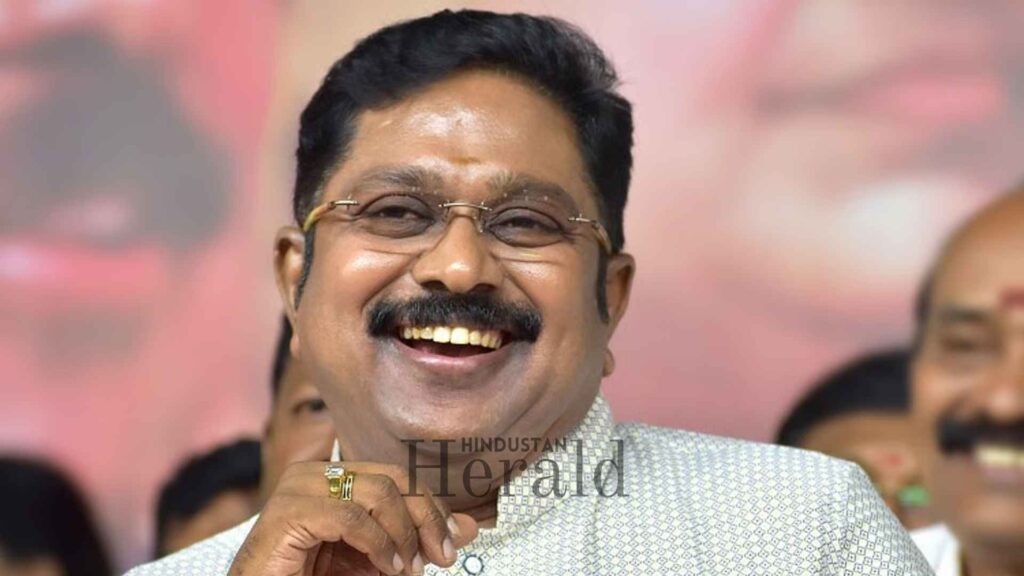
The PMK came in next. Anbumani Ramadoss brought his party into the alliance in January 2026. Then T. T. V. Dhinakaran and his AMMK joined the front. By March 23, the seat division was done and signed.
BJP gets 27 seats. PMK gets 18. AMMK gets 11. Tamil Maanila Congress under G. K. Vasan gets 5 seats, and they will be using the BJP’s Lotus symbol to contest because their own symbol hit some kind of procedural snag at the Election Commission. The AIADMK takes the rest.
What does the PMK actually bring to this? More than the seat numbers suggest. The Vanniyar community in northern Tamil Nadu has historically voted in large numbers along community lines, and the PMK has deep roots there. These are the kinds of votes that decide close contests in specific constituencies. Similarly, AMMK has pockets of influence that a purely AIADMK ticket would struggle to reach.
On its own, the AIADMK cannot cover the entire map. Together, this alliance gives it a fighting chance in places it would otherwise concede before polling day.
What EPS Is Promising Voters
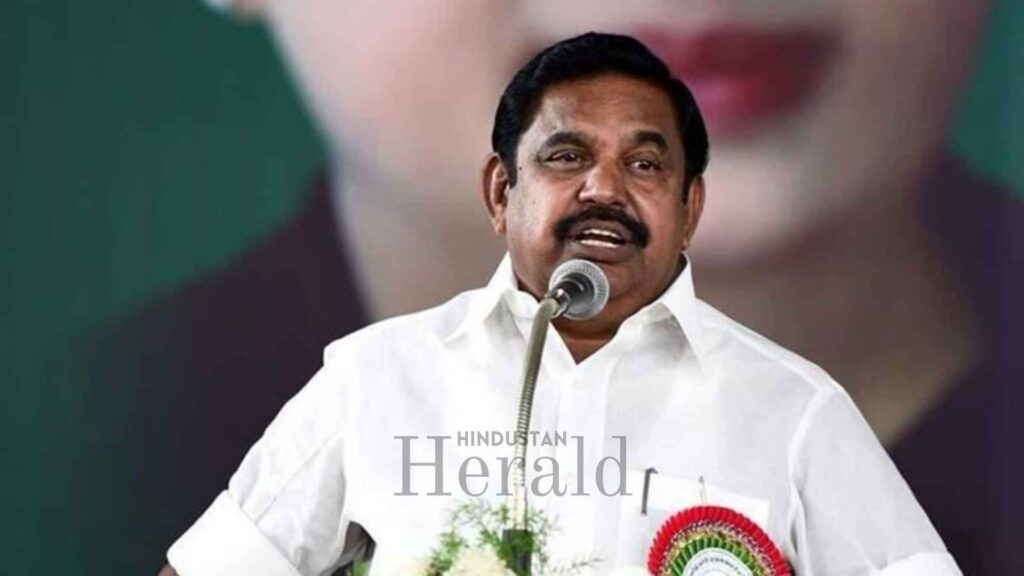
The day before the candidate list, Palaniswami released the party manifesto at the Chennai headquarters. Two hundred and ninety-seven promises. That number is almost comically large but it reflects something real: Tamil Nadu voters have been trained over decades to expect direct material benefits from whoever is asking for their vote.
The promise getting the most attention is the free refrigerator for rice ration card holders.
Take a moment to think about who actually holds a rice ration card. These are not middle-class families debating which appliance to upgrade. These are households where a working fridge would genuinely change the way the family eats, shops, and manages money. Buying vegetables in small daily quantities because there is no storage. Watching food spoil in summer heat. A refrigerator is not a luxury for everyone. For a large part of Tamil Nadu’s population, it would be a practical and meaningful change to daily life.
Whether the AIADMK will actually deliver it if they win is a separate question. But as a political pitch, it hits a real target.
Along with the fridge promise, the manifesto says ration card holders will get one kilogram of dal and one litre of cooking oil added to their existing free rice supply. Again, small in newspaper headlines. Real money in a household budget.
The Kula Vilakku Scheme promises Rs 2,000 every month to women heading ration card households. Directly to the woman. Into her bank account. Not to the household account where someone else controls the money. That distinction matters and the women voters of Tamil Nadu will notice it.
There is also a one-time Rs 10,000 payment per family, being positioned as relief from rising costs under the DMK. Electricity bills, property tax, water charges. Things that arrive every few months and quietly drain family budgets in ways that are hard to argue against.
Senior citizen pensions go from Rs 1,200 to Rs 2,000. Same for widow and disability pensions. For someone living on that fixed monthly amount, an extra eight hundred rupees is not nothing. That is groceries. That is medicine.
For farmers, the party is promising to step in when market prices fall below the minimum support price, and to fix the chronic problem of electricity supply to irrigation pumps. Talk to any farmer in Tamil Nadu about what disrupts their work most and power cuts will come up within the first few minutes.
There is also a thread running through the manifesto that speaks to something bigger than individual welfare. The AIADMK wants more money from the Union government. It wants cesses and surcharges included in what gets shared with states. It wants education and health moved out of the Concurrent List and put fully under state control.
This is an old argument in Tamil Nadu and it cuts across party loyalties. The feeling that the state contributes heavily to national revenues and does not get back what it puts in has been a live issue for decades. Raising it now is smart politics because it speaks to voters who would not normally be AIADMK supporters.
What the Opposition Is Saying and Why Vijay Changes Everything
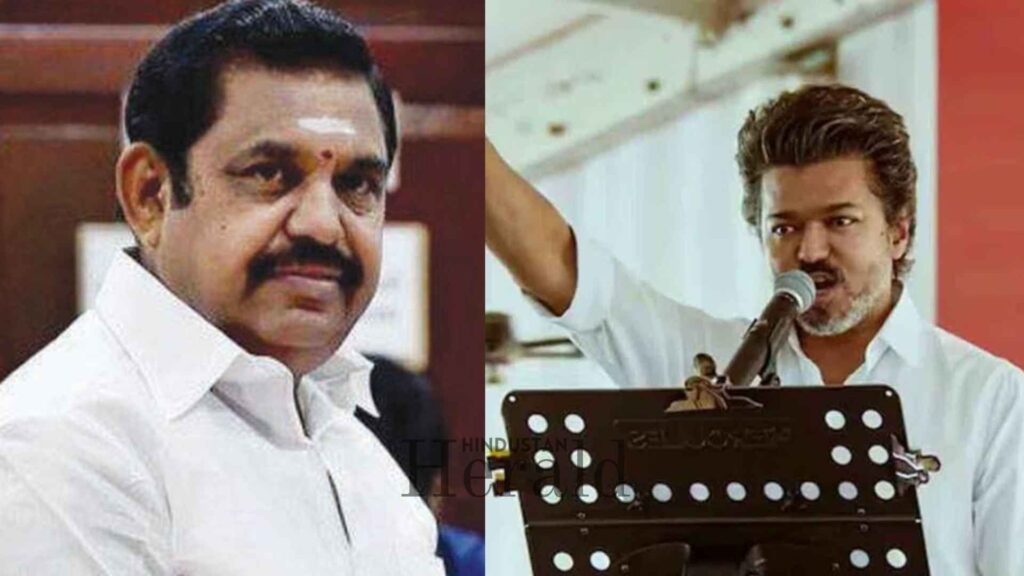
TKS Elangovan of the DMK did not waste time. He was on record saying the manifesto’s promises show that EPS is afraid. That all these new schemes are the behaviour of someone who knows they are losing. That voters will remember the previous AIADMK government and judge accordingly.
The DMK’s case is straightforward enough. They are the sitting government. They point to infrastructure projects, welfare schemes, and governance continuity. Their argument is essentially: look at what we did versus what they are promising.
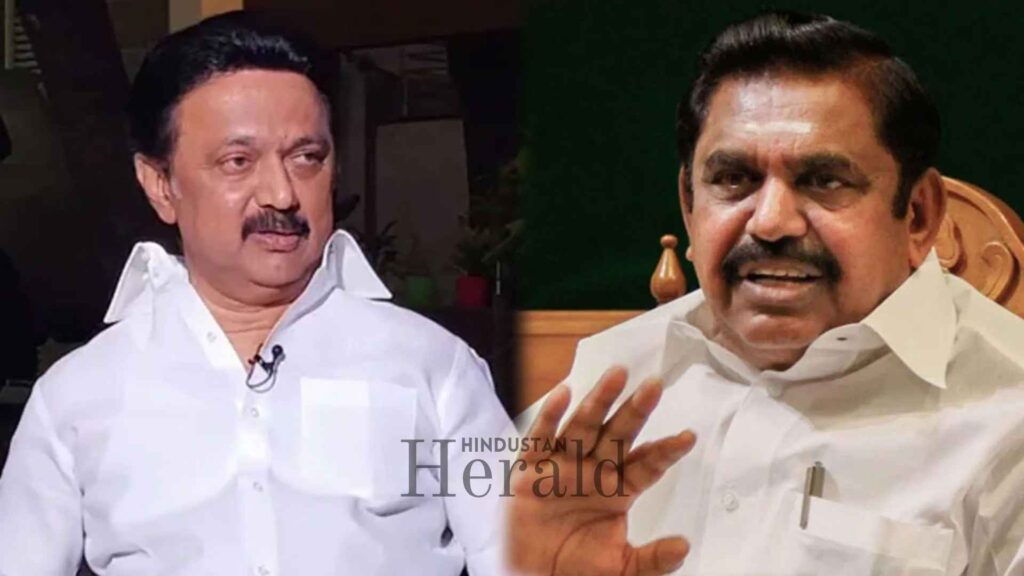
The AIADMK’s counter is equally simple: look at what things cost now. Look at your electricity bill. Look at the price of tomatoes and onions and cooking gas. Whatever we did before, right now, today, you are struggling more than you should be.
Both arguments have truth in them. That is what makes this election genuinely unpredictable.
And then there is Vijay.
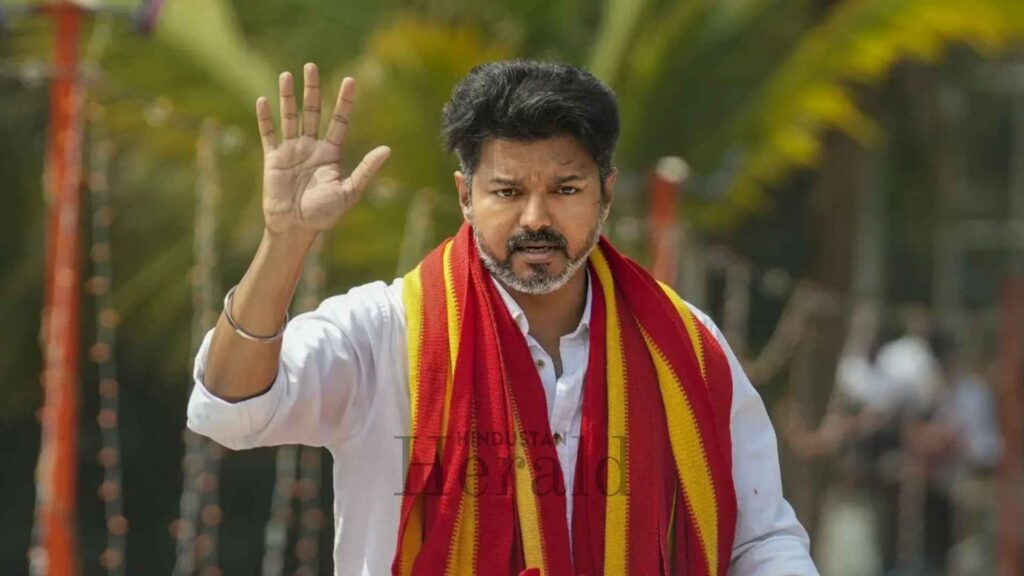
Tamil Nadu’s biggest film star said no to the NDA, reportedly turned down an offer involving ninety seats and shared power, and decided his party Tamilaga Vettri Kazhagam would fight this election alone. Nobody quite knows what to make of that.
His rallies draw crowds the way his films draw audiences. Young people especially. First-time voters who grew up watching him on screen and see him as genuinely different from the usual political cast.
If TVK pulls a few hundred thousand votes out of constituencies that the DMK was counting on, that changes outcomes. If it pulls from people who were never going to vote AIADMK, maybe it changes nothing. Nobody has a confident answer to this question and that uncertainty is making campaign managers in both main parties very nervous.
The Road to April 23
Two hundred and thirty-four seats. One hundred and eighteen needed for a majority. Polling on April 23. Results on May 4.
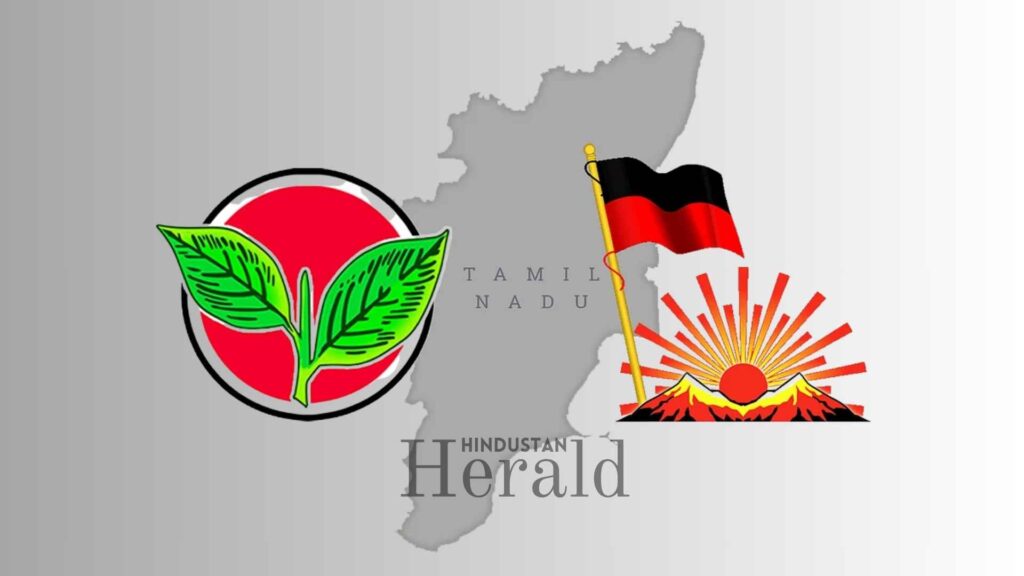
The DMK won 159 seats last time. The AIADMK won 66. For EPS and his alliance to form a government, they need to flip around fifty seats while holding everything they currently have. That is the task in front of them.
Nominations close on April 6. More candidate lists will come out before that deadline. The full picture of who is contesting where will be clear within the week.
Wednesday’s announcement of twenty-three names is the opening of a very loud, very intense few weeks. Tamil Nadu elections have never been quiet and this one will not break the tradition.
Five years ago the same party stood on stage and watched the results come in badly. The same leader then spent those five years doing the slow, unglamorous work of holding an organisation together through internal crises and external defeats.
Now he is asking for one more chance.
Tamil Nadu will give its answer on April 23. And knowing this state, it will not be a quiet one.
Stay ahead with Hindustan Herald — bringing you trusted news, sharp analysis, and stories that matter across Politics, Business, Technology, Sports, Entertainment, Lifestyle, and more.
Connect with us on Facebook, Instagram, X (Twitter), LinkedIn, YouTube, and join our Telegram community @hindustanherald for real-time updates.

Covers Indian politics, governance, and policy developments with over a decade of experience in political reporting.
- Ananya Sharma

- Ananya Sharma
- Ananya Sharma
- Ananya Sharma



 Arun Upadhayay and Ananya Sharma
  Neeraj Kapoor and Ananya Sharma