 By Ananya Sharma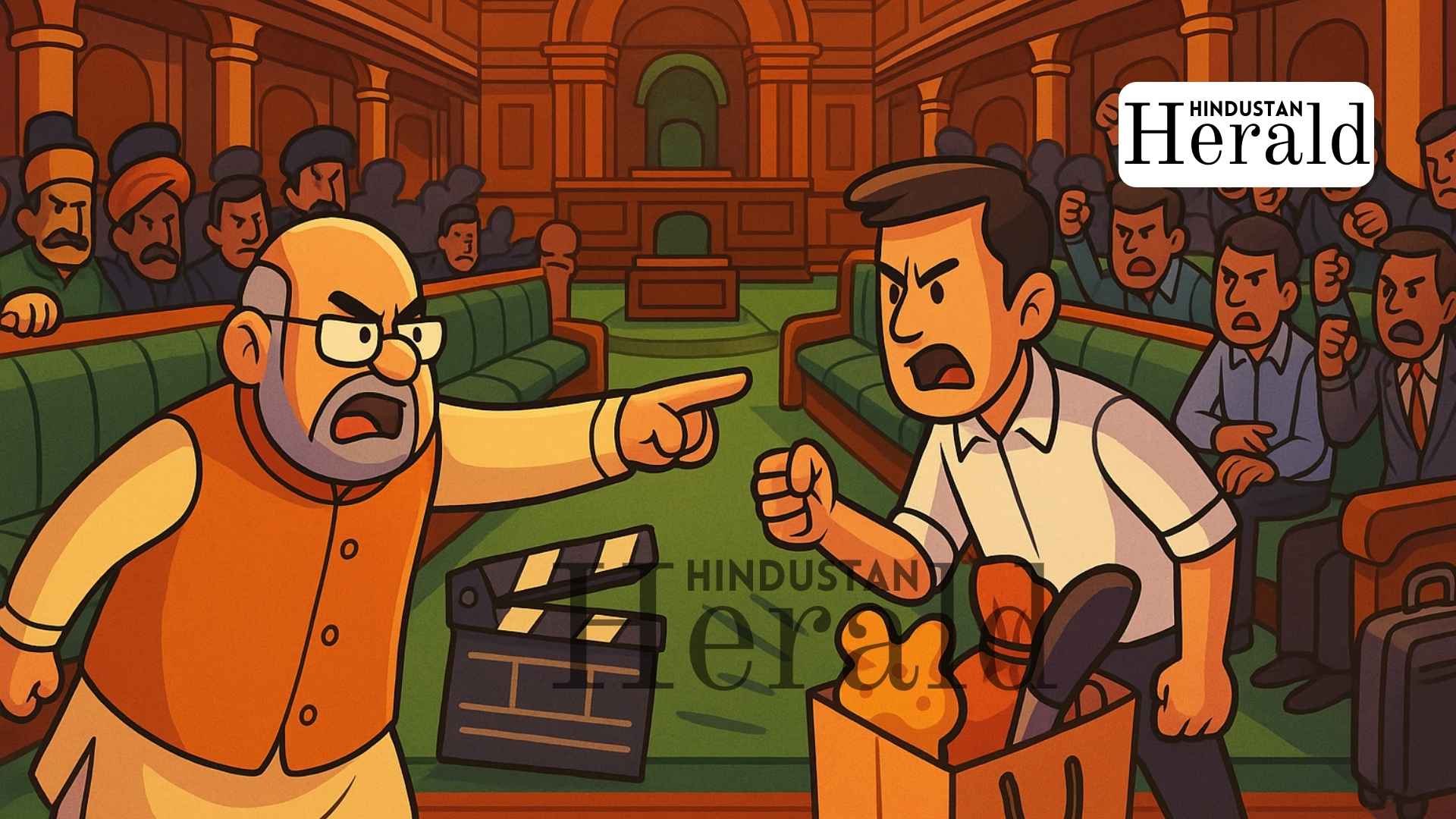
New Delhi, 10: The Lok Sabha never really settled on Wednesday. From the minute Amit Shah rose to speak, the room felt tight, like everyone was bracing for something heavier than a routine debate on electoral reforms. And that’s pretty much what they got.
Shah’s defence of the ongoing revision of electoral rolls started off dry enough, the usual talk about duplication, outdated names, and cleaning up the lists. Standard Election Commission housekeeping. But he didn’t stay in the technical lane for long. The opposition’s talk of vote chori clearly hit a nerve, and Shah snapped back that the accusation was nothing more than political theatre designed to stir distrust.
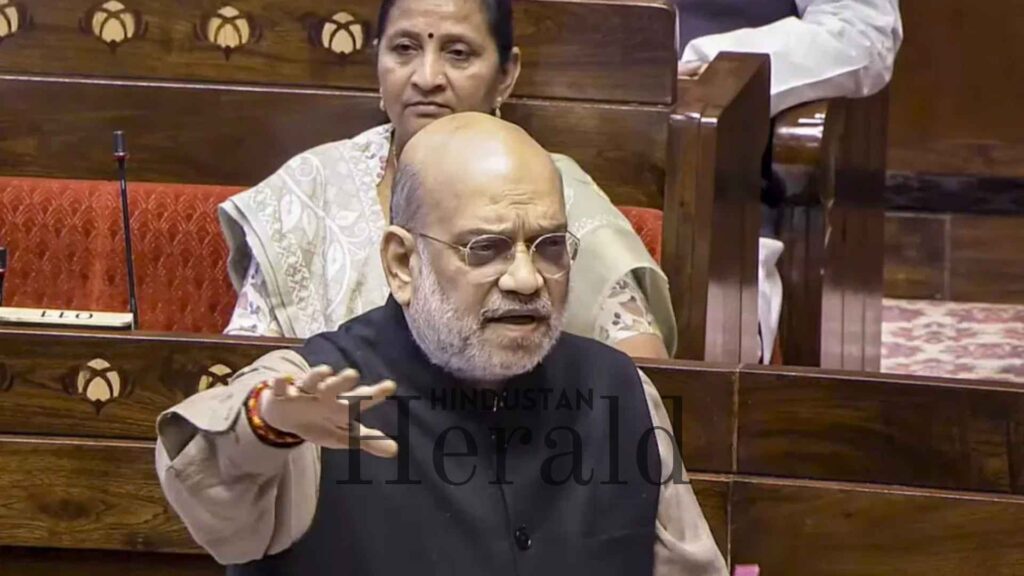
It wasn’t the angriest he has sounded this session, but it was close.
The opposition benches were already wound up and didn’t wait for the Speaker’s nod before shouting across. For them, the SIR exercise isn’t just an administrative sweep. It’s a potential pressure point before the next round of state polls. And they made sure the House heard that.
EVMs Hijack The Debate. Again.
Of course, this session couldn’t go ten minutes without Electronic Voting Machines barging into the conversation. Shah’s jab, reminding the Congress that Rajiv Gandhi introduced EVMs in the first place, landed with a thud and then ricocheted into chaos.
Congress MPs shouted back that history isn’t the issue. Trust is. And whatever trust existed once had taken a beating since the 2024 results. Shah countered that the opposition finds a new excuse each time they sense they’re losing political ground.
It wasn’t elegant. It wasn’t subtle. But it was unmistakably real. The kind of exchange that doesn’t need a transcript because the body language tells the story just fine.
Vande Mataram Becomes A Flashpoint
The Rajya Sabha had its own storm brewing. Shah used his time there to accuse the opposition of dragging Vande Mataram into electoral mudslinging ahead of the Bengal polls. That touched a different nerve altogether.
Opposition MPs insisted nobody was insulting the national song and that Shah was twisting context for effect. The back-and-forth wasn’t particularly enlightening, but it did show how quickly cultural symbols can hijack the legislative mood. One mention of a song and suddenly half the chamber was reacting like someone had yanked a fire alarm.
Rahul Gandhi Pushes Back, Loudly
The moment that actually jolted the day came when Rahul Gandhi stood up. Shah had brushed aside the fraud allegations as political noise. Rahul wasn’t letting that go. He challenged Shah to debate the claims he had made in press conferences, asking whether the Home Minister was prepared to repeat those statements in Parliament.
For a second, the House froze the kind of silence that usually precedes something messy. Shah dismissed the challenge, saying Rahul was twisting his words. Rahul kept pushing. The benches exploded. The Speaker pleaded for order. None arrived.
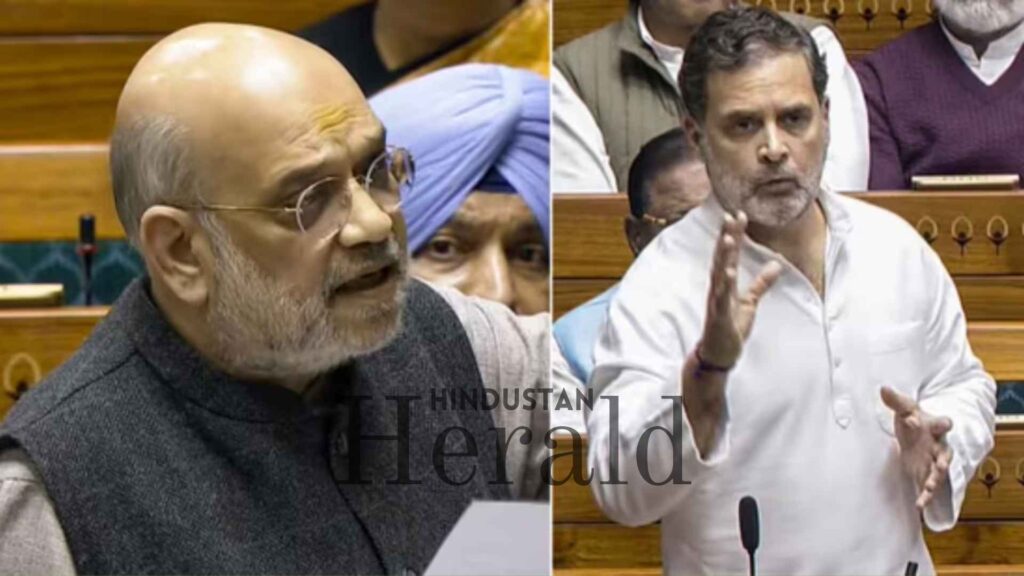
It wasn’t policy. It wasn’t procedure. It was raw politics, the sort that Parliament pretends to rise above but never really does.
What This Says About Where The Session Is Headed
The truth is, none of this was solely about voter rolls or machines or even Vande Mataram. The Winter Session has become a barometer for how tense the political system still is after last year’s elections.
Shah wants to portray the reforms as routine upkeep, the kind of administrative hygiene the country should welcome. The opposition won’t buy that. They see shadows everywhere missing names, rewritten rolls, reduced oversight and they’re making it clear they won’t stay quiet if they think the ground is shifting under them.
It doesn’t help that public trust feels thinner than usual. The Election Commission says everything is by the book. Maybe it is. But in politics, perception often outruns paperwork, and right now perception is doing laps around Parliament.
Why It Matters Heading Into 2026
The fights this week aren’t one-day flare-ups. They’re rehearsals for the bigger battles waiting in 2026. West Bengal, Tamil Nadu, and Kerala states, where even small changes in voter rolls can swing outcomes. Everyone knows it. That’s why no one is being casual about any of this.
Shah and the BJP want to frame themselves as protectors of institutional trust. The opposition wants to frame the BJP as the biggest threat to it. Both sides know the narrative will matter as much as the reforms themselves.
And Wednesday, with all its shouting, interruptions and finger-pointing, was a reminder that neither camp plans to blink first.
Stay ahead with Hindustan Herald — bringing you trusted news, sharp analysis, and stories that matter across Politics, Business, Technology, Sports, Entertainment, Lifestyle, and more.
Connect with us on Facebook, Instagram, X (Twitter), LinkedIn, YouTube, and join our Telegram community @hindustanherald for real-time updates.

Covers Indian politics, governance, and policy developments with over a decade of experience in political reporting.
- Ananya Sharma

- Ananya Sharma
- Ananya Sharma
- Ananya Sharma