
 By Kavita Iyer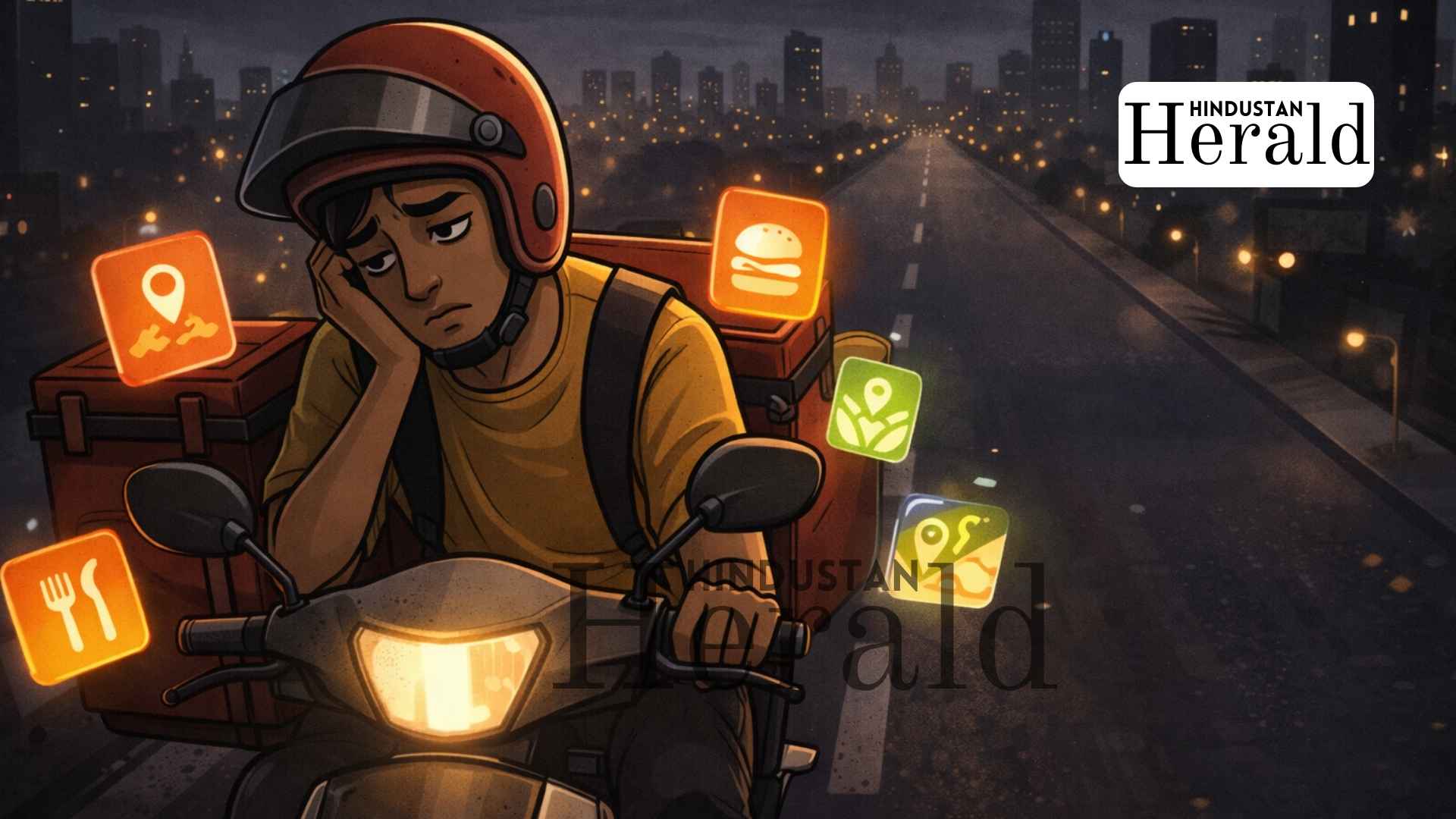
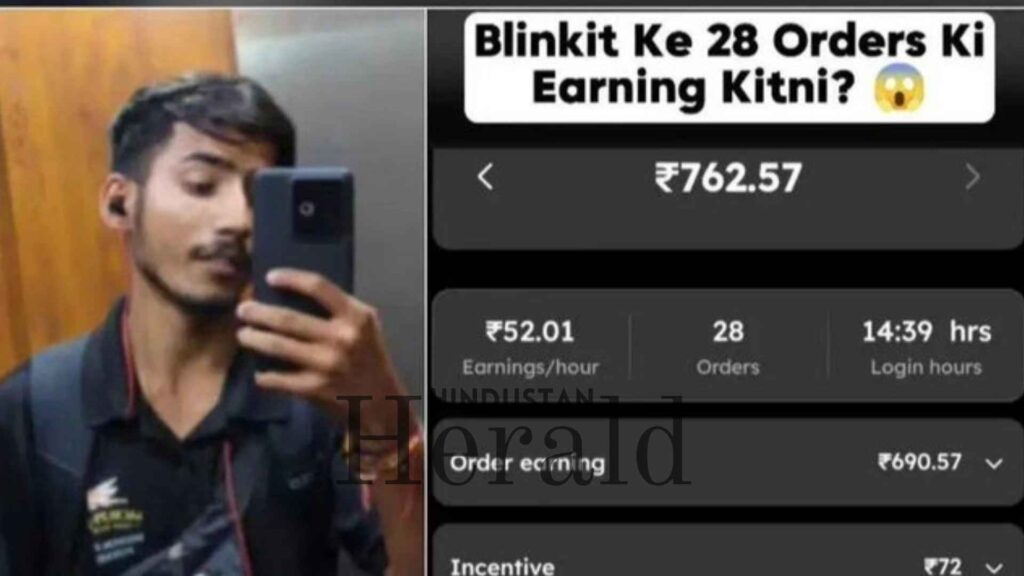
New Delhi, December 17: It began, as these things often do now, with a screenshot. No press conference. No policy paper. Just a single image doing the rounds online, showing what a Blinkit delivery rider took home after what looked like a punishing day. Nearly 15 hours logged in, 28 deliveries completed, and ₹763 earned. By evening, the screenshot had reached the floor of Parliament.

AAP Rajya Sabha MP Raghav Chadha picked it up and asked a question that landed hard. If this is what India calls a gig economy success story, who exactly is succeeding?
When the Numbers Stop Adding Up
According to Storyboard18, Chadha publicly flagged the rider’s earnings, saying the figures spoke for themselves. Roughly ₹50 an hour, before fuel, wear and tear, phone bills, or the simple fact that riding through traffic for 15 hours is not cost-free. Chadha’s argument was blunt. This was not a bad day or an outlier, he said. It was what happens when platforms chase scale while workers absorb the downside. On social media, he described it as “systemic exploitation hidden behind apps and algorithms”.

That line travelled fast. Because it resonated.
Anyone who has spoken to delivery workers over the last few years knows the pattern. Incentives that shift without warning. Targets that quietly creep upward. Long stretches of waiting time that do not count as work, until they suddenly do.
The Platform Math No One Sees
As of December 17, Blinkit has not issued a detailed public response addressing the specific screenshot. That absence has left room for a wider conversation, one that goes well beyond a single rider or company. Delivery platforms rely on algorithmic pay systems. Distance, demand, time slots, customer ratings, and surge windows all feed into what a worker earns. On paper, it sounds efficient. On the street, it often feels unpredictable.
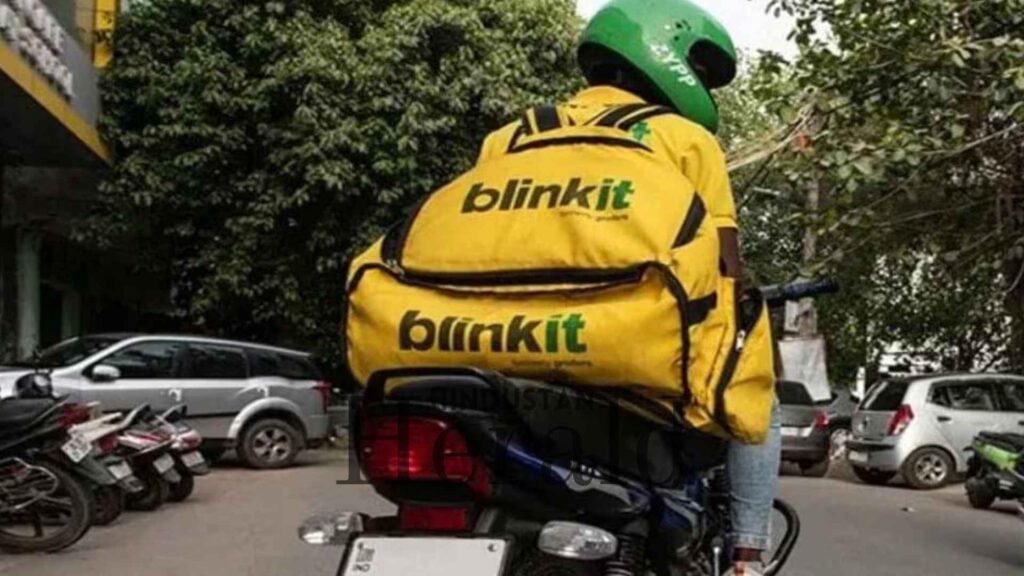
Companies have consistently argued that viral earnings posts show incomplete data or reflect non-peak hours. They point to higher averages during busy slots. Workers counter that averages mean little when rent, fuel, and food prices do not operate on averages. The flexibility that platforms advertise exists, but only to a point. Many riders say they stay logged in longer than planned because logging out early means missing incentives that make the day viable.
From a Phone Screen to Parliament
Chadha carried the issue into Parliament, raising it during a discussion involving Finance Minister Nirmala Sitharaman, according to NDTV Profit. He spoke about low effective pay, relentless delivery targets, and the absence of even basic protections for workers who keep India’s convenience economy running.
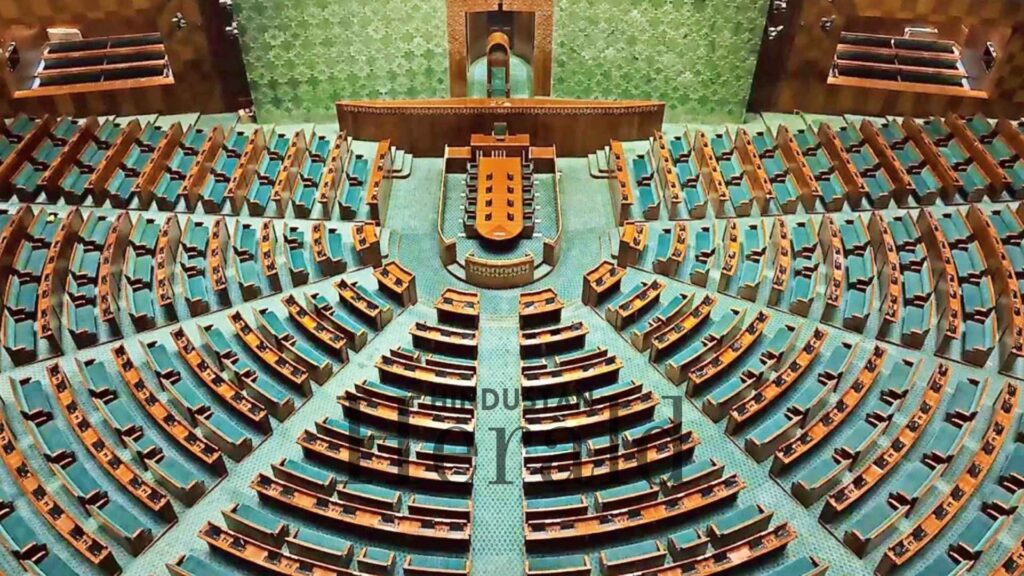
His larger point was simple. India cannot celebrate digital growth while ignoring the conditions under which that growth is delivered.
Gig workers, he argued, remain stuck in a grey zone. Platforms call them partners, not employees. That distinction matters. It means no guaranteed minimum wage. No provident fund. No paid leave. And very little clarity when accidents or health emergencies strike.
A Workforce Too Big to Ignore
The reason this debate refuses to die is scale. India’s gig workforce already runs into the millions. Estimates cited in policy discussions suggest around 7.7 million workers in 2020-21, with projections climbing to 23.5 million by 2029-30. These are not marginal numbers. This is a workforce powering food delivery, quick commerce, ride-hailing, and home services in every major city.
Governments have been happy to point to this sector as proof of job creation. Startups cite it as evidence of innovation. Consumers enjoy the speed. What gets less attention is how exposed workers are when demand dips, incentives change, or algorithms are tweaked overnight. The Code on Social Security, 2020, does recognise gig and platform workers. On paper, welfare schemes are possible. On the ground, very little has changed.
Public Reaction, Predictably Divided
Coverage across outlets like Financial Express shows how split the response has been. Many readers expressed anger, saying no full day of labour should end with earnings that low. Others warned against building an entire critique around one viral screenshot. Supporters of the platform model repeat a familiar defence. Gig work is optional. It is flexible. It is not meant to replace full-time jobs.
Workers respond with a reality check. Flexibility does not pay rent. And when living costs rise, “optional” hours start looking compulsory. Even among those who back the gig model, there is growing acceptance that pay calculations remain too opaque, and that transparency is long overdue.
The Politics Behind the Moment
For Raghav Chadha and the Aam Aadmi Party, the issue fits neatly into a broader political pitch around urban livelihoods and economic fairness. By raising it in Parliament, Chadha has ensured the conversation does not stay confined to social media outrage. Urban gig workers vote. They talk. They organise informally. And they are increasingly vocal about what the work actually looks like once the marketing gloss wears off.
As elections approach in multiple states, employment quality is beginning to matter as much as employment numbers.
An Uncomfortable Image That Lingers
No policy shift has followed the Blinkit rider episode. No regulator has stepped in. Platforms continue to operate as before. But something has shifted. A conversation that used to surface only after accidents or strikes is now playing out in the open. Questions around minimum pay floors, work-hour limits, and portable social security are back on the table.
As it turns out, the real issue is not whether India’s gig economy will continue to expand. It will. The question is whether it will do so by quietly normalising days that end with ₹763 after 15 hours, or whether the rules will finally reflect the reality faced by the people keeping the apps running.
For now, that screenshot remains unchanged from its original state. Hard to explain away. Harder to forget.
Stay ahead with Hindustan Herald — bringing you trusted news, sharp analysis, and stories that matter across Politics, Business, Technology, Sports, Entertainment, Lifestyle, and more.
Connect with us on Facebook, Instagram, X (Twitter), LinkedIn, YouTube, and join our Telegram community @hindustanherald for real-time updates.

Former financial consultant turned journalist, reporting on markets, industry trends, and economic policy.
- Kavita Iyer

- Kavita Iyer
- Kavita Iyer
- Kavita Iyer




 Ananya Sharma
  Rajiv Menon and Ananya Sharma