
 By Arun Upadhayay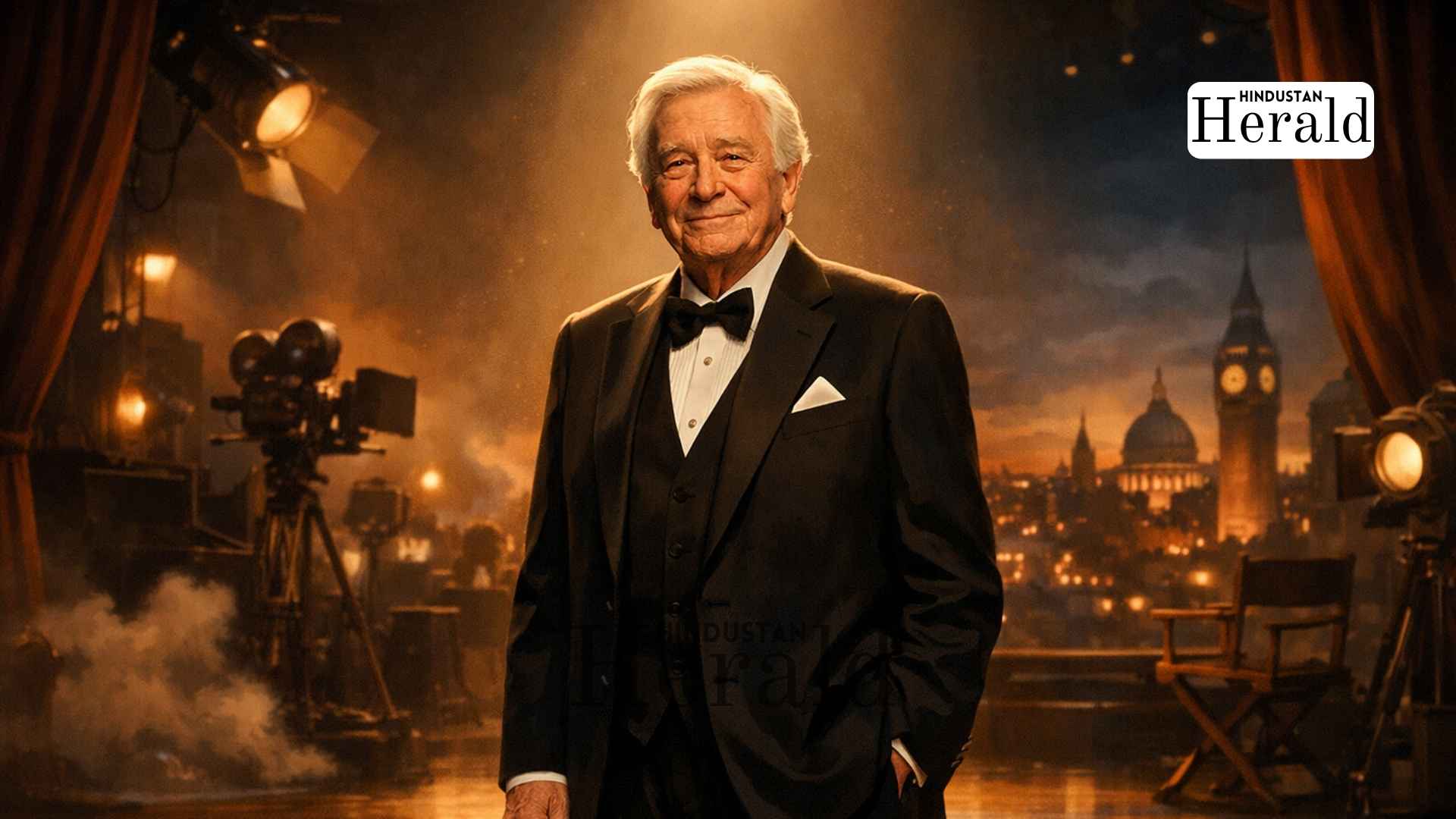
London, April 12: British actor John Nolan, a veteran of stage and screen whose decades-long career wound through Shakespeare, the BBC, and eventually some of Hollywood’s biggest blockbusters, died on Saturday, April 11, 2026. He was 87. His death was first confirmed by the Stratford-Upon-Avon Herald, the local newspaper of the town where he had spent much of his later life. No cause of death has been officially disclosed.
To casual viewers, the name John Nolan might not have rung instant bells. But put his face on screen in Batman Begins or his voice into a scene of Person of Interest, and something clicked. He was that actor whose presence told you the story had weight behind it. Unhurried. Precise. Deeply, unmistakably trained. He was also, as it happens, the paternal uncle of filmmaker Christopher Nolan and screenwriter-producer Jonathan Nolan, a family connection that shaped his later international visibility without ever fully defining who he was.
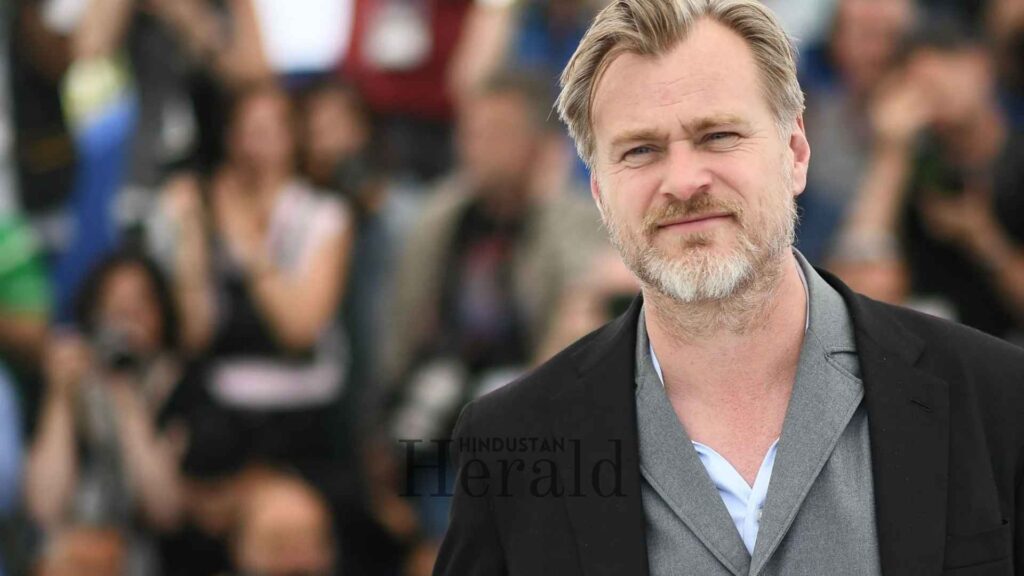
Christopher Nolan, in a statement shared on Saturday, described his uncle as “the first artist I knew” and said John had taught him “more than anyone about the search for truth in acting and the joys of creative achievement,” adding that he misses him terribly but takes comfort in memories of working together.
The Stage Before the Screen
John Francis Nolan was born in London on May 22, 1938, the younger brother of Brendan Nolan, who would later become the father of Christopher and Jonathan. He came of age in a Britain still reassembling itself after the Second World War, and like many young men drawn to the arts in that era, he found his footing through rigorous classical training.
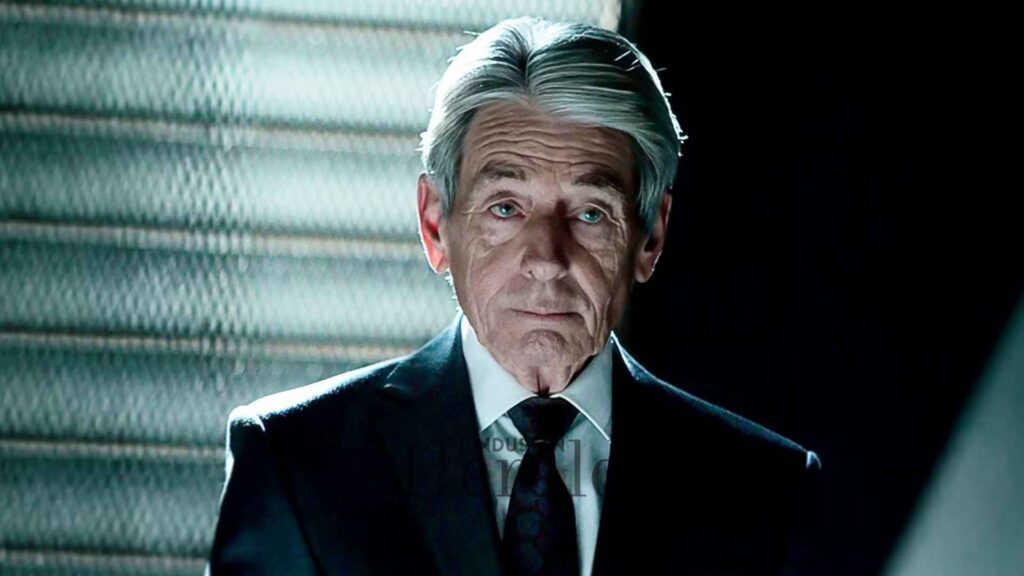
He was among the first students at London’s Drama Centre, one of the more demanding acting conservatories of its time. His early career saw him tour Ireland with a travelling “Fit Up” theater company before landing the role of Romeo opposite Francesca Annis at the Richmond Theatre in London. That pairing alone was notable. Annis would go on to become one of Britain’s most respected actresses. For Nolan, it signalled that he belonged in serious company.
He joined the Royal Court Company before moving to the Royal Shakespeare Company, where his credits included Clitus in Julius Caesar, roles in The Merry Wives of Windsor, and productions directed by Trevor Nunn. He later became a member of Nunn’s National Theatre ensemble company.
Over the years, Nolan worked his way through much of the major male Shakespearean canon, aging into the roles as naturally as the parts demanded, from Romeo in his youth through Hamlet, Richard II, Oberon, and more. This was not a career built on shortcuts. It was the kind of classical grounding that made everything else he did look effortless.
Early Television and the BBC Years
Nolan’s transition to television was gradual and steady. After his stint with the RSC, he took the title role in the acclaimed 1970 BBC miniseries Daniel Deronda, adapted from George Eliot’s 1876 novel, playing the heroic young man at the center of the story. The production was well-received and gave Nolan his first real national profile on British television.
That same year, he was cast as scientist Geoff Hardcastle in the BBC environmental drama Doomwatch, a role he held through the show’s first two seasons from 1970 to 1971. The series was ahead of its time in many ways, dealing with ecological disaster and corporate negligence, and Nolan brought the kind of quiet authority to his character that the show required.
His television credits across the 1970s and 1980s included shows like The Prisoner, The Sweeney, and Silent Witness, as well as the 1973 miniseries Shabby Tiger, in which he played Nick Faunt. On film, his credits included Bequest to the Nation, Terror, and The World Is Full of Married Men, along with an appearance in General Hospital and Enemy at the Door.
In the early 1980s, Nolan co-wrote and starred in a Dostoyevsky trilogy for the Bristol New Vic company and later played Thoreau in The Night Thoreau Spent in Jail. This was a man who did not simply act in stories. He helped shape them.
The Nolan Family Connection
There is something worth pausing on here, because the relationship between John Nolan and his nephews was not simply a case of a famous director offering a relative a job. The influence, by most accounts, ran in both directions and ran deep.
John Nolan’s long absence from screens was broken in 1998 when his nephew Christopher cast him in a small role in his early independent film Following. Christopher Nolan was still an unknown filmmaker at that point, working on a micro-budget with friends. His uncle’s participation was a gesture of faith as much as anything.
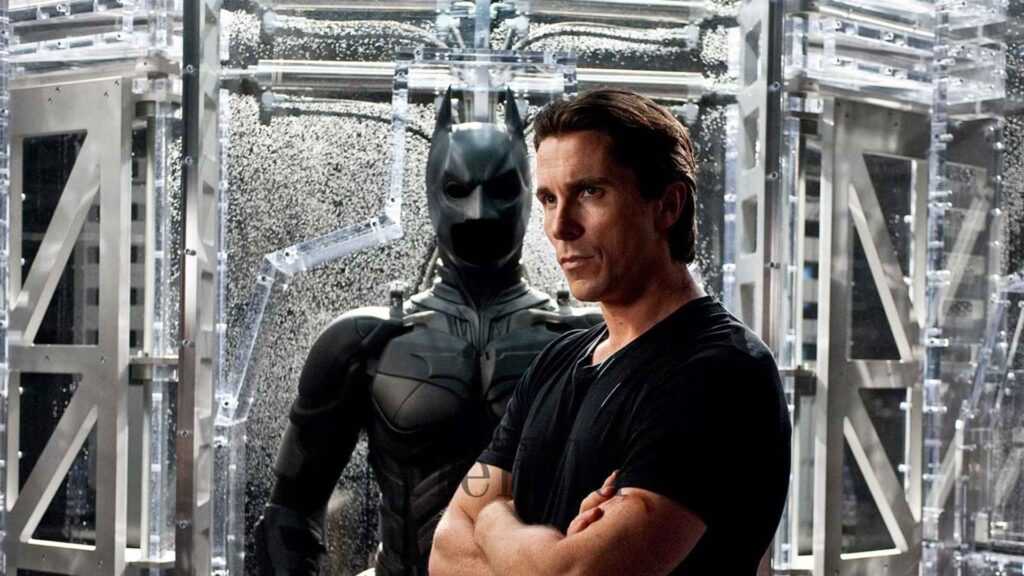
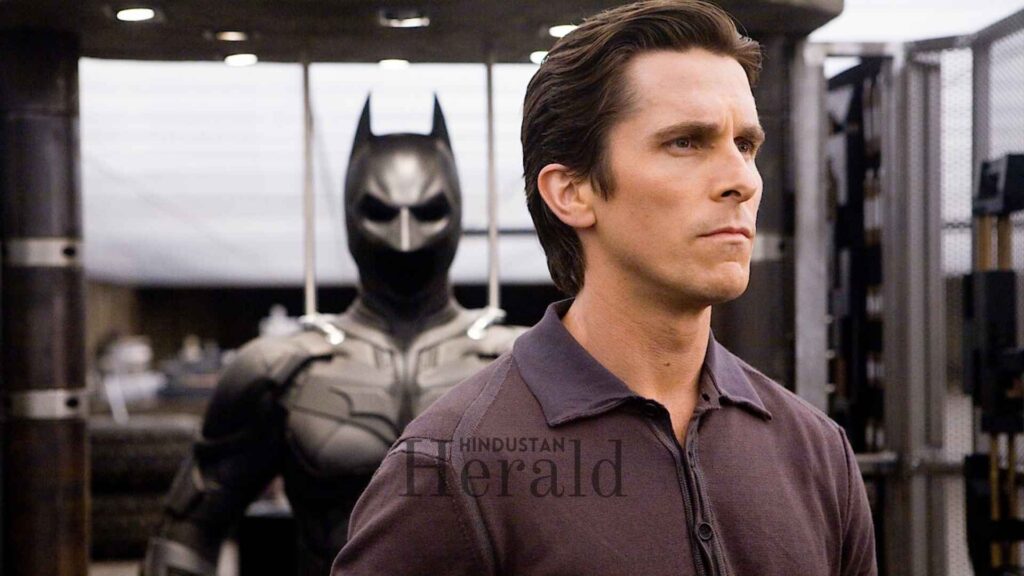
When Christopher Nolan’s career exploded with the Batman franchise, John came with him. He played Wayne Enterprises board member Douglas Fredericks in Batman Begins in 2005 and The Dark Knight Rises in 2012, both starring Christian Bale, and also appeared in Dunkirk in 2017.
His board member Fredericks, does not have huge screen time in either film, but his role as an old friend of Bruce Wayne’s parents gives him an emotional weight that lands harder than the part’s size might suggest. A disapproving line like “The apple has fallen very far from the tree, Mr. Wayne,” delivered in his signature low, measured purr, carries the kind of authority that only a deeply trained actor can generate in a single sentence.
Still, it was television that gave him the widest international audience in his final active years.
John Greer and Person of Interest
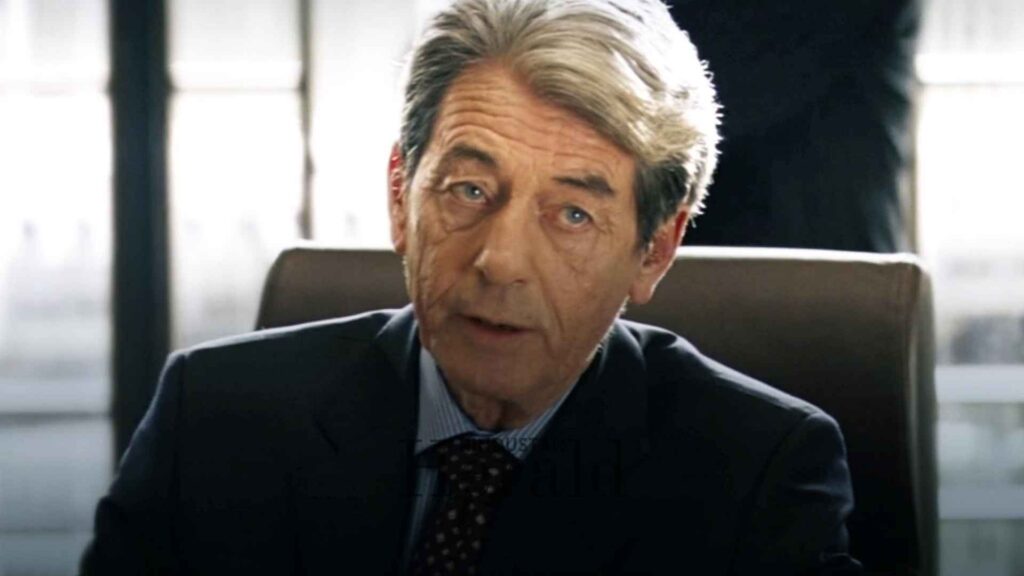
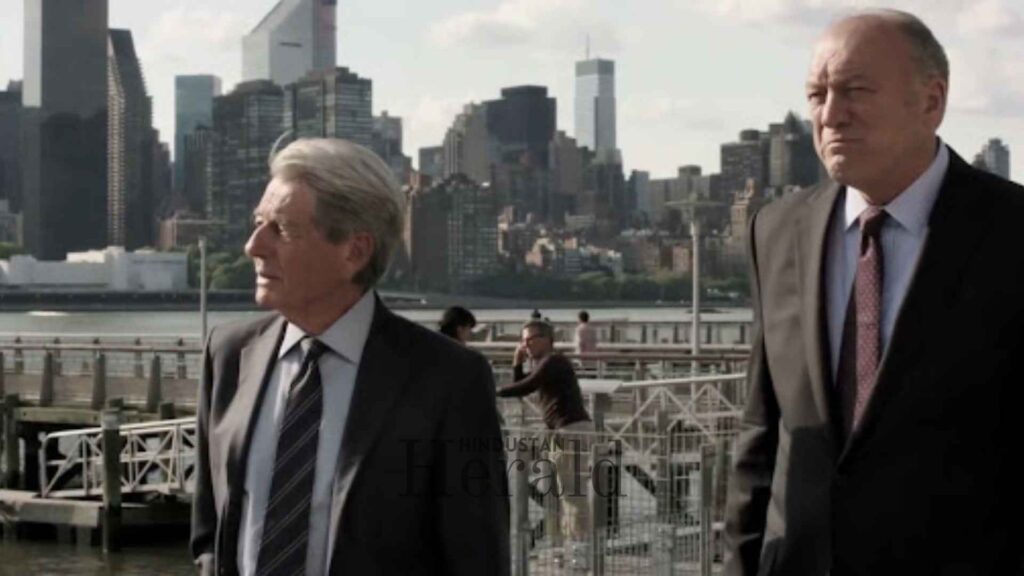
Jonathan Nolan, Christopher’s younger brother and co-writer of The Dark Knight Rises, created the CBS drama Person of Interest and brought his uncle into the show during its second season in 2013, casting him as John Greer, a former MI6 agent running Decima Technologies and serving as the main antagonist from seasons three through five.
What was initially conceived as a smaller role expanded significantly as the show found its audience and its ambition. Greer became one of the series’ most memorable figures, a cold, ideologically committed villain whose motivations were chillingly rational rather than cartoonishly evil. Nolan played him with a stillness that made every scene he occupied feel slightly dangerous.
His character appeared from the second season through the fifth and final season in 2016. For audiences who had never caught his BBC work or seen him on a London stage, Person of Interest was their introduction to John Nolan. Many of them had no idea they were watching a classically trained stage actor with nearly half a century of craft behind him.
Later Years and Final Performance
Nolan had also worked as a theater director and teacher at Stratford College, passing on to younger generations the same rigorous approach to performance that had shaped his own career. His wife described him as “a popular and talented teacher, whether explaining a Shakespeare soliloquy or how to swing a golf club.”
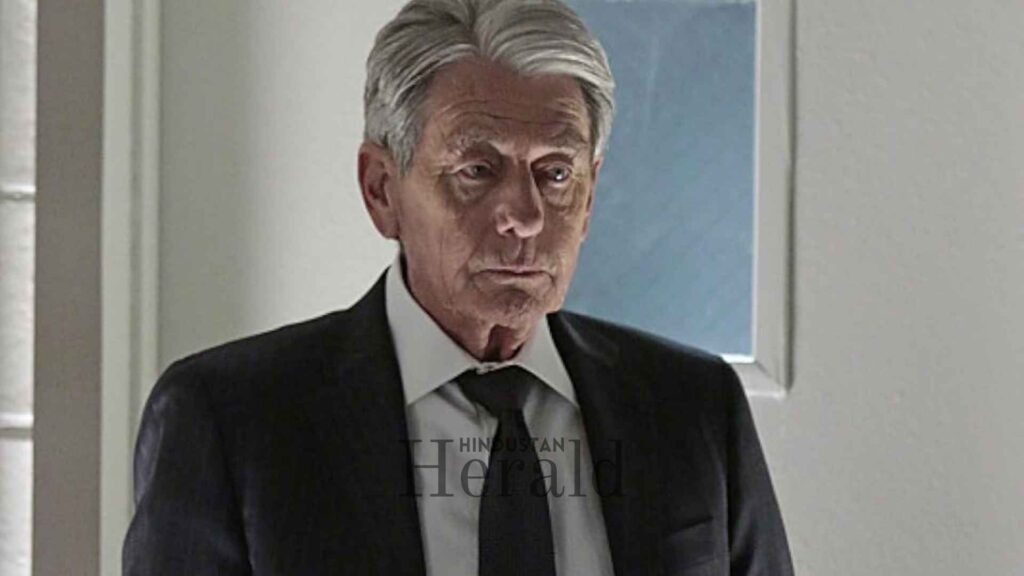
He gave his final screen performance at the age of 85, playing the Speaker of the Hall in The Dune Prophecy for Sky Atlantic. Performing at 85, in a major fantasy production, after a career that began in a travelling Irish theater company in the late 1950s. That says something about the man’s staying power.
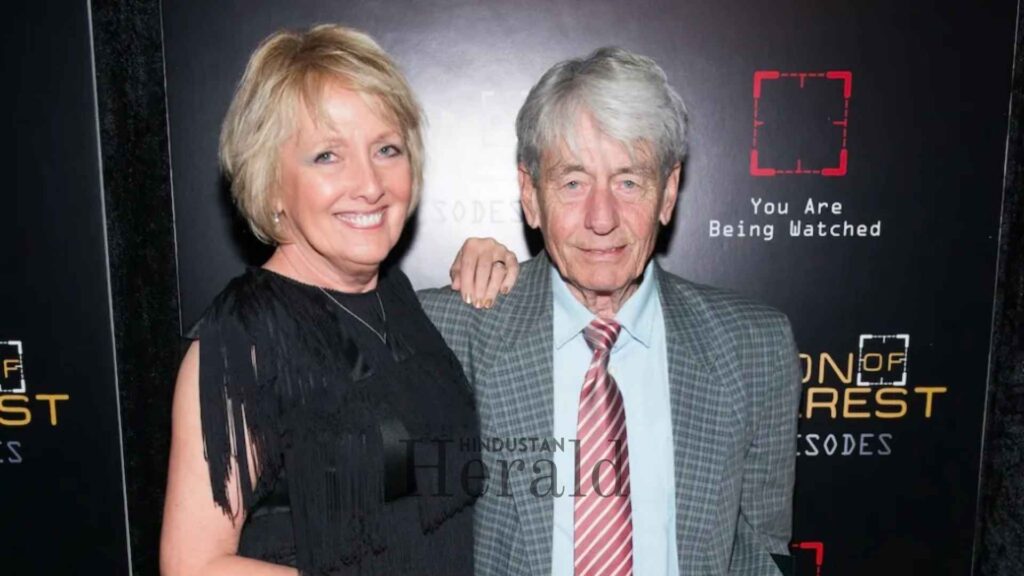
His wife Kim Hartman, herself an actress, described him to the Stratford-Upon-Avon Herald as “a free spirit, who always knew what he wanted and acted on his own terms; the only truly original thinker I think I ever knew.” She added that he was “articulate, intelligent and with an anarchic wit” and “the kindest person I ever knew.”
He is survived by Kim, their children Miranda and Tom, and grandchildren Dylan and Kara.
A Biopic: John Nolan, 1938-2026
John Francis Nolan arrived in the world on May 22, 1938, in London, England, the younger brother of Brendan Nolan. The city he was born into was still shaped by the shadow of a coming war, and the Britain he grew up in after 1945 was one being cautiously and unevenly rebuilt. Somewhere in that postwar landscape, a young man with a particular sensitivity to language and performance found his way to the stage.
He trained at the Drama Centre in London, one of the first cohorts of students at an institution that would go on to produce some of Britain’s most respected actors. The training was rigorous, grounded in an approach that treated acting not as performance but as inquiry. You did not pretend to feel something. You found the truth in it, or you found nothing at all. John Nolan absorbed that lesson completely.
His early career took him across Ireland with a travelling theater company, a circuit that was rough and formative in equal measure. He learned to hold a room with nothing but voice and stillness. Back in London, he was cast as Romeo at the Richmond Theatre opposite Francesca Annis, a production that told anyone watching that this was not an ordinary young actor.
The Royal Court followed, then the Royal Shakespeare Company, where he played Clitus in Julius Caesar, stepped into roles in The Merry Wives of Windsor, and worked under Trevor Nunn, eventually joining Nunn’s National Theatre ensemble. By his early thirties, John Nolan had worked his way through Shakespeare with the patience of a craftsman. Romeo in youth, then Hamlet, then the older kings and magical figures. He did not rush it.
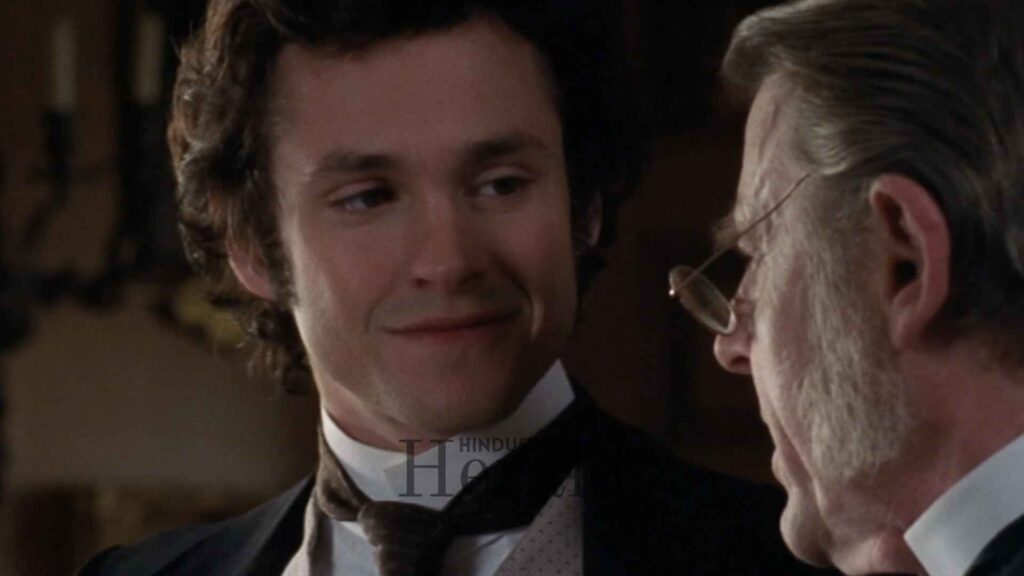
Television found him in 1970. The BBC cast him in the title role of Daniel Deronda, the George Eliot adaptation, and audiences across Britain saw, perhaps for the first time, what the stage had known for a decade. He was commanding without being showy. Present in a way the camera loved. That same year, he joined Doomwatch as the scientist Geoff Hardcastle, staying with the environmental drama through its first two seasons.
The 1970s brought more television work and a scattering of films, Bequest to the Nation, Terror, Shabby Tiger, and The Sweeney. He was never the lead of a blockbuster, but he was always worth watching, the kind of actor whose entrance in a scene told you something important was about to be said. In the early 1980s, he co-wrote and starred in a Dostoyevsky trilogy for the Bristol New Vic. He played Thoreau. He was drawn, consistently, toward material that demanded intellectual seriousness.
Then came a long period of relative quiet from major screens. He worked in theater, directed productions, and taught at Stratford College. Students who trained under him in those years have spoken since of how generously he shared what he knew, how patient he was with the process, how demanding he was of honesty in performance.
In 1998, his nephew Christopher, then barely known outside a small circle of film obsessives, cast him in Following. It was a micro-budget thriller shot in black and white over weekends in London. John Nolan showed up. That gesture of faith in family, or perhaps faith in the work, set the pattern for everything that followed between them.
When Christopher Nolan made Batman Begins in 2005, John was there as Douglas Fredericks, a Wayne Enterprises board member with a long institutional memory and a quietly disappointed relationship with Bruce Wayne’s choices. He returned for The Dark Knight Rises in 2012, and appeared again in Dunkirk in 2017, a film about ordinary men caught in an extraordinary tide of history.
Jonathan Nolan, his other nephew, brought him to American television audiences through Person of Interest. What was supposed to be a minor arc became, across four seasons, one of the show’s most compelling presences. John Greer, a former MI6, now running a private technology empire with plans for artificial superintelligence, was a villain who believed completely in what he was doing. Nolan played him with a terrifying calm. No scenery-chewing. Just the quiet certainty of a man who has decided the ends justify everything.
He worked until he was 85, his final credit was the Speaker of the Hall in The Dune Prophecy, a fantasy series for Sky Atlantic. A career that began on the stages of London and the roads of Ireland ended in the world of Arrakis. Something is fitting about that, a man who had played every kind of human drama finally stepping into myth.
John Nolan died on April 11, 2026, at the age of 87. He died as he had lived, in the company of people who loved him, in Stratford-upon-Avon, the town most famously associated with Shakespeare, the playwright whose words he had spent a lifetime serving.
His wife said he was the kindest person she had ever known and that animals loved him. His nephew said he was the first artist he knew. His students remember a teacher who made honesty feel like the only option. His audiences, scattered across decades and continents and platforms, remember a voice and a face that always, always meant business.
That is a life. That is a career. That is enough.
Stay ahead with Hindustan Herald — bringing you trusted news, sharp analysis, and stories that matter across Politics, Business, Technology, Sports, Entertainment, Lifestyle, and more.
Connect with us on Facebook, Instagram, X (Twitter), LinkedIn, YouTube, and join our Telegram community @hindustanherald for real-time updates.

- Arun Upadhayay

- Arun Upadhayay
- Arun Upadhayay
- Arun Upadhayay




 Ayesha Khan