By Ananya Sharma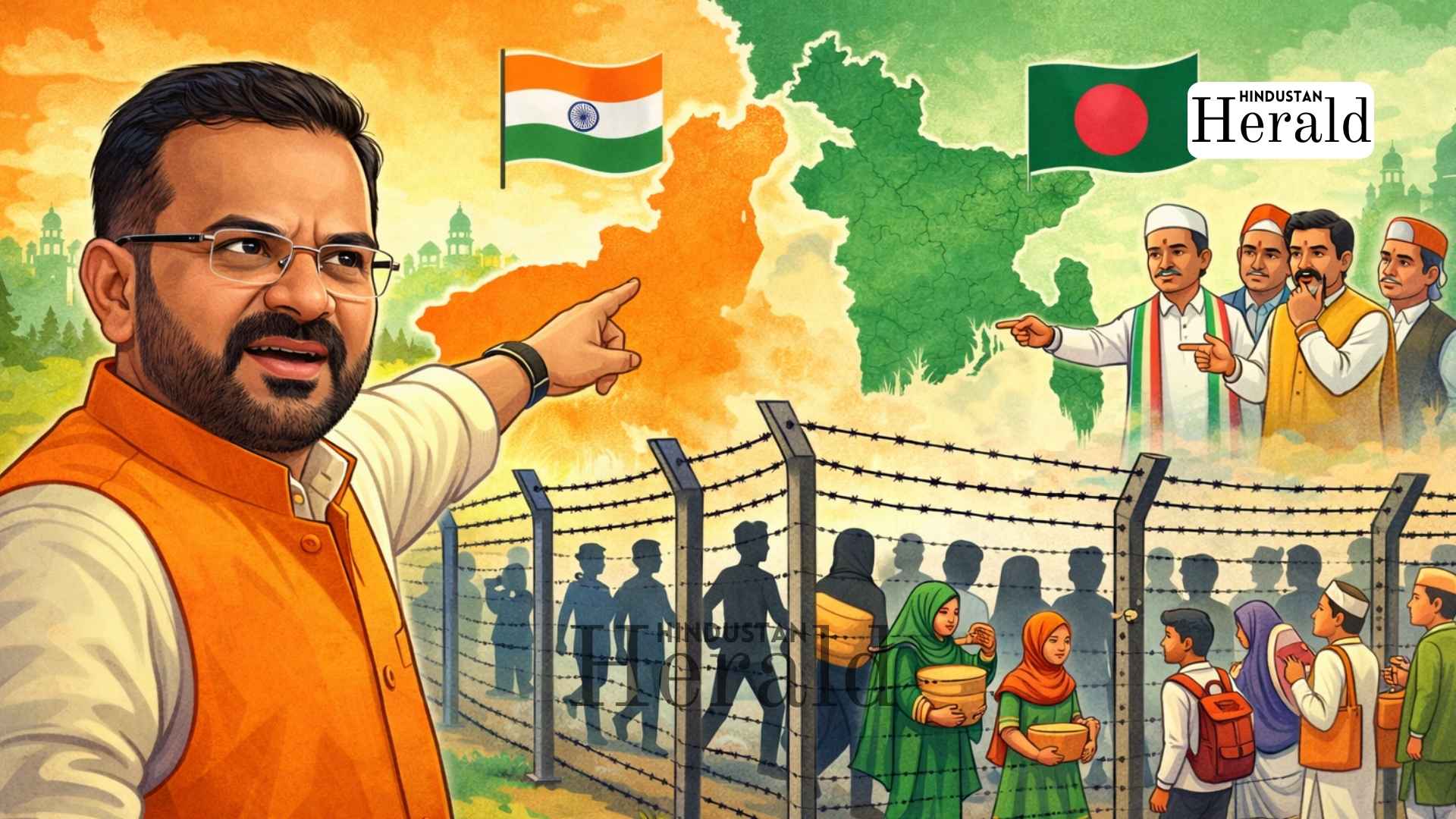
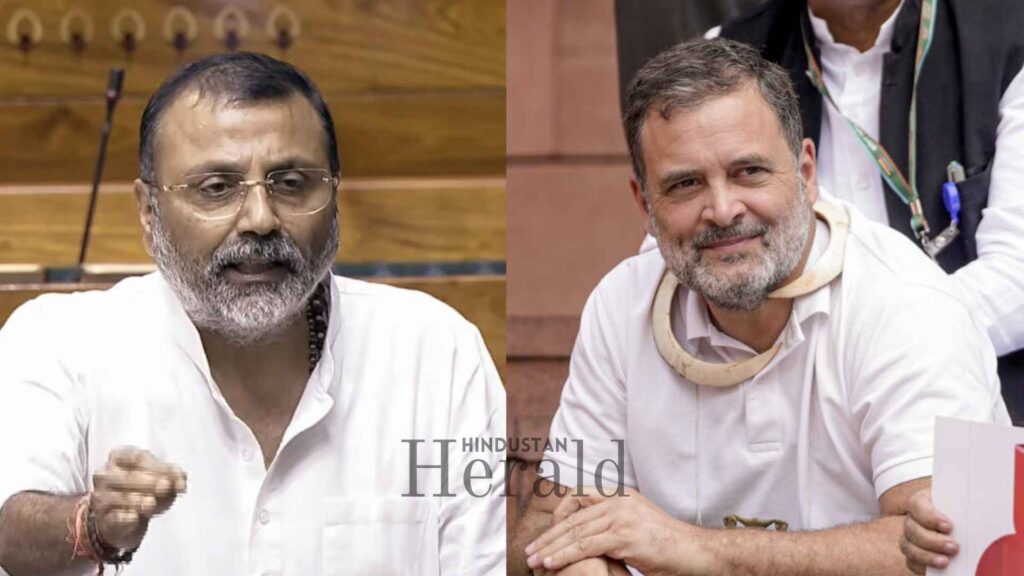
New Delhi, March 19: BJP MP Nishikant Dubey dropped a political bomb on Wednesday. He accused the Congress party of deliberately letting Bangladeshi immigrants pour into India through a backdoor written into a 1972 treaty, and then protecting that arrangement for decades because it filled up their vote banks.
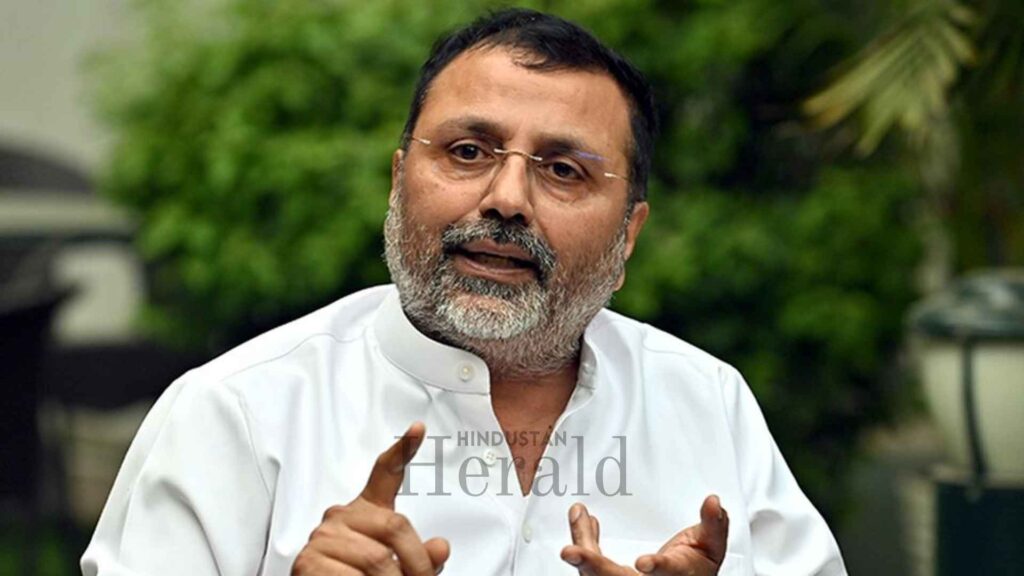
The charge is blunt, the timing is sharp, and Congress has no answer for it yet.
A Treaty, a Border, and a Very Convenient Loophole
Here is the background. In 1972, when Indira Gandhi was Prime Minister, India and the newly born Bangladesh signed a trade agreement. One clause in that agreement allowed people living within a 16-kilometre stretch on either side of the border to cross over for daily trade purposes. The states covered were West Bengal, Assam, Meghalaya, Tripura, and Mizoram.
On paper, this was a humanitarian gesture. People in remote border villages needed milk, grain, and firewood. Making them go through full customs procedures for a bag of onions made no sense.
Dubey says that is where the story ends officially. But on the ground, he claims, this 16 km window became something else entirely. No serious enforcement. No proper checks. Over fifty years, millions of Bangladeshis allegedly walked in and never walked back.
His core accusation is not just that the system failed. It is because Congress let it fail on purpose.
The Numbers That Are Causing Outrage
Dubey put a specific case on the table. Santhal Pargana in Jharkhand, one of India’s most historically significant tribal belts.
In 1951, the tribal population there was around 45%. Today, he says, it has crashed to 24%. In the same period, the Muslim population has climbed from 9% to over 25%.
Now, demographers will tell you population shifts are complicated. Migration, birth rates, inter-district movement, and economic factors all play a role. No single cause explains everything. That caveat matters.
But here is the political reality. For the communities living in Santhal Pargana, watching their numbers shrink on their own ancestral land, Dubey’s argument does not need a footnote. It lands like a gut punch.
What Congress Agreed To, and What They Are Saying Now
The 1972 Indo-Bangladesh Trade Agreement is a real document. The 16 km border belt provision is in it. What it was supposed to do and what Dubey claims it actually did are two very different things.
The agreement’s language, as per official records, framed the border crossing as limited and permit-based. Permanent settlement was not on the table. Voting rights were not on the table. Access to Indian public services was not on the table.
As it turns out, Congress has not challenged Dubey’s reading of the treaty in any detailed way. Their response so far has been broad strokes. Party spokespersons called his campaign “baseless” and a “distraction”. No treaty text, no counter-figures, no alternative explanation for the demographic data he cited.
When the party with the most to lose goes quiet on specifics, people notice.
Mamata Is Also in the Firing Line
Dubey did not limit himself to Congress. West Bengal Chief Minister Mamata Banerjee caught it too.
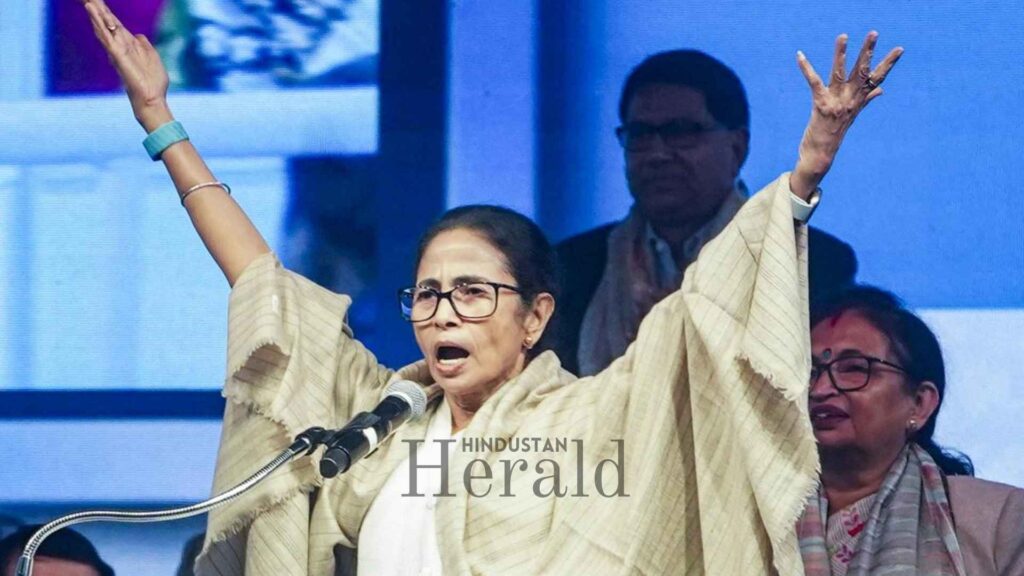
The Election Commission of India is currently running a Special Intensive Revision (SIR) of voter rolls ahead of the April 2026 assembly elections. The exercise is meant to clean out duplicate entries and ineligible names from the lists. Mamata’s Trinamool Congress is opposing it hard.
Dubey’s take is simple. She is opposing it because she does not want those names removed.
Trinamool’s official position is different. They say the process is being rushed, is procedurally sloppy, and could end up deleting legitimate voters, especially from minority and migrant communities. Their lawyers are reportedly looking at legal options, according to sources cited by The Hindu.
Both sides are technically making procedural arguments. But everyone in the room knows this fight is about who gets to vote in Bengal come April.
Why This is Bigger Than One MP’s Press Conference
Nishikant Dubey is not freelancing here. His “Congress Ka Kala Adhyay” series, which translates to Black Chapter of Congress, started on March 17 and is running like a daily drip of accusations timed to build pressure through the election campaign.
The immigration issue has been the spine of BJP politics in the northeast for over a decade. The Citizenship Amendment Act in 2019. The NRC process in Assam. The fencing drives along the Bengal border. It is the same argument dressed in different clothes depending on the season.
What is different this time is the attempt to get specific. A treaty date. A clause number. Demographic figures tied to a named district. That is a shift from general rhetoric toward something that looks more like a documented case. Whether the case actually holds up under scrutiny is a separate question. The political effect does not wait for the fact-check.
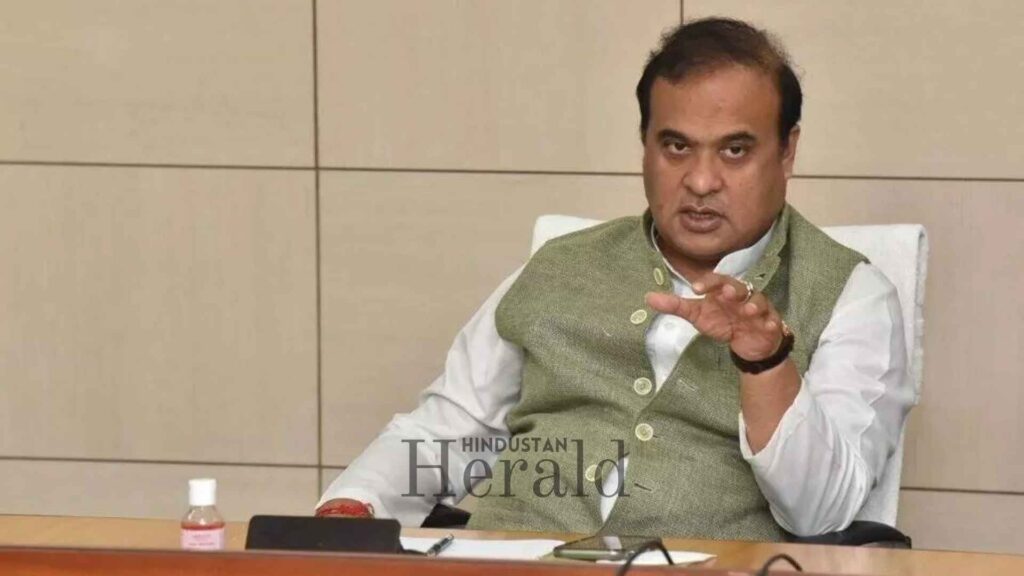
Assam CM Himanta Biswa Sarma has been pushing for a fresh NRC update in his state for months. The Centre has not cleared it formally. If Dubey’s campaign builds enough public pressure, that calculation could change fast.
Where Things Stand
Congress is on the back foot. They have not engaged the 1972 claim directly, and every day they do not, Dubey’s version of events fills the space.
Trinamool is fighting the voter roll battle in courts and press conferences, but the optics of opposing a clean-up exercise are not easy to manage.
And in West Bengal and Assam, where assembly elections are weeks away, voters in border districts are hearing a very simple message: your neighbourhood changed, here is who allowed it, and here is the paper trail.
Simple messages in election season have a way of cutting through everything else.
Stay ahead with Hindustan Herald — bringing you trusted news, sharp analysis, and stories that matter across Politics, Business, Technology, Sports, Entertainment, Lifestyle, and more.
Connect with us on Facebook, Instagram, X (Twitter), LinkedIn, YouTube, and join our Telegram community @hindustanherald for real-time updates.

Covers Indian politics, governance, and policy developments with over a decade of experience in political reporting.
- Ananya Sharma

- Ananya Sharma
- Ananya Sharma
- Ananya Sharma