 By Sandeep Verma
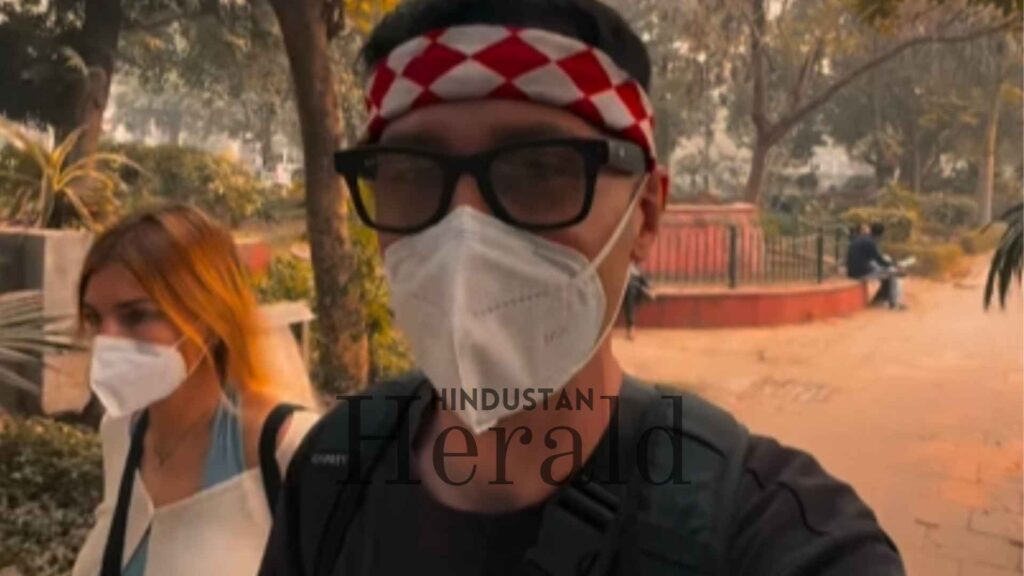
New Delhi, December 16: A short video posted by Alex Wanders, a British travel vlogger, described Delhi’s air as a “public health emergency”. The phrase travelled fast. Within hours, it was being reshared across Instagram and Facebook, mixed with screenshots of air quality readings and comments from residents who felt the description was overdue.

It was not an official declaration. But it landed because the conditions outside matched the words on the screen.
Where The Claim Comes From
In his video, Wanders points to AQI readings above 700, calling the air dangerous and unlivable. He speaks as an outsider, not as an activist or policymaker, and that is part of why the post spread. It was blunt, unfiltered, and free of bureaucratic language. Some users pushed back, accusing him of sensationalism. Others asked why it takes a foreigner to say what residents have lived with for years.
As of December 16, 2025, it bears repeating that no Indian authority has officially declared a public health emergency due to air pollution in Delhi. The wording belongs to social media, not the state.
But the numbers backing the concern are not invented.
Air Quality That Crossed The Line
According to multiple reports by Navbharat Times, parts of Delhi have recorded air quality levels that sit well beyond the “severe” category. In Greater Kailash, AQI reportedly crossed 756, a range doctors consider hazardous even for brief exposure. At this level, pollution is not just uncomfortable. It actively harms. Fine particulate matter enters the lungs, slips into the bloodstream, and worsens existing respiratory and cardiac conditions.

Reacting to the readings, former Puducherry Lieutenant Governor Kiran Bedi described the situation as “survival of the fittest”. The remark struck a nerve because it echoed how many residents already feel.
Hospitals Seeing The Consequences
The impact is showing up where it matters most. Hospitals across the capital are reporting a clear rise in patients. According to Navbharat Times, there has been a 20 percent increase in cases related to respiratory illness, allergies, colds, and heart complications. Doctors quoted in the report link the surge directly to pollution. Emergency rooms are seeing more cases of breathlessness and chest discomfort. Outpatient departments are filled with patients who have stopped expecting relief and are now just trying to cope.
Physicians also warn that the worst effects are often invisible. Children exposed year after year risk long-term lung damage. Older adults face higher cardiac stress. Even healthy adults are not spared when exposure stretches across weeks.
Life Put On Pause, Again
For families, the crisis plays out quietly. Parents are keeping children indoors. Morning walks have disappeared from parks. Windows stay shut even during the day. A LocalCircles survey cited by Navbharat Times found that a large number of residents now believe Delhi’s air is simply not fit to breathe. Several schools across Delhi and NCR have reportedly shifted back to online classes, particularly for younger students.
The disruption feels familiar. Another winter. Another round of adjustments. Another season where normal life bends around pollution instead of policy.
Why Social Media Keeps Leading The Conversation
The Wanders video is not an outlier. Another viral post, also reported by Navbharat Times, compared Delhi-NCR with other Indian cities across pollution, traffic, and overall quality of life. The tone was unsparing. The response was fierce. These posts gain traction because they say aloud what residents often feel powerless to change. When an outsider voices it, the discomfort sharpens.
Still, social media is a mirror, not a diagnosis. It reflects frustration, but it cannot replace policy or public health planning.
The Word Governments Avoid
Calling something a public health emergency is not just semantic. In India, the term carries legal and administrative consequences. It invites scrutiny, demands accountability, and opens the door to extraordinary measures. Successive governments have avoided that language for air pollution, opting instead for advisories and graded responses. Critics argue this understates the scale of harm.
Public health experts increasingly describe air pollution as a slow-moving emergency, one without lockdowns or press briefings, but with lasting damage. Global studies consistently rank India among the worst affected. Seen in that light, the language used by Alex Wanders may not be official, but it aligns with what many doctors have been warning for years.
A Crisis That No Longer Shocks
Delhi’s pollution story is old. Crop burning, traffic emissions, construction dust, industrial activity, and winter weather converge every year. Temporary measures arrive late and retreat with the season. What has changed is public patience. Record AQI numbers no longer shock. They are expected. Viral videos do not alarm so much as confirm.
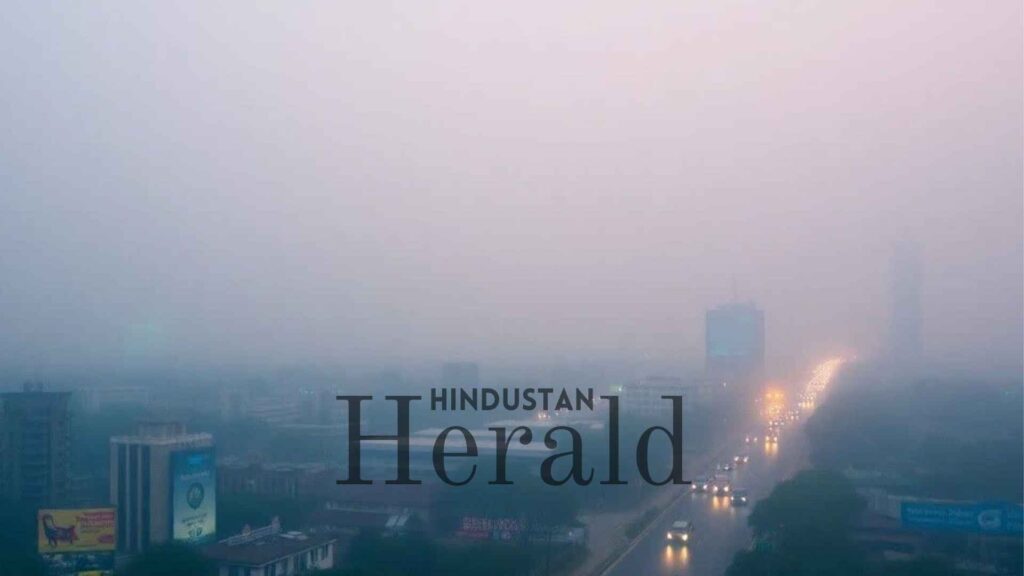
As winter deepens, advisories will continue, restrictions will shift, and eventually the air will improve with the weather. It always does. What remains unanswered is simpler and harder. If this does not qualify as a public health emergency, then what does?
Stay ahead with Hindustan Herald — bringing you trusted news, sharp analysis, and stories that matter across Politics, Business, Technology, Sports, Entertainment, Lifestyle, and more.
Connect with us on Facebook, Instagram, X (Twitter), LinkedIn, YouTube, and join our Telegram community @hindustanherald for real-time updates.

Regional journalist bringing grassroots perspectives and stories from towns and cities across India.
- Sandeep Verma

- Sandeep Verma
- Sandeep Verma
- Sandeep Verma