
 By Ayesha Khan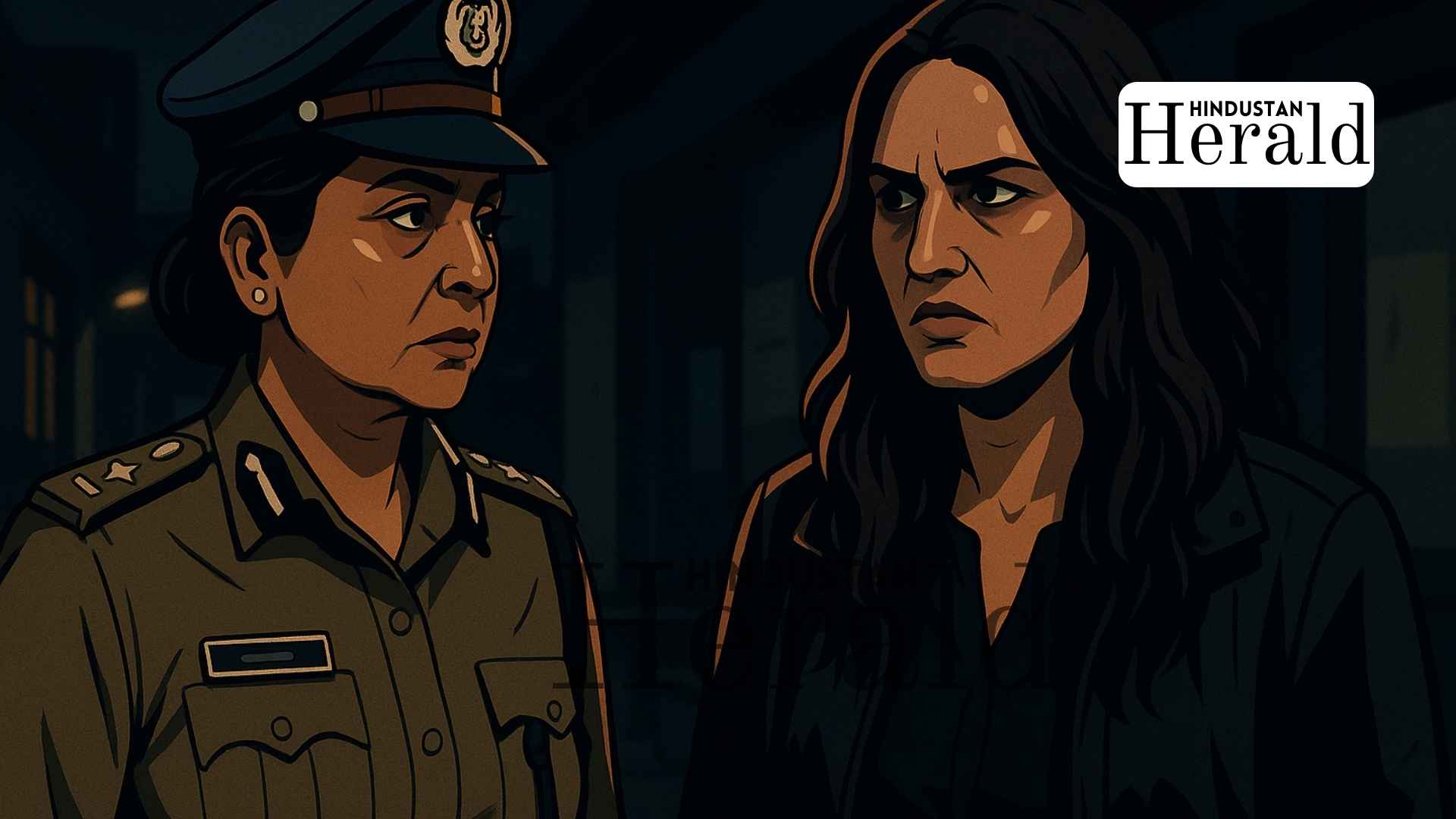
New Delhi, November 13: The third season of Delhi Crime slipped onto Netflix this morning, and it doesn’t try to shock its way into attention. It moves slowly, almost cautiously, and that actually gives it more force. The new chapter tracks the trafficking of young girls through routes that barely raise eyebrows anymore, and it brings DIG Vartika Chaturvedi back to the capital at a time when she looks like she’s running on resolve more than hope.
She returns from Assam carrying the kind of exhaustion that doesn’t come from long hours, but from years of watching cases fall apart for reasons no training academy can prepare an officer for. Her first steps back into Delhi make it clear she isn’t looking for redemption or glory. She’s just trying to keep the ground from slipping further.

The criminal network, outlined earlier by Bollywood Hungama, isn’t dramatic. It’s persistent. People who understand that coordinated policing across states is rarely as smooth as it sounds on paper. They move girls like cargo because they know the system can’t keep up.
A Crime Drama That Refuses To Become Entertainment
This season doesn’t glamorise anything. It doesn’t frame trafficking as a mystery to be cracked. It shows it as a routine tragedy that unfolds in police logbooks long before anyone realizes what’s happening. Families come in with reports of missing daughters, their voices coloured with panic and defeat. Officers split their attention across too many files. And the show lets these moments breathe without rushing to the next twist.
It’s not built for thrills. It’s built to make viewers sit with the discomfort of how ordinary this crime looks in real life. That said, the investigation has a steady rhythm. It never pretends that determination alone is enough, but it lets Vartika push through the inertia piece by piece.
Shefali Shah Continues To Hold The Center With Quiet Precision
Reviewers may disagree on the season’s overall impact, but they’re aligned on one thing. Shefali Shah anchors the story with the same clarity and restraint that defined the earlier seasons. NDTV notes that she remains compelling even if the new season doesn’t aim for the same intensity. The Indian Express points to the show’s tautness, much of which comes from Shah’s ability to hold tension without raising her voice.

Her performance this time carries a deeper weariness. She thinks before she reacts. She holds back when she needs to. That quiet control gives the series a realism that scripted urgency can’t replicate. You can sense that she’s seen this world long enough to know when victory is simply getting through the day.
Huma Qureshi Brings A Villain Who Feels Uncomfortably Real
The biggest jolt this season comes from Huma Qureshi, who plays the antagonist with a calmness that makes her more disturbing. Scroll.in mentions that she steals the spotlight, and it’s not surprising. She doesn’t behave like a larger-than-life criminal. She behaves like someone who learned early that the world rarely punishes people like her.

She’s controlled, sharp, and never overplayed. That restraint makes her an unsettling presence, especially when weighed against the vulnerable girls caught in the trafficking chain. She isn’t portrayed as a monster. She’s portrayed as a product of the same broken system the police are trying to confront.
Netflix Tries To Take The Story Beyond Its Usual Viewers
By releasing the season in Hindi, Tamil, Telugu, and English, with subtitles across regions, Netflix has signaled that it wants this story to travel further than before. 123Telugu points out that this multilingual push wasn’t routine. It’s a strategic attempt to widen the show’s reach, especially since trafficking isn’t a problem tied to one language or region.
Early chatter shows viewers from smaller cities and non-Hindi-speaking states weighing in, which suggests the rollout is doing what it was meant to.
Critics Split On Tone, Not On Intent
The reviews aren’t arguing about the show’s sincerity. They’re arguing about how it lands.
NDTV gives it three stars, saying it holds its ground but doesn’t match the earlier seasons’ impact.
India Today finds it gripping but not as thrilling.
Moneycontrol sees it as empathetic and unflinching.
The Indian Express praises the tension and focus.
The divide isn’t surprising. The earlier seasons drew power from cases that rattled the country. This one draws power from a disturbingly common crime. That shift naturally changes the emotional temperature.
Viewers Are Treating It Like A Mirror, Not A Show
As The Times of India noted, reactions on X lean heavily toward frustration and heartbreak. People are talking about the everyday fear women live with, the familiar bureaucratic delays, and the way missing girls are often treated as administrative footnotes.
They’re also praising Shefali Shah, but what stands out is how many viewers are connecting the storyline to incidents from their own towns. That kind of recognition doesn’t come from flashy thrillers. It comes from stories that hit close to home.
The Season Feels Timely, Even If It Isn’t Trying To Be Topical
India has seen a rise in trafficking-related reports across multiple states this year. Cases stalled due to poor coordination. Girls are disappearing after being recruited with false job promises. Police teams are stretched too thin to investigate effectively. Into that context, this season lands like a documentary wearing fiction’s clothing.
It doesn’t try to solve the problem. It just lets you see how the problem grows. How files pile up. How victims vanish into paperwork. How officers do what they can while knowing it will never be enough.
The Franchise’s Place Feels Clearer Now
Season 1 shocked viewers. Season 2 sharpened its craft. Season 3 slows the pace but cuts deeper. It may not have the adrenaline of the earlier chapters, but it doesn’t need it. It’s honest about the limits of policing and the scale of the crisis. And that honesty leaves its own kind of mark.
Where The Conversation Seems To Be Heading
Netflix is pushing the season hard. Critics are giving measured responses. Viewers are treating it like a conversation about society rather than a binge-watch. And the story itself refuses to offer satisfying closure.
If anything, Delhi Crime Season 3 feels like a reminder that the crimes we hear least about often cause the most lasting damage. The girls who disappear quietly. The families were left with nothing but questions. The networks run because too many people look away. It’s not a loud season. But it feels real in a way that lingers.
Stay ahead with Hindustan Herald — bringing you trusted news, sharp analysis, and stories that matter across Politics, Business, Technology, Sports, Entertainment, Lifestyle, and more.
Connect with us on Facebook, Instagram, X (Twitter), LinkedIn, YouTube, and join our Telegram community @hindustanherald for real-time updates.

Covers films, television, streaming, and celebrity culture with a focus on storytelling trends.
- Ayesha Khan

- Ayesha Khan
- Ayesha Khan
- Ayesha Khan