
 By Ananya Sharma
New Delhi, December 4: The air in Delhi felt heavier than usual today, the kind that settles in your throat before you even notice it in the sky. By afternoon, pollution levels had climbed past 300, and by night they were flirting with the high 300s, leaving the city wrapped in that stubborn grey veil people here know far too well.
Ask around and you hear the same mix of irritation and resignation. Some blame the weather. Some blame the government. Most blame everybody. But this winter, something else is in the air too: anger that is no longer quiet.
Authorities Scramble While Residents Roll Their Eyes
Officials spent the day talking tough. The Commission for Air Quality Management listed out its usual emergency steps: water sprinklers, dust checks, tighter construction oversight, the whole catalogue. Agencies were warned of “strict action”, a phrase Delhi has heard so often it barely lands anymore.

People living in the city know the pattern better than the authorities do. Sprinklers run for a day, maybe two. Construction sites tidy up when inspectors are expected. Traffic police check a few extra vehicles. And then everything slides back to the same dusty normal.
Still, workers on some sites say officers have come around more often this week. More photos are being taken. More warnings issued. Whether it adds up to anything real is anyone’s guess.
At Jantar Mantar, The Patience Runs Out
The real temperature of the city was visible at Jantar Mantar, where a crowd gathered with banners that didn’t mince words. The most popular ones read Right to Breathe and the now viral line: If air is free, why is breathing a privilege?
Parents dragged their children along, many of them wearing flimsy masks that didn’t quite fit their faces. A few older protesters carried inhalers in their pockets, taking quick puffs between chants. There was even a man who brought an oxygen cylinder because he needed it, not for the cameras.
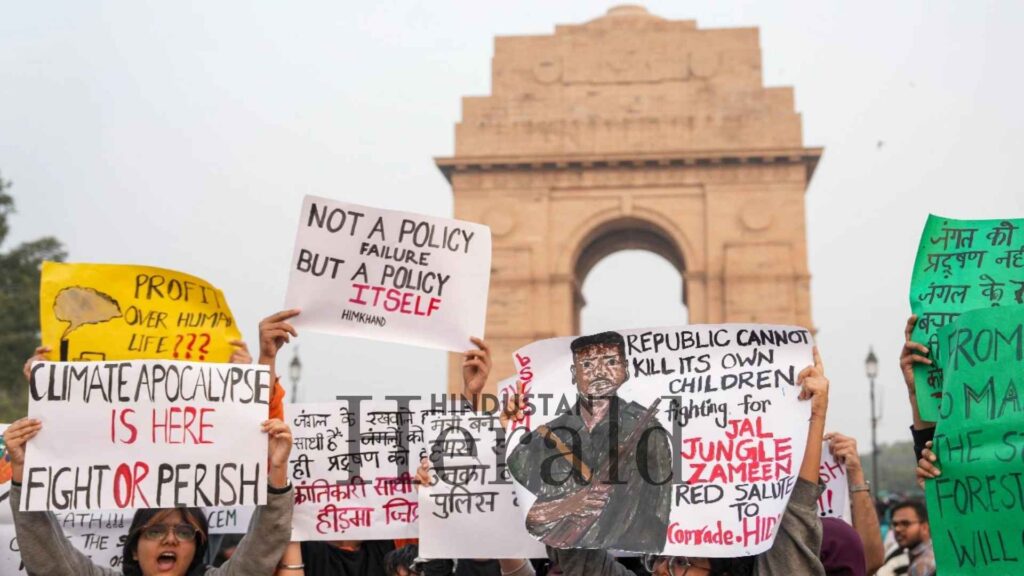
Their demands weren’t vague. They want a parliamentary committee dedicated to air quality and public health. They want real accountability, not seasonal lectures. They want schools to be protected, especially the ones sitting next to busy roads where the air is visibly thicker.
Nobody looked like they came for the symbolism. They came because they are tired.
Government Tries To Get Ahead Of The Anger
The protests and the rising AQI numbers seemed to nudge the Centre into motion. As reported by The Economic Times, Environment Minister Bhupender Yadav held a high-level review, ordering states to send in detailed 2026 action plans before New Year’s Eve.
These plans are meant to have weekly and monthly targets for everything from road dust to industrial emissions. Officials call it forward planning. Critics call it yearly recycling.
People familiar with these meetings know the challenge isn’t planning. It’s getting half a dozen departments across multiple states to actually follow through, month after month, long after the winter headlines fade.
For now, the government is saying all the right things. What happens after January is the real test.
The Divide No One Likes To Talk About
A piece in Inventiva put something bluntly that many people feel but rarely say aloud: clean air in Delhi is becoming a luxury. If you can afford air purifiers, sealed windows and weekend getaways, you can manage. If you can’t, you’re stuck inhaling whatever the city dumps into the sky.
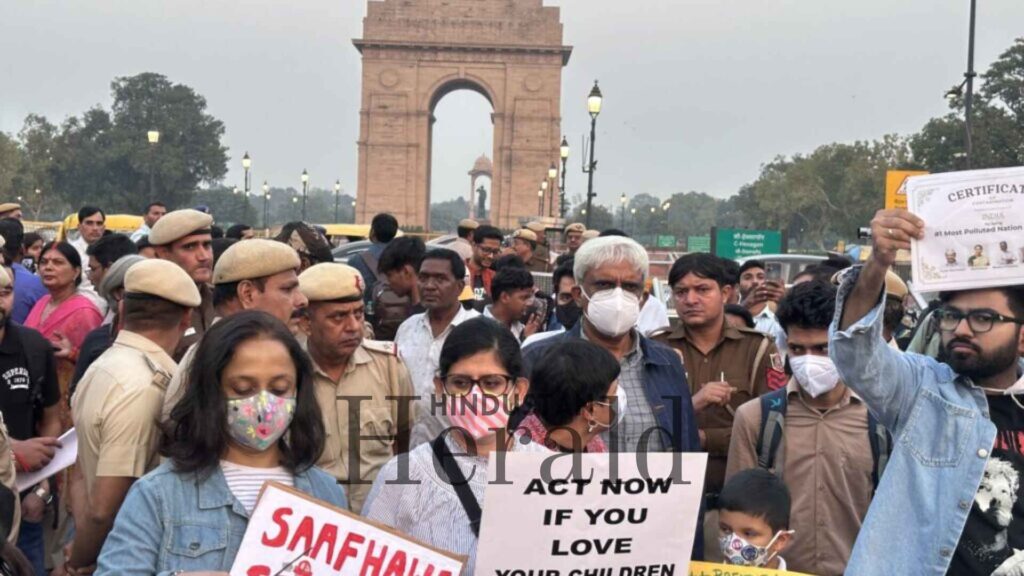
Walk through any major market at night and the divide hits you immediately. Delivery riders drive through fumes all evening. Construction workers stand in clouds of dust without masks. People living along the Ring Road breathe in black soot because their houses sit right along the worst traffic arteries.
One protester said it plainly: “Some of us can hide from the air. Most of us can’t.”
Young People Bring A New Kind Of Urgency
One noticeable shift this year is how many young people showed up. Not just teenagers with posters, but college students handing out masks, tracking AQI data on their phones, even mapping pollution hotspots on social media.
Talk to them for a minute and you hear a different kind of frustration. Many have spent their entire childhoods indoors every winter. Sports events cancelled. Picnics cancelled. Outdoor periods cancelled. They’ve never known a clean December in Delhi.

Their presence is giving the movement a sharper edge. It’s no longer just activists and parents. It’s a generation that feels robbed of something basic.
Where Things Go From Here
Delhi has had countless plans, advisories and emergency measures over the years. What it hasn’t had is consistency. If the new 2026 plans come with real deadlines and real penalties, something might shift. If not, we’ll be back here in a year, re-reading the same warnings, breathing the same air.
People at Jantar Mantar said they weren’t asking for miracles. They were asking to live without fear of what a normal day’s breathing might do to them.
In the end, that is all this movement is about. The right to stand outside your house without feeling your chest tighten.
Until that happens, the protests won’t stop. And neither will the smog.
Stay ahead with Hindustan Herald — bringing you trusted news, sharp analysis, and stories that matter across Politics, Business, Technology, Sports, Entertainment, Lifestyle, and more.
Connect with us on Facebook, Instagram, X (Twitter), LinkedIn, YouTube, and join our Telegram community @hindustanherald for real-time updates.

Covers Indian politics, governance, and policy developments with over a decade of experience in political reporting.
- Ananya Sharma

- Ananya Sharma
- Ananya Sharma
- Ananya Sharma



 Rajiv Menon and Ananya Sharma