
 By Ananya Sharma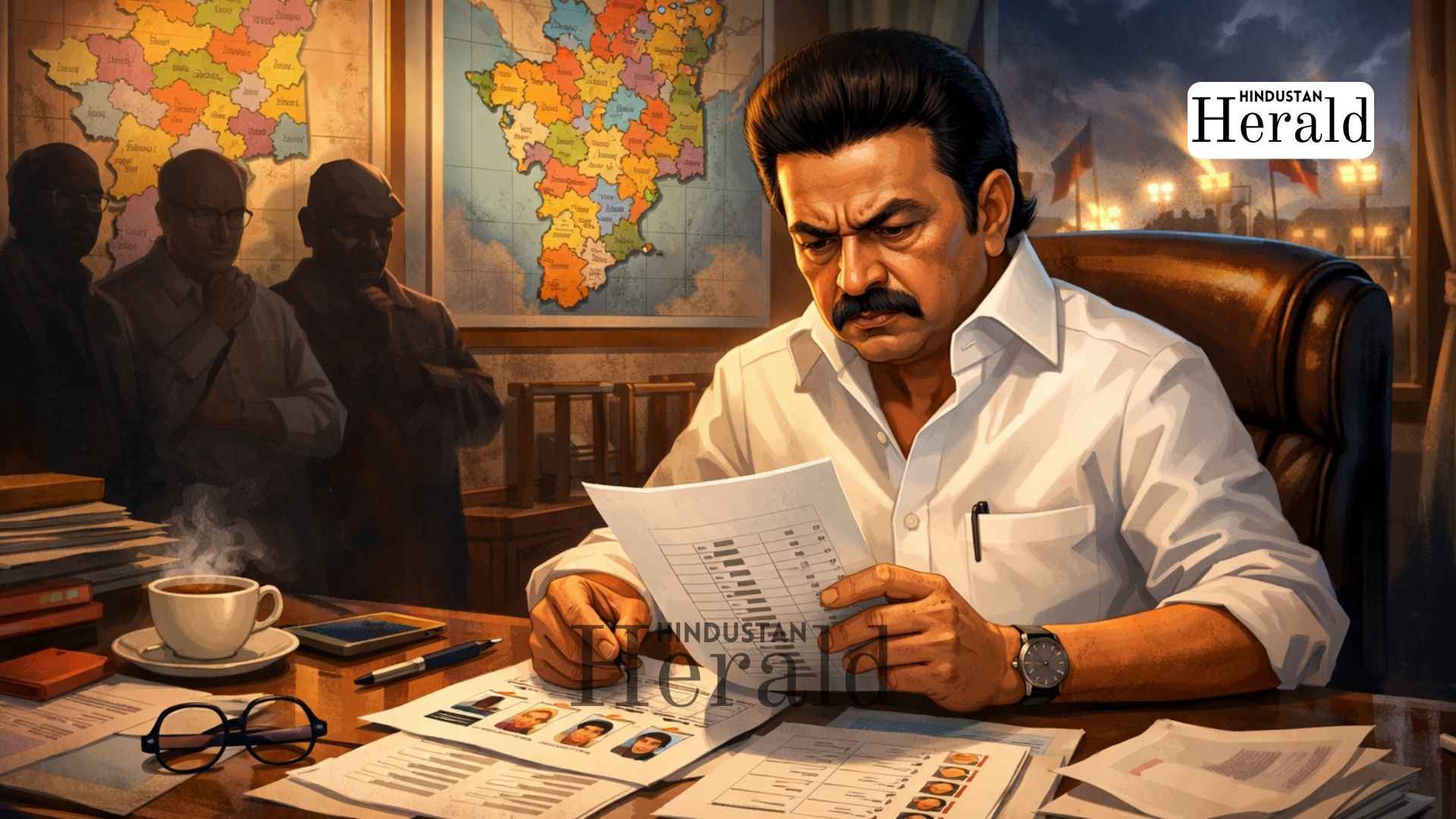
Chennai, March 27: A state of 80 million people is about to vote. The party running the government for the last five years has not yet told anyone who it is putting up for election. And everyone, from party workers sitting in local offices to political analysts on television, is waiting for one man to make the call.
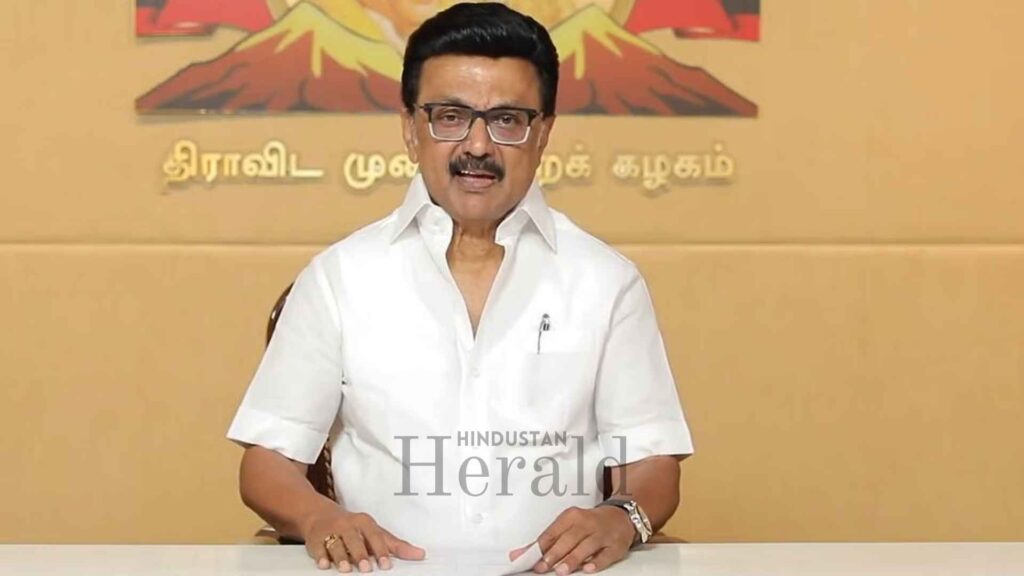
That man is M.K. Stalin. And by the end of Friday, he is expected to finally give Tamil Nadu its answer.
Everyone Is Waiting for One List
The Dravida Munnetra Kazhagam has been the ruling party in Tamil Nadu since 2021. It won big that year, took 159 seats out of 234, and Stalin became Chief Minister for the first time after years of watching his father M. Karunanidhi hold that chair.
Now he has to defend it.
Polling is on April 23. Results come on May 4. The nominations window opens in three days, on March 30. The DMK releasing its candidate list today is not early, it is right at the edge of when it needed to happen.
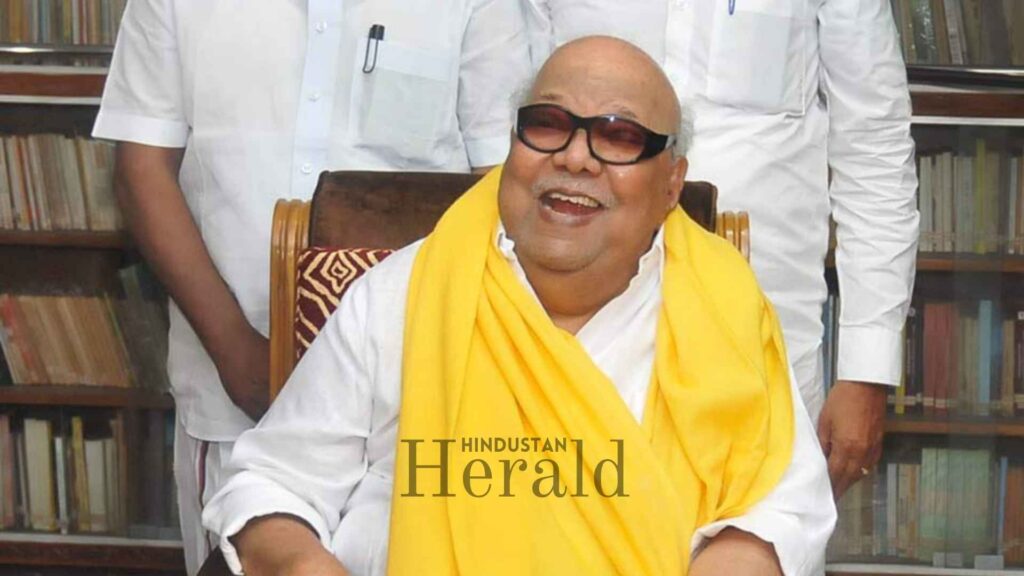
Party insiders have been saying for two days that the list is ready and the announcement is coming. The question has stopped being whether it will happen and started being what exactly it will say.
How the Tickets Were Decided
Here is something that does not always get reported properly. Getting a party ticket in a major Indian election is not simply about being loyal or having money, though both help. The DMK ran a proper selection process this time, and the scale of it was genuinely large.
Stalin himself sat through candidate interviews from March 17 to 23. Every single day, aspirants came in and made their case. Everyday sessions went on for close to 10 hours. More than 16,500 people applied for a ticket across the state, and the leadership went through all of it constituency by constituency.
They were checking a few basic things. Did the sitting MLA actually do any work, or did they just collect their salary and show up for inaugurations? Does the new candidate have real support among voters, or just support among party officials? What does the local caste arithmetic look like? Will this person actually win?
MLAs who performed are largely safe. MLAs who spent five years going through the motions are sweating right now. The party has made no public promises to anyone, and that silence is itself a message.
The Alliance and the Seat Count
The DMK is not fighting this election alone. It heads a group of parties called the Secular Progressive Alliance, and the seat-sharing within that group is now done.
The party will directly contest 164 seats. When you count in all the alliance partners fighting under the DMK’s Rising Sun symbol, that number climbs to 175 constituencies covered by the same electoral identity.
Now here is where it gets interesting. Who are these partners and what did they get?
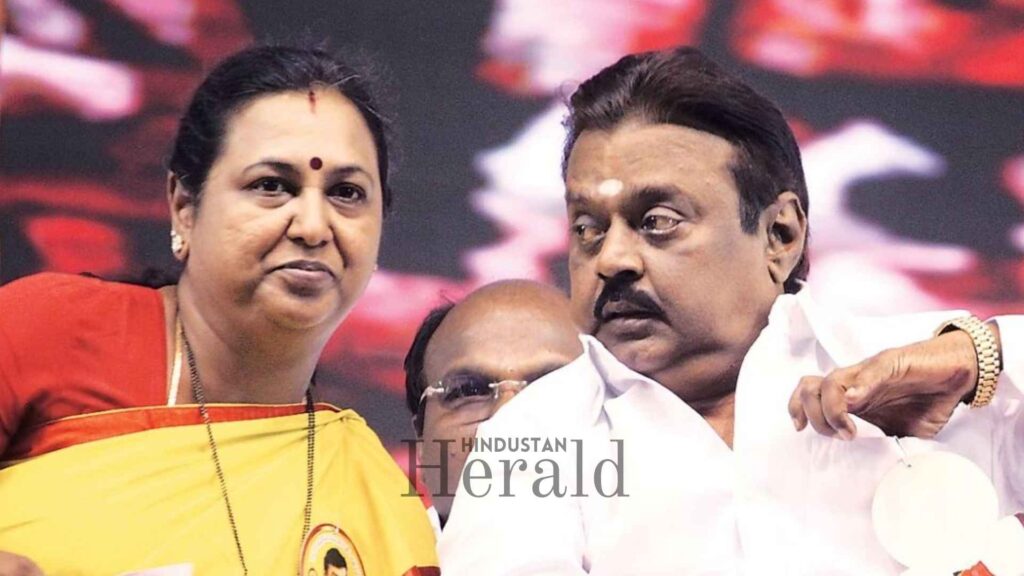
Congress walks away with 28 seats, making it the biggest ally in the coalition. The DMDK, the party that actor Vijayakant built over decades and which is now being run by his widow Premallatha Vijayakant, has been given 10 seats. The VCK, which represents Dalit communities and has significant ground presence in specific parts of the state, gets 8 seats. Both the CPI and the CPI(M) receive 5 seats each. The MDMK gets 4. And then there are several smaller parties, including the Indian Union Muslim League, sharing the remaining allocations.
The DMDK being in this alliance at all is a story in itself. Vijayakant built his party as a third option, separate from both the DMK and the AIADMK. He spent years refusing to align fully with either side. His party joining the DMK front now, after his death, is a moment that carries weight beyond just the 10 seats involved.
Stalin wrote to party workers ahead of the announcement. His message was simple and firm. Every seat in Tamil Nadu belongs to the DMK, whether or not the party has a direct candidate there. He told workers not to go quiet in constituencies given to allies. He used the phrase “All 234 constituencies are ours” and meant it as an instruction, not a slogan.
The Seat That Has Everyone Talking
If you spend any time around Tamil Nadu political circles this week, one name keeps coming up in conversations. Perambur.
It is a constituency in north Chennai. Not a glamorous seat, not historically famous for anything dramatic. But right now it might be the most politically charged seat in the entire state.
Here is why. Perambur shares a boundary with Kolathur, which is where Chief Minister Stalin votes and contests from. It is, in effect, his neighbourhood seat. Thirteen people applied for the DMK ticket in Perambur, including the sitting MLA R.D. Sekhar, who has held it before and wants to keep it.
The internal pressure within the DMK to hold this seat directly, rather than give it to an alliance partner, is strong. And the reason for that pressure has a name: Vijay.
The actor turned politician has been linked, through multiple reports, to a possible contest from Perambur. Nothing is confirmed. Vijay has not announced his constituency yet. But the idea of him contesting right next to Stalin’s own seat, in a constituency the DMK hands over to someone else, is not something the party leadership wants to deal with.
So they are almost certainly keeping Perambur. Call it political instinct.
What the AIADMK Is Doing
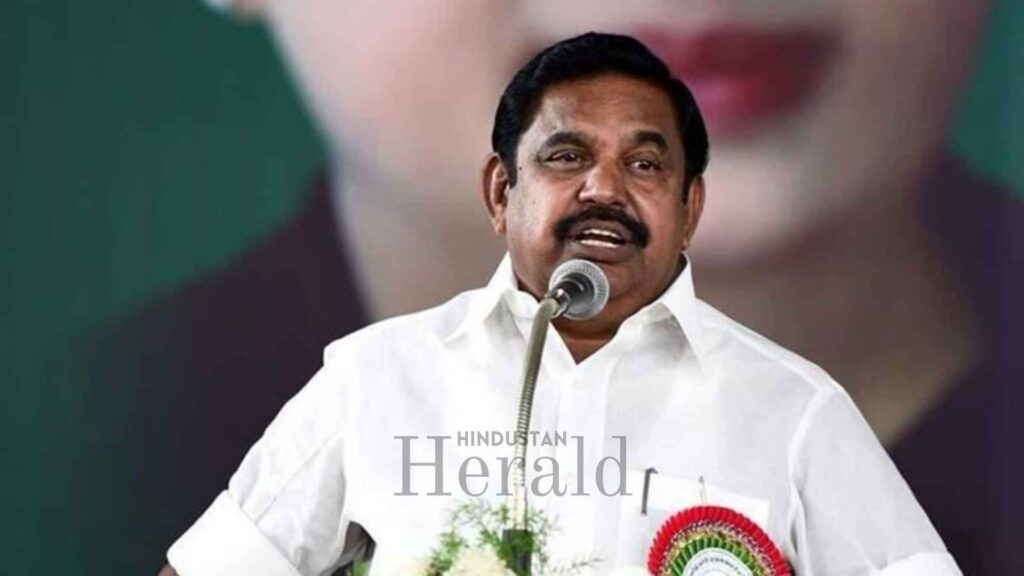
The main opposition party, the All India Anna Dravida Munnetra Kazhagam, has not been waiting around. The AIADMK has already released candidate lists for a large number of seats, and general secretary Edappadi K. Palaniswami announced he will personally contest from Edappadi, the constituency he has held for decades. This is his fifth time contesting from that seat. He has staked his own reputation on this election.
Under the alliance the AIADMK leads, the BJP is fighting 27 seats, the Pattali Makkal Katchi has 18, and the Amma Makkal Munnetra Kazhagam gets 11. The AIADMK itself will directly contest 169 constituencies.
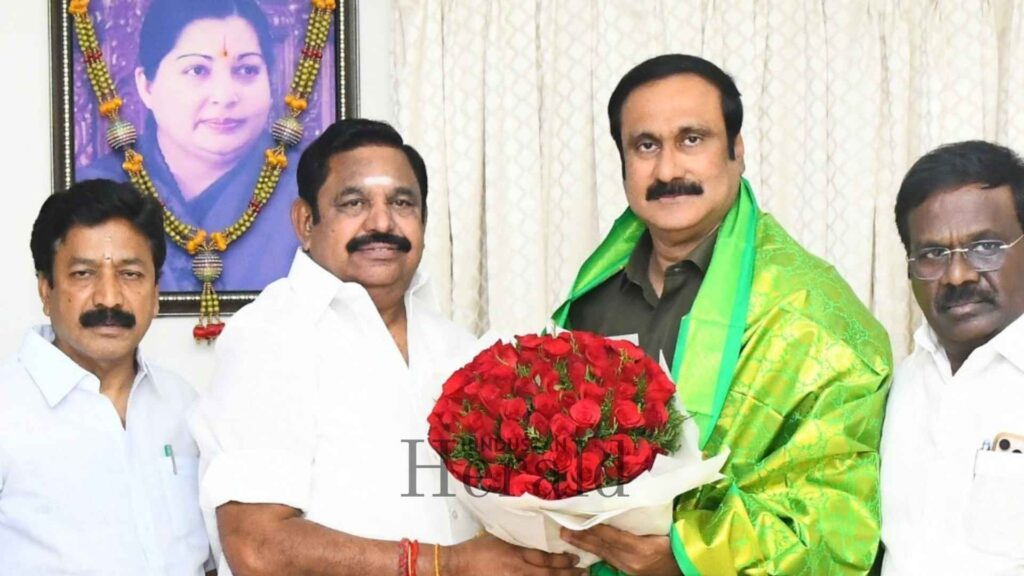
Something else stands out. The AIADMK quietly chose not to fight directly against 14 sitting DMK cabinet ministers. Those seats were given to NDA partners instead. The AIADMK has not explained this publicly, but the reading among observers is straightforward: they calculated that putting up their own candidates against these particular ministers would likely result in losses, so they passed the problem along to their partners.
That is not the behaviour of a party that believes it is winning.
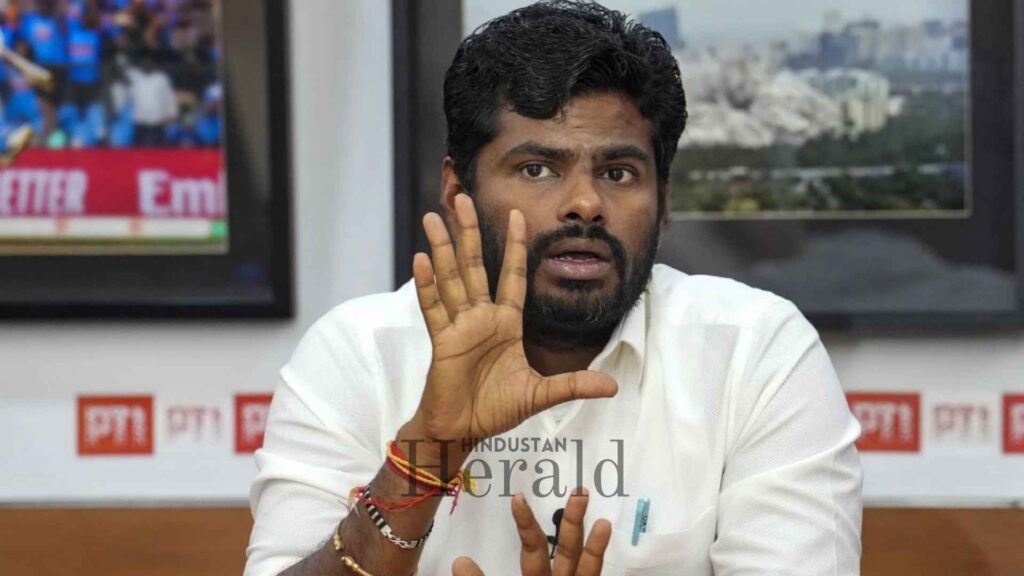
Then there is K. Annamalai. The former BJP Tamil Nadu president spent months travelling the state on a campaign yatra, meeting people in small towns and villages, and building genuine public recognition. He wanted to contest from Singanallur in Coimbatore. His name did not appear in the BJP candidate list. He flew to Chennai, met Union Minister Piyush Goyal, and left looking like he had received news he was not happy about.
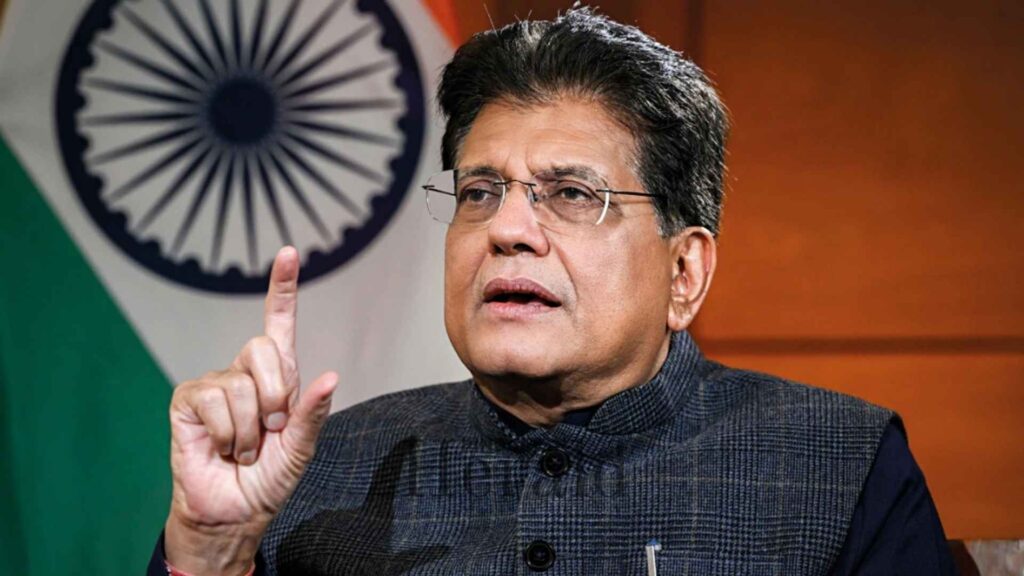
He told reporters he had never asked anyone for a seat. Most people who heard that did not quite believe it. His absence from the ballot weakens the BJP’s campaign in ways that will only become clearer as election day approaches.
The Problem Neither Alliance Can Solve
Both the DMK alliance and the AIADMK alliance are dealing with the same problem. Neither of them created it and neither of them can make it go away.
Vijay is contesting this election with his party Tamilaga Vettri Kazhagam, and he is doing it alone. No alliance. No seat-sharing. No deal with anyone.
Reportedly, he was offered a serious arrangement by the NDA: 90 seats and the Chief Minister’s post if the alliance won. He turned it down. He did not pursue anything with the DMK either. He is putting candidates in all 234 seats and running his own campaign.
Now, nobody sitting in a newsroom or a political office today believes TVK is going to win enough seats to form a government. That is not what makes Vijay a problem for the established parties.
The problem is simpler and more arithmetic. Tamil Nadu has dozens of constituencies where the gap between the DMK candidate and the AIADMK candidate will be somewhere between 5,000 and 20,000 votes. In those seats, even a modest TVK performance changes who wins. And the voters most likely to back Vijay are young people, urban residents, those who feel that the two Dravidian parties have been passing power back and forth for 50 years without much changing.
Those voters were, in many cases, going to vote DMK. Some of them will now vote TVK instead.
That is the calculation keeping DMK strategists up at night. Not whether Vijay wins. Whether he takes enough to swing the close ones.
The Manifesto Comes Out Today Too
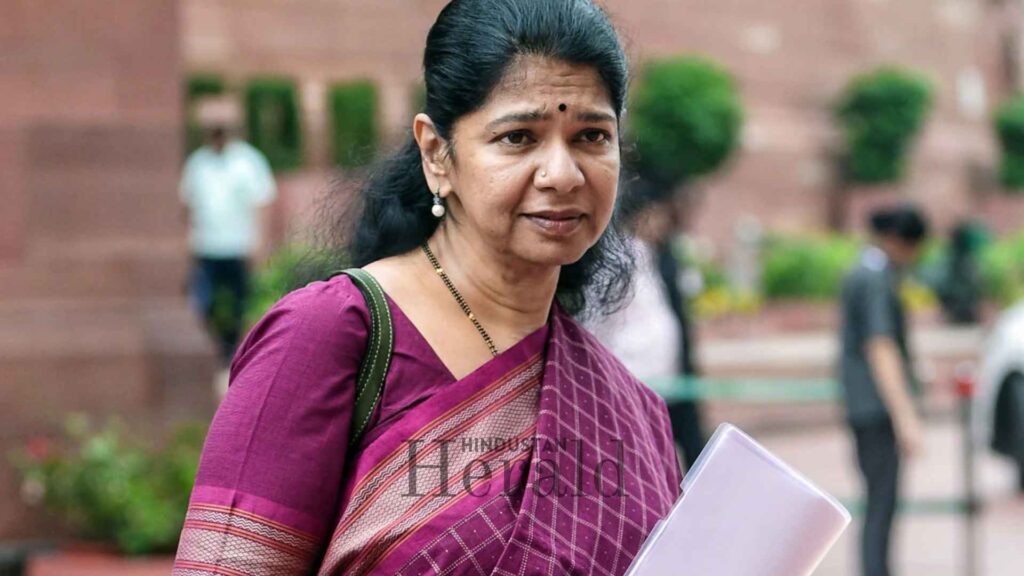
The candidate list is not the only document the DMK is releasing on Friday. The party is also putting out its election manifesto, drafted by a committee led by Kanimozhi, the MP and Stalin’s younger sister.
A second-term manifesto is always a different animal from a first-term one. In 2021, the DMK could promise anything because it was in opposition. Now it has a record. People remember what it said five years ago. The manifesto today will need to show what the party actually delivered and what it is committing to do differently or better.
Welfare schemes, employment, language rights, federal relations with the central government: these are the themes that move Tamil Nadu voters. What Kanimozhi’s committee has written, and how specifically it commits to things rather than speaking in broad strokes, will matter.
What Happens Next
After today, the campaign moves fast.
Nominations open March 30. Last date to file is April 6. Stalin kicks off the official statewide campaign tour from Thiruvarur on April 2. Deputy Chief Minister Udhayanidhi Stalin has already been out in the districts for days, visiting functionaries and warming up the party machinery.
Tamil Nadu votes April 23. Counting is May 4. The current Assembly term expires May 10. There is no buffer, no extra time. Whatever happens in the next four weeks is what decides the next five years.
The DMK goes into this as the ruling party, with a working alliance and an opposition that has genuine structural problems. That should be enough of an advantage. But politics in Tamil Nadu has a habit of not caring what should be enough.
Today’s list is the starting gun. Watch what it says carefully, because the names that appear on it, and the names that quietly do not, will tell you more about the real state of this election than any press conference will.
Stay ahead with Hindustan Herald — bringing you trusted news, sharp analysis, and stories that matter across Politics, Business, Technology, Sports, Entertainment, Lifestyle, and more.
Connect with us on Facebook, Instagram, X (Twitter), LinkedIn, YouTube, and join our Telegram community @hindustanherald for real-time updates.

Covers Indian politics, governance, and policy developments with over a decade of experience in political reporting.
- Ananya Sharma

- Ananya Sharma
- Ananya Sharma
- Ananya Sharma