 By Ananya Sharma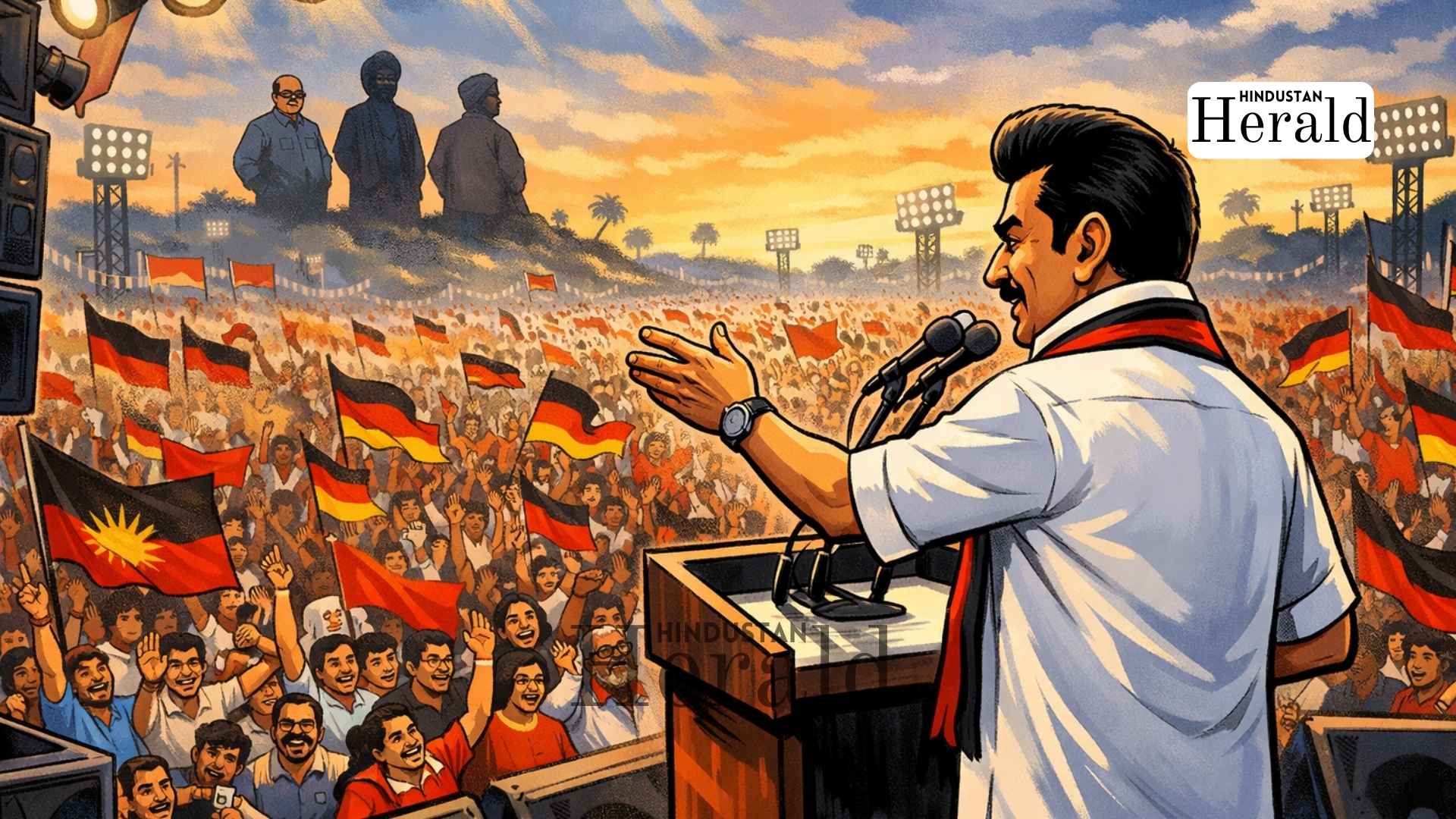
Tiruchirappalli, March 9: The ground at Siruganur had seen this before. Five years ago, on this very stretch of land along the Trichy-Chennai national highway, M.K. Stalin stood before a sea of white-and-red caps and made promises that eventually carried the Dravida Munnetra Kazhagam back to power after a decade in the wilderness. On Sunday, he returned to the same patch of earth, this time not as an opposition leader hungry for a mandate but as a sitting Chief Minister with a government’s record to defend and a party machine hungry for another five years.
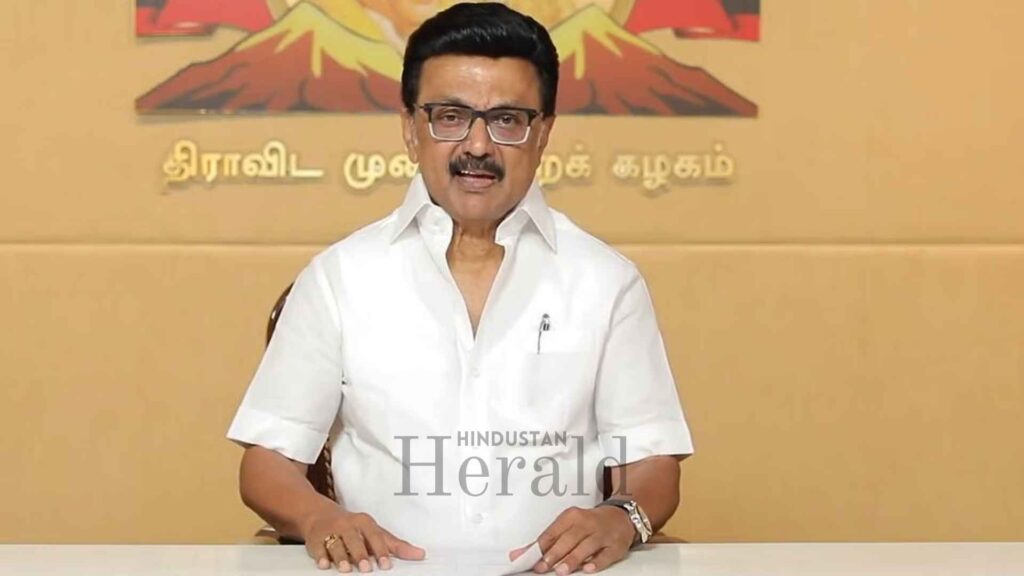
The 12th DMK State Conference drew what organisers described as nearly ten lakh cadres from across Tamil Nadu, filling over 400 acres at Siruganur, while another 200 acres were set aside just for parking. It was, by any measure, a show of force. Around three lakh chairs were arranged in blocks of roughly 5,000 each. The venue spanned nearly two million square feet, with cultural programmes preceding the main political proceedings before the formal inauguration at 5:30 pm, when Stalin hoisted the party flag on a 110-foot flagpole. The symbolism was deliberate and unmistakable.
The Theme That Telegraphs Everything
The conference carried the theme “Stalin Thodaratum, Tamil Nadu Vetri Perattum” Let Stalin Continue, Let Tamil Nadu Triumph. It is not a subtle slogan. At a time when ruling parties across India scramble to distance themselves from incumbency fatigue, the DMK is doing the opposite: leaning into continuity and daring the electorate to reject what it has built. That calculation is either confident or reckless, depending on which side of the political divide you ask.
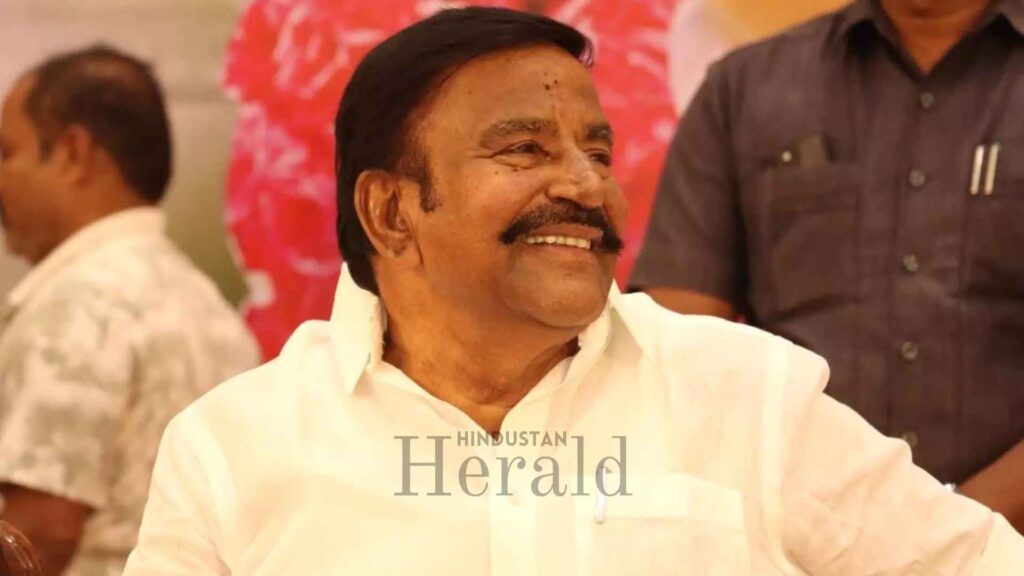
Stalin’s address did not shy away from the electoral stakes. This was not a routine party gathering. It was, as DMK Principal Secretary and Municipal Administration Minister K.N. Nehru framed it ahead of the event, a “decisive event that would reaffirm the party’s strength.” Nehru had previously described the Trichy conference as the main picture for the 2026 Assembly polls, urging all party administrators to ensure maximum participation. They delivered on that ask.
“No Entry for NDA”, And the Bihar Warning
The centrepiece of Stalin’s address was a sustained attack on the BJP-led National Democratic Alliance and its ambitions in Tamil Nadu. He framed the upcoming 2026 Assembly elections not as a routine state contest but as a civilisational question about who Tamil Nadu belongs to.
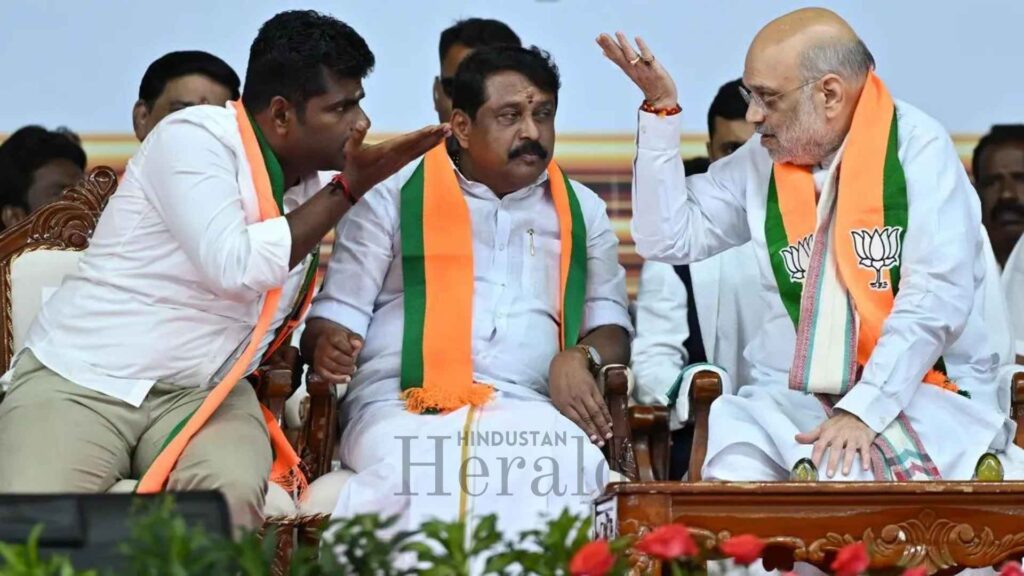
His language was pointed. He declared that Tamil Nadu would always remain a “no-entry” zone for the NDA, calling the alliance’s engine a “dabba”, a Tamil slang equivalent of dysfunctional or broken-down, that has no place in the state as long as the Dravidian Model of governance continues to deliver for ordinary people. It was the kind of line that travels well in cadre circles, coarse enough to energise the base, political enough to make headlines.
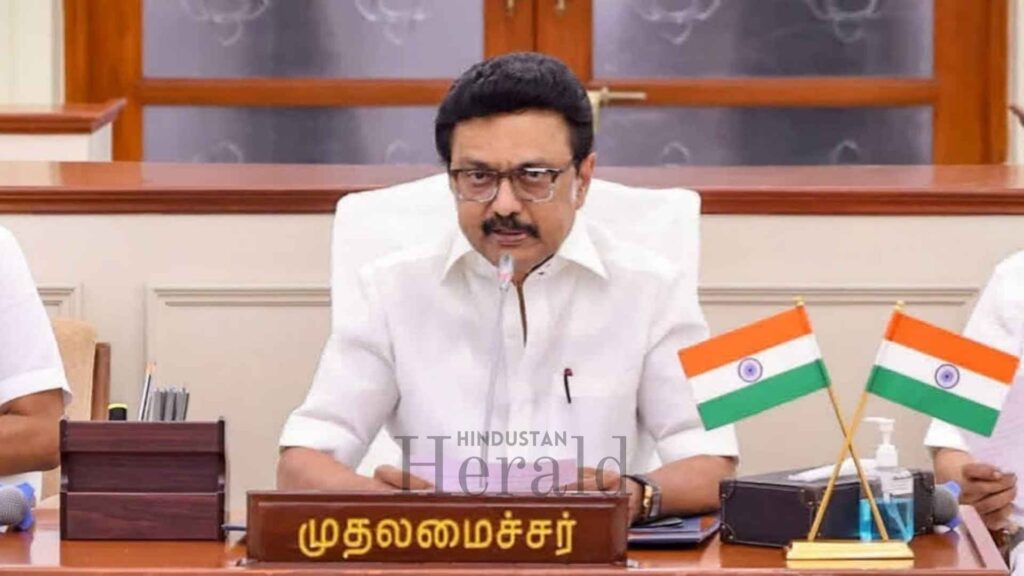
The sharper argument, though, came when Stalin reached for a comparison with Bihar. He accused the BJP of deploying what he called a “Bihar trick” in Tamil Nadu, a strategy where the national party first uses a regional face to gain entry, then systematically hollows out that partner until the regional party is reduced to irrelevance. In Bihar, he argued, Nitish Kumar’s JD(U) had been the vehicle. In Tamil Nadu, he claimed, the AIADMK under Edappadi K. Palaniswami was playing the same role.
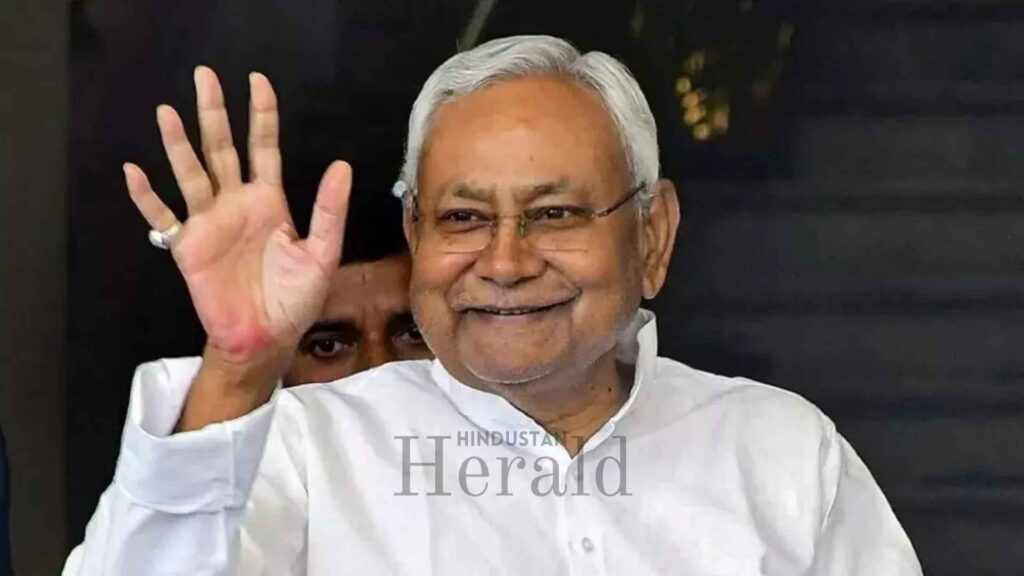
The accusation carries some rhetorical weight given how Bihar’s political landscape has evolved. Whether the analogy holds in a state with Tamil Nadu’s distinct cultural identity and entrenched Dravidian politics is a separate question. But as a campaign frame, it works because it gives DMK voters a reason to treat even a vote for the AIADMK as a vote for the BJP removing any safe middle ground for the traditional opposition base.
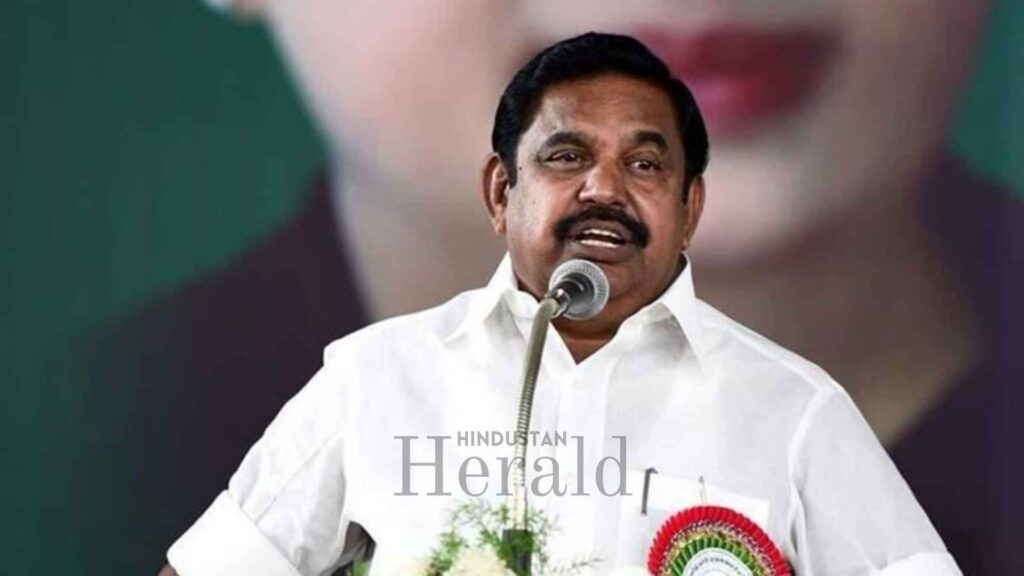
Stalin was explicit: the AIADMK, in his telling, has been “mortgaged to Delhi” for personal political gain, making Palaniswami not an independent opposition leader but a mask for national interests that conflict with Tamil Nadu’s welfare. It is a framing the DMK has road-tested for several election cycles now, but the Bihar comparison gives it fresh packaging for 2026.
The Alliance Picture and What It Signals
The 234-member Tamil Nadu Assembly is headed to polls in the first half of 2026, where the incumbent MK Stalin-led Secular Progressive Alliance will look to retain power against the BJP-AIADMK-led NDA. The DMK’s electoral arithmetic heading into the conference is, on paper, solid. The Secular Progressive Alliance, led by DMK and including Congress, won 159 seats collectively in 2021, while the NDA won 75 seats, with the AIADMK emerging as the largest party in that alliance with 66 seats.
The seat-sharing framework for this cycle is taking shape. As per sources, Congress has been allocated 28 seats plus a Rajya Sabha berth within the alliance structure, a number that reflects the party’s reduced footprint in Tamil Nadu while still keeping the national coalition intact. Other SPA constituents, including the VCK and PMK, are expected to contest on the alliance ticket as well.
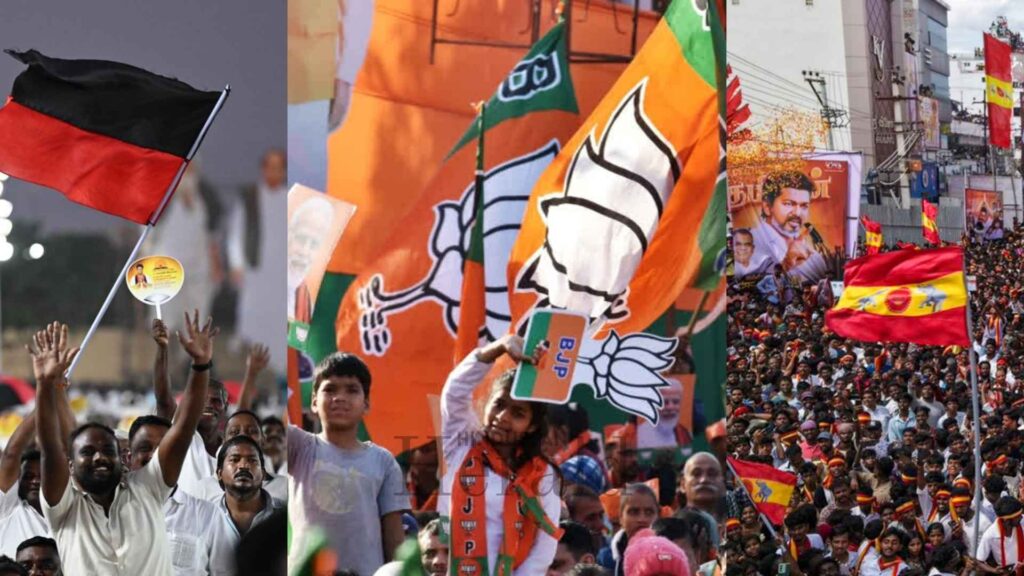
What the DMK cannot fully control is the third variable entering this election for the first time: Vijay. The actor-turned-politician and his Tamilaga Vettri Kazhagam (TVK) are contesting their first Assembly election in 2026, turning what has historically been a two-front fight into a triangular contest that could significantly change the calculus for both major alliances.
TVK’s arrival complicates the DMK’s vote arithmetic in ways that are difficult to model precisely. Vijay’s fan base skews young and urban, cutting across traditional caste alignments. Whether TVK draws more votes from the DMK or from protest voters who might otherwise have gone to the AIADMK remains, for now, an open question. The Siruganur conference was in part about signalling to those young voters that the Dravidian Model 2.0 is a reform project, not a status quo exercise.
Why Trichy, and Why It Always Matters
The choice of venue is not accidental. DMK MP Arun Nehru, speaking to ANI on the sidelines, pointed to Trichy’s historical role as a political nerve centre, saying the candidates who succeed in Trichy often go on to achieve victory across the entire state. It is a claim with enough historical backing to be taken seriously.
Trichy sits at a geographic and demographic crossroads in Tamil Nadu, pulling in voters from the delta districts, the Kongu belt to the north-west, and the southern districts that edge toward Madurai and beyond. A party that can hold Trichy tends to be a party that has stitched together the coalition it needs statewide. The DMK held this conference here in 2021 before winning a comfortable majority. Returning to the same ground is both a tribute to that memory and a bet that the symbolism resonates with cadres who need to believe the party can repeat the trick.
Modi in Trichy Tomorrow
The political temperature in the city is about to climb further. Prime Minister Narendra Modi is scheduled to address a large NDA public meeting in Trichy on March 11, just two days after the DMK conference. BJP Tamil Nadu State President Nainar Nagendran said the NDA public meeting would be conducted on the scale of a major conference, with participation expected to exceed five lakh people. The meeting will be held near Edamalaipatti Pudur, approximately five kilometres from Trichy International Airport.
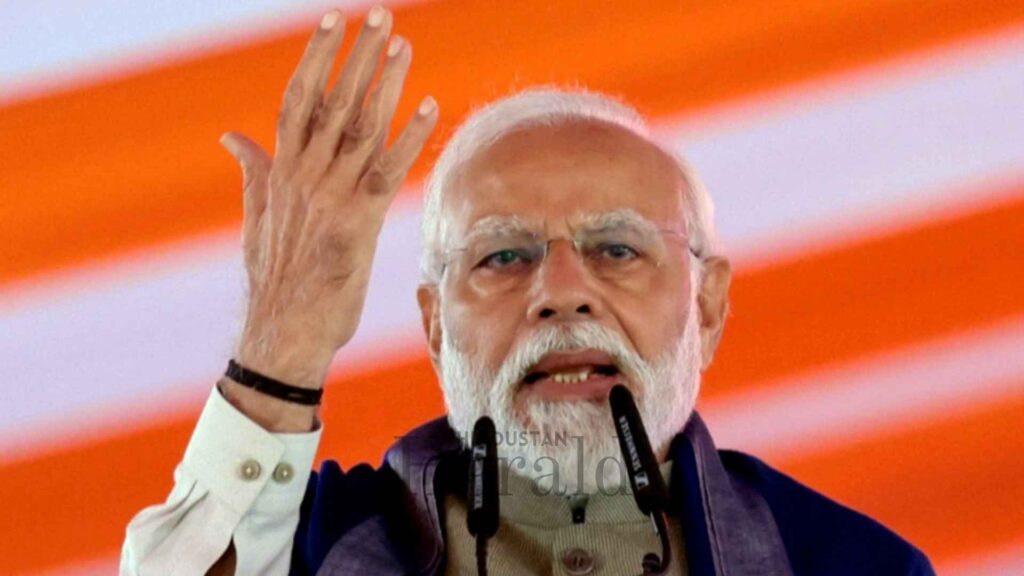
The back-to-back scheduling is almost certainly deliberate on the BJP’s part. Holding a mega rally in the same city days after the DMK’s conference is a way of contesting the narrative that Tamil Nadu belongs to the Dravidian model and has no appetite for the NDA. The BJP bets that a large crowd for Modi punctures the DMK’s claim of total dominance, even if it does not translate into seats.
Tamil Nadu has resisted the BJP’s direct electoral push at the Assembly level more consistently than almost any other major state. The party has not won more than a handful of seats in state elections for decades. But the 2024 general elections showed a marginal improvement in vote share, and the NDA alliance with the AIADMK gives the coalition an organisational base it previously lacked.
What Six Declarations Could Mean
Ahead of the conference, party sources indicated that Stalin would announce six major declarations targeting the 2026 election. Details of the full list were not confirmed at press time, but the structure mirrors what the DMK did before 2021, when pre-election announcements at a similar conference served as the blueprint for the government’s welfare agenda once it came to power.
Stalin had previously pointed to flagship schemes, including Kalaignar Women’s Rights Scheme, Naan Mudhalvan, Pudhumai Penn, Makkalai Thedi Maruthuvam, Illam Thedi Kalvi, and Kalaignar Dream Housing as evidence of the Dravidian Model’s delivery on its promises, and the conference declarations are expected to build on and expand this welfare architecture for a second term.
For now, the larger picture is this: Tamil Nadu’s 2026 election campaign has formally begun, and it started in Trichy. The DMK has set its terms of continuity, state autonomy, and a warning against what it calls Delhi’s interference. The NDA will try to reframe those terms starting Tuesday. And somewhere in this three-way contest, Vijay and TVK will be watching closely, calculating where the middle ground lies and whether there is enough of it to build something entirely new.
Stay ahead with Hindustan Herald — bringing you trusted news, sharp analysis, and stories that matter across Politics, Business, Technology, Sports, Entertainment, Lifestyle, and more.
Connect with us on Facebook, Instagram, X (Twitter), LinkedIn, YouTube, and join our Telegram community @hindustanherald for real-time updates.

Covers Indian politics, governance, and policy developments with over a decade of experience in political reporting.
- Ananya Sharma

- Ananya Sharma
- Ananya Sharma
- Ananya Sharma