 By Prakash Nair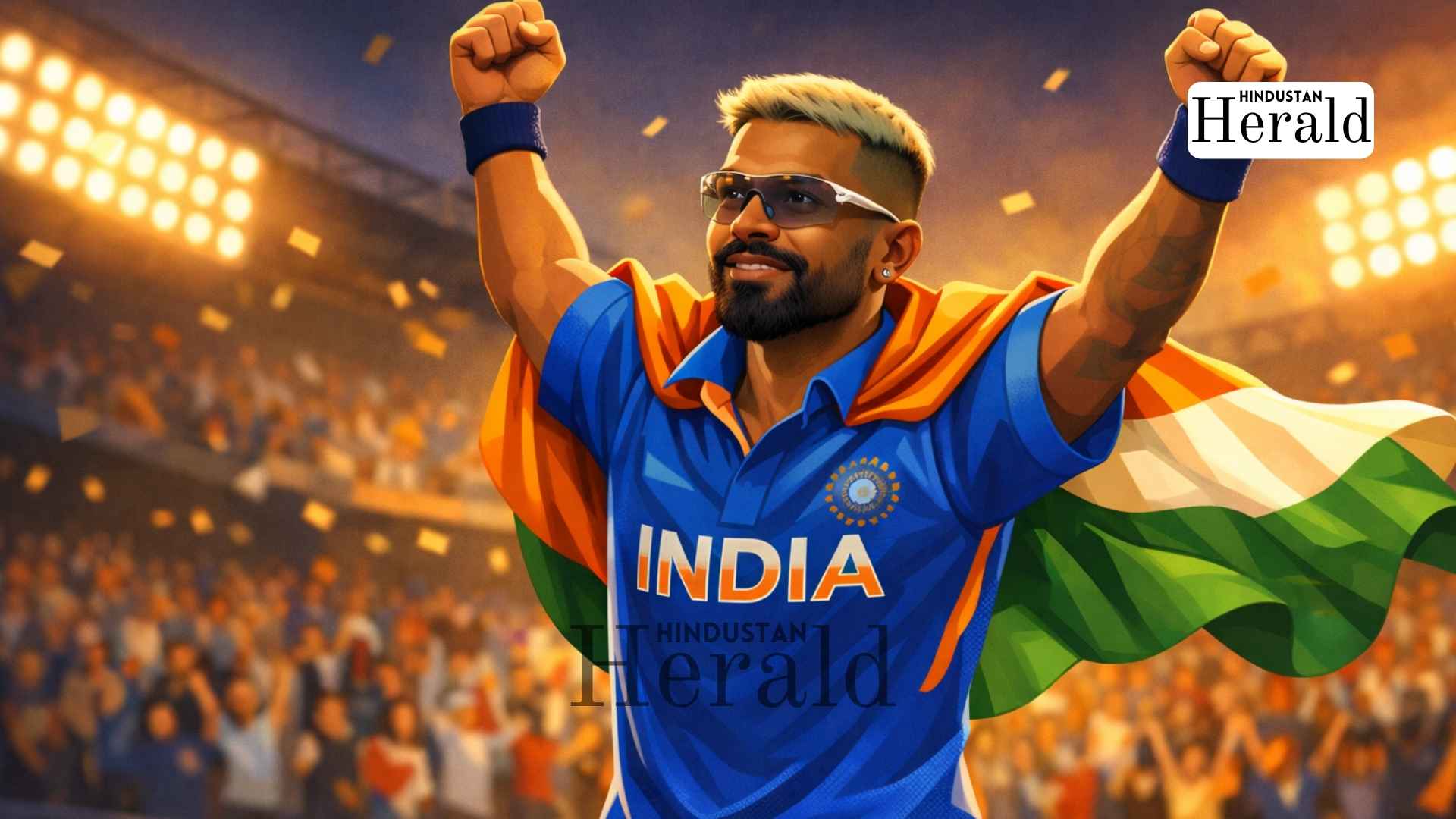
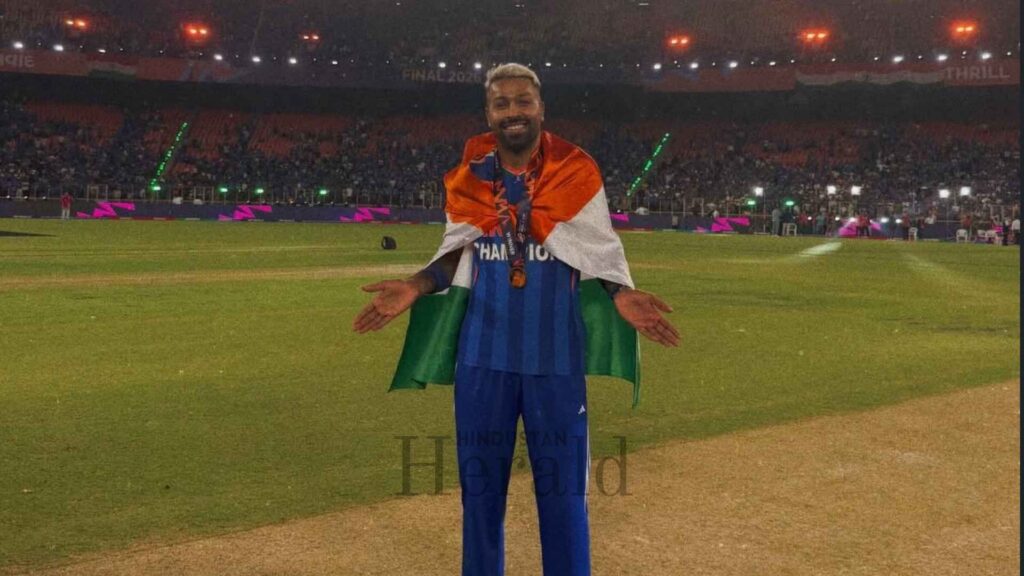
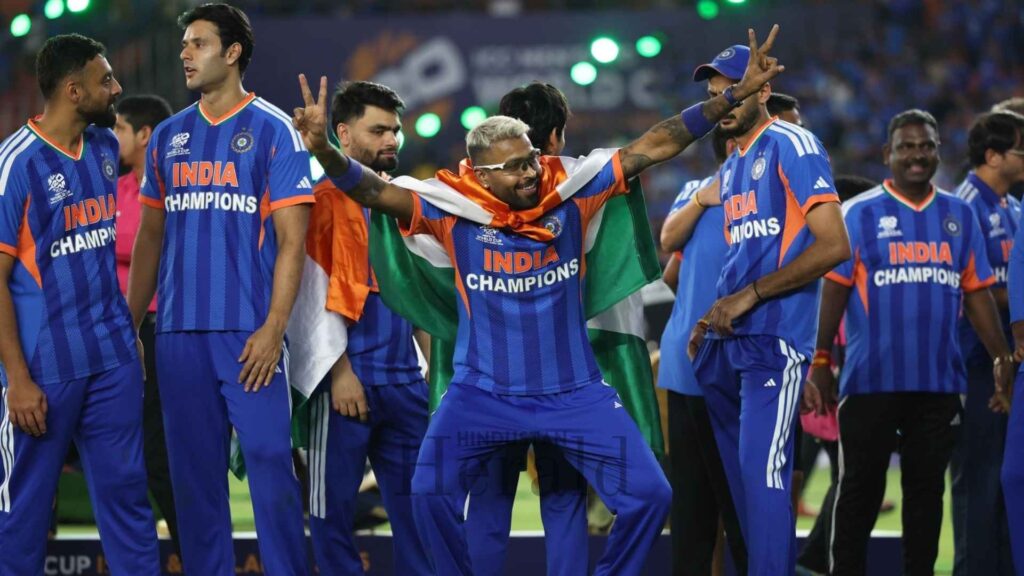
Pune, March 12: Nobody expected the hangover to arrive this fast. Four days ago, India won the T20 World Cup for the third time in their history. They won it on home soil. They won it by 96 runs, the biggest margin ever in a final. Players were weeping on the outfield, families had rushed onto the pitch, and somewhere in the middle of all of it, Hardik Pandya was running around the Narendra Modi Stadium with the Tricolour draped across his back, finally exhaling after one of the most publicly punishing years any Indian cricketer has had to endure.
Now there is a police complaint against him.
The Moment That Started It
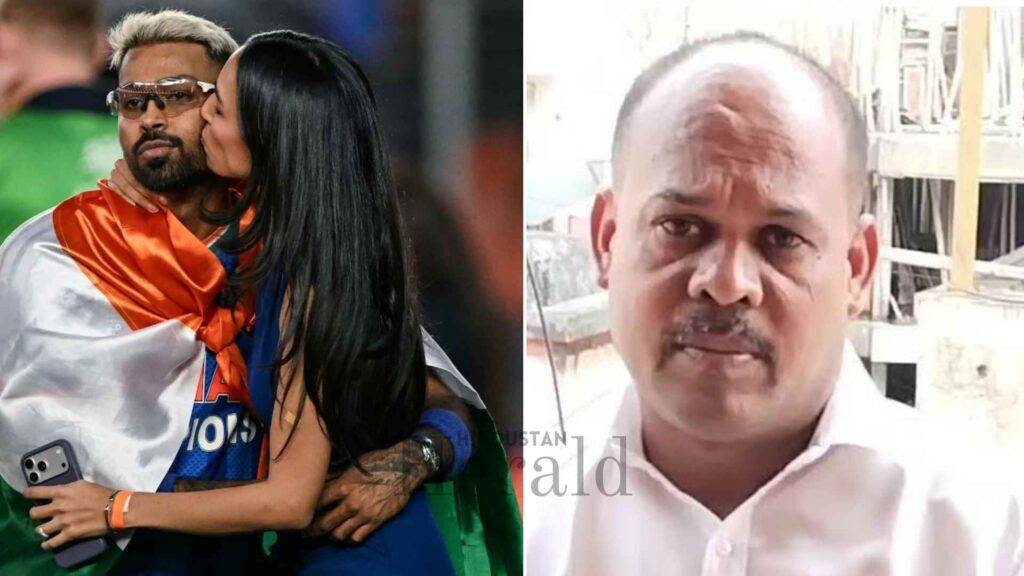
The complaint comes from Advocate Wajid Khan Bidkar, a Pune-based lawyer who filed a written application at the Shivaji Nagar Police Station demanding that an FIR be registered against Pandya under Section 2 of the Prevention of Insults to National Honour Act, 1971. The police have confirmed receiving the application. That is about as far as things have gone.
What triggered it was a video. Several, actually. Clips from the post-match celebrations at Ahmedabad went viral almost immediately, showing Pandya with the national flag draped over his shoulders as he danced across the field and embraced teammates. In one clip in particular, he and his girlfriend Mahieka Sharma were seen lying together on the victory podium, the Tricolour still across his back as the rest of the squad continued celebrating nearby. That image is what Advocate Khan found objectionable.
His argument, put plainly, is that a man lying on a stage with his girlfriend while the national flag remains on his body crosses a legal and moral line. In remarks to ANI, he said Pandya was so consumed by his celebration that he behaved in a way that amounted to an insult to the flag. He added that every citizen carries a duty to protect its dignity. He went and filed the complaint. Police took the application, handed him a copy, and have said very little since.
The Law, and Why It Is Complicated
Section 2 of the 1971 Act targets deliberate disrespect toward national symbols. It covers things like burning the flag, defacing it, or treating it with contempt. The Flag Code of India, 2002, adds further restrictions, including prohibitions on using the national flag as clothing or draping it casually over private vehicles.
The complication is the word “deliberate.” Courts have, historically, looked for intent. A sportsman wrapping himself in the Tricolour immediately after winning a World Cup final is operating in a context that is difficult to describe as calculated disrespect, and Indian legal history is full of similar complaints that have gone nowhere precisely because proving intent is genuinely hard. That does not make Advocate Khan’s complaint frivolous in a legal sense. It does make a conviction extremely unlikely.
There is also the question of consistency. Athletes dragging the Indian flag around their shoulders after victories has been a constant of this country’s sporting culture for decades, from Olympic medal podiums to boxing rings to wrestling mats. Nobody has been prosecuted. The Tricolour has appeared in far more visually striking ways at far larger events, without legal consequence. That history does not insulate Pandya, but it does provide context for how seriously the police are likely to treat this.
A Problem of Jurisdiction Too
Before any of the larger questions even arise, there is a procedural one sitting in the middle of this. The incident happened in Ahmedabad. The complaint was filed in Pune. When Advocate Khan went to the Shivaji Nagar station, officers reportedly told him that since the alleged offence occurred elsewhere, they could not strictly be the right station to take it up. Khan’s response was that the national flag belongs to the entire country, and so a complaint can be filed anywhere. Police accepted his application regardless.
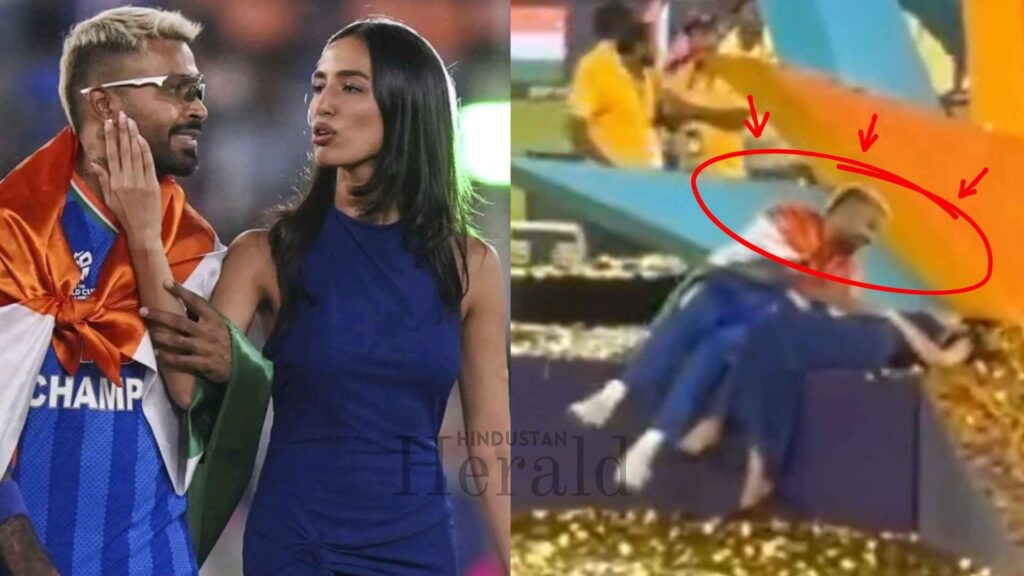
Whether that argument holds up legally is a separate matter. Standard criminal procedure in India places jurisdiction with the station nearest to where the alleged offence took place, which in this case would be somewhere in Ahmedabad, under Gujarat Police. For a formal FIR to be registered in Pune, there would need to be a deliberate legal finding that overrides that geography. So far, nothing of that sort has happened.
Pandya Has Said Nothing. Neither Has the BCCI.
As of Thursday afternoon, Hardik Pandya has made no public statement about the complaint. The Board of Control for Cricket in India has also stayed quiet, which is not entirely surprising. Complaints demanding FIRs against cricket players are filed fairly regularly in India, and they rarely survive long enough to require a formal response from the board. The BCCI’s institutional instinct is to wait and see, and that appears to be exactly what they are doing.
Pandya’s silence may also simply be a matter of what is immediately in front of him. He is due to captain the Mumbai Indians when IPL 2026 opens on March 28. That is sixteen days away. His attention is, in all probability, there.
What This Tournament Actually Meant for Pandya
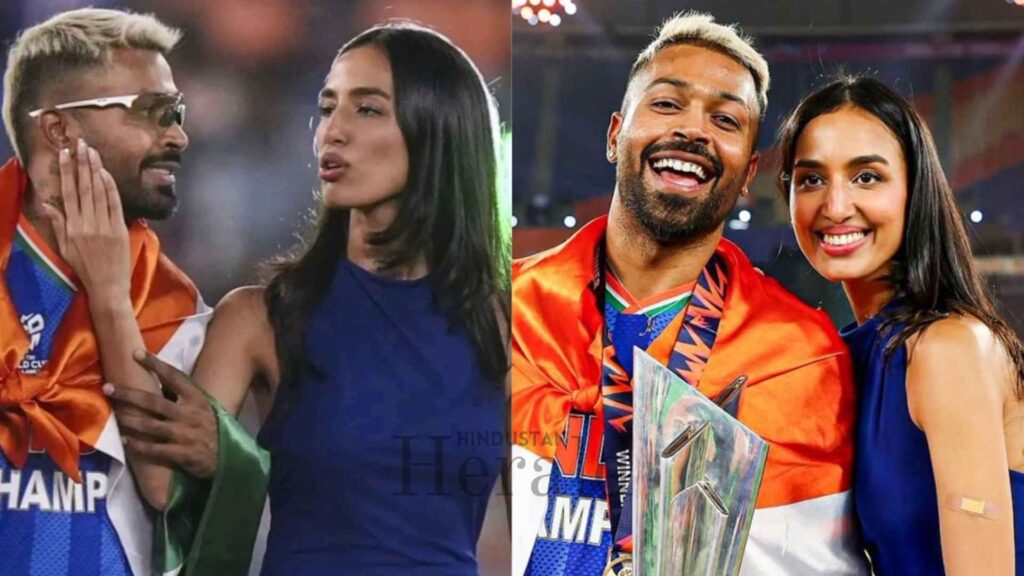
It would be wrong to move past this without acknowledging what the week of March 8 represented for Pandya specifically. This was a cricketer who spent much of the past two years absorbing public hostility on a scale that would have broken lesser people. His return to the Mumbai Indians as captain after years away was met with open booing from the franchise’s own supporters. His place in the national team was questioned. His personal life became entertainment for strangers.
He responded by having a tournament. Nine wickets across the competition. Two half-centuries, including a 52 off 28 balls against Namibia. He was named in the ICC Team of the 2026 T20 World Cup. After the final, he spoke about the back-to-back titles as the completion of a personal promise. That framing said everything about where his head has been.
The image of him running across the Ahmedabad outfield with the flag on his back, then lying down with Mahieka in a quiet moment while the chaos continued around them, read to most people watching as a man finally letting go of two years of accumulated pressure. That is the image now at the centre of a legal complaint.
On the Larger Pattern
India has seen a steady stream of these complaints over the years. A lawyer files an application, the police receive it, the news cycles briefly, and then nothing happens. The complaints serve a purpose for those who file them, in terms of attention and public positioning, but they rarely result in consequences for the person named. Pandya’s situation appears, based on everything available right now, to be following that same track.
That said, the complaint is not without legal grounding. The 1971 Act is real legislation with real penalties, up to three years of imprisonment or a fine or both, for those convicted under it. A court taking it seriously is not an impossible outcome. It is simply a very unlikely one, given precedent, given the jurisdictional complications, and given the absence of anything resembling deliberate intent in the footage that has circulated.
For now, the application sits in Pune. No FIR has been registered. Police are reviewing the matter. The BCCI is silent. Pandya is preparing for the IPL. And one of the most remarkable individual redemption arcs in recent Indian cricket history is being discussed, at least in part, through the lens of what a lawyer in Pune thought about a moment of celebration at a cricket stadium in Gujarat.
The law will do what the law does. It usually does very little in situations like this one.
Stay ahead with Hindustan Herald — bringing you trusted news, sharp analysis, and stories that matter across Politics, Business, Technology, Sports, Entertainment, Lifestyle, and more.
Connect with us on Facebook, Instagram, X (Twitter), LinkedIn, YouTube, and join our Telegram community @hindustanherald for real-time updates.
Sports reporter covering cricket, football, and Olympic disciplines, with on-ground event experience.
- Prakash Nair

- Prakash Nair
- Prakash Nair
- Prakash Nair