
 By Dr. Ritu Malhotra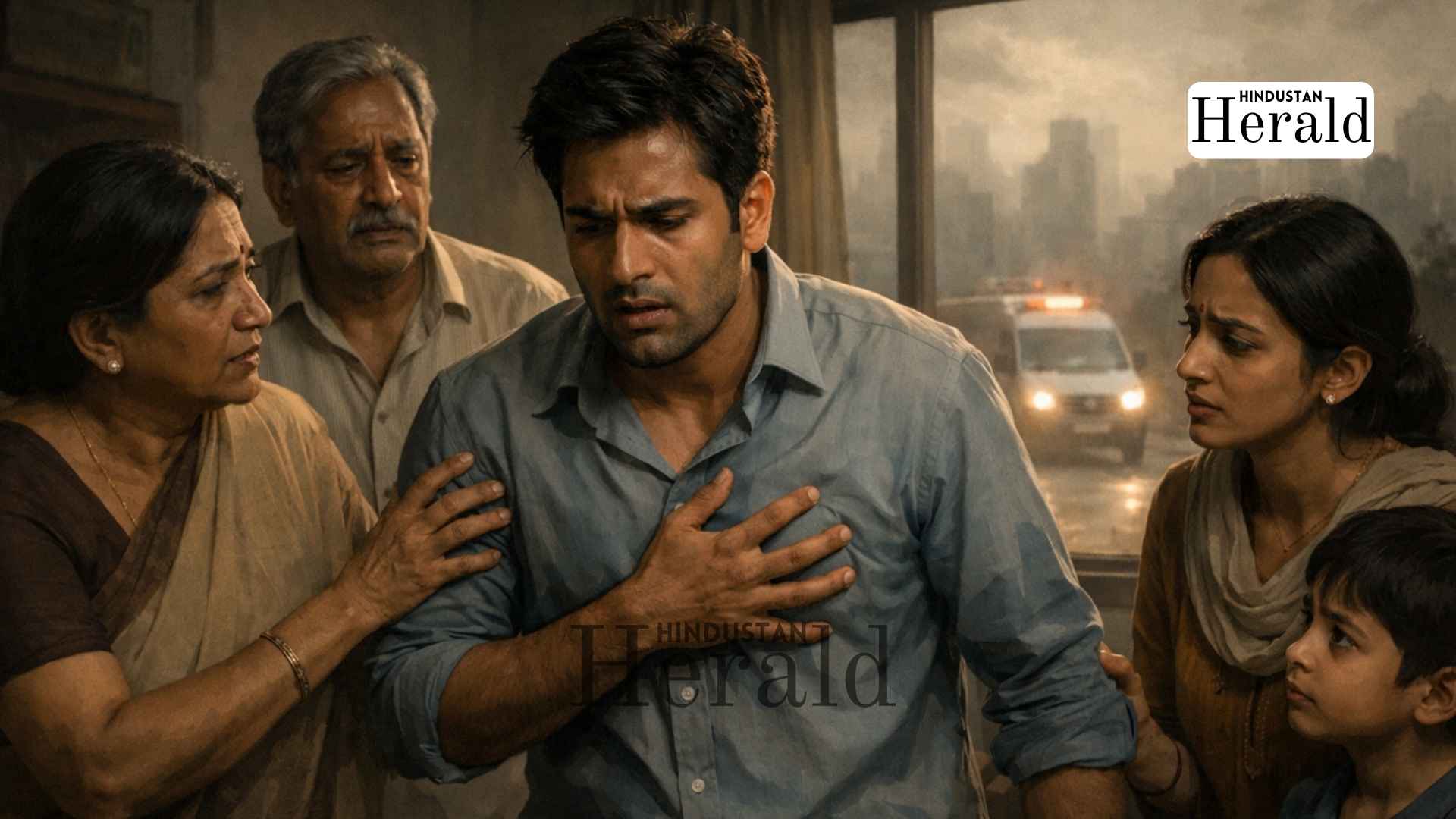
New Delhi, January 1: It usually starts with something small. A bit of chest discomfort that feels like gas. A sudden breathlessness that gets brushed off as fatigue. A young man assumes it cannot be serious, decides to sleep it off instead of going to the hospital. By morning, the house is full of people, the phones are ringing, and a heart attack has taken a life that should not have ended. This is no longer rare in India. Heart attacks are becoming frighteningly common.
By 2025, heart disease will have overtaken everything else to become the country’s biggest killer. Nearly three out of every ten deaths in India are now linked to heart-related problems. Broken down simply, that means one Indian dies every half minute because their heart fails.
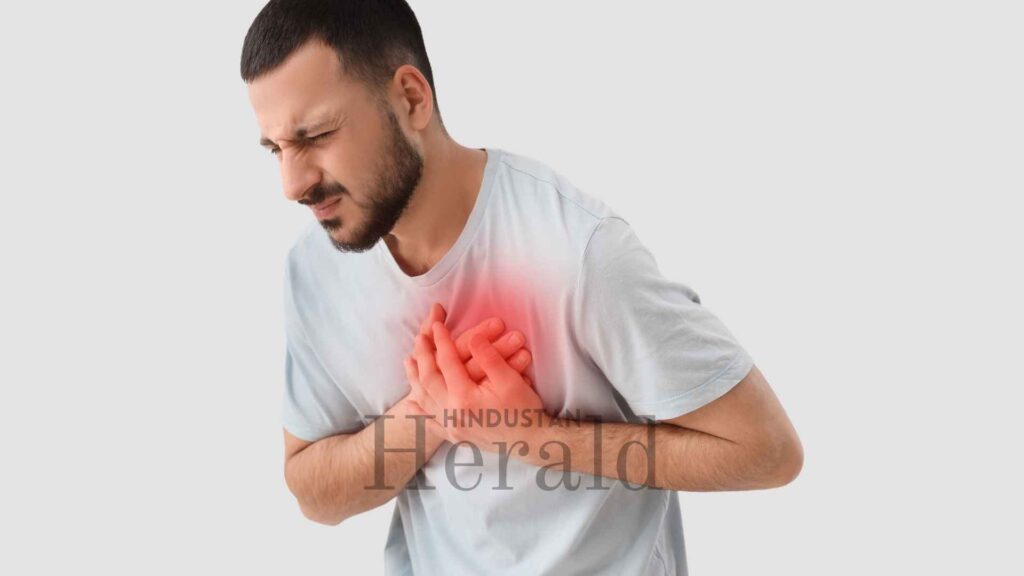
Doctors say the most disturbing change is not the numbers. It is the age. People in their thirties. Sometimes late twenties. Often with no previous warning.
When Heart Attacks Were “Old People’s Problems”
There was a time when heart disease was spoken about with distance. It was something that happened after retirement, usually blamed on age or long years of unhealthy living. That idea has collapsed.
The average age of a first heart attack in India has dropped to around 39 years. Two decades ago, it was closer to the early fifties. Hospitals now regularly see young professionals, delivery workers, small business owners, and even college students arriving with severe cardiac emergencies.
According to data compiled from national records and medical studies, half of all heart attack deaths in India now happen before the age of 50. A quarter happens before 40.
That shift alone explains why fear has crept into ordinary families. These are not distant statistics anymore. These are neighbours, colleagues, cousins.
Sudden Deaths Are Rising, And No One Feels Safe
Figures from the National Crime Records Bureau show a sharp rise in sudden deaths linked to heart problems. In just one year, cases jumped by about 12 per cent. These deaths often happen without much warning. Someone collapses during a walk, at the gym, or at home. By the time help arrives, it is too late.
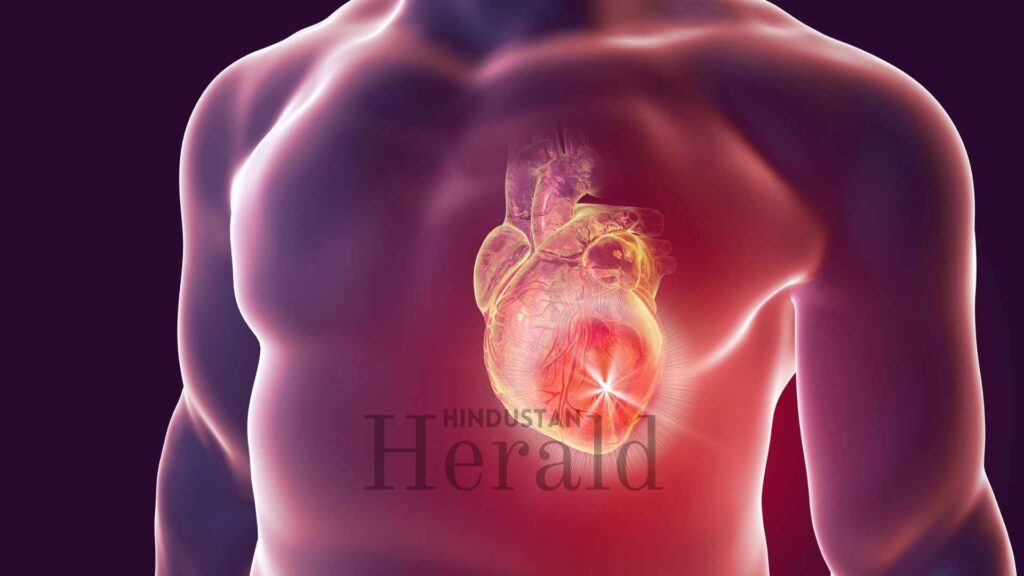
Many families are left with the same question. How could this happen to someone so young?
Why This Is Happening to Indians
There is no single reason. That makes the problem harder to fight. Indians are born with certain disadvantages. Doctors have known for years that South Asians tend to develop heart disease earlier than many other populations. Fat collects around the stomach even when the weight looks normal. Diabetes and cholesterol problems show up sooner. Arteries narrow faster.
But biology alone does not explain what is unfolding now.
Life in modern India is punishing on the body. Long hours at work. Endless sitting. Little exercise. Food that is quick, salty, sugary, and cheap. Sleep that is cut short by screens and stress. Add to that constant pressure. Financial worries. Job insecurity. Long commutes. The quiet anxiety of trying to keep up.
Stress is not just a feeling. It changes how the heart works.
The Air, The Food, The Daily Grind
In many cities, the air itself has become a risk. Tiny pollution particles enter the bloodstream, inflame blood vessels, and slowly damage the heart. This damage builds over the years, starting far earlier than most people realise. Food habits have changed faster than bodies can adapt. Traditional home meals have given way to packaged snacks, fried food, and sugary drinks. Salt intake is far above safe limits. These changes quietly raise blood pressure and strain the heart.
Physical activity has almost vanished from daily life. Many people simply do not move enough anymore. Not because they do not want to, but because modern routines leave little space for it.
Hospitals Often Come Too Late
Even when a heart attack happens, survival depends on speed. This is where India struggles the most.
Large parts of the country lack hospitals equipped to handle cardiac emergencies. Ambulances take too long to arrive. Traffic makes everything worse. Many vehicles do not carry defibrillators. Paramedics are often undertrained. Doctors talk about the “golden hour” after a heart attack. Treatment during this time can save lives. In India, many patients reach care well after that window has closed.
There is also confusion. Chest pain is often mistaken for acidity. People wait. They try home remedies. By the time they act, the damage is severe.
Fear, Rumours, And What the Evidence Says
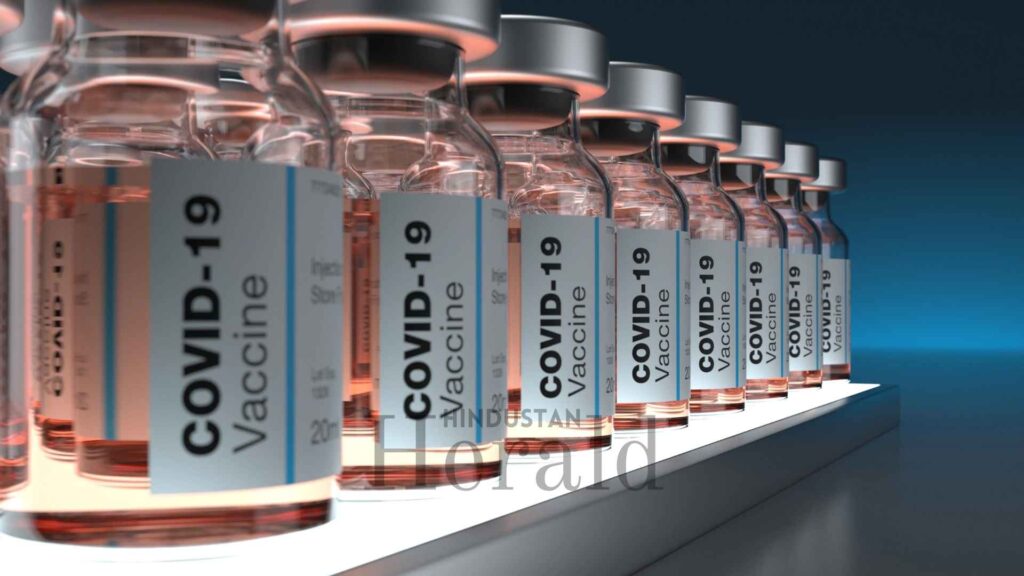
In recent years, sudden deaths among young people have led to rumours and panic, especially online. Medical experts who have studied the data are clear. There is no proven link between COVID-19 vaccines and sudden heart deaths.
The real reasons are much more ordinary. Undiagnosed heart disease. Genetic rhythm problems. Heavy drinking. Dehydration. Extreme workouts without preparation. Ignoring warning signs.
These are not mysteries. Some risks can be managed if caught early.
The Hidden Cost Families Pay
Heart disease does not just take lives. It destroys financial stability. Most victims are in their working years. Families lose earners. Hospital bills pile up. Savings vanish. Loans follow. In many households, a single heart attack changes everything. Children drop out of school. Plans collapse. Grief mixes with fear about the future.
This side of the crisis rarely makes headlines, but it is widespread.
What Can Actually Make a Difference
The tragedy is that much of this is preventable. Simple steps help. Checking blood pressure. Testing sugar and cholesterol. Knowing family history. These are not expensive tests. They save lives when done early. At a larger level, safer food, cleaner air, less tobacco, and cities designed for walking matter more than people realise. Teaching CPR in schools and offices could save thousands who collapse suddenly.
Faster ambulances, better emergency care, and awareness about heart attack symptoms can turn panic into action.
A Choice India Cannot Avoid
India’s heart crisis did not appear overnight. It grew slowly, ignored for too long. Now it is impossible to look away. Every few seconds, another family loses someone they thought was too young to die. Whether this continues or changes depends on the choices made now. By governments. By healthcare systems. By individuals.
The heart disease epidemic is not destiny. But ignoring it might be.
Stay ahead with Hindustan Herald — bringing you trusted news, sharp analysis, and stories that matter across Politics, Business, Technology, Sports, Entertainment, Lifestyle, and more.
Connect with us on Facebook, Instagram, X (Twitter), LinkedIn, YouTube, and join our Telegram community @hindustanherald for real-time updates.

Public health researcher and science communicator translating complex topics into accessible insights.
- Dr. Ritu Malhotra

- Dr. Ritu Malhotra
- Dr. Ritu Malhotra
- Dr. Ritu Malhotra