
 By Ananya Sharma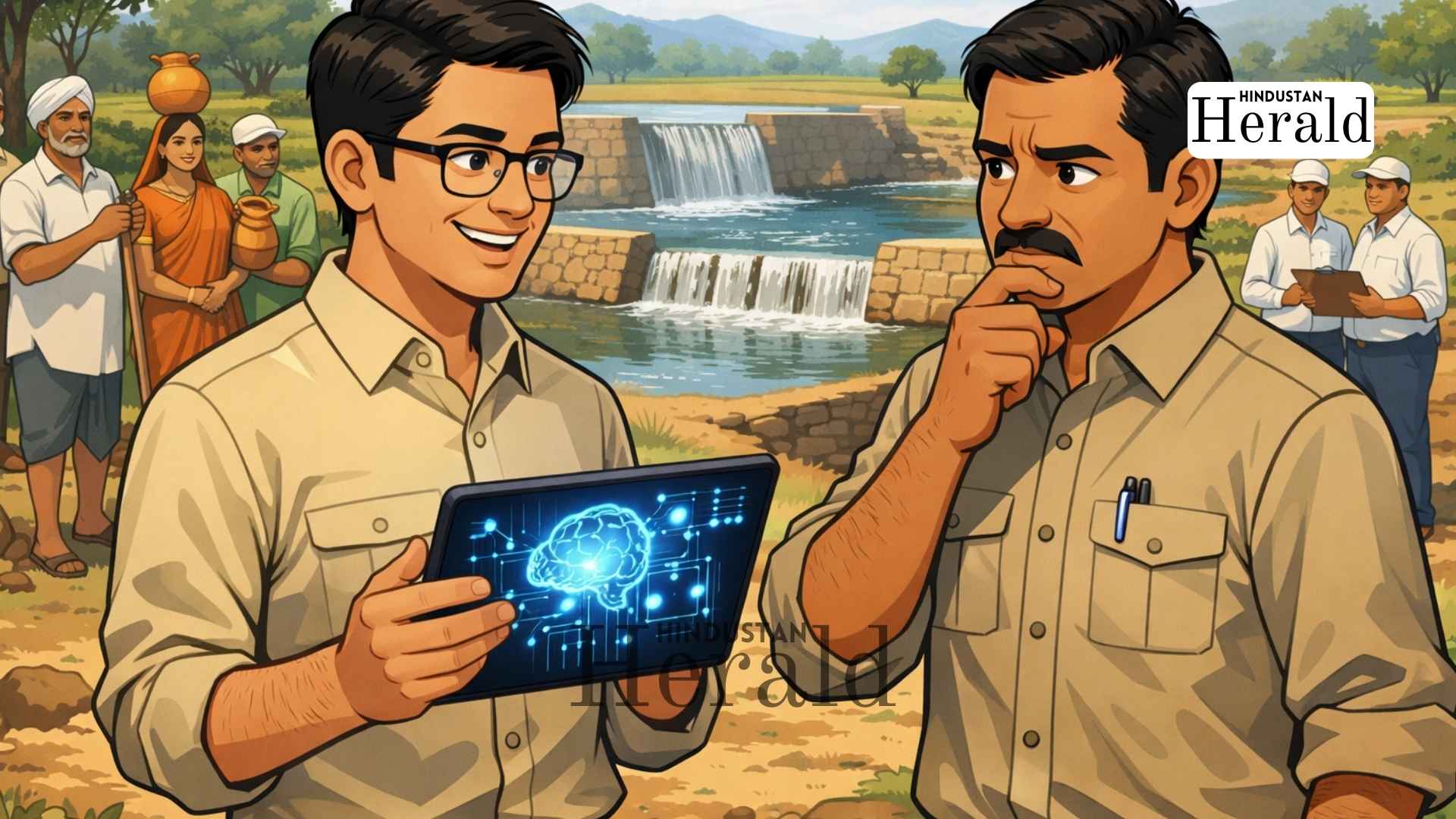
New Delhi, January 5: A controversy that began quietly with a few questionable photographs has now grown into a nationwide discussion on truth, trust, and technology inside India’s bureaucracy. At its centre are two serving civil servants, IAS Nagarjun B. Gowda and Rishav Gupta, and allegations that AI-generated images were used to support claims made for a prestigious National Water Award.

What makes the episode unsettling is not just the possibility of manipulated images, but what it reveals about how easily digital shortcuts can slip into systems that still run on public trust.

How The Issue Came To Light
The matter first caught attention after social media users, many of them tech professionals and civil service aspirants, began closely examining photographs uploaded as proof of water conservation work under the Catch The Rain campaign. According to reporting by The Indian Express, some images appeared unusually polished, with visual patterns that did not match typical rural construction sites.
As more users zoomed in, slowed down videos, and compared the images with known AI-generated samples, suspicions grew. Questions were raised about whether the photographs truly showed on-ground work or were digitally created to enhance project reports.
Still, officials associated with the submissions have maintained that there was no intent to mislead. As per PTI, internal reviews are ongoing, and no conclusions have been drawn so far.
Why AI Images Raise Serious Red Flags
For the average citizen, a photograph has always meant proof. A broken road, a new pond, a repaired canal, all expected to be shown visually. That assumption is now under strain.
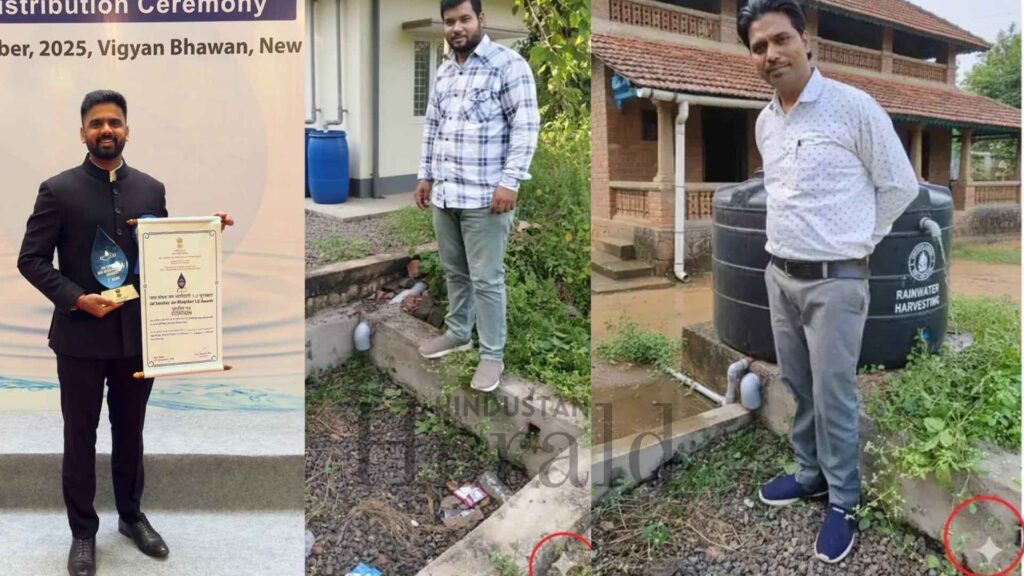
AI-generated images today can look convincingly real, even to trained eyes. Experts quoted by Business Standard explain that such images may include tiny mistakes like warped edges, repeating textures, or unnatural lighting. But spotting these flaws requires time and expertise, something government verification systems rarely have.
As it turns out, many government portals accept uploaded images at face value. There is no automatic scan for AI watermarks, no forensic review, and no rule that photographs must include live timestamps or geo-tags verified independently.
Award Systems Built On Trust, Not Checks
The National Water Awards were designed to encourage innovation and effort in water conservation. Districts and officers were expected to showcase good work, not game the system.
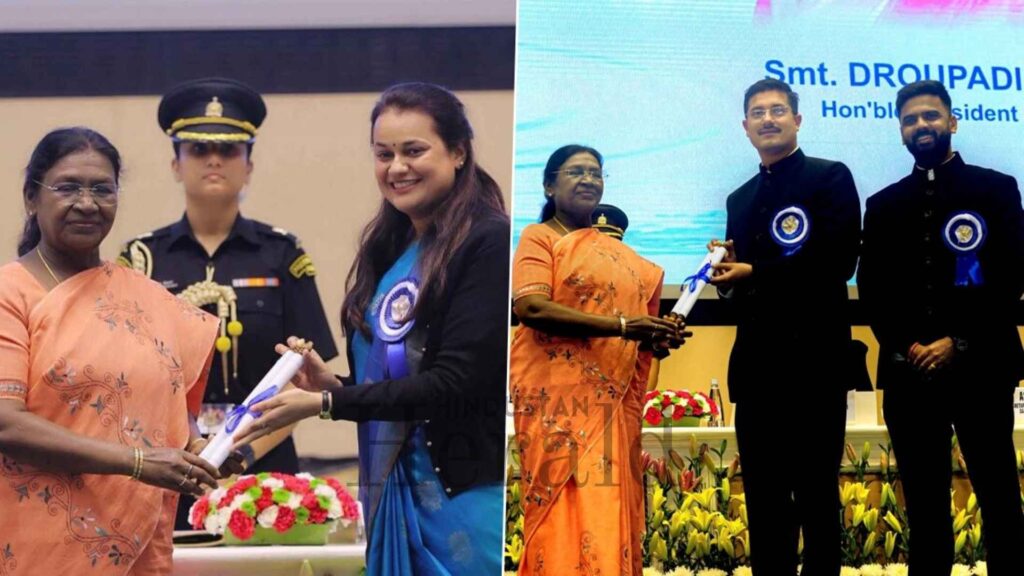
However, officials quoted by The Hindu admit that verification relies heavily on documentation submitted online. Physical inspections happen, but not always for every entry. In a country as large as India, verifying thousands of submissions manually is a challenge.
That said, critics argue that when awards carry prestige, promotions, and public recognition, the temptation to “polish” achievements increases.
Impact On Genuine Water Work
Perhaps the biggest casualty of this controversy is credibility. Across India, village sarpanches, junior engineers, and field workers spend months desilting ponds and repairing check dams, often in difficult conditions.
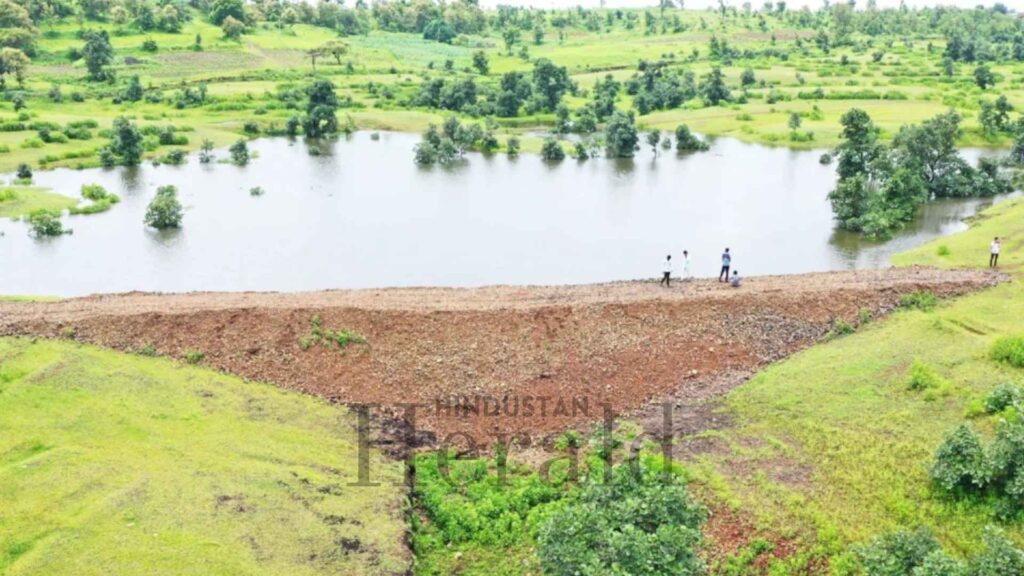
Water policy experts told Down To Earth that when false or exaggerated claims enter official records, genuine work gets overshadowed. Worse, future funding decisions may be based on inaccurate success stories.
For now, several district officials, speaking anonymously to Scroll, say they fear increased suspicion during audits, even for honest projects.
IAS Ethics And Public Expectations
The Indian Administrative Service is built on the idea of moral authority. An officer’s word is expected to carry weight.
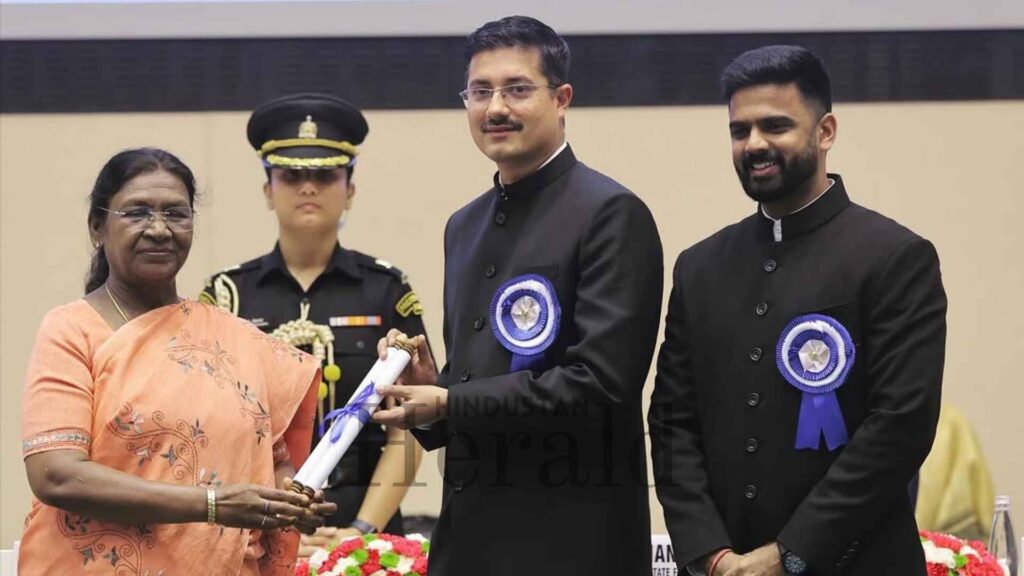
Retired civil servants quoted by The Hindu say that even if AI tools were used casually or unknowingly, the responsibility still lies with the officer. “Technology cannot replace accountability,” one former secretary reportedly said.
Still, there is also a strong view that systemic gaps, not individual misconduct, are the real issue. Without clear rules on AI use, officers are navigating uncharted territory.
Role Of Social Media And Public Pressure
This episode would likely not have surfaced without social media. Citizens with no official authority analysed images frame by frame, forcing institutions to respond.
While this kind of public vigilance can strengthen democracy, experts warn against online trials. According to Mint, some viral claims later turned out to be speculative or exaggerated.
That said, the message is clear. Government work is now under constant digital watch, and transparency is no longer optional.
AI In Government: Help Or Hazard
AI tools are already used in governance for data analysis, language translation, and service delivery. The problem arises when generated content is mistaken for ground reality.
Policy discussions cited by The Economic Times suggest that ministries are now considering rules requiring officers to clearly declare when AI tools are used and to restrict such tools from evidence-based reporting.
Without such guardrails, the line between assistance and deception can blur quickly.
What This Means Going Forward
The controversy is still unfolding. Departmental inquiries will decide individual responsibility. But the larger lesson is unavoidable.
India’s governance systems were built for a paper era, later adapted to digital tools. They are not yet ready for synthetic reality.
Until verification systems catch up with technology, trust will remain fragile. And for a democracy that depends on faith in its institutions, that is a risk India cannot afford.
For now, the episode stands as a warning. In the age of AI, honesty must be designed into systems, not assumed.
Stay ahead with Hindustan Herald — bringing you trusted news, sharp analysis, and stories that matter across Politics, Business, Technology, Sports, Entertainment, Lifestyle, and more.
Connect with us on Facebook, Instagram, X (Twitter), LinkedIn, YouTube, and join our Telegram community @hindustanherald for real-time updates.

Covers Indian politics, governance, and policy developments with over a decade of experience in political reporting.
- Ananya Sharma

- Ananya Sharma
- Ananya Sharma
- Ananya Sharma




 Rajiv Menon and Ananya Sharma